
Views: 222 Author: Sara Publish Time: 2026-03-27 Origin: Site


Content Menu
● Gabon's Bus Market and the Role of Used City Buses
● How These Insights and Rankings Were Built
● What Gabonese Operators Really Care About
>> 1. Reliability and Durability
>> 2. Passenger Comfort and Driver Experience
>> 3. Fuel Efficiency and Total Cost of Ownership
>> 4. After‑Sales Support and Parts Ecosystem
● Comparison Table: How Different Manufacturer Types Perform
● European Manufacturers: Strong Chassis and Long Service Life
● Leading Chinese Bus Brands: Yutong, King Long, Higer
● Where KeyChain Fits in the Supply Chain
● A Structured Framework for Selecting Used Buses for Gabon
● Case Snapshot: Upgrading an African City Fleet with Used City Buses
● Practical Step‑by‑Step Guide for Bus Buyers in Gabon
● Perspective on New Energy Buses for Gabon
● Call to Action for Gabonese Operators and Buyers
● Frequently Asked Questions (FAQ)
>> 1. Are used city buses suitable for daily operation in Gabon?
>> 2. Which bus brands are generally easier to maintain in Central Africa?
>> 3. Should I prioritize new buses or high‑quality second hand buses?
>> 4. How can I verify the condition of a used city bus before it ships to Gabon?
>> 5. Is it realistic to operate hybrid or electric buses in Gabon today?
As a Chinese supplier working closely with African fleet operators on second hand bus, used city bus, heavy trucks, and new energy vehicles, I have seen how tough Gabon's operating environment can be for buses that look perfect in brochures but fail on real roads. From humid coastal cities like Libreville to rough regional routes, the brands and models that truly perform are those that combine solid engineering with practical support and realistic operating costs. This article draws on hands‑on export experience, feedback from African operators, and publicly available industry information to help you identify the best bus manufacturers and used bus suppliers for Gabon and avoid costly mistakes.

Gabon's transport system relies on an evolving mix of:
- Urban buses in Libreville and Port‑Gentil
- Intercity coaches connecting provincial towns
- School and staff buses for mining, forestry, and industrial projects
For many operators, a carefully selected used city bus or second hand coach can deliver better value than a new bus, as long as three conditions are met:
- The bus was originally designed for demanding duty cycles and can handle potholes, speed bumps, and high passenger loads.
- Spare parts are readily available regionally or can be shipped quickly.
- Fuel consumption and maintenance costs are predictable enough to plan cash flow.
Chinese exporters like KeyChain have specialized in matching these needs by sourcing high‑quality second hand buses, refurbishing them, and building parts pipelines so that Gabonese operators can keep vehicles running and profitable.
This ranking of bus manufacturers and supplier types for Gabon relies on multiple layers of knowledge, not just marketing claims. It is based on:
- Long‑term field experience shipping buses and trucks from China to African markets with similar conditions to Gabon.
- Feedback from fleet managers, mechanics, and drivers who operate and maintain these vehicles every day.
- Technical and background information from manufacturer materials and transport reports, used to cross‑check specifications, safety features, and technology options.
The goal is to highlight what actually matters for operators in Gabon: uptime, operating cost per kilometer, driver satisfaction, passenger comfort, and the availability of skilled support.
Before looking at specific brands or supplier types, it is important to understand the criteria that bus buyers in Gabon consistently prioritize.
Reliability in Gabon is not an abstract concept; it is about surviving:
- Repeated impacts from potholes and speed bumps
- Heavy passenger loads during peak hours
- High humidity, frequent rain, and occasional flooding
Operators want frames that resist cracking, suspensions that can absorb punishment, and electrical systems that do not fail under heat and moisture. Buses with simple, proven mechanical systems are often preferred over technically complex models that require specialized diagnostics.
A bus that stays running but makes passengers and drivers miserable will still hurt the operator's reputation and revenue. Key aspects of comfort include:
- Noise levels inside the cabin on city and intercity routes
- The effectiveness of air conditioning and ventilation, especially in humid coastal areas
- Seat ergonomics, legroom, and standing space for city passengers
Drivers focus on seat position, steering feel, braking confidence, visibility, and how tiring the bus is to operate for long shifts. Buses that reduce fatigue can significantly improve safety and service consistency.
A low purchase price can be quickly offset by high fuel consumption and repair bills. That is why serious buyers evaluate buses in terms of total cost of ownership, including:
- Real‑world fuel consumption in urban stop‑and‑go traffic and on open roads
- Service intervals and the price of routine consumables such as filters and brake pads
- How many kilometers a bus can realistically cover before major overhauls are needed
For used city buses, costs related to refurbishment, adaptation to local conditions, and initial parts stock must also be factored into the budget.
Even robust buses require regular care. In Gabon, maintenance support often combines:
- Regional service centers in neighboring countries that stock parts for major brands
- Chinese or European exporters such as KeyChain that maintain supply chains for critical parts
- Local workshops and mechanics who specialize in specific engine and gearbox families
Buying a bus that local mechanics do not understand, or for which parts are difficult to obtain, usually leads to extended downtime and higher costs.
The table below summarizes how major types of manufacturers and suppliers typically perform in areas that matter to Gabonese operators. It reflects combined field experience and commonly observed patterns.
| Manufacturer type | Reliability | Comfort | Fuel economy | Parts availability | Purchase cost | Best use case |
|---|---|---|---|---|---|---|
| Established European brands (e.g. Mercedes‑Benz, Volvo, MAN, Scania) | High | High | Good to very good | Good (regional) | High | Flagship urban routes, premium intercity |
| Established Asian brands (e.g. Yutong, King Long, Higer) | Good | Good | Good | Good (with proper support) | Medium | City fleets, school and staff buses |
| Lesser‑known low‑cost brands | Variable | Medium | Variable | Weak to medium | Low | Low‑intensity or short‑term use |
| Refurbished used city buses via expert exporters (KeyChain) | Good (if correctly sourced) | Medium‑High | Good | Good (planned pipeline) | Medium‑Low | Value‑oriented city and intercity fleets |
This is not a rigid ranking, but it provides a realistic framework for comparing options in Gabon's context.
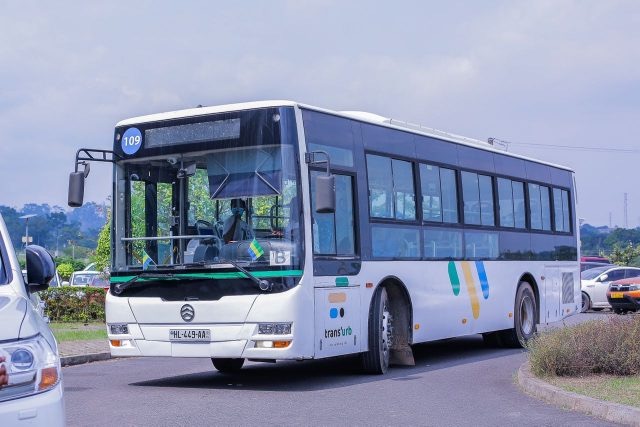
European bus makers such as Mercedes‑Benz, Volvo, MAN, and Scania have a long history of delivering robust city and intercity buses for demanding markets worldwide. When these vehicles enter the second hand market, they can be an attractive solution for Gabonese fleets if selected carefully.
Main advantages:
- Highly durable chassis and structural components
- Advanced safety features and responsive braking systems that drivers appreciate on busy or hilly routes
- Good long‑term performance when properly maintained, making them suitable for long‑distance and premium city services
Key challenges:
- Higher acquisition price, even in the used segment, compared with many Asian alternatives
- Some electronic and body parts may be costlier or slower to source
- Over‑specifying a very high‑end coach for low‑margin rural routes can lead to poor financial results
For operators in Libreville or on core intercity corridors, a well‑chosen second hand Mercedes‑Benz or Volvo city bus, imported through an experienced exporter, can offer an excellent balance between comfort, reliability, and long‑term cost per seat‑kilometer.
Chinese brands such as Yutong, King Long, and Higer have become common in African fleets, often backed by competitive pricing and flexible configurations. These brands are also widely available in the second hand bus market after serving out initial contracts in China or other regions.
Advantages for Gabonese buyers:
- Attractive balance between purchase price, fuel economy, and passenger comfort
- Growing presence across Central and West Africa, leading to wider experience among mechanics and spare‑parts dealers
- Multiple configurations for city buses, school buses, staff transport, and intercity coaches
Points to consider:
- Build quality can differ between model lines and production years
- Success depends heavily on the strength of the exporter's inspection, refurbishment, and parts support process
In KeyChain's own experience, properly refurbished Yutong and King Long city buses have performed strongly on African urban routes when they are sourced with documented maintenance histories and when known wear items in suspension, cooling, and brake systems are addressed before shipment.
As a China‑based B2B exporter focused on second hand buses, used city buses, heavy trucks, and new energy vehicles, KeyChain typically works with Gabonese and other African clients in three main scenarios:
1. Fleet renewal
- Replacing old, unreliable buses with refurbished units from reputable fleets, often at a fraction of the cost of new vehicles.
2. Route expansion
- Supplying additional buses quickly to launch new urban, school, or staff routes while keeping capital expenditure manageable.
3. New energy pilots
- Supporting small pilot fleets of hybrid or battery‑electric buses on suitable routes, with realistic expectations and technical guidance.
The focus is not just on selling vehicles but on building a medium‑term operational solution that covers sourcing, technical preparation, and parts availability.
To reduce risk for operators and ensure that imported buses truly fit local needs, KeyChain uses a structured framework that buyers in Gabon can also adopt as their internal decision tool.
1. Understand the operating profile
- Daily kilometers, passenger volumes, stop spacing, and typical road surfaces
- Climate factors, such as humidity and temperature peaks
2. Select appropriate brands and platforms
- Prioritize chassis, engines, and gearboxes with existing regional support and experience
- Avoid exotic combinations that local workshops are unfamiliar with
3. Evaluate each unit individually
- Review maintenance records, accident history, and mileage where available
- Inspect for frame corrosion, suspension condition, engine health, and electrical integrity
4. Refurbish and adapt before export
- Replace or repair critical components including belts, hoses, bushings, and brakes
- Verify that air‑conditioning and cooling systems can cope with Gabon's climate
5. Plan the parts strategy
- Prepare a starter kit of high‑rotation parts and agree on a replenishment plan
- Provide technical documentation and remote guidance for local mechanics
6. Monitor performance after deployment
- Track fuel consumption, uptime, and common issues across the first year of operation
- Use data to refine future purchasing and specification decisions
This framework can be applied whether you work with KeyChain or any other exporter and is particularly powerful for second hand bus and used city bus procurement.
Consider a mid‑sized African city operator (in a context comparable to Gabon) that previously relied on aging mixed‑brand buses with frequent breakdowns and inconsistent passenger experience. The operator's goals were to:
- Reduce unplanned breakdowns and improve schedule reliability
- Increase passenger satisfaction to support slightly higher fares
- Keep capital spending under control by choosing used city buses instead of entirely new units
Working with a specialized exporter, the operator imported a batch of refurbished low‑floor and low‑entry buses from a major Chinese manufacturer, selected based on similar duty cycles and climate. A planned spare‑parts package was shipped with the vehicles.
In the first year, the operator observed:
- A drop in roadside breakdowns and service cancellations
- Improved feedback from passengers on ride comfort and air conditioning
- Lower fuel consumption compared with some of the oldest buses that were retired
While every market has its specifics, this example shows how structured sourcing and refurbishment can turn used buses into reliable workhorses rather than risky experiments.
For operators and authorities in Gabon planning to buy new or used buses, the following steps provide a practical roadmap:
1. Map your current and planned routes
- Note peak demand, daily mileage, and the proportion of paved versus unpaved roads.
2. Decide on new versus used
- If your budget is constrained but your workshop is competent, high‑quality second hand buses can deliver good returns.
- If you have limited technical capacity, a smaller number of new buses under warranty might be more manageable.
3. Build a shortlist of brands and suppliers
- Prioritize brands already seen in Central Africa
- Ask suppliers for clear technical data sheets, recent photos, and detailed configurations
4. Request transparent technical reporting
- Insist on inspection reports, test‑drive feedback, and video documentation
- Clarify which items will be replaced or repaired before shipment
5. Negotiate training and initial support
- Ask for remote or on‑site training sessions for drivers and mechanics
- Secure an initial spare‑parts package aligned with your operating profile
6. Assess long‑term cost per kilometer
- Combine purchase price, insurance, fuel, scheduled maintenance, and major overhaul costs
- Compare options using cost per seat‑kilometer or cost per passenger‑trip
By following this sequence, Gabonese buyers can turn complex technical choices into a structured decision process that supports long‑term financial health.
As interest grows in cleaner transport, more Gabonese stakeholders are asking about hybrid and electric buses. The potential is real, especially for short urban routes, but success depends on several practical factors:
- Adequate and reliable electricity supply and charging infrastructure
- Proper route planning to ensure that range requirements are met comfortably
- Training for drivers and technicians on energy‑efficient driving and safe handling of high‑voltage systems
A cautious, phased approach often works best:
- Begin with a small pilot fleet of hybrid or electric buses on carefully chosen routes
- Collect detailed data on energy usage, uptime, and maintenance needs
- Scale up only after confirming that operating and financial performance meet expectations
In parallel, lower‑emission diesel or hybrid second hand buses can serve as a bridge solution, allowing operators to reduce consumption and emissions while the supporting ecosystem matures.
Selecting the right bus manufacturer or used city bus supplier for Gabon is a strategic choice that influences your service quality and operating costs for many years. Before committing to a purchase, it is advisable to:
- Discuss your exact route profile, passenger demand, and maintenance capacity with an experienced export partner.
- Compare multiple scenarios—for example, a small fleet of new buses versus a larger fleet of high‑quality second hand buses.
- Build a plan that includes technical support, training, and parts strategy, not only vehicle delivery.
If you are evaluating options for second hand buses, used city buses, heavy trucks, or new energy vehicles for Gabon, KeyChain can work with you to design a solution that balances reliability, cost, and long‑term sustainability.
Contact us to get more information!
They can be very suitable when selected and prepared correctly. Buses originally designed for demanding city operations, with strong frames and suspensions, often perform well in Gabon once key systems such as cooling, brakes, and air conditioning are inspected and adjusted. The main risk is buying poorly maintained units without documentation or proper refurbishment.
Brands that already have a presence in the region are typically easier to maintain because mechanics and parts dealers are familiar with them. This often includes established European chassis manufacturers and major Chinese bus brands such as Yutong, King Long, and Higer. The specific engine and transmission families matter as much as the brand name, so checking compatibility with local workshops is essential.
The best choice depends on your financial position and workshop capabilities. New buses offer warranties and predictable performance but require higher upfront investment. High‑quality second hand buses, sourced from reputable fleets and refurbished by specialists, can dramatically reduce capital costs while still delivering strong performance, provided that you have or can build the necessary maintenance capacity. Many operators choose a mix of both.
Ask your supplier for a comprehensive technical dossier. This should include recent photos, videos of the engine running and the bus driving, inspection reports, and any available maintenance records. You should also receive details of which components will be replaced or serviced before shipment and what is included in the initial spare‑parts package. If a supplier cannot provide this level of transparency, the risk of hidden issues is much higher.
It is possible on a targeted basis, especially in urban areas with stable power supply and clearly defined routes. However, success requires careful planning of charging infrastructure, route lengths, and maintenance training. For many operators, starting with a limited pilot program and combining it with efficient diesel or hybrid second hand buses is a practical way to gain experience without taking on excessive risk.
1. Yutong Bus Co., Ltd. – Company profile and global bus delivery data.
3. Volvo Buses – Urban and intercity bus solutions for emerging markets.
4. International Energy Agency – Reports on global bus fleets and electrification trends.


