
Views: 283 Author: Keychain Venture Publish Time: 2026-07-18 Origin: Site


Content Menu
● From One Child's Wish to a Landmark Convoy
● Logistics as Part of the Journey for Families
● Trucking Companies as Long‑Term Partners in Positive Impact
● How New Energy Vehicles Elevate Modern Convoys
>> Reducing Local Emissions During High‑Profile Events
>> Turning Buses and Trucks into Mobile Community Spaces
● Drivers and Fleet Teams as a Positive Force
● A Practical Framework for Designing High‑Impact Convoys with Modern Fleets
>> Step 1 – Define a Clear Purpose
>> Step 2 – Match Vehicle Types to the Route and Activities
>> Step 3 – Plan Energy Use and Range for New Energy Fleets
>> Step 4 – Document the Impact in a Structured Way
● Making Complex Information Easy to Understand
>> Quick Comparison: Diesel Convoy vs. New Energy Convoy
● Why Events Like Convoys Matter to Modern Fleet Brands
● Closing Perspective: Vehicles That Carry More Than Cargo
● FAQs: New Energy Convoys, Buses, and Heavy Trucks
>> Q1: What is the Mother's Day Truck Convoy, and why is it relevant to NEV brands?
>> Q2: How can new energy heavy trucks reduce the environmental impact of large convoys?
>> Q3: What practical steps should organizers take to integrate NEVs into charity convoys?
>> Q4: How does influence content about new energy buses and heavy trucks?
>> Q5: Why should fleet buyers and logistics partners care about community convoys and social impact?
Every year in Lancaster County, Pennsylvania, hundreds of trucks transform a long stretch of highway into a moving symbol of hope for children facing life‑threatening illnesses. For KeyChain, a China‑based supplier and exporter of new energy vehicles, high‑quality buses, and heavy‑duty trucks, this story is more than an inspiring tradition—it is a blueprint for how modern fleets can connect technology, reliability, and social responsibility in a way that resonates deeply with communities and customers.
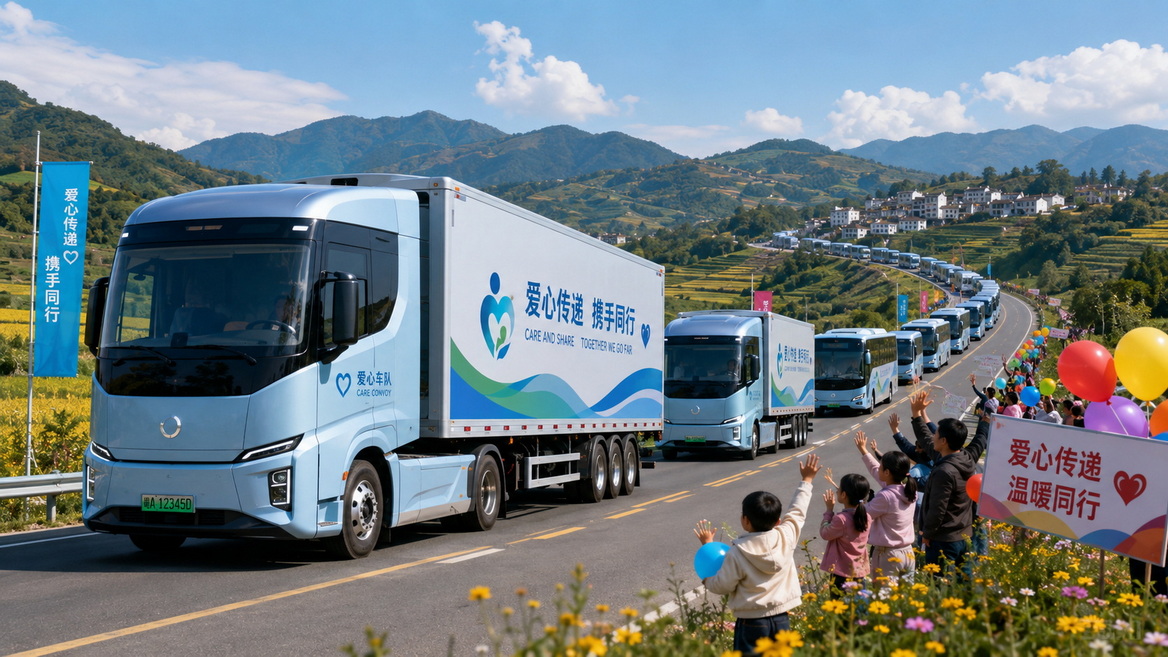
Nearly three decades ago, a single child's wish to ride in a big rig sparked a simple idea: invite truck drivers to create an unforgettable experience on Mother's Day. What began as a small act of kindness grew year by year as professional drivers volunteered their time, their vehicles, and their hearts.
Today, the Mother's Day Truck Convoy in Lancaster County is known worldwide as a landmark event. Hundreds of trucks line up for a carefully planned route, creating a powerful visual message of solidarity with children and families facing critical illness. Over time, the convoy has raised millions of dollars and earned recognition as one of the longest truck convoys ever organized.
For manufacturers and fleet operators, this tradition shows how ordinary commercial vehicles can become part of extraordinary stories. It demonstrates that buses and heavy trucks do not just move cargo; they carry meaning, memories, and support when people need it most.
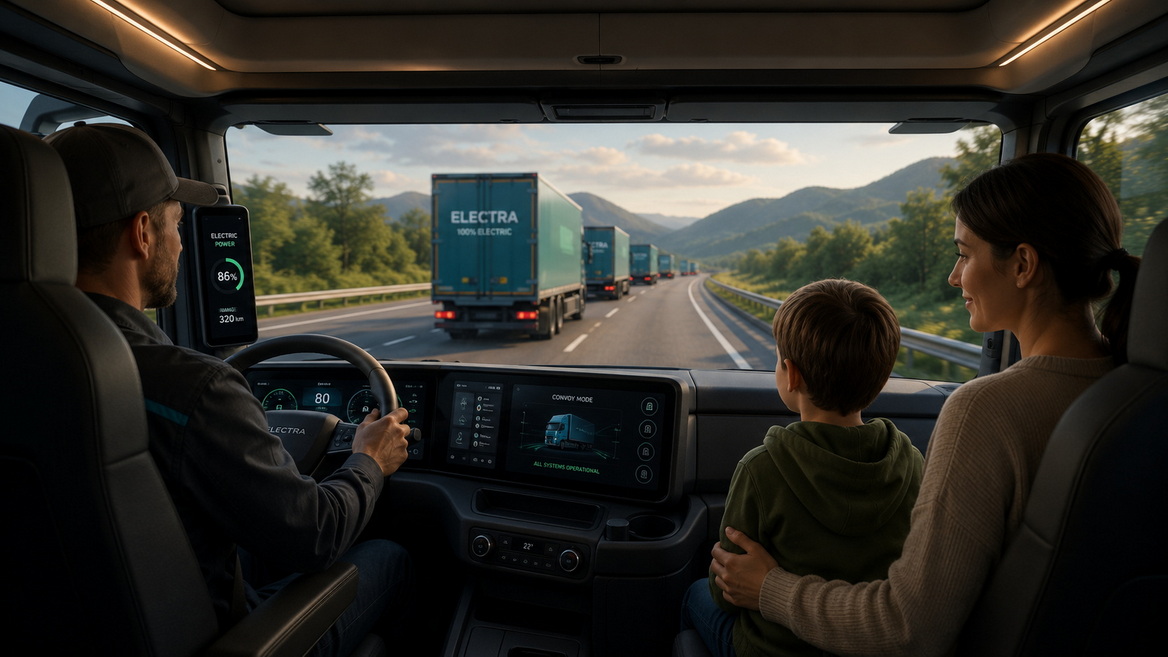
For the families who participate, a convoy is not only a spectacle. The ride itself becomes an important part of a child's broader journey through treatment and recovery. The experience of sitting in a truck cab, seeing crowds of supporters along the route, and feeling the strength of a coordinated fleet can change how a child and family view their circumstances.
Reliable, comfortable vehicles are central to making this experience safe and memorable. Well‑maintained trucks and buses ensure that children and caregivers can travel with confidence. Smooth rides, stable handling, and attentive drivers all contribute to a moment that families will remember long after the event ends.
This is where modern fleets, especially new energy vehicles, bring tangible benefits. Quiet drivetrains, reduced emissions, and improved ride quality help create a calm environment for children who may be sensitive to noise, vibration, or air quality. When a convoy is built around vehicles designed for comfort and sustainability, the journey itself becomes more dignified and reassuring.
Behind the scenes of any large convoy, there are companies that commit vehicles, logistics support, and expertise. In Lancaster County, a dedicated trucking company serves as the official partner, providing trucks and operational coordination for the event. The team ensures vehicles are ready, drivers are prepared, and the route is executed safely.
This role goes far beyond simple sponsorship. It requires understanding how to move large numbers of vehicles through public roads, coordinate schedules with families, and resolve practical challenges—from staging areas to communications and safety checks. When a company steps into this role, it becomes a long‑term partner in positive impact.
For KeyChain, which focuses on high‑performance buses, heavy‑duty trucks, and new energy vehicles for domestic and international customers, this model is highly relevant. It shows that manufacturers and exporters can support community events not only with equipment, but also with technical guidance, route planning knowledge, and fleet readiness. By doing so, they build deeper connections with drivers, families, and local organizers.
KeyChain operates at the intersection of technology, sustainability, and global logistics. When we look at large truck convoys through this lens, several practical advantages of new energy buses and heavy trucks become clear.
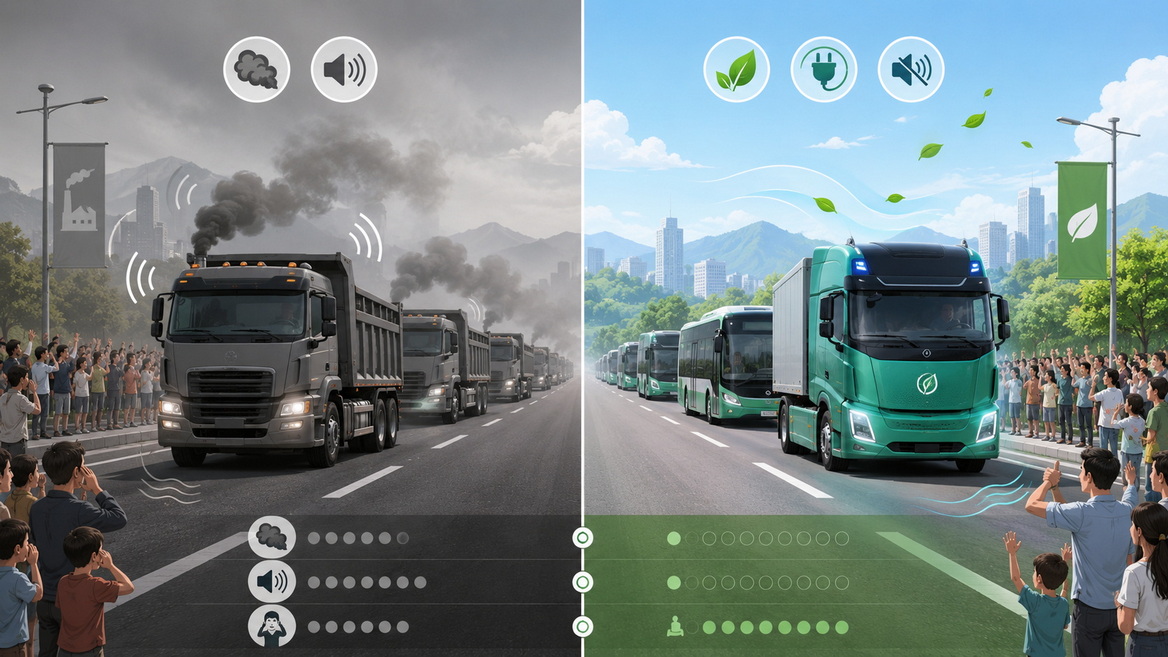
A convoy featuring hundreds of diesel trucks can generate significant local emissions along the route. For events that take place near neighborhoods, schools, and hospitals, this creates real environmental and health concerns. New energy heavy trucks and buses change this equation.
Battery‑electric and hybrid powertrains reduce or eliminate tailpipe emissions along the convoy route. Lower emissions help protect local air quality, especially for children and families lining the streets to watch the trucks pass by. For organizers, this translates into an event that celebrates courage while also honoring community well‑being.
From a fleet manager's perspective, this is more than a symbolic benefit. It signals that the organization understands modern environmental expectations and is willing to invest in technology that meets them.
Convoys rarely stand alone. Around them, organizers build family days, carnivals, live entertainment, auctions, and food stands. Trucks and buses often serve as mobile stages, backdrops, and gathering points.
New energy buses and heavy‑duty trucks are well suited to these roles. Quiet drivetrains make conversations and performances easier to hear. Modern interiors and adaptable body designs allow vehicles to host small exhibitions, safety education sessions, or interactive experiences for children.
In this way, fleets become mobile community spaces. Vehicles that are usually seen as utilitarian assets suddenly appear as friendly, accessible platforms for connection. This gives manufacturers and logistics partners an opportunity to show how their products fit into everyday life, beyond warehouses and ports.
One of the most moving aspects of any convoy is the role of drivers. These professionals spend much of their lives on the road, operating heavy equipment under demanding conditions. When they volunteer for a convoy, they bring not only their vehicles but also their commitment and skill.
Families often describe drivers as patient, respectful, and deeply engaged with the children they escort. For many kids, sharing a cab with a driver and hearing stories from the road becomes a highlight of the day. This interaction humanizes the trucking industry and reminds everyone that logistics is built on people, not just machines.
Fleet technicians, planners, and dispatchers contribute as well. They ensure vehicles are inspected, routes are mapped, and contingencies are considered. Without them, convoys could not scale safely. Recognizing their efforts is an important part of telling the full story of how logistics supports communities.
The experience of long‑running events such as the Mother's Day convoy provides a practical template that other organizations can adapt. New energy vehicle brands and logistics partners can use the following framework when planning their own large‑scale fleet events.
Any convoy should begin with a well‑defined purpose. Examples include supporting children with critical illnesses, promoting road safety, highlighting clean transportation, or raising funds for local health services. A clear purpose helps organizers select partners, design activities, and communicate with participants and communities.
This purpose should be stated simply and consistently across all materials so that families, drivers, and supporters know exactly what the event stands for.
Once the purpose is set, organizers can map the route and determine how many vehicles are needed and of which types. New energy buses may be ideal for transporting families and volunteers, while heavy‑duty trucks can anchor the convoy visually and support mobile exhibits or stages.
Key considerations include:
- Route length and terrain
- Expected payload and number of passengers
- Availability of charging or refueling infrastructure
- Safety requirements for public roads and event spaces
By matching vehicle capabilities to these factors, organizers can design a convoy that is both impressive and practical.
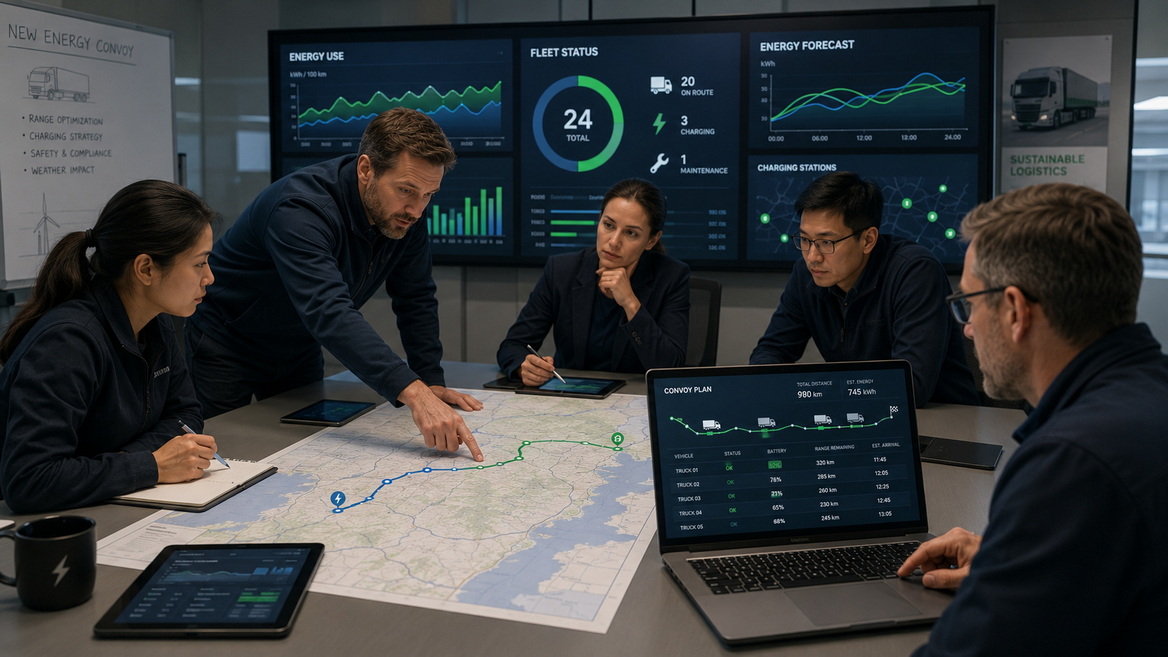
For new energy trucks and buses, energy planning is central. Organizers should work with fleet experts to estimate energy consumption, plan charging cycles, and build contingencies in case of delays or weather changes.
Simple planning steps include:
- Calculating expected energy use per kilometer
- Reserving buffer capacity for route changes or unexpected stops
- Coordinating charging windows with staging times
Well‑executed energy planning ensures that vehicles remain ready throughout the event and that drivers can focus on families and safety rather than anxiety about range.
After the event, organizers and fleet partners gain long‑term value by documenting what happened in a structured way. This can include:
- Number of participating vehicles
- Funds raised or beneficiaries supported
- Estimated emissions avoided by using new energy vehicles
- Feedback from families, drivers, and volunteers
When this information is captured clearly, it becomes a foundation for future events and for communication with stakeholders. It also helps organizers refine route design, vehicle mix, and logistics for the next convoy.
Convoy planning and new energy technology can be complex topics for non‑specialist readers. Clear formatting, short sections, and simple tables help people understand key points quickly.
| Aspect | Diesel Heavy Trucks nisonco | New Energy Heavy Trucks (KeyChain) linkedin+1 |
|---|---|---|
| Local emissions | High during large convoys | Low to very low, depending on drivetrain |
| Noise levels | Noticeable engine noise | Quieter operation for children and families |
| Fuel/energy cost volatility | Sensitive to fuel price spikes | More stable total cost of ownership |
| Public perception | Neutral to negative on emissions | Positive for sustainability and innovation |
| Branding potential | Standard fleet branding | Strong sustainability and innovation storytelling |
This simple view helps decision‑makers see why new energy fleets can be particularly suitable for high‑profile public events where comfort and community expectations are central.
Large‑scale convoys give fleet brands and vehicle manufacturers a chance to show how their products behave in real‑world, emotionally meaningful scenarios. They connect technical specifications—range, torque, braking performance, charging capacity—with human stories.
Families who ride in buses and trucks form impressions not only of the drivers but also of the vehicles themselves. Comfortable seating, quiet cabins, smooth acceleration, and accessible steps all influence whether an experience feels caring and safe. For children with health challenges, these details are especially important.
At the same time, businesses watching from the sidelines see how fleets handle coordination under pressure, how vehicles look and sound in motion, and how effectively organizers communicate. A well‑executed convoy can become a demonstration project for future collaborations, long‑term fleet contracts, and cross‑border partnerships.
For KeyChain, participating in or supporting such events aligns closely with the company's dedication to high‑performance buses, heavy trucks, and new energy solutions. It shows that technology and logistics can serve not just commercial goals, but also the broader needs of society.
Stories like the Mother's Day convoy remind us that buses and heavy‑duty trucks can carry more than goods. They can carry hope, encouragement, and unity when communities face difficult times. When fleets integrate modern new energy technology with thoughtful planning and genuine care for people, every kilometer of road becomes an opportunity to leave a positive mark.
By looking at convoys through this lens, manufacturers, exporters, fleet operators, and drivers can see their work in a new way. Each vehicle becomes part of a larger narrative about resilience and responsibility. Each journey becomes a chance to show that logistics is not only about efficiency, but also about humanity.
A1: It is a charity convoy in Lancaster County that raises funds for Make‑A‑Wish, and it shows how trucks and logistics companies can connect operations with social impact—an ideal context for new energy fleets.
A2: By replacing diesel trucks, NEVs cut tailpipe emissions, reduce noise, and stabilize energy costs, making large events more sustainable and more comfortable for vulnerable passengers.
A3: They should select suitable NEV models, plan charging and range, communicate environmental benefits to participants, and partner with experienced suppliers like KeyChain for technical support.
A4: encourages brands to showcase real operational experience, provide data‑backed expertise, cite authoritative sources, and maintain transparent partnerships, all of which strengthen content credibility and rankings.
A5: These initiatives demonstrate brand values, build trust with stakeholders, and create compelling stories that support long‑term relationships, contracts, and regulatory goodwill.
1. Penske Truck Leasing – "Penske Joins with Mother's Day Convoy to Help Grant 50 Wishes."
https://www.gopenske.com/blog/penske-joins-with-mothers-day-convoy-to-help-grant-50-wishes/
2. Make‑A‑Wish Philadelphia, Delaware & Susquehanna Valley – Mother's Day Truck Convoy information and event background.
3. NisonCo – Discussion of modern electric vehicle fleet strategies and their role in public‑facing events.
https://nisonco.com/tips-electrify-ev-seo-strategy/
4. Triple Minds – Analysis of marketing approaches for electric vehicle startups and fleet solutions.
https://tripleminds.co/blogs/startups/ev-marketing-strategies/
5. LinkedIn Industry Article – Overview of online visibility strategies for electric vehicle brands and fleet providers.


