
Views: 292 Author: Keychain Venture Publish Time: 2026-07-23 Origin: Site


Content Menu
● Why some vans cost less to insure
● How insurance groups affect van premiums
● What keeps van insurance affordable
● How to keep premiums under control
● Choosing the right van for your work
● FAQ
>> Which van is usually the cheapest to insure?
>> Are older vans cheaper to insure?
>> Is a smaller van always cheaper to insure?
>> Are electric vans more expensive to insure?
>> Can I reduce van insurance without changing the vehicle?
The cheapest vans to insure are usually those with lower repair costs, modest engine performance, strong security, and a low theft profile. Insurers also look at the vehicle's value, how it is used, where it is kept, and the driver's history.
A van that is easy to repair and not expensive to replace often falls into a more affordable insurance range. That is why compact vans and some older models tend to be cheaper than larger or more powerful commercial vehicles.
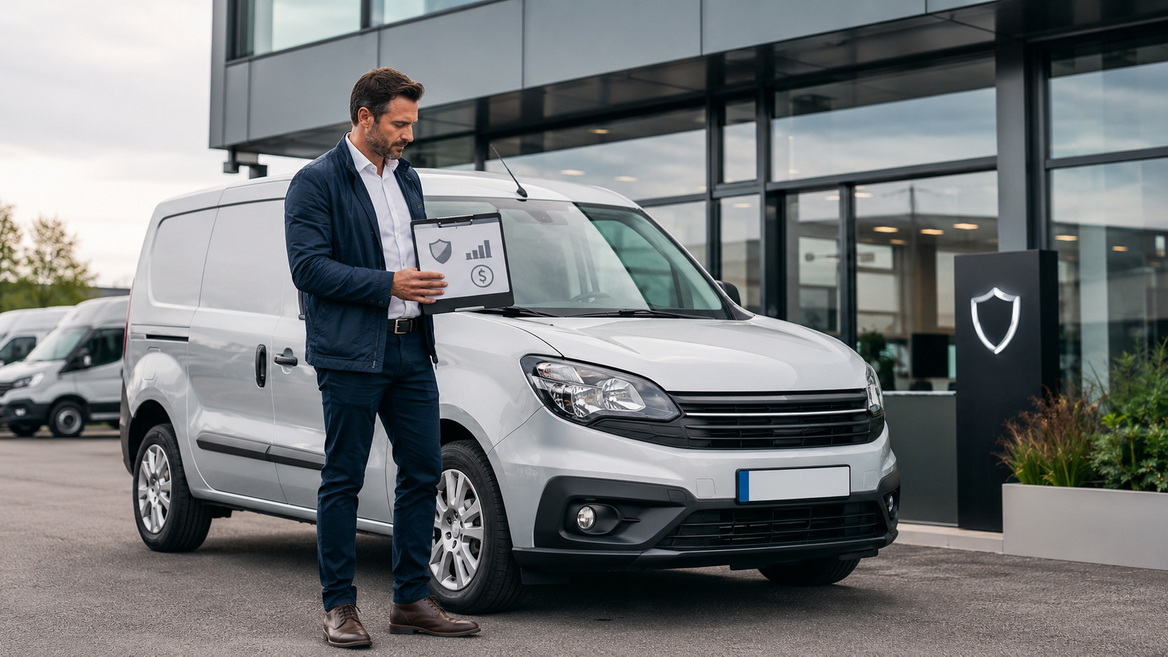
Van insurance groups are a useful starting point when comparing costs. In general, the lower the group, the lower the likely premium.
Older vans are often grouped in the lower bands, while newer models can move into higher groups because they may have more advanced equipment, a higher list price, and more expensive parts. Even so, a newer van can still be a sensible option if it offers a strong balance of cost, security, and usability.
Several factors usually help keep premiums down. The best examples are vans that are simple, practical, and not over-specified for the job.
- Compact size.
- Modest engine power.
- Good security features.
- Lower repair and replacement costs.
- No unnecessary modifications.
A van does not need to be the smallest model on the market to be affordable. It simply needs to match the work requirements without adding avoidable risk.
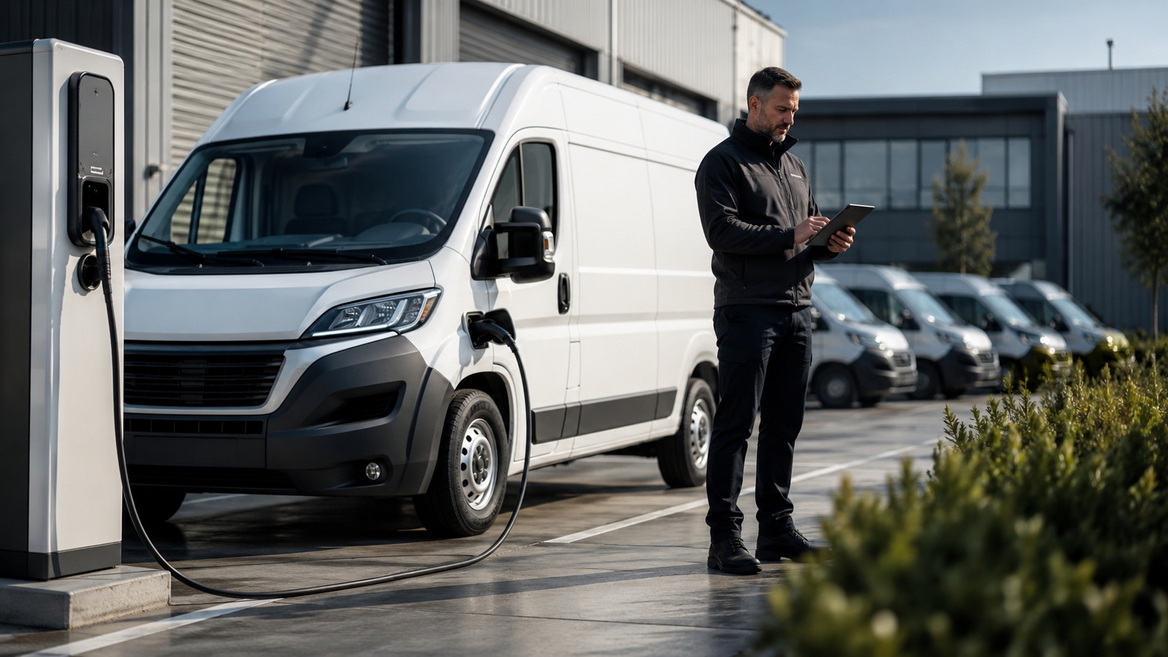
Electric vans can be attractive because of their lower running costs and cleaner operation. However, insurance pricing can work differently from conventional vans.
Battery repair, specialist servicing, and longer repair times may affect premiums. That does not mean electric vans are a bad choice; it simply means the insurance cost should be checked alongside charging, maintenance, and downtime.
For businesses that are planning ahead, electric vans may still make strong sense if the route profile, charging access, and total operating costs all align. In many cases, the best decision is based on the full ownership picture rather than insurance alone.
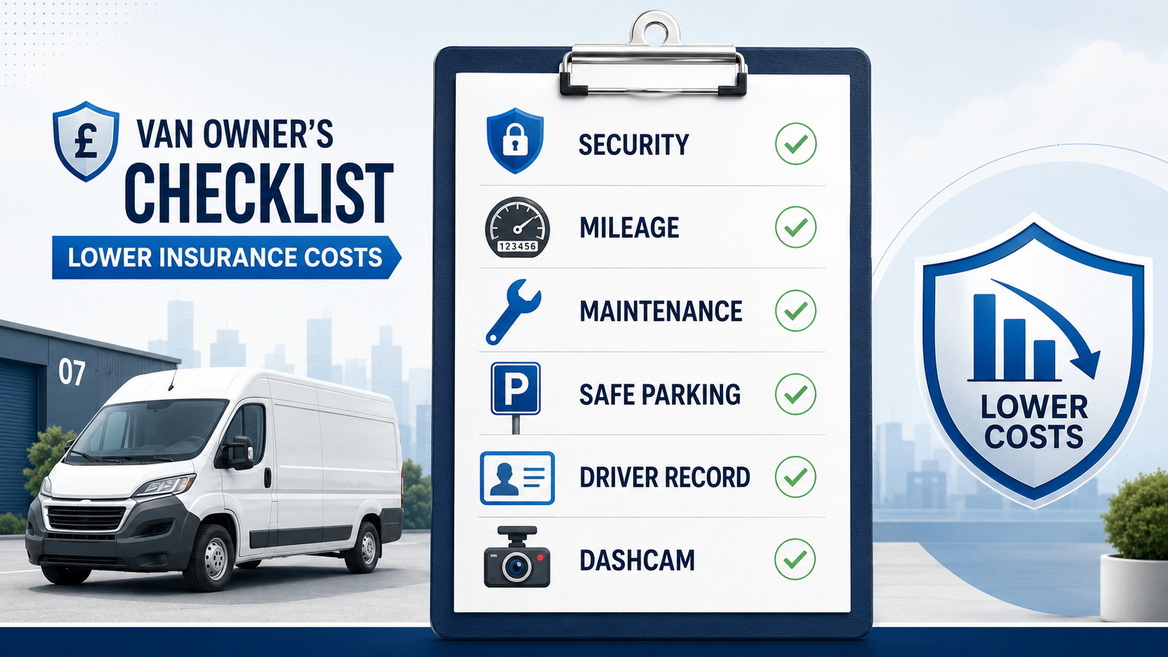
There are simple ways to reduce the cost of cover without changing your whole vehicle choice. These steps can make a meaningful difference over time.
1. Choose the smallest van that still fits the job.
2. Keep mileage realistic.
3. Improve security where possible.
4. Avoid modifications unless they are necessary.
5. Pay annually if budget allows.
These habits help insurers see the vehicle as lower risk. In many cases, that can improve the price you are offered.
The right van is not always the cheapest one to insure, and the cheapest one to insure is not always the best for the job. The best choice is the model that gives you the right balance of payload, size, comfort, and cost.
For light-duty urban work, a compact model may be the smartest option. For trade use with more equipment, a mid-size van may be more practical even if it costs a little more to insure.
If you want lower insurance costs, start with a van that is practical, simple, and suited to the real demands of your route and payload. Compact vans often lead the way, but mid-size models can still offer strong value when chosen carefully.
The best results usually come from comparing the vehicle, the insurance group, and the way the van will actually be used. That gives you a more accurate picture of long-term cost and day-to-day suitability.
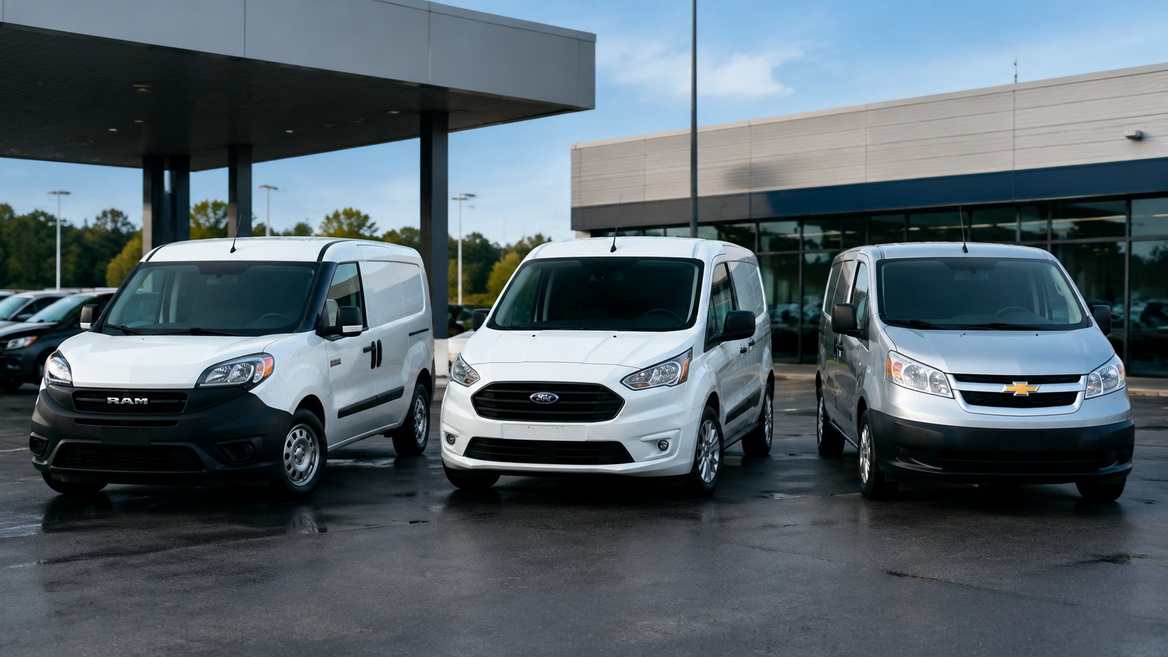
Compact vans such as the Citroën Berlingo, Ford Fiesta Van, Peugeot Partner, and Volkswagen Caddy are often among the more affordable choices.
Often yes, because older vans may sit in lower insurance groups and usually cost less to replace or repair.
Not always, but smaller vans are often cheaper because they tend to be less powerful and less expensive to repair.
They can be, because battery-related repairs and specialist parts may raise claim costs.
Yes. Better security, lower mileage, fewer modifications, and annual payment can all help reduce premiums.
- Evans Halshaw, "Top 5: Cheapest New and Used Vans to Insure in 2025" — https://www.evanshalshaw.com/blog/cheap-vans-to-insure/
- Howden Insurance, "The 10 cheapest vans to insure in 2026" — https://www.howdeninsurance.co.uk/personal/motor/van/van-insurance/guides/cheapest-van-to-insure/
- Howden Insurance, "Van insurance groups explained" — https://www.howdeninsurance.co.uk/personal/motor/van/van-insurance/guides/van-insurance-groups/
- Direct Line for Business, "Van Insurance Groups Explained" — https://www.directlineforbusiness.co.uk/van-insurance/insurance-groups-explained-and-listed
- Regit, "Which vans are cheap to insure?" — https://www.regit.cars/car-advice/van/which-vans-are-cheap-to-insure
- The Van Insurer, "What's the cheapest van to insure?" — https://www.thevaninsurer.co.uk/insurance-guides/whats-the-cheapest-van-to-insure/
- Tempcover, "Van insurance groups" — https://www.tempcover.com/front-cover/vans/van-insurance-groups
- UK Vans 4 Less, "Cheapest Van to Insure in the UK (2025 Guide)" — https://ukvans4less.co.uk/cheapest-van-to-insure-these-2025-picks-will-slash-your-insurance-costs/
- MoneySuperMarket, "Compare Cheap Van Insurance Quotes" — https://www.moneysupermarket.com/van-insurance/


