
Views: 283 Author: Keychain Venture Publish Time: 2026-07-24 Origin: Site


Content Menu
● What Makes Rental Truck Driving Different?
● Pre‑Trip Safety Checks for Rental Trucks and NEV Fleets
>> Confirm the Correct Fuel or Energy Source
>> Review Weather and Route Conditions
>> Adjust Mirrors and Seating for Maximum Visibility
● Understanding Vehicle Dimensions, Weight, and Handling
>> Know Your Vehicle Height and Length
>> Adapt Your Turning, Braking, and Lane Changes
>> Maintain a Safe Following Distance
● Legal Considerations: Weigh Stations and Truck‑Specific Rules
>> Weigh Stations and Restricted Routes
>> Carrying Documentation and Crossing Borders
● Securing the Vehicle, Cargo, and Passengers
>> Locking Doors and Stabilizing Cargo
>> Keeping Passengers Safely in the Cab
● Digital Tools and Vehicle Technology for Safer Operation
>> Support Apps and Remote Assistance
>> Telematics and Data for Fleets
● Expert Insights from a New Energy Vehicle and Heavy‑Duty Supplier
>> Treat Test Drives as Structured Trials
>> Training Drivers for New Energy Vehicle Behavior
● Structuring Information for Clarity
● Moving Forward with Safer, Smarter Truck Operations
● FAQs: Rental Truck and NEV Driving Safety
>> Q1: Are rental trucks harder to drive than cars?
>> Q2: Do I need a special license to drive a rental moving truck?
>> Q3: How far can an electric heavy‑duty truck travel on one charge?
>> Q4: What is the biggest safety mistake new rental truck drivers make?
>> Q5: How can fleets compare diesel and NEV trucks fairly during trials?
Driving a rental truck or heavy commercial vehicle is very different from driving a personal car, especially on unfamiliar routes or with fully loaded vehicles. The higher weight, different dimensions, and unique handling characteristics demand more planning and more discipline from every driver. This guide combines practical experience from long‑distance moves and fleet operations with insights from a New Energy Vehicle supplier to help you drive more safely and confidently.

A rental truck, bus, or heavy‑duty vehicle behaves in ways that can surprise drivers who are used only to passenger cars. The vehicle is often taller, heavier, and longer, which changes how it accelerates, turns, and stops. You also need to think more carefully about routes, parking, and low clearances such as bridges, tree branches, and building entrances.
For companies that operate large fleets or that are testing new heavy‑duty vehicles, how drivers handle a rental truck during a trial often becomes an early indicator of whether that vehicle fits the real‑world routes and loads. A well‑planned test run can reveal whether the truck delivers the right balance of performance, comfort, and safety under your typical operating conditions.
Before driving any rental truck, a systematic pre‑trip routine sets the tone for a safer journey. This routine should be simple enough for every driver to remember but thorough enough to catch common problems before they put people or cargo at risk.
One of the most expensive mistakes with rental trucks is using the wrong fuel or ignoring the vehicle's specific energy requirements. Before you leave the yard, check the labels near the fuel cap or on the visor to confirm whether the truck uses gasoline or diesel. If you are operating a battery‑electric or hybrid truck, make sure you understand the connector type, voltage requirements, and any available fast‑charging options.
For electric or plug‑in hybrid models, plan charging stops along your route and verify that the stations you intend to use are compatible with your truck. A few minutes of planning can prevent dangerous low‑range situations and unplanned downtime with a full load on board.
Weather has a much stronger impact on tall, box‑style trucks and buses than on low, compact cars. High crosswinds can push against the side of the vehicle, rain and snow increase stopping distances, and reduced visibility makes large blind spots even more dangerous.
Check the forecast along the entire route, not just for your departure city. In colder regions, prepare an emergency kit that includes warm clothing, blankets, non‑perishable food, water, a flashlight, and reflective warning triangles. In areas prone to heavy rain, fog, or dust storms, be prepared to slow down, increase your following distance, or even delay the trip until conditions improve.
Because rental trucks and buses have large blind spots, a careful mirror setup is one of the most effective safety measures you can take. Adjust the seat and steering wheel so you can reach all controls without stretching, then set the mirrors so that you can see both lanes beside you and the rear corners of the truck body.
If the truck has additional convex mirrors, use them to reduce blind spots near the rear wheels and along the sides of the cargo box. Before backing up, walk all the way around the vehicle to look for low obstacles, posts, pallets, or people. When possible, ask another person to guide you from a safe position outside the vehicle while you reverse slowly.
Awareness of your vehicle's dimensions and weight is fundamental to safe operation. Many incidents involving rental trucks come from drivers underestimating how long, tall, or heavy the vehicle really is.
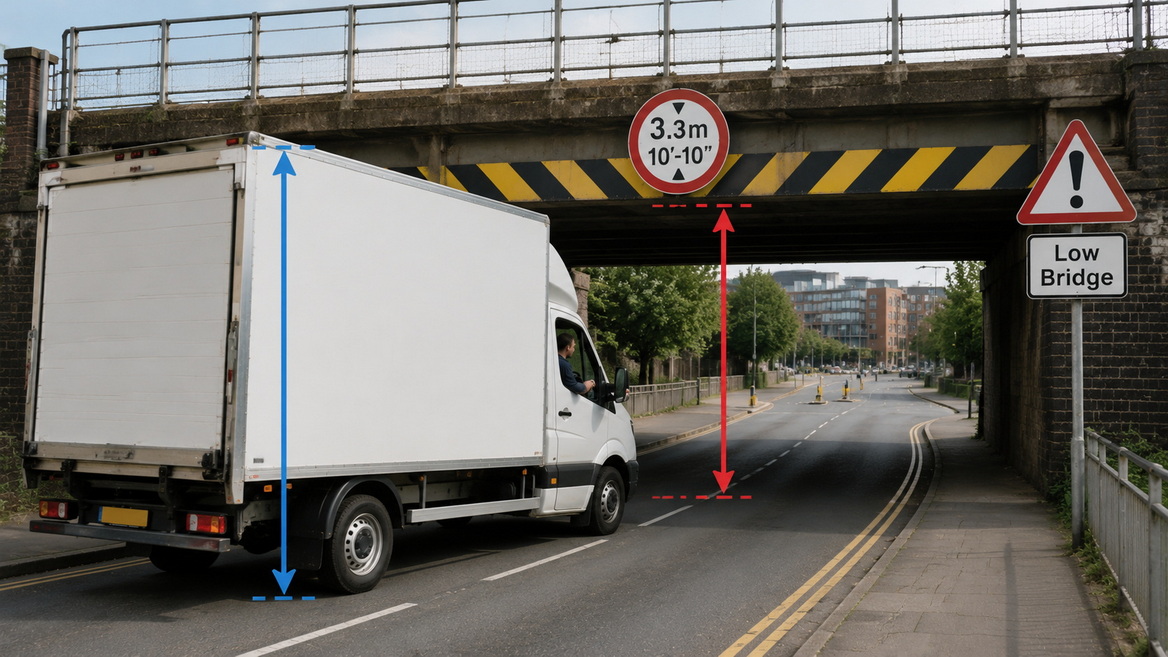
Most rental box trucks have the vehicle height displayed on the front or in the cab. Take a moment to memorize or write down this number before you start driving. Low overpasses, parking garages, tree branches, and building awnings that would easily clear a car can cause serious damage to a taller truck.
When approaching any structure with limited clearance and unclear signage, slow down and stop if you are not sure there is enough space. It is always better to delay the trip briefly than to risk striking a bridge or canopy with the roof of the truck.
Heavy vehicles take longer to accelerate, longer to stop, and require more space when turning. Take wider turns, especially right turns, to avoid running the rear wheels over curbs or into obstacles. Signal your turns and lane changes earlier than you would in a car so that other road users can anticipate your movements.
Because rental trucks are heavier, they need more distance to stop, particularly when fully loaded or traveling downhill. Press the brake pedal smoothly, avoid sudden inputs, and leave a generous gap between you and the vehicle ahead. On routes with long descents, use lower gears or built‑in braking systems when available to help control speed without overheating the service brakes.
Tailgating is especially dangerous in a heavy truck. The extra mass and higher center of gravity increase stopping distances and the risk of loss of control in emergency maneuvers. Leave at least several car lengths between you and the vehicle in front, and increase this distance in wet, icy, or congested conditions.
In many professional fleets, driver behavior is monitored for harsh braking and close following, because these habits strongly correlate with collision risk. Even without monitoring equipment, individual drivers can adopt the same cautious mindset and maintain space as a buffer against unpredictable situations.
Larger rental trucks often fall into categories that are subject to special regulations, even when they are temporarily used for a household move or a short‑term commercial job.
Depending on the gross vehicle weight, you may be required to stop at weigh stations along certain highways. Signs near the stations explain which vehicles must enter and which can continue past. If your truck meets or exceeds the posted weight threshold, follow the signs, slow down early, and enter the station as directed.
You must also avoid roads, tunnels, and bridges that prohibit trucks or impose tight weight or height limits. These restrictions are usually clearly marked, but they can appear with little warning in urban areas. Plan your route with these rules in mind, and avoid shortcuts that could take you through restricted zones.
The cab of the truck should contain essential documents such as registration and proof of insurance, often stored behind or above the driver's seat. Familiarize yourself with where these papers are located in case an officer or inspector requests them.
If your trip involves crossing borders or operating in another jurisdiction, confirm that the rental agreement allows this and that insurance applies everywhere you plan to drive. Companies that operate international fleets or test imported heavy‑duty vehicles should also confirm that the vehicles meet local standards and have the necessary certifications before putting them into service.
Safe driving begins with proper cargo and passenger management. A carefully handled truck can still be dangerous if the load is unstable or if people ride in unsafe positions.

Always close and secure all doors before moving the vehicle. On many box trucks, this means pulling down the rear roll‑up door and turning the latch in the locking direction. On swing‑out doors, close the left door first and the right door second so that seals and locking bars engage properly.
Inside the cargo area, use straps, load bars, blocks, and other restraints to keep items from moving. A sudden stop or tight corner can shift unsecured cargo, which may damage goods, affect vehicle balance, or injure someone when the doors are opened. Check the load at each major stop to ensure that nothing has come loose.
No one should ride in the cargo area of a box truck or enclosed van. These spaces are not designed for passengers, have no proper restraints, and offer no protection in a collision or rollover. All passengers must ride in designated seats in the cab with seatbelts properly fastened.
This rule applies equally to family trips, group moves, and commercial operations. A short distance or a slow speed does not make it safe to ride in the back, and even a minor collision can have severe consequences when people are unrestrained.
Modern rental trucks and heavy‑duty vehicles increasingly come equipped with digital support tools and driver‑assist technologies that can improve safety when used correctly.
Many rental providers offer mobile applications that connect drivers with roadside support, quick troubleshooting tips, and service locations. After signing the rental contract, download the relevant app and review its main functions so you know how to request help or find the nearest facility if needed.
Manufacturers of New Energy Vehicles often provide companion apps that display battery status, estimated range, and active alerts in real time. Learning how to interpret these indicators helps drivers adapt their speed, charging plan, and rest breaks instead of reacting only when the vehicle is already close to empty.
Fleet operators that rent or trial heavy‑duty vehicles can benefit from telematics systems that capture driving and performance data. Information about speed, braking patterns, route choices, energy use, and idle time helps managers understand how vehicles behave in real conditions.
When testing New Energy Vehicle trucks alongside traditional models, analyzing data from similar routes and loads allows a more accurate comparison of operating costs and driver experience. Over time, these insights support better vehicle selection, route design, and driver training.
KeyChain is a China‑based supplier and exporter of New Energy Vehicles, high‑quality buses, and heavy‑duty trucks. Working with customers across different countries and industries reveals patterns in how fleets successfully adopt new vehicle types and how drivers adapt to larger or more advanced trucks.
When a company rents or demos a heavy‑duty truck, it is tempting to take it on a generic route and rely on informal impressions. A more effective approach is to plan a route that closely matches the real workload, including city segments, highways, hills, and representative stop‑and‑go conditions.
The test run should be carried out with a realistic payload whenever possible, not an empty truck. An experienced driver who is comfortable with large vehicles should be assigned to the trip, ideally accompanied by a manager or engineer who can record feedback on comfort, visibility, noise, acceleration, braking, and overall confidence.
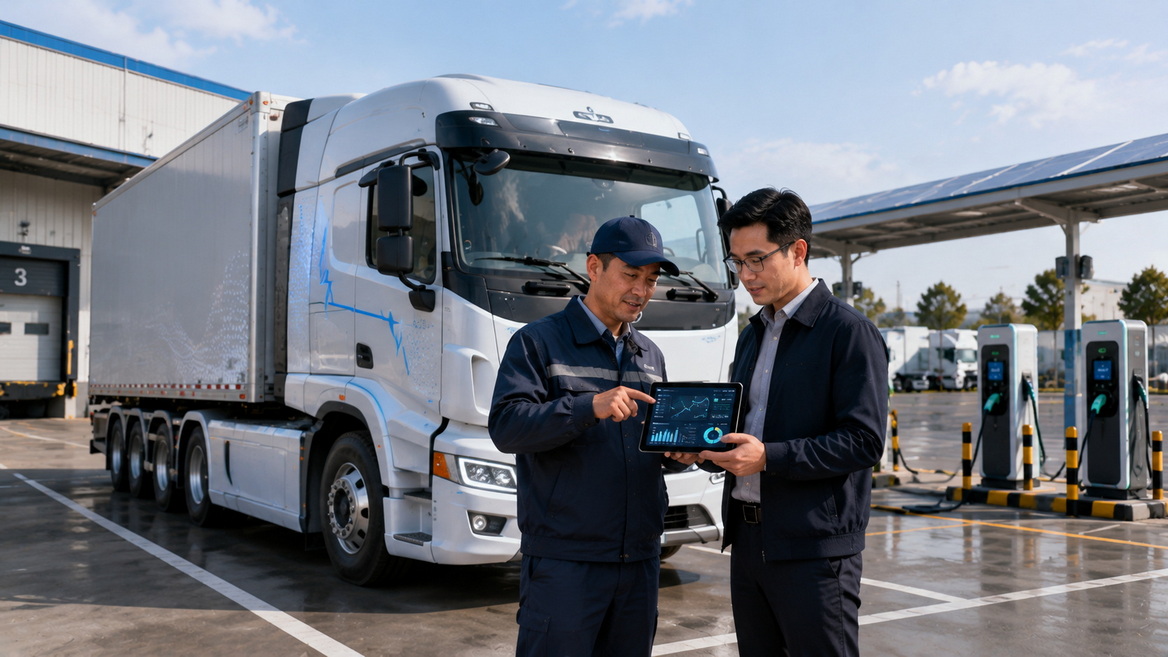
Drivers switching from conventional to New Energy Vehicle trucks notice differences in acceleration, braking, and energy management. Regenerative braking, for example, may slow the truck more aggressively when the driver releases the accelerator, and different driving modes can change how the system behaves.
Short, focused training sessions can introduce these characteristics before drivers go out on longer trips. Demonstrating how to use energy‑saving modes, how to plan charging or refueling stops, and how payload and weather affect range gives drivers the tools they need to operate confidently and efficiently.
Fleets that provide this kind of training early in the adoption process often experience smoother operations, fewer unexpected range issues, and higher driver acceptance of new vehicle technologies.
Thoughtful structure helps both human readers and digital systems understand the main topics and subtopics in an article. Using a single main heading for the title and clear subheadings for each major section makes the content easier to navigate.
Logical grouping of themes such as pre‑trip checks, vehicle handling, legal rules, cargo safety, and technology allows readers to scan quickly and jump to the sections that matter most to them. Consistent wording in headings and subheadings also makes it easier to connect related articles across a broader resource library on trucks, buses, and New Energy Vehicles.
Safe and efficient rental truck driving requires more than just basic familiarity with a steering wheel and pedals. It demands attention to vehicle dimensions, proactive planning, thoughtful handling, and respect for legal and physical limits. For individuals moving household goods, these habits protect families and belongings. For fleets and logistics companies, they protect drivers, cargo, equipment, and long‑term business reputation.
As New Energy Vehicles, high‑quality buses, and heavy‑duty trucks become central to modern transport solutions, combining traditional safe‑driving practices with new technologies and structured trials will only grow in importance. With the right preparation and mindset, every rental or test drive can become a safer and more informative experience that moves you closer to your transport and business goals.
A1: Yes. Rental trucks are taller, heavier, and less maneuverable than passenger vehicles, which affects turning, braking distances, and visibility. With basic training, proper mirror setup, and extra following distance, most drivers adjust quickly.
A2: In many regions, smaller rental trucks under a certain GVW can be driven with a standard driver's license, but heavier vehicles and passenger buses may require a commercial license or special endorsement. Always check local regulations and the rental company's terms before booking.
A3: Real‑world range depends on battery capacity, payload, terrain, driving style, and temperature. Modern NEV heavy trucks typically cover regional haul distances, and fleets can extend effective range through smart route planning and opportunity charging.
A4: The most common issues are tailgating, taking turns too tightly, and forgetting vehicle height near low overpasses or parking structures. All three problems are preventable with better route planning, safe following distances, and a constant awareness of vehicle dimensions.
A5: Use telematics to run both vehicle types on comparable routes and payloads, then compare energy use, driver feedback, uptime, and maintenance events over several weeks. This structured approach provides a realistic view of total cost of ownership and operational fit.
1. Penske Truck Leasing – "10 Rental Driving Tips – Penske Truck Rental".
https://www.gopenske.com/blog/rental/10-rental-driving-tips/
2. Triple Minds – "EV Marketing Strategies | SEO for EV Startups".
https://tripleminds.co/blogs/startups/ev-marketing-strategies/
3. SAG IPL – "Electric Vehicle SEO Services to Attract More Clients".
https://www.sagipl.com/seo-for-electric-vehicles.php
4. Panem Agency – "SEO for an Electric Vehicle Importer From the Ground Up".
https://panem.agency/seo-for-an-electric-vehicle-importer-from-the-ground-up


