
Views: 283 Author: Keychain Venture Publish Time: 2026-07-17 Origin: Site


Content Menu
● What Makes a 5‑Seater Van Different
● Key Benefits for Business and Everyday Use
>> Ford Transit Connect Double Cab‑in‑Van
>> Citroën Berlingo Crew Van and Electric Variants
● Electric and New‑Energy 5‑Seater Vans
>> Kia PV5 Crew
● Mid‑Size and Large 5‑Seater Vans
>> Volkswagen Transporter Kombi
>> Ford Transit Custom Double Cab‑in‑Van and Multicab
● Off‑Road‑Capable 5‑Seater Utility Vehicles
● How to Choose the Right 5‑Seater Van
● Practical Summary for Buyers and Fleet Managers
>> 1. Are five‑seater vans more expensive to run than standard vans?
>> 2. Can a five‑seater van be used for both work and family duties?
>> 3. Do electric five‑seater vans have enough range for daily business use?
>> 4. What is the main advantage of a crew van over a traditional panel van?
>> 5. How important is brand and model familiarity for fleet drivers?
Choosing the best van with 5 seats in 2026 is about balancing people, cargo and powertrain, while keeping an eye on operating costs and long‑term reliability. A well‑chosen five‑seater van can replace both a passenger car and a traditional panel van, streamline your fleet and make everyday journeys more comfortable for drivers and passengers.
Five‑seater vans are now available with diesel, hybrid and fully electric drivetrains, so it is possible to match a vehicle precisely to your routes, payload requirements and sustainability goals. This guide focuses on practical strengths, typical use cases and real‑world considerations that matter to both individual buyers and fleet decision‑makers.
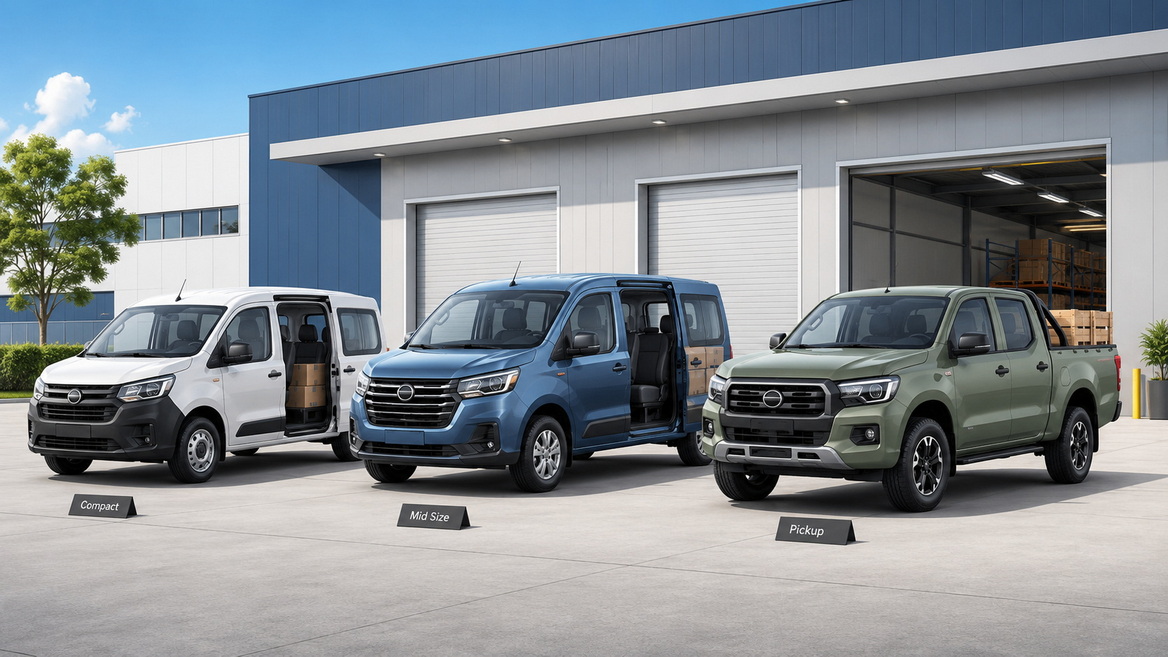
Five‑seater vans are often described as crew vans, double‑cab‑in‑van models or combi vans. What they share is a second row of seating combined with a useful load area, so they can carry both people and goods at the same time.
Most 5‑seater vans offer two or three front seats and a three‑seat rear bench, creating capacity for a small team or a family while still leaving room for tools, equipment or luggage. In many models the rear bench can be folded, removed or slid forward, turning the vehicle into a full load carrier when required.
For trades, service businesses and organisations that frequently move staff between sites, five‑seater vans reduce the need for separate passenger cars and cargo vans. Instead of splitting crews across multiple vehicles, one van can carry everyone together with what they need for the job.
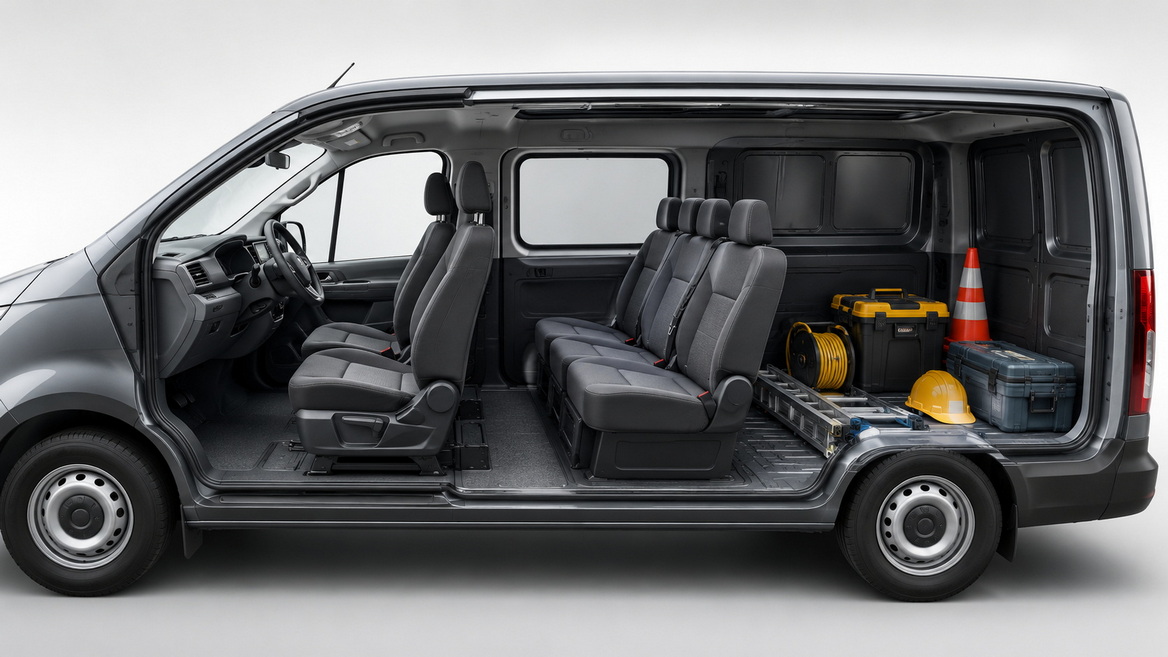
A five‑seat van can offer several advantages over a standard panel van or a traditional family car. Understanding these benefits helps clarify whether this body style fits your situation.
First, there is efficiency: one vehicle can transport people and cargo, reducing fuel costs, insurance and maintenance compared to operating two separate vehicles. Second, the crew‑van format provides flexibility, allowing a business to respond quickly to different jobs without changing vehicles.
Comfort and safety tend to be stronger than on older commercial models. Many modern crew vans use car‑derived interiors, improved sound insulation and advanced driver assistance systems, making long days on the road less tiring and safer for drivers and passengers alike. That matters both for family use and for organisations that value driver wellbeing.
The Ford Transit Connect Double Cab‑in‑Van is a compact solution for those who need both seats and load space in tight urban environments. Its flexible interior is built around a movable mesh bulkhead and a second row of seats that can fold to free up cargo room.
In practice, this means the Transit Connect can operate as a five‑seat crew vehicle during the day and convert to a more traditional van layout when it is time to carry larger loads. Long‑wheelbase versions provide extra space for bulky items, while keeping the overall footprint easy to park and manoeuvre in city streets.
With responsive engines and car‑like handling, the Transit Connect suits small contractors, maintenance teams and businesses with frequent stop‑start driving. It is a practical choice for operators who want one vehicle to do multiple jobs without stepping up to a much larger van.
The Citroën Berlingo Crew Van has become a reference point for compact five‑seater vans. It combines a comfortable second row of seats with the ability to carry serious payload, making it useful for trades and service roles where both people and equipment are essential.
Diesel versions offer a good balance between performance and fuel economy, while the electric variant provides quiet operation and zero tailpipe emissions for routes that stay mostly within a city. Load space remains competitive even with all five seats in use, and it expands significantly when the rear bench is folded.
Because the Berlingo shares its underlying platform with similar models from other brands, fleet operators can standardise across several badges without sacrificing parts commonality or servicing familiarity. That makes it easier to manage larger fleets over time.
The Volkswagen Caddy Kombi brings a more car‑like feel to the compact crew‑van segment. Its second‑row bench folds and locks behind the front seats, effectively creating a secure barrier to separate passengers from cargo when needed.
Short‑wheelbase versions suit city‑based work and small families who need occasional extra load capacity, while long‑wheelbase variants offer more room behind the rear seats and greater flexibility for mixed use. The Caddy's interior feels closer to a passenger car than some rivals, which appeals to drivers who spend many hours on the road.
For small businesses that rely on a single vehicle for commuting, errands and contract work, the Caddy Kombi offers a practical middle ground. It is compact enough to handle everyday tasks while still functioning as a capable van when required.
The Nissan E‑NV200 Combi was one of the first widely available electric vans with five seats, and it remains a useful option for urban operations. Its electric drivetrain offers smooth, quiet acceleration and predictable running costs, especially where electricity prices are favourable compared with fuel.
With the rear seats folded, the E‑NV200 can carry a significant volume of cargo, and even with all seats occupied there is enough space for tools or luggage. It is particularly suited to last‑mile delivery, city‑centre service work and shuttle roles where daily mileage is moderate and charging can be planned.
For organisations experimenting with electrification, the E‑NV200 demonstrates how a five‑seat van can fit into city operations without compromising basic usability.
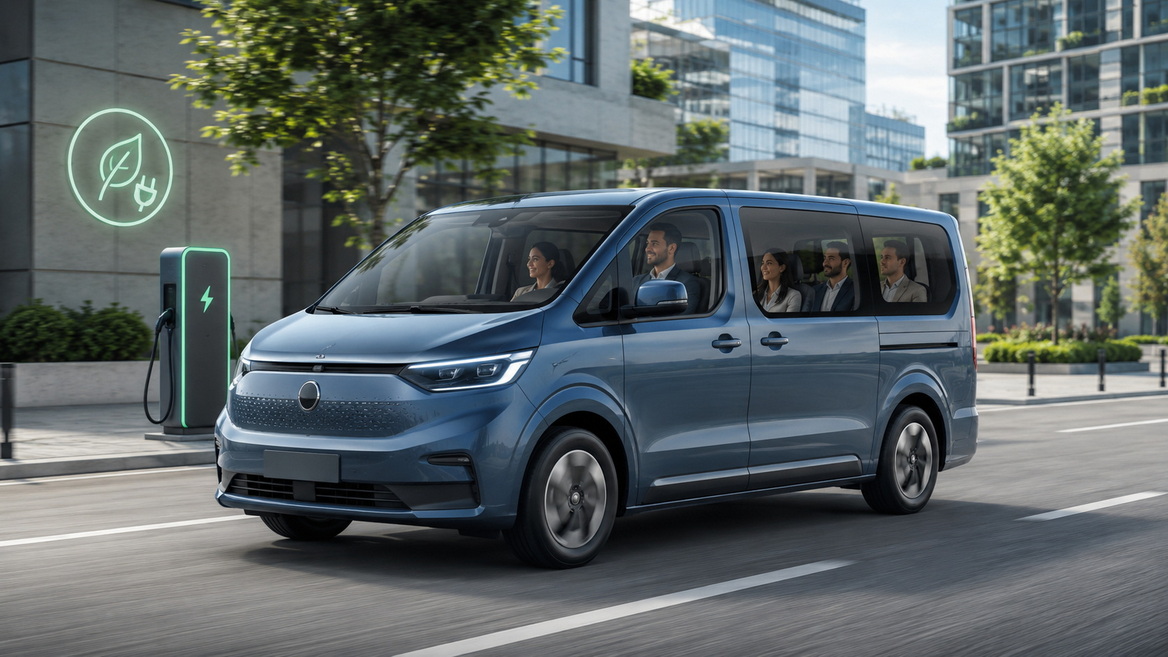
The Volkswagen ID. Buzz is a modern interpretation of the classic people carrier, offering a five‑seat layout with an all‑electric drivetrain. It targets buyers who care about image, comfort and sustainability alongside practicality.
Inside, there is a flexible seating arrangement and useful boot space for luggage or equipment. Electric range is designed to cover typical daily routes comfortably, with the possibility of supporting regional journeys when charging stops are planned.
The ID. Buzz suits lifestyle‑oriented businesses, premium shuttle services and families who need more space than a traditional car but prefer something distinctive and modern. It shows how a five‑seat vehicle can feel special without abandoning core utility.
The Kia PV5 Crew is built on a modular platform designed specifically for flexible commercial use. The crew configuration blends a second row of seats with a load area that can be reconfigured as needs evolve.
Battery options are tailored to different duty cycles, from dense urban loops to longer runs that still fit within a day's work. Range figures support both local operations and regional trips when planned sensibly.
Because the PV5 platform is designed to adapt to multiple body types, it can fit into fleets that expect their roles to change over time. The crew version makes sense for mobile services, delivery work and organisations that anticipate evolving transport needs.
The Volkswagen Transporter Kombi is a longstanding favourite among trades and small businesses. It combines a spacious cargo area with a rear bench seat, providing true five‑seat capacity and serious load volume.
Short‑wheelbase and long‑wheelbase versions offer different combinations of interior space and manoeuvrability. In higher trims, the Transporter can feel more like an executive vehicle than a bare‑bones van, with upgraded seating and comfort features.
This mix of practicality and comfort makes the Transporter Kombi suitable for drivers who need to visit clients, carry materials and maintain a professional image. It is also popular with families and leisure users who value space and robustness.
The Ford Transit Custom has become one of the most recognisable vans on the road, and its five‑seat derivatives are widely used in business and public‑sector fleets. The Double Cab‑in‑Van and Multicab layouts offer different balances between seats and cargo.
In the Multicab version, the rear bench can be folded or removed to maximise load space when required. This creates a highly versatile interior that can switch between full crew transport and pure cargo duty without needing a different vehicle.
The Transit Custom range includes traditional diesel engines as well as electrified options. This gives organisations the opportunity to choose drivetrains that match their routes, budgets and future plans, all within a familiar and widely supported platform.
Although technically a pickup rather than a van, the Ford Ranger Double Cab is often used as a five‑seat workhorse in demanding environments. It offers a full cabin for passengers and an open load bed for materials, tools and equipment.
For operations in construction, agriculture or forestry, the Ranger's off‑road capability and towing strength are valuable. Four‑wheel drive systems and robust suspension help it tackle rough tracks and adverse weather conditions more confidently than many conventional vans.
The Ranger Double Cab is therefore a strong candidate for organisations that work beyond paved roads but still need comfortable seating for a team. It bridges the gap between traditional vans and rugged off‑road vehicles.
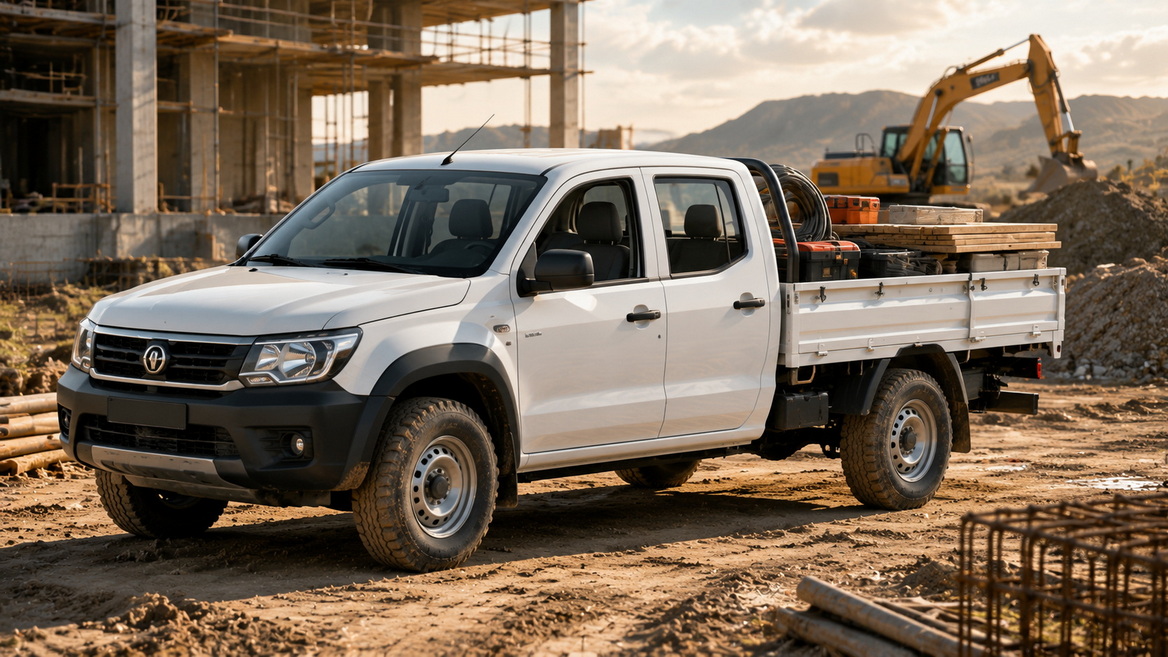
Selecting a five‑seat van is easier when broken down into a few practical questions. The right answer depends on how and where the vehicle will be used.
First, consider duty cycle. If most journeys are short and within cities, compact vans or electric models may provide the best balance of manoeuvrability and running costs. For longer mixed routes, mid‑size vans with efficient engines can be more suitable.
Second, think about payload and cargo volume. Heavy tools and materials require vehicles with stronger payload ratings and larger load areas, while lighter equipment can work well in compact vans that reduce fuel use and are easier to park.
Third, reflect on image and comfort. Customer‑facing roles benefit from vehicles with tidy interiors and a professional appearance, while hard‑use environments may prioritise toughness and ease of cleaning.
Finally, assess the wider context. Infrastructure, workshop facilities and driver familiarity all play a part in deciding which model fits best. Taking time to map your current and future needs helps ensure that a chosen five‑seater van remains useful for years.
Five‑seater vans occupy an important niche between passenger cars and traditional panel vans. They support businesses that move both people and cargo, and they serve families who need more flexibility than a standard car can provide.
Compact crew vans suit trades and service businesses working primarily in cities. Mid‑size and large vans are ideal for operations that involve heavier loads or longer routes. Off‑road‑capable double cab pickups support work in challenging environments.
Across all categories, the most suitable choice depends on daily mileage, payload, typical routes and expectations about future changes. Understanding these factors makes it easier to match specific models to real‑world requirements and avoid costly mismatches.
Not necessarily. While they may carry extra weight due to additional seats and trim, they can replace separate passenger cars and cargo vans. This consolidation can lower overall fuel, insurance and maintenance costs if managed carefully.
Yes. Many buyers choose crew vans specifically to cover weekday business duties and weekend family use. The key is to check cabin comfort, safety features and how easily seats can be adjusted or folded to accommodate different tasks.
For typical urban and suburban routes, most modern electric five‑seater vans offer sufficient range, provided there is access to charging at depots, workplaces or public stations. Planning routes and charging windows in advance helps avoid range anxiety.
The main advantage is the ability to carry a team and cargo together. A crew van keeps staff in one vehicle while transporting equipment or materials, simplifying logistics, reducing parking requirements and improving coordination on site.
Brand and model familiarity can be significant. Drivers who know a vehicle well tend to be more confident and may operate it more efficiently. Consistency across a fleet also simplifies training, maintenance and parts stocking, helping reduce downtime.
Evans Halshaw – "10 of the Best Five‑Seater Vans in 2026" (model descriptions, payloads, ranges, and FAQs).
https://www.evanshalshaw.com/blog/best-vans-with-5-seats/
Dongfeng Liuzhou Motor – "Wholesale New Energy Vehicle (NEV)" (industry growth data and NEV market context).
https://www.dfvehicle.com/new-energy-vehicle-nev/
Xiamen King Long United Automotive – "China Bus Maker, New Energy Vehicle Manufacturer" (export volumes and global NEV footprint).
ICCT – "Race to zero: Zero‑emission bus and truck market in China" (zero‑emission HDV trends).
https://theicct.org/publication/r2z-zero-emission-hdv-china-2023-aug24/
KeyChain‑related NEV export context (China New Energy Vehicles exporter).


