
Views: 239 Author: Keychain Venture Publish Time: 2026-07-15 Origin: Site


Content Menu
● Why Rear‑Wheel‑Drive Still Matters In A New Energy Era
● Key Rear‑Wheel‑Drive Icons On The Used Market
>> Mazda MX‑5: Lightweight Engagement For Personal Drivers
>> BMW 2 Series: Everyday Usability With Rear‑Drive Balance
>> Mercedes‑Benz C‑Class: Rear‑Drive Executive Comfort
>> Ford Mustang: Rear‑Drive Heritage And Emotional Value
>> Toyota GT86: Rear‑Drive Precision At Accessible Cost
● How Rear‑Drive Principles Translate Into Modern New Energy Buses And Trucks
● What Fleet Buyers Should Look For In New Energy Rear‑Drive Buses And Trucks
● Used Rear‑Wheel‑Drive Cars Vs New Energy Commercial Vehicles
● Real‑World Industry Trends Supporting The Shift
● Practical Steps For Buyers Evaluating Both Used Cars And New Energy Buses
● Frequently Asked Questions (FAQ)
>> Q2: Does a rear‑drive layout make an electric bus or truck more efficient?
>> Q3: How reliable are Chinese new energy buses and trucks for export markets?
>> Q4: What is the typical range of a modern electric heavy‑duty truck?
Rear‑wheel‑drive and modern new energy commercial vehicles may look like two different worlds, but as someone who works day‑to‑day with heavy buses and trucks for international clients, I see them as part of the same story: choosing the right machine for the job, and for the road ahead. For drivers, fleet managers and business owners, understanding how traditional used rear‑wheel‑drive cars fit alongside electric and hybrid buses and trucks helps you balance cost, performance and long‑term reliability.
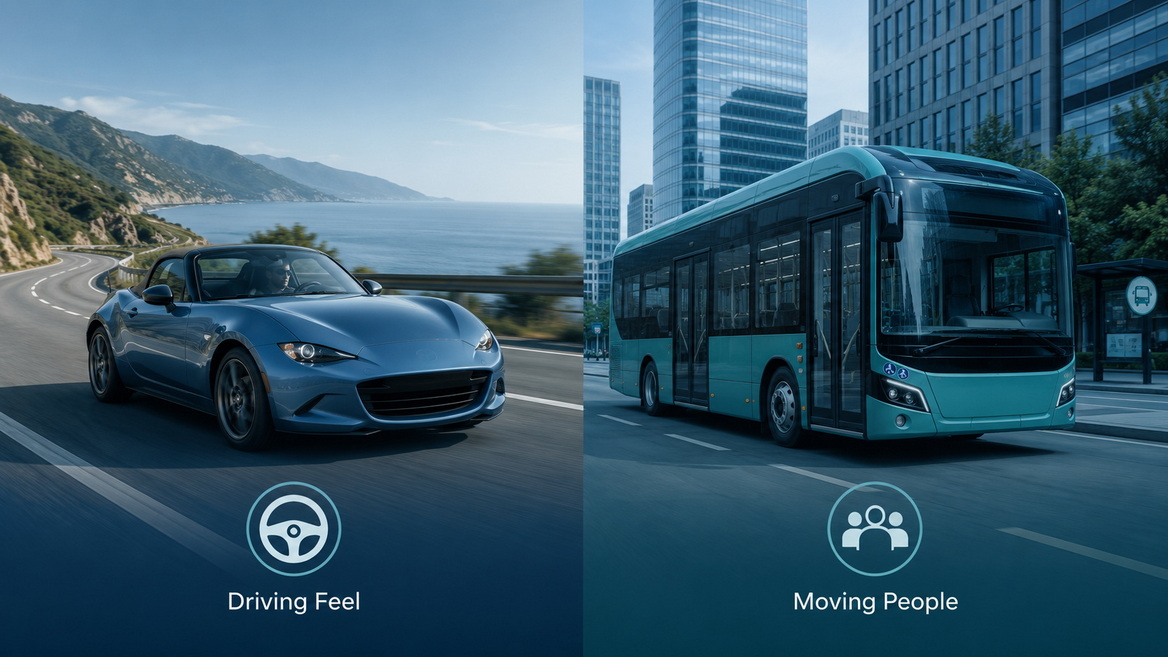
Enthusiast drivers have long associated rear‑wheel‑drive with a more engaging, balanced and predictable driving experience. By sending torque to the rear axle, manufacturers can optimize weight distribution, improve traction under load, and free the front wheels to focus on steering input. This layout is also common across heavy‑duty buses and trucks, where stability under braking and cornering is critical with a full passenger or cargo load.
From a commercial perspective, rear‑wheel‑drive has three enduring advantages:
- Predictable handling under load, especially for long‑wheelbase vehicles with high centers of gravity.
- Robust driveline layouts that adapt well to both diesel and electric powertrains.
- Proven serviceability in markets where technicians and parts networks are already familiar with rear‑drive platforms.
As a supplier exporting new energy buses and trucks from China, I see many fleets gradually replacing combustion vehicles with battery‑electric and hybrid models, but still staying with rear‑drive platforms to protect driving characteristics and driver familiarity.
The original article that inspired this piece focuses on five popular rear‑wheel‑drive cars that remain attractive on the used market. From an expert buyer's point of view, they represent different use cases and risk profiles.
The Mazda MX‑5 is widely regarded as one of the best lightweight rear‑wheel‑drive roadsters ever produced, thanks to its compact body, low curb weight and responsive steering. It prioritizes driving engagement rather than outright speed, with engines that feel eager rather than overwhelming, making it ideal for drivers wanting pure feedback without the complexity of high‑power performance cars.
From a practical standpoint:
- Two seats and a convertible top make it a personal leisure car, not a work tool.
- The small footprint is helpful in dense urban environments and narrow streets.
- Long‑term parts support is strong in most export markets, which reduces ownership risk.
For business owners, the MX‑5 is rarely a fleet choice, but it is often the personal car of someone who spends their professional life in buses or trucks and wants something more playful in their off hours.
The BMW 2 Series coupe offers a blend of rear‑drive handling and everyday practicality, sitting between the compact 1 Series and larger 3 Series. Enthusiasts appreciate its responsive steering and composed chassis, while commuters value its refined interior and long‑distance comfort.
Typical strengths:
- Multiple engine options, from efficient diesels to higher‑output petrol units.
- Comfortable cabin and good refinement for highway driving.
- Strong residual values in many markets due to brand perception.
For buyers who manage fleets of buses or heavy trucks, a used 2 Series can serve as a personal commuter car that mirrors the rear‑drive feel they are used to in larger commercial vehicles.
The Mercedes‑Benz C‑Class demonstrates how rear‑wheel‑drive can support a premium executive saloon with strong refinement and chassis balance. With saloon, estate, coupe and convertible variants, it captures a wide range of use cases from formal business transport to family travel.
Key considerations:
- Wide engine range, including efficient four‑cylinders and more powerful AMG variants.
- High‑quality cabin materials and advanced driver assistance systems.
- Strong long‑distance comfort, which matters for frequent intercity journeys.
For managers responsible for shuttle services or corporate mobility, the C‑Class offers a useful benchmark when specifying premium passenger‑focused buses, where quiet cabins and ride quality are just as important as mechanical durability.
The Ford Mustang remains one of the most recognizable rear‑drive muscle cars, with a long heritage and loyal enthusiast base. Modern generations typically feature a 5.0‑litre V8 and a smaller turbocharged unit, both feeding the rear axle to produce strong acceleration and dramatic sound.
Why some buyers still choose it:
- Emotional connection to the brand and heritage.
- Strong aftermarket tuning and customization ecosystem.
- High impact for marketing or promotional uses, where vehicle presence matters.
For commercial operators, a Mustang is rarely a functional asset but can be a branding tool, appearing in promotional campaigns or events alongside new energy buses and trucks to tell a story of performance and innovation.
The Toyota GT86 is a compact rear‑wheel‑drive coupe with a naturally aspirated 2.0‑litre engine, designed to emphasize chassis feedback and cornering stability rather than straight‑line speed. Early reviews consistently highlighted its ability to reward smooth driving input and maintain balanced handling.
Key benefits:
- Moderate power output, which reduces drivetrain stress and potential wear.
- Strong balance between everyday usability and occasional spirited driving.
- Competitive pricing on the used market relative to its dynamic capability.
For buyers in export markets where road conditions and regulations vary, the GT86 is often viewed as a safe enthusiast choice that doesn't demand extreme insurance or maintenance budgets.
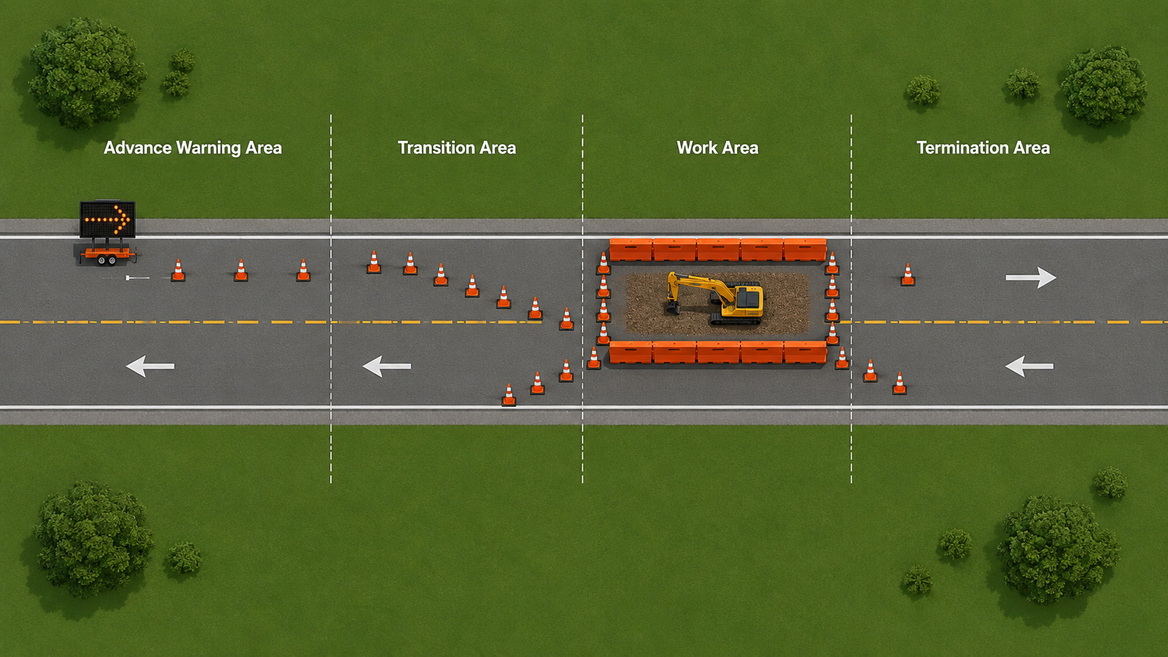
When we move from used passenger cars to new energy buses and heavy trucks, the question changes from "Which car is the most fun?" to "Which vehicle delivers consistent performance, range and lifetime value?" Yet the underlying physics of rear‑drive still matter, especially for long vehicles under heavy loads.
Across China's rapidly growing new energy commercial vehicle market, rear‑drive layouts remain common, paired with battery‑electric and plug‑in hybrid powertrains. Several trends stand out:
- Dedicated electric rear axles on buses and trucks, with integrated motors and reduction gearboxes.
- Large battery packs (for example, 500–1,165 kWh on some heavy trucks) providing ranges from roughly 350 to 800 km depending on configuration and duty cycle. - Regenerative braking strategies tuned for heavy loads, using rear motors to recover energy while maintaining stability.
For international buyers, this means you can migrate to zero‑emission or low‑emission vehicles without giving up familiar rear‑drive dynamics or core chassis architectures.
Drawing on practical export experience, there are several priority checks when assessing new energy rear‑drive commercial vehicles:
1. Battery capacity and usable range
- Match capacity to your actual route distances, climate and topography.
- For heavy‑duty trucks, ranges up to several hundred kilometers per charge are now realistic in China‑built models.
2. Charging infrastructure compatibility
- Confirm connector standards and charging speeds across your depots and partner networks.
- Consider overnight depot charging for buses and opportunity charging for high‑frequency routes.
3. Rear‑axle motor design and durability
- Ask for documentation on motor cooling, protection ratings and service intervals.
- Check whether the design supports high torque at low speeds for hill starts and urban operation.
4. Total cost of ownership (TCO)
- Calculate energy cost per kilometer, maintenance intervals and battery replacement timelines.
- Compare with existing combustion fleets to build a realistic payback model.
5. After‑sales support and parts availability
- Confirm the presence of local partners and training programs for technicians. - Verify parts lead times for high‑wear items, including brake components and suspension parts.
These considerations help bridge the gap between personal car comparisons and the much more complex decision‑making process behind an investment in new energy buses and trucks.

The table below summarizes how a typical rear‑wheel‑drive enthusiast car compares with a modern new energy bus or heavy truck in key dimensions relevant to owners and fleet managers.
| Aspect | Used RWD car (e.g., MX‑5, 2 Series, GT86) | New energy rear‑drive bus/truck |
|---|---|---|
| Primary purpose | Personal transport and driving enjoymentevanshalshaw | Passenger or freight transport at scaletheicct |
| Powertrain | Petrol or diesel combustion | Battery‑electric or hybrid systemstheicct |
| Layout | Front engine, rear‑drive | Rear‑mounted electric motor or e‑axletheicct |
| Range focus | Occasional long trips, mostly mixed use | Predictable daily routes and duty cyclestheicct |
| Key value metric | Driver engagement, brand, comfort | TCO, reliability, payload, uptimeinteractanalysis+1 |
| Emissions profile | Higher CO₂ and local pollutants | Low or zero tailpipe emissionstheicct |
This contrast shows why some owners may keep a used rear‑wheel‑drive car for personal pleasure while transitioning their business or fleet operations to new energy commercial vehicles sourced from specialist exporters.
Recent market analyses highlight how competitive and fast‑moving the Chinese new energy bus and truck sector has become. Over a hundred manufacturers are active, but registrations are heavily concentrated among the top players, who invest continuously in battery technology, e‑axle design and intelligent fleet management systems.
Several data‑driven observations matter for international buyers:
- Registrations of new energy commercial vehicles in China have continued to grow, even as overall bus and truck sales remain relatively flat.
- Long‑range heavy truck models with battery capacities exceeding 500 kWh are increasingly common, aimed at reducing range anxiety on intercity routes.
- Dedicated zero‑emission bus platforms are being tested in harsh climates, including sub‑zero temperatures, to validate battery performance and cabin heating efficiency.
As an exporter working within this environment, I can confirm that international inquiries increasingly focus on long‑range electric buses, mining‑area commuter vehicles and heavy‑duty trucks, especially from regions with strong decarbonization policies or urban clean‑air programs.
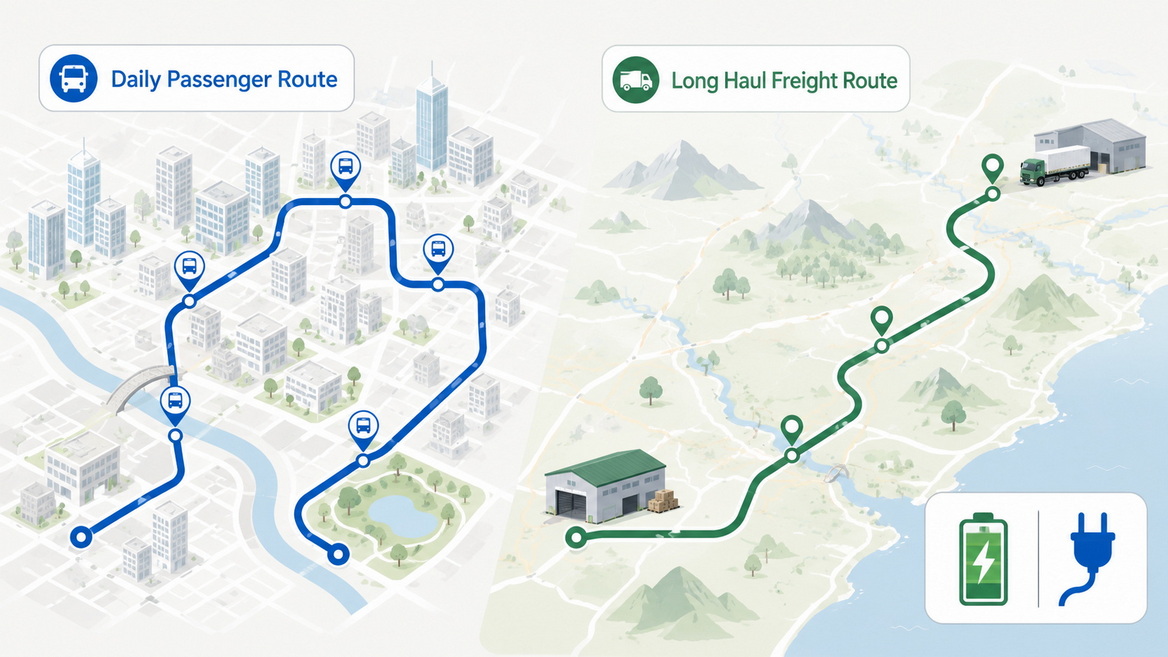
To make informed decisions, both individual buyers and fleet managers can follow a structured evaluation process:
1. Clarify primary use case
- Personal commuting and leisure driving vs scheduled passenger transport or logistics operations.
2. Define budget and lifecycle horizon
- For a used rear‑wheel‑drive car, consider purchase price, 3–5‑year servicing, and potential depreciation.
- For new energy buses or trucks, map a 7–10‑year lifecycle including batteries and major overhauls.
3. Assess infrastructure and local support
- For cars, this is mostly fuel availability and standard servicing.
- For buses and trucks, it involves charging or refueling depots, trained technicians and local parts supply.
4. Evaluate regulatory environment
- Determine whether low‑emission zones, city restrictions or financial incentives favor modern new energy commercial vehicles.
5. Compare total mobility value
- In many cases, one used rear‑drive car improves individual driving enjoyment, while a single new energy bus or truck reshapes the cost and emission profile of an entire route or operation.
This structured approach ensures that decisions are grounded in measurable outcomes rather than purely emotional preferences.
Yes, many owners separate personal driving enjoyment from business fleet requirements, keeping a rear‑drive car for leisure while transitioning their commercial operations to new energy buses and trucks.
Efficiency depends on the whole system—including battery chemistry, motor design and route profile—but rear‑drive layouts can improve traction and durability under heavy loads, which indirectly supports consistent energy use.
Leading manufacturers in China now supply thousands of units domestically and abroad, supported by structured after‑sales networks and continuous product testing across varied climates.
Recent models in China offer ranges in the hundreds of kilometers per charge, with some long‑range variants designed for up to approximately 800 km under specific conditions.
Retrofit projects exist, but they are complex and heavily regulated; in many cases, purchasing a purpose‑built new energy bus from a proven exporter is more straightforward and carries clearer warranty and performance guarantees.
1. Evans Halshaw. "Best Used Rear-Wheel Drive Cars." https://www.evanshalshaw.com/blog/best-used-rear-wheel-drive-cars/
2. CarBuzz. "Best Rear-Wheel Drive Cars of 2026." https://carbuzz.com/cars/rear-wheel-drive-cars/
3. Auto Express. "Best rear-wheel drive cars 2026." https://www.autoexpress.co.uk/best/rear-wheel-drive-cars
4. International Council on Clean Transportation. "Zero-emission bus and truck market in China: A 2022 update." https://theicct.org/wp-content/uploads/2023/12/ID-57-%E2%80%93-ZETs-China_Final.pdf
5. Interact Analysis. "Over 100 OEMs are competing in the new energy bus and truck market in China." https://interactanalysis.com/insight/over-100-oems-are-competing-in-the-new-energy-bus-and-truck-market-in-china/
6. Yicai Global. "Chinese Electric Heavy Truck Makers Launch New Longer Range Vehicles." https://www.yicaiglobal.com/news/20230606-09-chinese-electric-heavy-duty-truck-makers-launch-new-longer-range-vehicles
7. KeyChain (KCV). "China New Energy Vehicles Exporter & Supplier – KeyChain." https://www.keychainauto.com/new-energy-vehicles.html
8. VehicleBus / Henan Zhoushenghang. "New Energy Vehicle | Used Buses Supplier China Zhoushenghang." https://www.vehiclebus.com/products-category/new-energy-vehicle/


