
Views: 222 Author: Sara Publish Time: 2026-01-05 Origin: Site


Content Menu
● Exterior and Interior Breakdown
>> Honda Fit Exterior and Interior
>> Honda Jazz Exterior and Interior
● Engine Performance and Fuel Efficiency
● Ownership Costs and Reliability Insights
● Market Updates: 2025-2026 Trends
● Safety and Technology Features
● Buying Guide: Steps for Smart Purchase
● FAQ
>> 1. Are Honda Fit and Jazz the same car?
>> 2. Which has better fuel economy?
>> 3. What's the Magic Seat advantage?
>> 4. Reliable for 2026 used buys?
Honda Fit and Honda Jazz deliver exceptional value in the used Honda Fit vs Honda Jazz market, renowned for reliability, fuel efficiency, and versatile space. These subcompact hatchbacks, often the same vehicle badged differently by region, appeal to budget-conscious buyers seeking Honda Fit vs Honda Jazz differences in performance and practicality.

Both models seat five across four doors, but subtle variances emerge in efficiency and pricing. The table below highlights core metrics from detailed analyses.
| Feature | Honda Fit | Honda Jazz |
|---|---|---|
| Seating/Doors | 5 Seats / 4 Doors | 5 Seats / 4 Doors |
| Fuel Economy | 11.47-14.88 km/L (city/highway) | 11.5-17.86 km/L (superior highway) |
| Engine | 1.5L 4-cylinder, 117 hp | 1.5L variants, up to hybrid options |
| Cargo Space | 16.6 cu ft standard, 52.7 cu ft folded | 354-366 liters, Magic Seat flexible |
| Used Price Range | $1,306-$17,583 | $1,696-$7,208 (tighter range) |
The Honda Fit boasts a tall, upright hatchback design resembling a scaled-down minivan for superior aerodynamics. Base models include A/C, tilt steering wheel, keyless entry, and power accessories.
Interior versatility shines with the Magic Seat system - fold rear seatbacks flat via a lever for expanded cargo or stash items in rear compartments. Sport variants add cruise control and leather-wrapped steering. Front visibility excels, ideal for urban driving.
Bold advantage: Roomy cabin fits tall drivers comfortably with telescoping steering.
Honda Jazz features an arrow-head aesthetic with semi-tallboy stance and large quarter windows for panoramic front views. Rear mirrors enhance visibility. Inside, ergonomics prioritize space: cup holders galore, ample dash storage, and sensible A/C knobs.
The Magic Seat folds seamlessly without disturbing front seats, accommodating wheelchairs or 366 liters of luggage. Premium feel stems from thoughtful details like seat height adjusters.
A lively 1.5L four-cylinder engine produces 117 horsepower, paired with five-speed manual or automatic transmissions. City fuel economy hits 11.47-11.9 km/L, highways 14-14.88 km/L. Electric power steering and strong braking ensure maneuverability.
Handling feels engaging in traffic, with VSA stability control on select trims.
Honda Jazz employs i-VTEC technology and options like 6-speed i-Shift automated manual. Fuel efficiency leads at 11.05 km/L city, 17.86 km/L highway, aided by a 4.2L tank. ACE body structure boosts crash avoidance.
Hybrids in newer iterations (post-2020) offer 80-90 kW with 253 Nm torque via direct-drive electric motors.
Used Honda Fit vs Honda Jazz buyers save 30-50% over new models, with Honda's reputation for 200,000+ km durability.
- Maintenance: Annual costs average $400-600; timing belts at 100,000 km.
- Resale Value: Jazz holds 10-15% higher residuals in Europe/Australia.
- Common Issues: Rare CVT concerns in early Jazz; Fits avoid via traditional autos.
Fuel Savings Example: At 15,000 km/year and $1.50/L gas, Jazz hybrids save $300 annually vs non-hybrids.
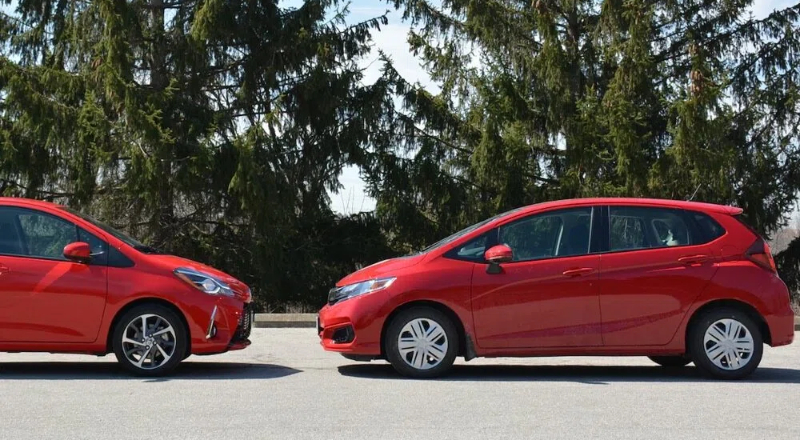
As of 2026, Honda Fit vs Honda Jazz used market surges in Asia-Pacific imports. Fits dominate Japan surplus auctions at $2,000-5,000 export price; Jazz hybrids gain traction in Australia with e:HEV systems (3.8L/100km efficiency).
- Hybrid Boom: 2024+ Jazz/Fit hybrids cut emissions 40%, qualifying for green incentives.
- Global Pricing: China imports via platforms like KeyChain start at ¥80,000 ($11,000 USD) post-inspection.
- Demand Drivers: Urban commuters favor 1,200-1,600 kg curb weight for agility.
Expert Insight: Industry data shows 180-point inspections boost buyer confidence, reducing returns by 25%.
Both excel in safety, but updates enhance them. Honda Sensing (adaptive cruise, lane keep, collision warning) standardizes on 2020+ models. LED headlights, auto high-beams, and pedestrian detection elevate Jazz hybrids.
- Crash Ratings: 5-star NCAP equivalents; ACE structure prevents override in collisions.
- Tech Upgrades: Bluetooth, reverse cameras in premiums; pedal shifters for regen braking.
Fits offer robust braking; Jazz adds stability refinements.
Follow these used Honda Fit vs Honda Jazz buying steps:
1. Set Budget: Target $2,000-10,000 for 2015-2020 models.
2. Check History: Verify CARFAX equivalents; avoid flood/smoke damage.
3. Inspect Key Areas: Test Magic Seats, suspension, hybrid battery (if applicable).
4. Test Drive: Assess steering feel, acceleration, braking.
5. Negotiate Extras: Seek warranties, recent services.
Pro Tip: Import from Japan via certified suppliers ensures 180-point checks.
Honda Jazz edges for fuel efficiency and hybrid options, ideal for eco-conscious commuters. Honda Fit wins on cargo versatility and lower entry prices, suiting families. Both embody Honda reliability - choose based on needs.
Contact KeyChain Auto at keychainauto.com, +8613572980919, or abbie@keychainventure.com. As China's leading used commercial vehicle supplier, we deliver certified high-performance Honda Fit and Jazz imports worldwide. Secure your reliable hatchback today and drive away with confidence!
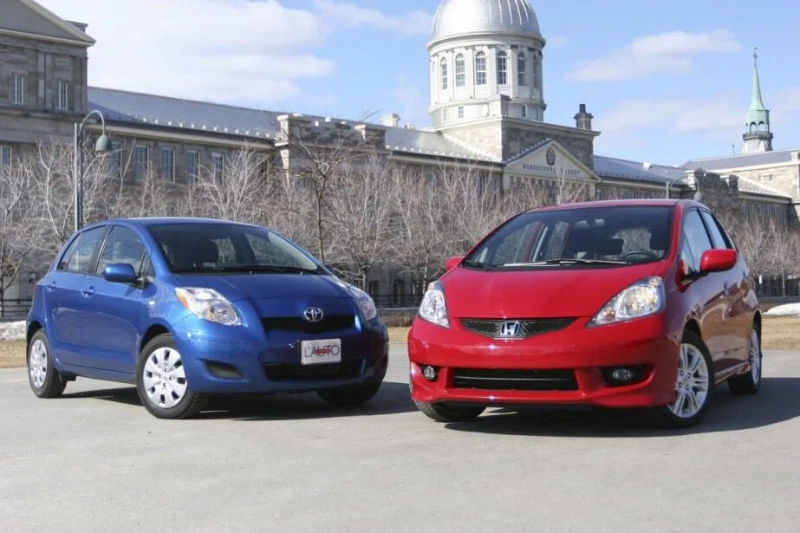
Yes, they are identical platforms badged differently - Fit for Japan/USA, Jazz for Europe/Australia/Asia - with minor regional tuning.
Jazz leads at up to 17.86 km/L highway; hybrids push 3.8L/100km. Fits trail slightly at 14.88 km/L max.
Folds flat for 52.7 cu ft cargo in Fit, 366L+ in Jazz - perfect for bulky items or wheelchairs.
Highly - minimal issues post-2015; hybrids add efficiency. Expect 200,000+ km with maintenance.
Both excel; Jazz hybrids save most on fuel, Fits offer nimble handling.


