
Views: 279 Author: Keychain Venture Publish Time: 2026-09-18 Origin: Site


Content Menu
>> Two Doors in a Traditional Coupé
>> A Driver-Focused Seating Position
>> Sports Coupé
>> Liftback Coupé and Fastback Coupé
>> SUV Coupé
>> Electric Coupé and Electric Fastback
● Is a Coupé the Same as a Sports Car?
● Advantages of Owning a Coupé
>> Distinctive Exterior Design
>> Electric Vehicle Design Potential
● Potential Disadvantages of a Coupé
>> Less Convenient Rear Access
>> Smaller or Less Flexible Cargo Area
>> Higher Running Costs for Performance Models
● How to Choose the Right Coupé
>> Define Your Main Driving Needs
>> Test Rear Seats and Cargo Space
>> Review Safety Equipment Carefully
>> Consider Charging Before Buying an Electric Coupé
● A Practical Vehicle Selection Perspective
● Summary
>> What is the difference between a coupé and a sedan?
>> Is a four-door coupé still considered a coupé?
>> Are coupés suitable for families?
>> Is every coupé a sports car?
>> Are electric coupés practical for daily use?
A coupé is a passenger car body style known for its sleek profile, sporty proportions and fixed roof. Traditionally, a coupé has two doors and a sloping rear roofline, but modern vehicles have expanded the definition to include four-door coupés, fastbacks, SUV coupés and electric coupé-inspired models.
For many drivers, a coupé represents more than transportation. It is a design-led vehicle that can offer a lower driving position, a more engaging road feel and a stronger visual identity than a conventional sedan or SUV. However, its stylish roofline can also affect rear-seat access, headroom, cargo capacity and visibility.
Whether you are choosing a personal vehicle, evaluating models for a dealership portfolio or sourcing vehicles for an overseas market, understanding the real differences between coupé types helps you make a more practical decision.
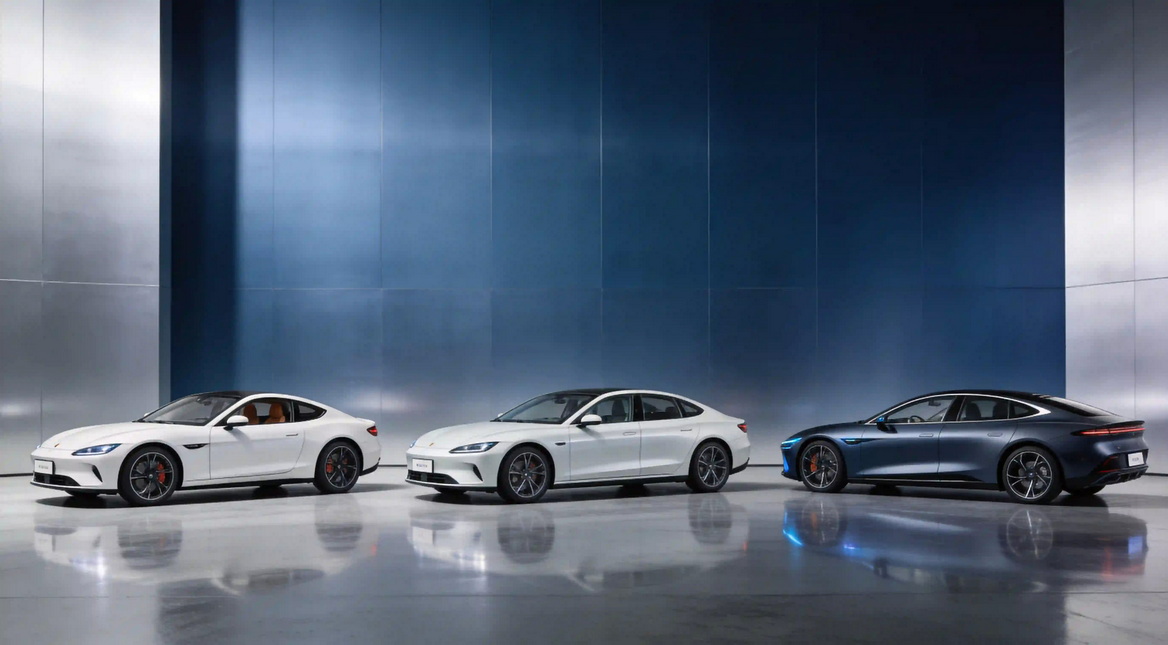
The word *coupé* comes from the French word *couper*, which means "to cut." It originally described a shortened enclosed carriage. In the automotive industry, the term developed into a description for a compact, enclosed car with a sporty shape and a lower roofline.
A traditional coupé is usually identified by several characteristics:
- Two doors
- A fixed roof
- A low and sloping roofline
- A sporty or elegant exterior profile
- A driver-focused cabin
- Limited rear-seat or luggage practicality compared with a sedan
However, modern vehicle categories are no longer as simple as they once were. Many manufacturers now use the word "coupé" for vehicles that have four doors, liftback tailgates or raised SUV body structures.
For this reason, the most useful modern definition is:
> A coupé is a vehicle designed around a sleek, low and performance-inspired silhouette, often making some compromises in rear passenger space, cargo capacity or access when compared with a sedan, hatchback or conventional SUV.
A vehicle does not need to have only two doors to look or feel like a coupé. The roofline, proportions, driving position and intended customer experience are now just as important as door count.
A coupé can look very different depending on the manufacturer, powertrain and target market. Still, most coupé cars share several core design characteristics.
The most recognisable coupe car feature is its sweeping roofline. Rather than maintaining a tall, upright profile like an SUV or hatchback, the roof gradually slopes toward the rear of the vehicle.
This design creates a more athletic and elegant appearance. It can also support smoother airflow around the body when the vehicle is engineered with aerodynamics in mind.
However, there are practical trade-offs. A lower roofline can reduce rear headroom, make entry and exit more difficult for taller passengers and limit the size of the rear window.
Traditional coupés have two doors. These doors are often longer than those on a sedan because they need to provide access to both front and rear seats.
The two-door layout gives the vehicle a clean side profile and reinforces its sporty character. However, it can be inconvenient when rear passengers frequently enter or exit the vehicle.
For couples, solo drivers and driving enthusiasts, this may not be a major concern. For families, business transport or regular passenger use, it can become a daily inconvenience.
Most coupés feature a fixed roof. This separates them from convertibles, cabriolets and roadsters, which use folding or removable roof systems.
A fixed roof can support a more rigid body structure, reduce cabin noise and create a more consistent driving experience. Some modern coupés offer panoramic glass roofs, but they still retain a permanent roof structure.
Many coupés place the driver lower to the ground than SUVs, crossovers and many sedans. This can create a stronger connection between the driver and the road.
A lower seating position often contributes to a sportier feel, especially when combined with supportive seats, a compact steering wheel and a dashboard designed around the driver.
The downside is that getting in and out of the car may require more effort, especially for older passengers or people who prefer a higher seating position.
Rear seating is one of the biggest areas where coupés differ from other vehicle types.
A coupé may be designed as:
- A two-seat vehicle with no rear seats
- A 2+2 vehicle with occasional rear seats
- A four-seat luxury coupé
- A four-door coupé with more practical rear access
- A fastback with a rear cabin designed for adult passengers
The number of seats listed on a specification sheet does not always reflect real comfort. A five-seat four-door coupé may be suitable for short journeys with five passengers, but it may not offer the same comfort, headroom or access as a conventional sedan or SUV.
The coupé category now includes several vehicle formats. While these vehicles may share a stylish shape, they can serve very different customers and driving needs.
| Coupe Type | Typical Design | Suitable For | Main Limitation |
|---|---|---|---|
| Traditional Two-Door Coupé | Two doors, fixed roof, low profile | Solo drivers, couples and enthusiasts | Limited rear-seat access |
| Sports Coupé | Performance-focused two-door layout | Drivers who value acceleration and handling | Firmer ride and higher ownership costs |
| Four-Door Coupé | Four doors with a fastback roofline | Professionals and small families | Reduced rear headroom |
| Liftback Coupé | Coupe-style roof with a large rear hatch | Buyers who need better cargo access | Less traditional coupé appearance |
| SUV Coupé | Raised body with a tapered rear roof | Drivers wanting SUV presence and sporty design | Less cargo space than an upright SUV |
| Electric Coupé | Aerodynamic electric fastback or low-roof EV | Drivers seeking technology, efficiency and design | Charging planning is essential |
A traditional two-door coupé is the most classic version of the body style. It is typically compact, stylish and designed around the front-seat occupants.
This format is ideal for drivers who value visual appeal, personal driving enjoyment and a lower, more connected driving position. It can also work well for premium rental fleets, lifestyle-focused dealerships and customers who do not regularly carry rear passengers.
The major compromise is practicality. Rear passengers must usually enter by folding or moving the front seats. Cargo access may also be more limited than in a hatchback or SUV.
A sports coupé is designed with a stronger focus on handling, acceleration, braking and road feel. It may use a powerful engine, electric motors, performance tyres, upgraded brakes and a sport-tuned suspension system.
Not every sports coupé is intended for racetrack use. Some are designed to combine daily usability with a more engaging driving experience. Others place greater emphasis on high-speed stability and driving dynamics.
Common sports coupé characteristics include:
- Lower ride height
- Wider tyres
- Sport seats
- Larger brakes
- Responsive steering
- Stiffer suspension
- Stronger acceleration
- More aggressive exterior design
A sports coupé can be highly enjoyable to drive, but it may ride more firmly on rough roads and cost more to maintain than a comfort-focused sedan.
A four-door coupé combines the visual appeal of a coupé with the convenience of four passenger doors. It usually has a low roofline, elongated body and a fastback-style rear design.
This type of vehicle is popular among customers who want a more distinctive alternative to a standard executive sedan. It can provide good front-seat comfort, easy access for rear passengers and a premium appearance.
However, buyers should not assume it offers the same rear-seat comfort as a conventional sedan. The flowing roofline may reduce headroom, especially for taller adults. Rear visibility may also be less generous because of the smaller rear glass area.
A liftback coupé combines a sloping roofline with a rear hatch that opens together with the rear window. This design can make loading luggage easier than in a conventional sedan.
The liftback format is often a strong choice for drivers who want coupé styling without giving up too much cargo practicality. It can be especially useful for business travel, weekend trips, airport transfers and buyers who carry equipment or samples.
A liftback coupé may offer:
- A wide rear opening
- Easier loading of large items
- A more flexible cargo area
- A premium fastback design
- Better practicality than a traditional trunk
The main trade-off is that it may not have the pure proportions of a classic two-door coupé.
An SUV coupé combines a raised ride height with a sloping rear roofline. It is designed for buyers who want the road presence of an SUV while maintaining a more athletic and stylish exterior.
SUV coupés are often popular in premium markets because they create a strong visual identity. They can offer elevated seating, all-weather capability and larger wheels while appearing more dynamic than a traditional SUV.
However, the coupe-style rear roof can reduce practical benefits that many buyers expect from an SUV.
Compared with a conventional SUV, an SUV coupé may have:
- Less rear headroom
- Less luggage capacity
- A narrower rear opening
- Reduced rear visibility
- A more style-focused rear cabin design
For customers who regularly carry bulky cargo, multiple passengers or commercial equipment, a conventional SUV may still be the more practical choice.
Electric vehicles have created new opportunities for coupe-inspired design. Without a conventional engine bay, transmission tunnel and exhaust system, designers can create smooth, aerodynamic vehicles with low, streamlined body shapes.
An electric coupé or electric fastback can combine modern styling with quiet operation, rapid torque delivery and advanced digital features. It may be suitable for private owners, executive transport, premium leasing, dealership portfolios and urban mobility services.
However, electric vehicle buyers should evaluate much more than exterior design and advertised driving range.
Important considerations include:
- Battery capacity
- Battery warranty
- Charging-port compatibility
- AC charging capability
- DC fast-charging capability
- Charging speed under different conditions
- Battery thermal management
- Seasonal efficiency changes
- Local service support
- Software update capability
- Parts availability
For many electric vehicle users, workplace, home or depot charging can provide the most convenient daily charging solution. Fast-charging stations are especially useful for long-distance travel, but charging time, network availability and route planning should be considered before purchase.
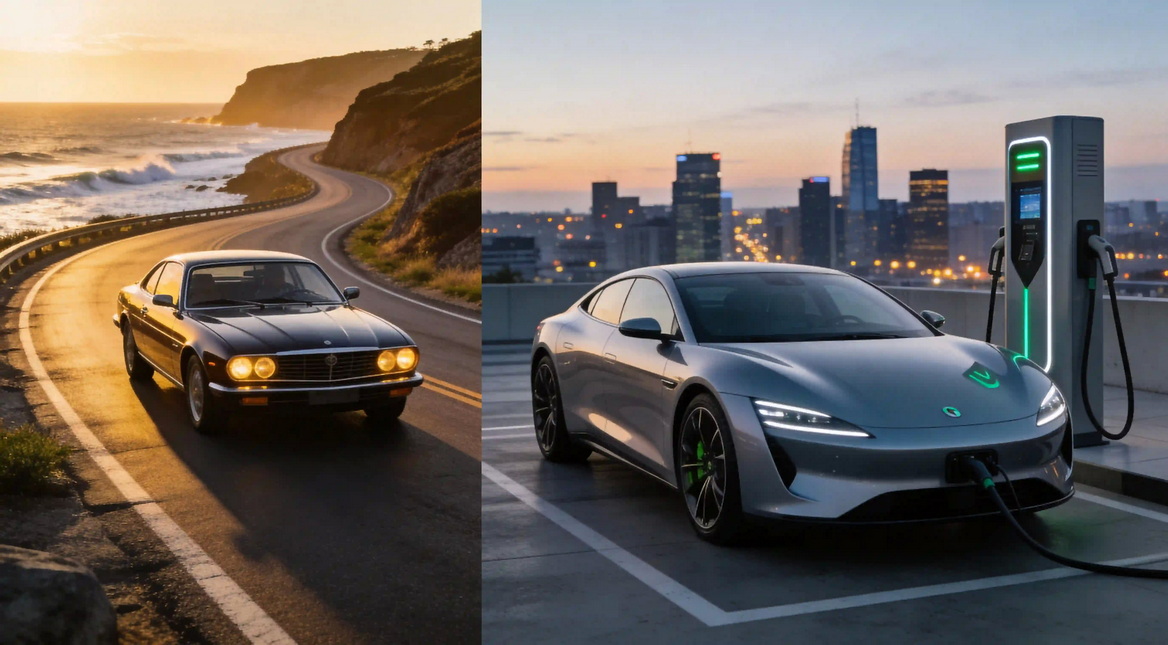
A coupé and a sports car are not exactly the same thing.
A coupé describes a vehicle's body style. A sports car describes a vehicle's driving character, engineering priorities and performance capability.
A sports car is more likely to focus on:
- Acceleration
- Handling
- Steering response
- Braking performance
- Cornering stability
- Weight distribution
- Suspension tuning
- Driver engagement
Many sports cars have coupé body styles, but not all coupés are sports cars. A two-door car may have a relaxed suspension, modest power output and comfort-focused features. It can still be a coupé without being a high-performance sports car.
Similarly, an electric fastback may deliver rapid acceleration because electric motors provide immediate torque. However, its primary purpose may be efficient executive travel rather than performance driving.
When comparing models, buyers should look at real specifications rather than relying on labels. Power output, torque, acceleration, braking, tyre type, suspension design and vehicle weight all provide a clearer picture of driving performance.
The best body style depends on how the vehicle will be used. A coupé is not automatically better or worse than a sedan or SUV. It simply prioritises different qualities.
| Feature | Coupé | Sedan | SUV |
|---|---|---|---|
| Exterior Style | Sleek, sporty and design-led | Balanced and traditional | Strong, practical and versatile |
| Door Access | Often two doors or lower roofline | Usually four doors | Usually four doors with higher entry |
| Rear Passenger Comfort | Often more limited | Usually better than a coupé | Often the most spacious |
| Cargo Flexibility | Moderate to limited | Moderate | Usually strong |
| Driving Position | Low and driver-focused | Moderate | High and commanding |
| Urban Manoeuvrability | Often good, depending on size | Good | Can be more difficult in larger models |
| Long-Distance Comfort | Depends on suspension and seating | Often very good | Strong for passengers and luggage |
| Suitable for Families | Limited to moderate | Good | Very good |
| Suitable for Lifestyle Buyers | Excellent | Good | Good |
| Suitable for Commercial Cargo Use | Limited | Moderate | Better, depending on configuration |
A coupé may be the right option if the buyer wants style, driving engagement and a more personal ownership experience. A sedan may be better for everyday passenger comfort. An SUV may be the stronger choice for higher seating, family use, cargo flexibility and mixed road conditions.
A coupé can offer several benefits when selected for the right purpose.
One of the biggest reasons buyers choose a coupé is appearance. A low roofline, flowing body panels and compact proportions create a premium and sporty visual impression.
For many owners, the emotional connection with the vehicle is a major part of the buying decision.
The lower seating position of a coupé can make the driver feel more connected to the road. This is particularly appealing for people who enjoy driving and value steering response, body control and road feedback.
Many traditional coupés have shorter overall dimensions than large sedans and SUVs. This can make them easier to park, manoeuvre and use in dense urban environments.
Coupé designs are often associated with premium brands, performance vehicles and lifestyle-focused products. For dealerships and distributors, a coupé can help create a more diverse and visually appealing product range.
Electric coupés and fastbacks can pair aerodynamic styling with modern battery technology, advanced digital systems and quiet operation. Their appearance can appeal to customers who want a more futuristic alternative to a traditional sedan.
A coupé should be chosen with a clear understanding of its limitations.
Two-door coupés can be difficult for passengers entering the rear seat. This becomes more noticeable when carrying children, older adults or passengers with limited mobility.
The sloping roofline can reduce the amount of space above rear passengers' heads. Taller passengers may find the rear cabin less comfortable on longer trips.
A coupé may have a smaller trunk opening or lower cargo area than a hatchback, SUV or wagon. Liftback coupés can improve cargo access, but buyers should still inspect the actual opening shape and loading height.
A smaller rear window and thicker rear pillars can affect visibility. Parking sensors, reversing cameras, 360-degree camera systems and blind-spot monitoring can help, but drivers should evaluate rear visibility during a test drive.
Performance-oriented coupés may use larger wheels, low-profile tyres, upgraded brakes and more specialised suspension components. These features can increase maintenance and replacement costs.
Choosing the right coupé starts with understanding daily needs rather than focusing only on exterior design.
Consider how the vehicle will be used most of the time.
- Will it be driven daily in the city?
- Will it be used mainly for highway journeys?
- Will rear passengers travel regularly?
- Is luggage space important?
- Is the vehicle intended for personal use, business use, rental use or dealership resale?
- Will the vehicle operate in hot, cold, wet or challenging road conditions?
- Is premium design more important than maximum practicality?
A traditional two-door coupé can be ideal for a personal lifestyle vehicle. A four-door coupé may be more suitable for executive travel. A liftback or SUV coupé may offer a better balance between design and functionality.
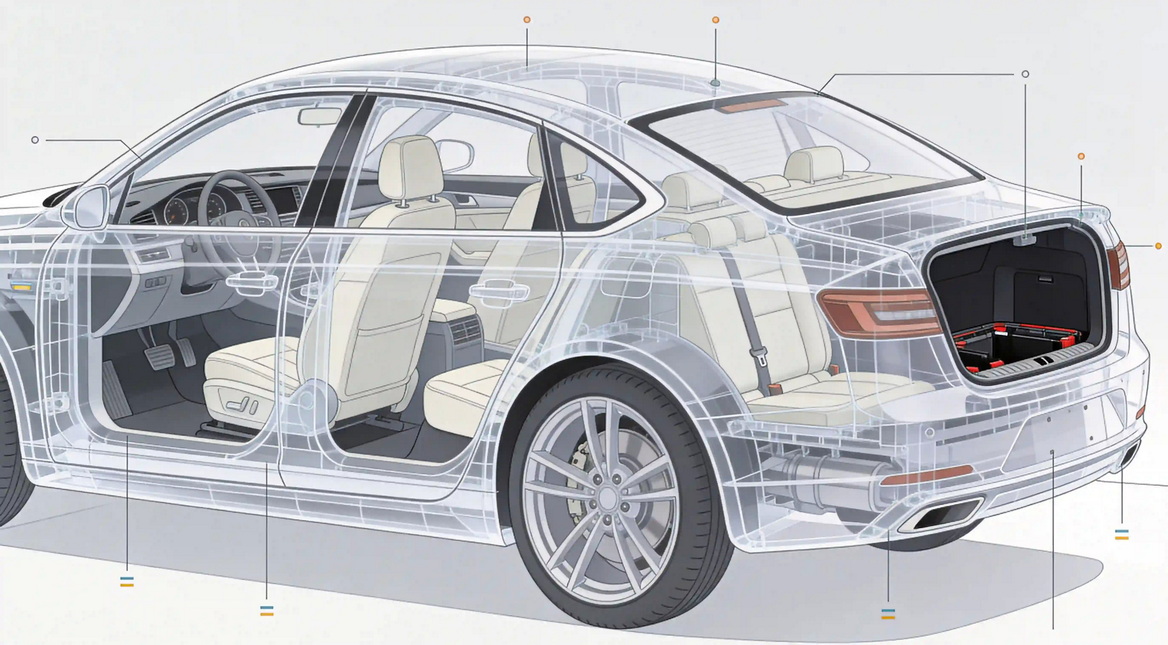
Do not make a decision based only on exterior dimensions or online images. Sit in the rear seats, check legroom and test how easily passengers can enter and exit.
Pay close attention to:
1. Front-door opening width
2. Rear-seat entry access
3. Rear knee room
4. Rear headroom
5. Child-seat installation space
6. Trunk opening width
7. Cargo loading height
8. Rear-window visibility
This is especially important for companies buying vehicles for fleets, rentals, executive transport or overseas distribution.
Safety equipment can differ between trim levels, markets and model years. Confirm the actual configuration of the vehicle you are considering.
Important equipment may include:
- Automatic emergency braking
- Forward-collision warning
- Lane-departure warning
- Lane-keeping assistance
- Blind-spot monitoring
- Rear cross-traffic alert
- Adaptive cruise control
- Parking sensors
- Reversing camera
- 360-degree camera system
- Front, side and curtain airbags
- Child-seat anchor points
Vehicle safety should be evaluated using the exact model, specification and market version. A similar-looking vehicle may have different safety equipment depending on its trim level or destination market.
An electric coupé can be an attractive choice for drivers who want quiet performance and modern styling. However, charging access should be evaluated before the vehicle is ordered.
A practical electric vehicle plan should include:
- Charging availability at home or workplace
- Public charging coverage along regular routes
- AC charging time
- DC fast-charging performance
- Battery warranty conditions
- Charging-port standards in the target market
- Battery performance in cold or hot weather
- Local technical service capability
- Availability of replacement parts
- Software support and diagnostics
For commercial users and fleet operators, charging should be viewed as part of the vehicle system. The vehicle, charger, electrical capacity, route distance, driver schedule and energy cost all need to work together.
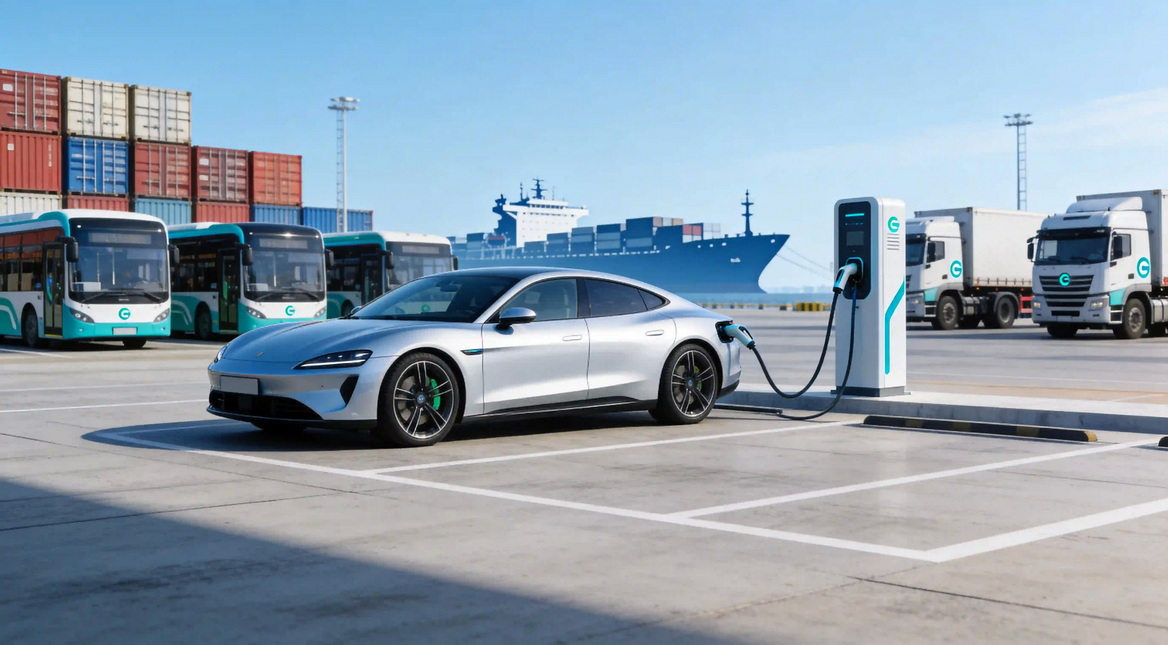
A stylish vehicle can attract attention, but long-term satisfaction depends on whether it meets real operating requirements.
For personal buyers, a coupé can provide a memorable driving experience, a distinctive appearance and a strong emotional connection. For dealerships, rental companies and distributors, it can add a premium product category that appeals to style-conscious customers.
For commercial fleets, passenger transport operators and logistics businesses, vehicle selection should be based on passenger capacity, route conditions, energy requirements, maintenance access, cargo needs and total operating cost.
KeyChain focuses on high-quality buses, heavy-duty trucks and new-energy vehicles for customers in domestic and international markets. The goal is to support customers in choosing vehicle solutions that match their operating environment, passenger needs, energy infrastructure and long-term business requirements.
A coupé or electric fastback can be an excellent choice for lifestyle-focused, executive or premium mobility needs. For high-capacity passenger routes, commercial transportation, logistics work and demanding operational environments, purpose-built buses, heavy trucks and new-energy commercial vehicles may offer a more suitable solution.
A coupé is a stylish, fixed-roof vehicle body style traditionally associated with two doors, a low roofline and a sporty driving experience. Modern versions include four-door coupés, liftbacks, SUV coupés and electric fastbacks.
The strongest reason to choose a coupé is its distinctive design and driver-focused character. The main compromises are typically rear-seat access, headroom, cargo flexibility and visibility.
Before choosing a coupé, buyers should evaluate the actual seating layout, rear-space comfort, luggage capacity, safety configuration, driving conditions, charging requirements and maintenance support. The right vehicle is not simply the one that looks best—it is the one that delivers the best balance of design, usability, reliability and long-term value.
A traditional coupé usually has two doors and a lower, more sloping roofline. A sedan typically has four doors, easier rear-seat access and more practical passenger space. Modern four-door coupés combine sedan-like access with a sleeker fastback design.
Yes. A four-door coupé is generally a four-door vehicle with a coupe-inspired roofline and sportier proportions than a conventional sedan. However, buyers should assess rear-seat space, cargo access and comfort rather than relying only on the name.
A two-door coupé is usually less practical for families because rear-seat entry can be difficult and luggage space may be limited. A four-door coupé can suit a small family, but a sedan, hatchback or traditional SUV is usually more convenient for frequent family use.
No. A coupé refers mainly to body style, while a sports car is defined by performance, handling, acceleration, braking and driving dynamics. Some coupés are sports cars, while others are designed mainly for stylish and comfortable everyday driving.
Electric coupés can be practical when daily driving distance matches the vehicle's usable range and charging is convenient at home, work or along regular routes. Buyers should consider charging speed, battery warranty, seasonal conditions and local service support.
1. Evans Halshaw. [What is a Coupé?]
2. U.S. Department of Energy, Alternative Fuels Data Center. [Electric Vehicle Charging Stations]
3. U.S. Department of Energy, Alternative Fuels Data Center. [Charging Electric Vehicles at Home]
4. U.S. Department of Energy, Alternative Fuels Data Center. [Electric Vehicles for Fleets]
5. U.S. Environmental Protection Agency / FuelEconomy.gov. [Frequently Asked Questions]
6. National Highway Traffic Safety Administration. [Car Safety Ratings]
7. Insurance Institute for Highway Safety. [Vehicle Ratings]
8. Insurance Institute for Highway Safety. [New Crash Test Spotlights Lagging Protection for Rear Passengers]
9. Car and Driver. [Car Body Styles Explained, from Coupe to Sedan to SUV]


