
Views: 222 Author: Keychain Venture Publish Time: 2026-06-12 Origin: Site


Content Menu
>> Local Options For Used School Buses Around Los Angeles
>> Why More Buyers Compare Local Stock With Second Hand Buses From China
>> Key Decision: Local U. S. Dealer vs. Importing A Second Hand Bus From China
>>> Comparison Table – Local vs. China‑Sourced Second Hand Buses
>> What Smart Buyers Check Before Paying For Any Used School Bus
>>> 1. History, Paperwork, And Maintenance Records
>>> 2. Physical and Mechanical Inspection
>>> 3. Emissions and Local Regulations
>>> 4. Insurance and Operating Costs
>> A Proven Step‑By‑Step Process For Buying A Used School Or Commercial Bus
>>> Step 1 – Define Your Operational Needs
>>> Step 2 – Decide Between New And Used
>>> Step 3 – Shortlist Sellers And Request Detailed Information
>>> Step 4 – Arrange Inspection, Test Drive, And Third‑Party Review
>>> Step 5 – Confirm Pricing, Financing, And Total Landed Cost
>> How KeyChain Supports International Buyers Of Second Hand Buses
>>> Our Internal Quality Checklist
>>> Matching Buses To Your Use Case
>> Practical Tips To Maximize Long‑Term Value From A Used Bus
>> When To Contact KeyChain For A Quote
>> Frequently Asked Questions (FAQ)
>> Q1: Is it cheaper to buy a used school bus in California or import one from China?
>> Q2: How long does it take to import a used bus from China to Los Angeles?
>> Q3: Can second hand buses from China meet U. S. safety and emissions requirements?
>> Q4: What kind of buses can I buy from KeyChain?
>> Q5: Do I still need an independent inspection if the seller provides a report?
>> References
If you are trying to buy used school buses near Los Angeles, you are no longer limited to just a few local dealers around California. Today, more fleet managers, church groups, contractors, and small operators are comparing U. S. inventory with high‑quality second hand buses from China to stretch their budgets without sacrificing safety or performance.
As someone working inside KeyChain, a China‑based exporter of second hand buses, heavy trucks, and new energy vehicles, I see every day how international buyers combine local options in Los Angeles with imported units to build a more flexible, cost‑effective fleet. In this guide, I will walk you through where to buy used school buses near Los Angeles, what to check before you pay, and when it makes sense to source from a trusted Chinese supplier instead of buying locally.
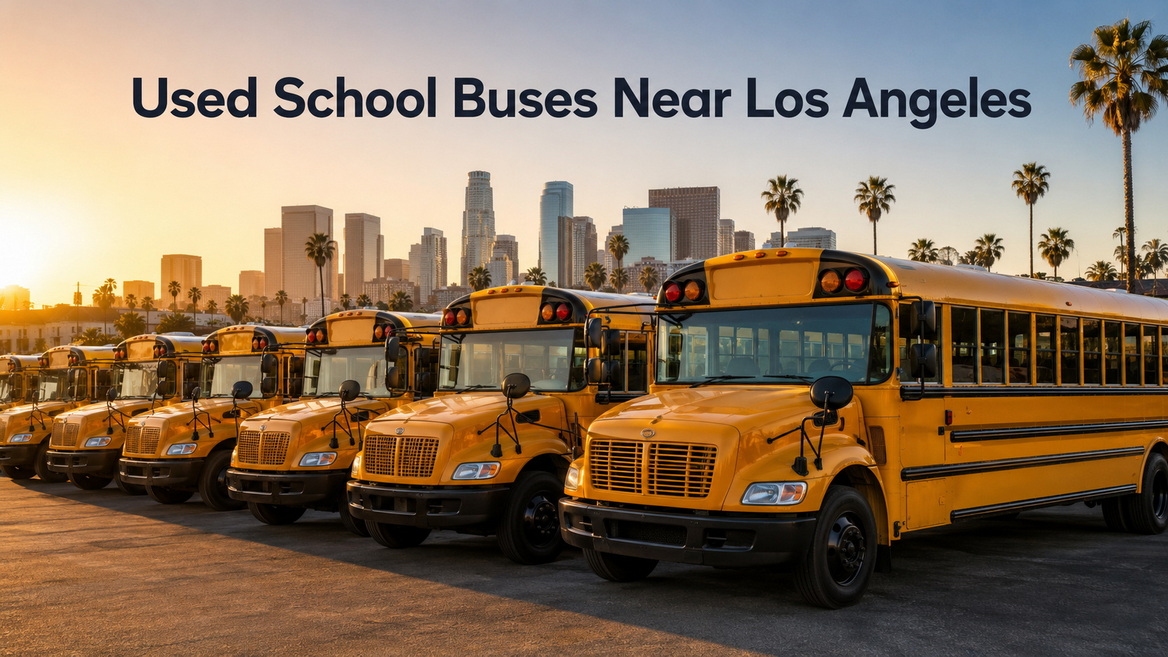
When most buyers in Southern California start searching for used school buses, they naturally look at local U. S. dealers first. These companies understand California regulations and can offer fast delivery and on‑site inspections.
- American Bus Sales promotes a nationwide inventory of used school buses, tour coaches, and shuttles, and explicitly highlights service to the Los Angeles, California area.
- Dealers such as Master's Transportation and National Bus Lists also maintain used school bus stock in California, from standard yellow school buses to special‑needs and shuttle configurations.
From a buyer's point of view, local dealers are convenient because:
- You can test‑drive the bus on familiar roads.
- You can more easily verify local emissions compliance and registration history.
- You may get in‑state financing or leasing options tailored to school districts, churches, and municipalities.
However, local inventory is often limited in terms of engine choices, mileage, and body configuration—especially if you need several units at once or are open to non‑traditional brands.

From the perspective of a Chinese exporter like KeyChain, we see a different side of the market: fleets in China often retire buses earlier than their mechanical life, which creates a large pool of high‑quality used units at attractive prices. In sectors such as tourism, intercity transport, and corporate shuttles, operators rotate vehicles quickly to keep image and technology fresh, even when the chassis and drivetrain still have many service years left.
Because of this, a well‑maintained second hand bus from China can sometimes offer:
- Lower purchase price per seat compared with similar units in California.
- Access to premium brands and configurations (for example, 50‑seat King Long or comparable models) that may be rare in the U. S. used market.
- Earlier adoption of new energy buses and coaches, especially in electric and hybrid configurations, where Chinese OEMs have scaled production faster than many Western brands.
Of course, importing a bus is not the right move for every buyer. You need to factor in shipping, homologation, and local compliance. But for operators willing to plan ahead—not those who need a single bus delivered next week—international sourcing can be a strategic way to upgrade capacity or add features while keeping total cost of ownership under control.
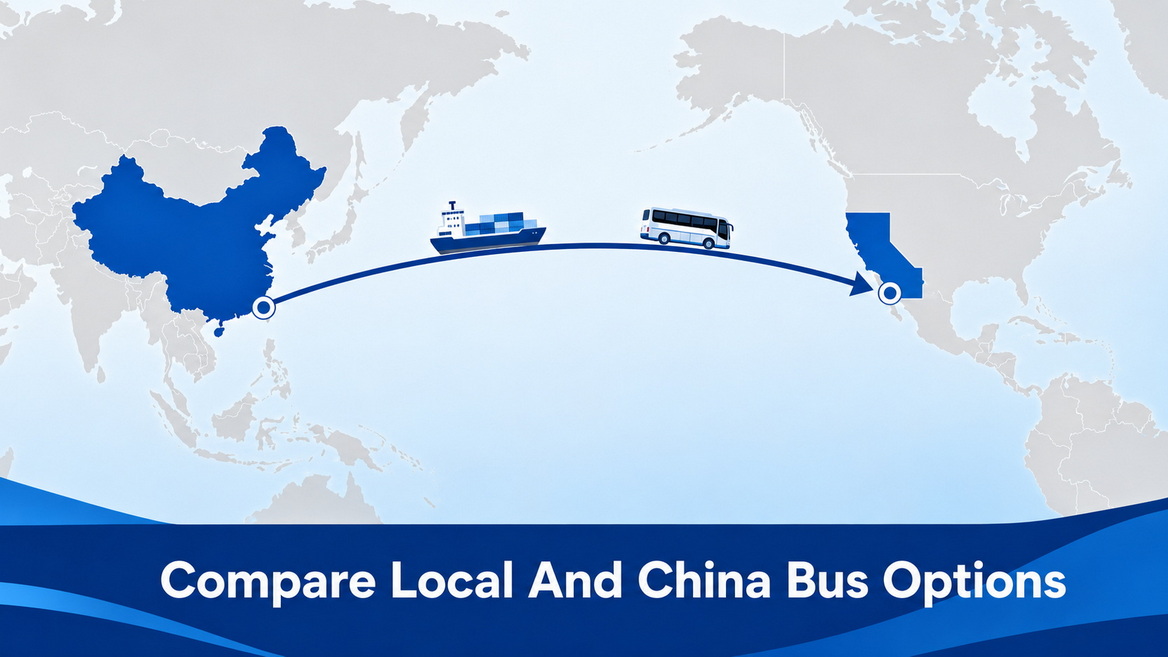
The table below summarizes how many of our clients compare buying locally in California vs. importing from a supplier like KeyChain. This is the same framework I use when advising first‑time buyers.
As an industry practitioner, my rule of thumb is simple:
- If you need immediate capacity in Los Angeles and have a moderate budget, start with local U. S. dealers.
- If you are planning a fleet refresh or expansion 3–6 months out, and are open to international brands, you should at least request quotes and inspection reports from a reputable Chinese exporter for comparison.
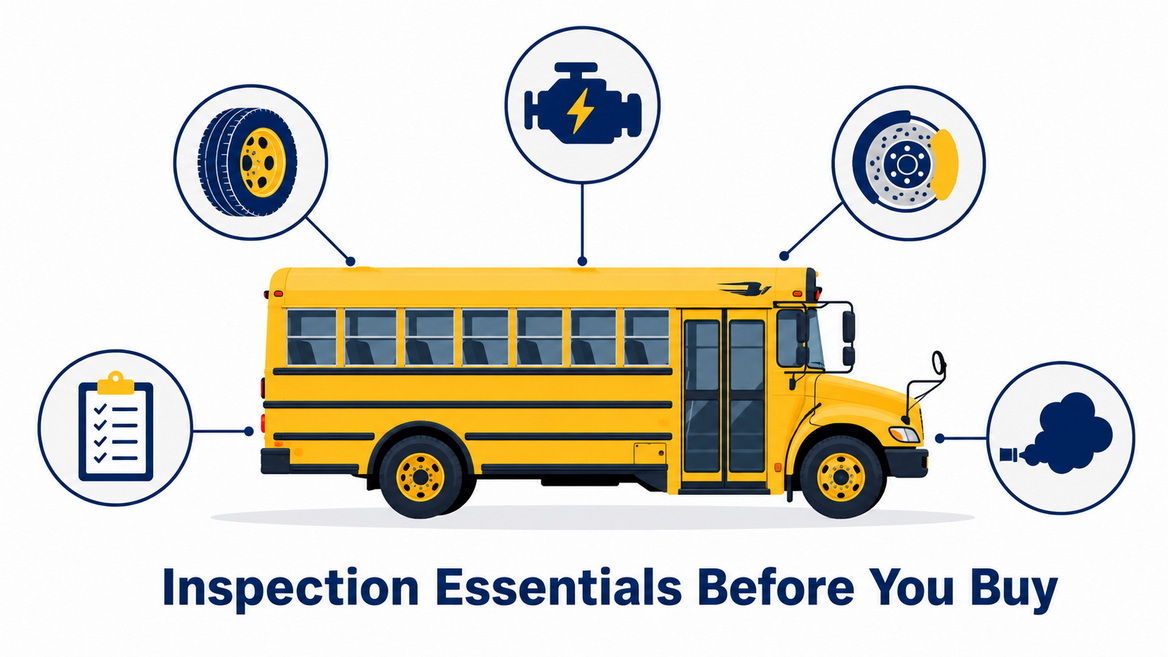
Regardless of whether the bus comes from Los Angeles, another U. S. state, or overseas, experienced buyers follow a strict technical and documentation checklist. Missing a single point can easily turn a "bargain" into a long‑term cost trap.
Industry guides consistently stress that you should get as much history and paperwork as possible when buying a used school bus. This includes:
- Accident history and major repair events.
- Maintenance logs for engine, transmission, and critical components.
- Odometer readings and typical duty cycle (city shuttle, long‑distance, school route).
From the KeyChain side, we make a point of collecting and sharing this documentation with international buyers, because it is often the first thing their own mechanics ask for. When a bus has a replaced engine or transmission, that can actually be a plus if it was done by an authorized workshop and properly documented.
A thorough inspection goes beyond a quick walk‑around. Leading bus service providers recommend verifying:
- Body integrity – check for corrosion, frame damage, and structural repairs.
- Tire condition – remaining tread, sidewall cracking, and age.
- Kingpins and steering components – excessive play or stiffness.
- Leaks – transmission, brake system, hydraulic lines, coolant, and oil.
- Transmission health – slipping, delayed engagement, or abnormal noise on test drive.
Many fleet managers will not sign off on a bus purchase without an independent mechanic's report, whether the bus is parked in Los Angeles or still sitting in a Chinese yard awaiting export.
Because emissions standards for school buses have tightened and can vary from state to state, it is easy to buy a unit that looks fine mechanically but fails local rules. This is especially important for:
- Older diesel buses, which may no longer meet current limits.
- Imported buses that were designed for different fuel quality or testing protocols.
At KeyChain, our internal checklist includes an emissions and configuration review, and we encourage buyers to confirm with their own local regulators or consultants before finalizing the deal.
Insurance companies often maintain detailed risk profiles for specific makes and models, which can influence your total cost of ownership far beyond the purchase price. Before you buy:
- Discuss the exact model and year with your insurer.
- Ask about any known risk factors, claim patterns, or premium differences between comparable units.
In practice, we see savvy buyers in California aligning with insurers early in the process, so there are no surprises once the bus arrives or transfers title.
Whether you ultimately decide to purchase locally around Los Angeles or import a second hand bus from China, the most reliable buyers follow a clear process.
Before you look at stock lists or photos, define:
1. Passenger capacity (e. g., 30, 40, or 50+ seats).
2. Service type – school routes, employee shuttles, tourism, or charter work.
3. Comfort and amenities – air‑conditioning performance, luggage space, restrooms, accessibility features.
4. Fuel and powertrain – diesel, gasoline, hybrid, or electric, depending on your local infrastructure and policy environment.
This clarity helps both local dealers and exporters like KeyChain match you with the right inventory instead of simply pushing what is available on the lot.
Most schools and smaller operators now focus on the used market to manage capital expenditure while still meeting their service commitments. Used buses can cost a fraction of new units, but they demand more careful inspection and realistic planning for refurbishment.
If your budget is limited or your needs are medium‑term (for example, 5–7 years of planned usage), a well‑chosen used unit from a reputable dealer or exporter can be an excellent solution.
At this stage, you may end up with a mix of:
- Regional dealers in California that list used school buses and commercial buses.
- Specialized national dealers that can ship to Los Angeles.
- Overseas suppliers like KeyChain, who can provide second hand coaches, school buses, and heavy trucks for export.
From each seller, request:
- VIN or chassis number and full spec sheet.
- Maintenance record snapshots and current mechanical status.
- High‑resolution interior and exterior photos, plus a walk‑around video where possible.
For local buses near Los Angeles, this usually means bringing a trusted mechanic to the lot and performing a proper test drive. For overseas buses, buyers increasingly combine:
- Live video calls from the yard.
- Independent third‑party inspection services in China.
- Detailed photo reports with measured wear items (tires, brakes, interior).
This step is non‑negotiable if you want to avoid unexpected repair costs in the first year of operation.
Domestically, you will negotiate the vehicle price and may explore financing or leasing options offered by the dealer, especially if you are a school district or municipality.
If you import from China, make sure your financial model includes:
- Purchase price and any refurbishment work agreed before shipment.
- Ocean freight, marine insurance, port fees, and customs duties.
- Local modifications required for compliance, registration, and branding.
Only after you compare total landed cost should you decide whether a local Los Angeles unit or an imported second hand bus offers better value for your specific operation.
From the exporter's side, my team at KeyChain has built processes designed to reduce risk for buyers who may be purchasing from China for the first time.
Every second hand bus we propose for export passes through a standard checklist that closely mirrors what U. S. industry guides recommend:
- Pre‑screening for structural issues and rust.
- Engine and transmission performance assessment.
- Brake, suspension, and steering checks.
- Document verification and basic emissions review relative to target market expectations.
We then share this information transparently with buyers, so their own mechanics or consultants can independently evaluate each candidate vehicle.
Because we work across tourism, staff shuttle, school transport, and heavy truck sectors, we are able to recommend specific bus configurations based not only on seat count but also on:
- Daily mileage and operating terrain.
- Climate, especially where air‑conditioning performance is critical.
- Desire to experiment with new energy vehicles such as electric or hybrid buses.
For some Los Angeles buyers, this has meant importing one higher‑spec coach to handle premium charter work while continuing to buy basic school buses locally for everyday routes.
Beyond the purchase itself, the way you manage the bus in the first year has a major impact on total return on investment.
- Schedule a baseline maintenance service immediately after purchase, even if the seller claims the bus is "ready to go."
- Set realistic replacement and refurbishment milestones (for example, repaint after two years, seat repairs after three).
- Track key metrics like fuel consumption, downtime hours, and repair cost per mile so you know exactly when it is time to replace or sell.
Buyers who treat their used buses as managed assets rather than one‑off purchases typically see better resale value and more predictable operating budgets.
If you are:
- Planning to add or replace multiple buses in the next 6–12 months.
- Comparing prices for higher‑spec coaches or new energy buses versus standard used school buses in California.
- Looking for a partner that can handle vehicle sourcing, inspection support, refurbishment, and export logistics from China.
…then it is worth adding KeyChain to your shortlist alongside Los Angeles and national U. S. dealers. Having quotes from both sides of the Pacific gives you a far clearer picture of your options and helps you negotiate better terms with whichever seller you choose.
If you are currently evaluating used school buses for routes near Los Angeles and want to understand how China‑sourced second hand buses could fit into your fleet strategy, reach out to KeyChain for a detailed bus list, inspection reports, and an estimated landed cost to your nearest U. S. port.
Provide your target seat count, preferred engine type, and expected monthly mileage, and we will prepare a short list of suitable units so you can compare them directly with local U. S. inventory before making a decision.
The answer depends on your exact requirements and timing, but many buyers find that importing second hand buses from China offers a lower price per seat for mid‑ to high‑spec models, once they account for shipping and compliance costs.
Typical lead times range from several weeks to a few months, including inspection, refurbishment, export preparation, ocean freight, and customs processing, so imports are better suited to planned fleet projects rather than emergency replacements.
Compliance is possible but must be assessed case by case; buyers should work with exporters familiar with international standards and consult local authorities or specialists before finalizing a purchase.
KeyChain supplies a wide range of second hand buses, including school‑type buses, intercity coaches, staff shuttles, and new energy vehicles, as well as heavy trucks for mixed fleets.
Yes; industry experts consistently recommend involving your own trusted mechanic or a third‑party inspector, particularly for major purchases and international transactions, to validate the seller's information.
1. American Bus Sales – "Where To Buy Used School Buses For Sale Near Los Angeles, California." https://americanbussales.net/where-to-buy-used-school-buses-for-sale-near-los-angeles-california/
2. American Bus Sales – "Used School Buses for Sale In California." https://americanbussales.net/used-school-bus-for-sale-in-california/
3. BusBoss – "Should Your District Buy Used School Buses?" https://www.busboss.com/blog/should-your-district-buy-used-school-buses-
4. Rohrer Bus – "How To Buy A Bus For School or Commercial Use." https://www.rohrerbus.com/how-to-buy-a-bus-for-school-or-commercial-use/
5. Master's Transportation – "New & Used Buses for Sale in Los Angeles, CA." https://www.masterstransportation.com/los-angeles/buses-for-sale
6. National Bus – "Used School Buses For Sale California." https://nationalbus.com/california/used-school-bus-for-sale-california/
7. Used Buses Supplier China (VehicleBus). https://www.vehiclebus.com/product/38-seats-second-hand-passenger-bus/
8. Used Bus China – Example listing for 50‑seat King Long bus. https://www.facebook.com/groups/334799453667287/posts/2241012323045981/
9. KeyChain – "What To Look For (And Avoid) When Buying A Second-Hand Bus From China." https://www.keychainauto.com/what-to-look-for-and-avoid-when-buying-a-second-hand-bus-from-china.html
10. National Bus – "Bus For Sale | California | New & Used Buses For Sale." https://nationalbus.com/California/


