
Views: 222 Author: Keychain Venture Publish Time: 2026-06-09 Origin: Site


Content Menu
● Start With Your Real-World Operating Needs
● Why a Used Bus Often Beats a New One
● The Non‑Negotiables: Condition, Chassis, and Rust
>> Chassis and Frame Integrity
● Engine, Driveline, and "Invisible" Mechanical Risks
● Mileage, Usage History, and Service Records
>> Don't Treat Mileage in Isolation
>> Tires, Brakes, and Wear Items
● Compliance, Local Regulations, and Export Considerations
>> Safety and Legal Requirements
>> Documentation and Vehicle History
● Budget, Total Cost of Ownership, and Financing
● Choosing a Trustworthy Used Bus Exporter in China
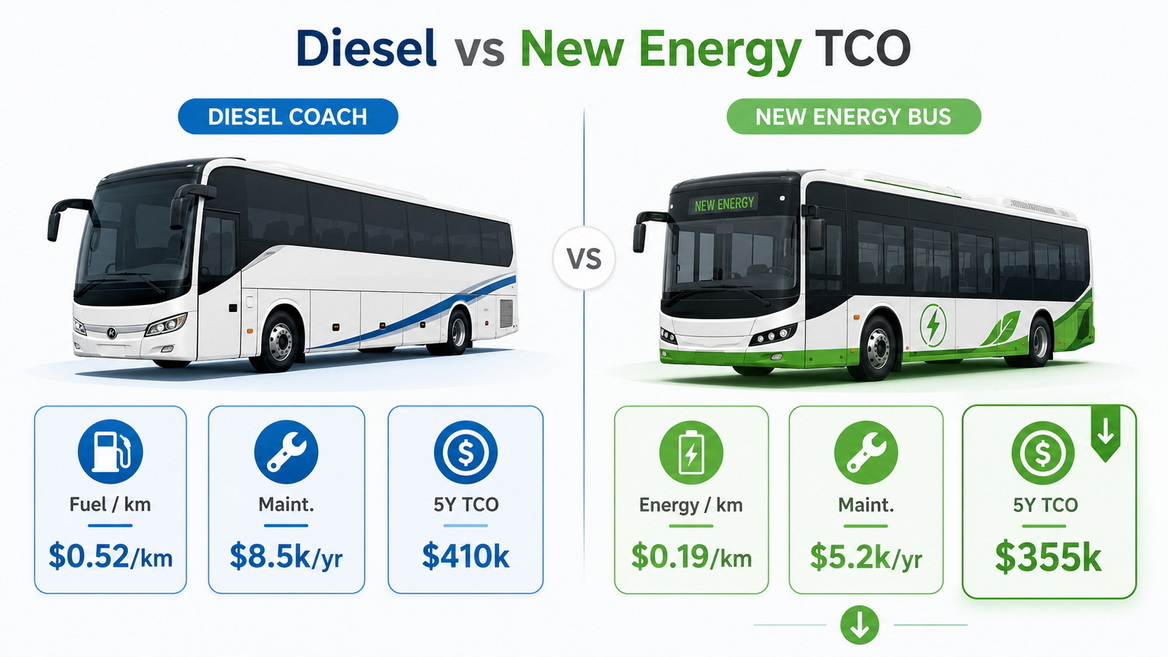
● New Energy and Alternative Powertrains: When Do They Make Sense?
● Step‑By‑Step Checklist Before You Commit
● Key Factors to Compare When Evaluating Used Buses
● Where to Add Visuals for Better UX
● When to Walk Away From a Used Bus Deal
● How KeyChain Supports Global Buyers
● Call to Action – Plan Your Next Bus Purchase With Confidence
● FAQ
>> Q1: Is it safe to buy a second-hand bus from overseas?
>> Q2: How old is "too old" for a used bus?
>> Q3: Are school buses a good choice for conversion or export?
>> Q4: Should I prioritize low mileage or better maintenance records?
>> Q5: Are second-hand new energy buses worth considering?
As someone who has worked with fleet operators and export buyers across Africa, Southeast Asia, and the Middle East, I've seen used-bus purchases go brilliantly right—and expensively wrong. In this guide, I'll walk through the same checklist we use at KeyChain, a China-based exporter of second-hand buses, heavy trucks, and new energy commercial vehicles, to help clients match the right vehicle to their route, budget, and long-term operating strategy.

Before you even open a bus listing, define the job the vehicle must perform in the next 3–5 years, not just in the first season.
Ask these questions and write the answers down:
- Who will ride this bus most often (workers, tourists, students, long-haul passengers)?
- How many passengers do you need to move on a normal day (not your peak holiday)?
- Typical trip profile: urban stop-and-go, intercity highway, or cross-border long haul?
- Climate and terrain: hot coastal city, dusty interior, high-altitude mountain roads?
- Any must-have features: air conditioning, luggage bays, sleeper seats, wheelchair lift, or USB charging?
From an exporter's perspective, buyers who skip this step often end up with buses that are over-sized (wasting fuel) or under-specified (overheating on steep routes, poor comfort, or frequent downtime).
The original American Bus Sales article correctly notes the core benefits of used buses—cost savings, slower depreciation, and a wider choice of configurations.
From the China export side, we see several additional advantages:
- Lower upfront capital: Used Chinese coaches or city buses can come in at a fraction of new European or North American units, even after shipping and duties.
- Proven platforms: Models from brands such as Yutong, King Long, Golden Dragon, or Higer have millions of kilometers of real-world data in hot, dusty, and high-altitude conditions.
- Flexible customization: Interiors can be refitted—seats, floor, air-con, even partial electrification—to match export-market regulations and comfort expectations.
- Faster deployment: Lead time for a refurbished used bus is often much shorter than ordering a new unit from the factory.
The trade-off is that you need a more rigorous inspection process and a trustworthy exporter who is transparent about the vehicle's history.
Most experienced fleet managers agree: chassis and structure decide the true life of a bus.
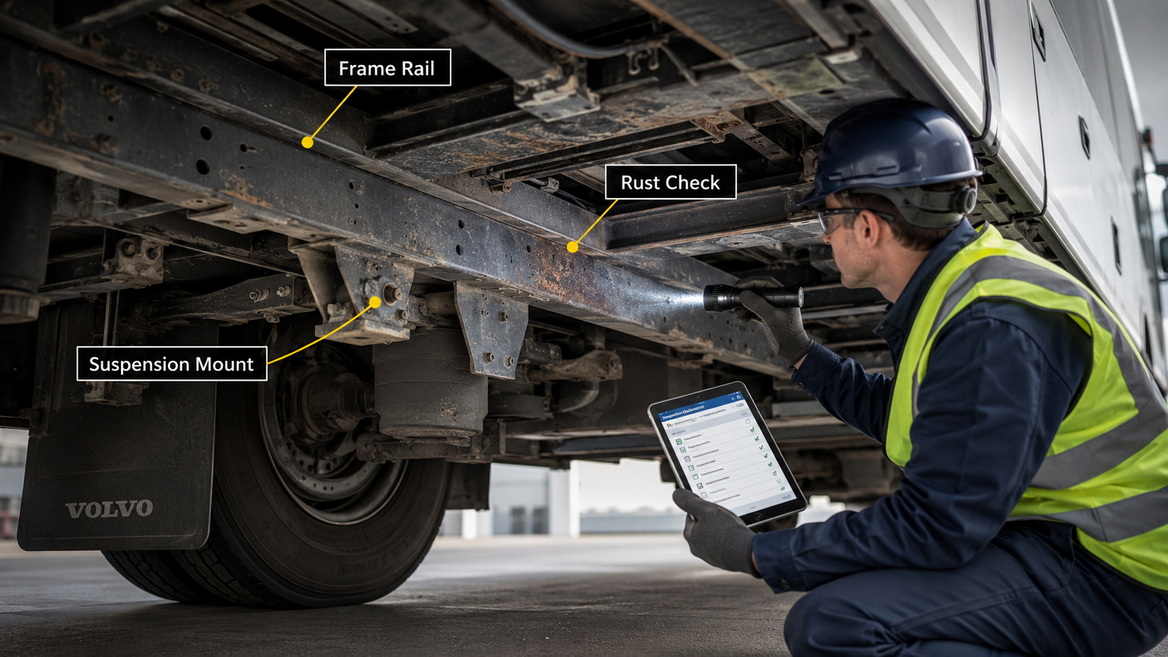
Industry experts emphasize the chassis as the single largest cost driver and life-limiting factor. When you inspect or review photos and reports, focus on:
- Main frame rails and cross members: Look for corrosion, cracks, or poor weld repairs.
- Suspension mounting points: Any deformation, heavy rust, or fresh paint covering welds is a warning sign.
- Underbody and wheel arches: Excessive rust indicates future structural and safety issues. Dry-climate buses (for example from inland or desert regions) typically have less rust.
In our own export checks, any structural rust beyond surface level is an automatic rejection, even if the engine looks clean.
A solid body reduces noise, water ingress, and long-term maintenance costs.
- Floor: Walk the aisle and near doors; soft spots, sagging, or stains can indicate rot or water damage.
- Steps and door frames: These areas often rust first; they are also critical for safety and passenger perception.
- Seats and panels: Cosmetic wear is normal in used buses, but torn seat frames, broken seat belts, or cracked panels suggest poor upkeep.
When refurbishing for export, we typically plan for new flooring, deep-cleaned or reupholstered seats, and refreshed interior panels to give a near-new passenger feel with used-vehicle economics.
The American Bus Sales checklist highlights engine performance, transmission behavior, and the importance of a professional inspection—points we strongly agree with. User discussions in bus conversion communities add several practical tips:
- Hire a mobile mechanic for an on-site inspection if you are buying remotely; this small cost can prevent a bad purchase.
- Check for blow-by (excessive engine crankcase pressure), which signals internal wear.
- Ensure the transmission shifts smoothly through all gears under load.
As exporters, we also recommend:
- Cold start test: An engine that starts easily from cold without heavy smoke is a positive sign.
- Oil condition: Some experts suggest changing oil twice early in the ownership cycle and monitoring the oil between changes to catch developing issues.
- Cooling system health: Overheating on long gradients is one of the most common failure modes in export markets with high ambient temperatures.
If a bus passes a thorough mechanical inspection but shows moderate cosmetic wear, it is usually a good value candidate—as you can refresh the interior for far less than the cost of major engine or transmission work.
Higher mileage is not always a deal-breaker if the bus has had consistent highway use and documented maintenance. In contrast, lower-mileage units that endured harsh stop-and-go city traffic with poor maintenance can age faster.
Key questions to ask:
- Was the bus used primarily for school routes, charter tours, scheduled intercity service, or urban city runs?
- Are there complete service records, including oil changes, brake overhauls, and major component replacements?
- Were any critical components (engine, gearbox, differential) replaced, and if so, how long ago and with what parts (new, factory reman, or used)?
School buses often come with strict inspection and maintenance logs, making them attractive for conversion or export after refurbishment.
A common mistake is to look at tire tread only. Buses can have good tread on old tires that need replacement.
- Check tire DOT code: The last four digits show the week and year of manufacture; many operators replace tires that are too old even if tread remains.
- Price in a full tire set: One user reported paying around USD 3,000 for six bus tires, which is typical for heavy-duty commercial tires in some markets.
- Inspect brake lining, discs/drums, and suspension bushings, as they will influence your first-year maintenance budget.
A bus priced attractively but requiring immediate tires and brake overhaul may still be a good buy, but only if you account for these costs upfront.
Experts recommend checking applicable state or national guidelines before finalizing a used-bus purchase. For export buyers, this means:
- Understanding local import rules (age limits, emission standards, right/left-hand drive).
- Confirming that the bus can be registered for your intended purpose (school, public transport, tourism, staff shuttle).
- Identifying any mandatory upgrades—seat belts, emergency exits, lighting, or wheelchair access—that must be completed before the bus enters service.
A good exporter should help you map the base vehicle specification against the target country's rules and propose costed modifications.
The original article rightly stresses the value of a vehicle history report and ownership history. For Chinese used buses, equivalent diligence includes:
- Original registration documents and deregistration proof before export.
- Maintenance logs from the previous operator (for example, state-owned bus companies or large tour operators).
- Any accident repair records, especially structural repairs.
Multiple owners in a short period, undocumented major repairs, or inconsistent mileage records are all reasons to slow down and request more evidence.
The American Bus Sales guide recommends budgeting beyond the initial purchase price to include insurance, fuel, and ongoing maintenance. For export buyers, you should also factor:
- Ocean freight, inland transport, customs, and taxes.
- Initial refurbishment (interior, paint, air conditioning service, tires, and safety upgrades).
- Preventive maintenance in the first 3–6 months (fluids, filters, belts, and detailed inspection).
Some financial institutions in your market may offer commercial-vehicle loans; however, loan terms can vary widely, so it is critical to read conditions carefully. Calculating a realistic cost per kilometer over 3–5 years often reveals that a well-chosen second-hand bus is significantly more economical than a new one, even after refurbishment and shipping.
The original article highlights the importance of the seller's reputation; this becomes even more crucial when you are buying internationally.
When evaluating a Chinese exporter:
- Look for a track record and years in business in the used-bus segment.
- Check if they focus on commercial vehicles (buses, trucks, new energy vehicles) rather than general mixed products.
- Ask for detailed inspection reports including photos and videos of the chassis, engine bay, interior, and instrument cluster.
- Request references or case studies from similar buyers in your region.
At KeyChain, we typically:
- Source buses mainly from large fleets with documented maintenance histories.
- Conduct multi-point inspections and share the full report and media assets before the buyer commits.
- Offer configuration advice (for example, whether to choose diesel, CNG, or a new-energy solution based on your routes, fuel prices, and local infrastructure).
One gap in many used-bus guides is up-to-date discussion of new energy buses—hybrid, battery electric, or alternative-fuel vehicles—which China now exports in significant volumes.
Consider new energy options if:
- You operate in cities with low-emission zones or incentives for cleaner fleets.
- Your routes have predictable daily mileage within the electric bus's real-world range.
- You have—or can secure—reliable charging infrastructure and suitable power supply.
However, second-hand new energy buses require special diligence:
- Battery health reports: Remaining capacity and expected replacement timeline drastically affect TCO.
- Availability of local service support and parts for electric driveline components.
- Compatibility with your grid voltage, charging standards, and climate conditions.
For many operators today, a high-quality used diesel coach, possibly paired with a smaller new-energy shuttle for urban segments, offers a practical transition path.
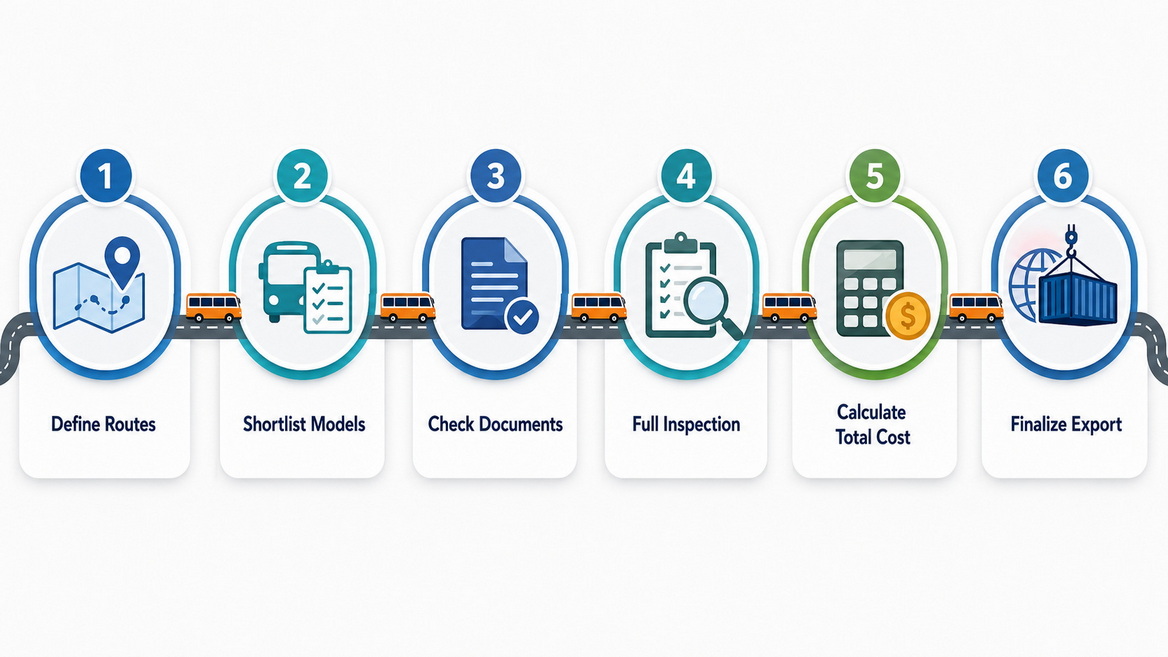
Bringing together expert advice, user experience, and export practice, here is a concise process you can follow:
1. Define purpose, passenger load, and routes in detail.
2. Shortlist 2–4 buses whose configuration and emission standard match your market.
3. Request full documentation: registration, maintenance logs, and any major repair records.
4. Get a comprehensive inspection report (on-site mechanic or exporter's in-house inspection) covering chassis, engine, transmission, brakes, suspension, electrical systems, and interior.
5. Calculate total landed cost including purchase, refurbishment, shipping, duties, and first-year maintenance.
6. Compare offers not just on price but on remaining life, serviceability, and seller reputation.
Where possible, insist on a test drive or detailed driving-video review and be prepared to walk away if any major structural or driveline red flags appear.
| Factor | Why It Matters | What Good Looks Like | Red Flags to Avoid |
|---|---|---|---|
| Chassis & frame | Determines structural safety and bus lifespan | Clean frame, minimal rust, no visible cracks or major weld repairs | Deep rust, warped members, fresh underbody paint hiding repairs |
| Engine & transmission | Drive reliability and major repair risk | Smooth cold start, clean oil, no abnormal noises, smooth shifts | Hard starting, heavy smoke, blow-by, slipping or harsh shifting |
| Mileage & usage | Indicates wear pattern and remaining life | Documented highway or controlled-route usage with full service history | Unknown history, inconsistent mileage, heavy urban abuse |
| Tires & brakes | Impact safety and first-year costs | Tires under 5–6 years old, good tread, healthy brakes and suspension | Aged tires, uneven wear, weak braking, leaking air lines |
| Documentation & legality | Affects registration and compliance | Clear docs, conformity to import rules, known upgrade needs | Missing records, unclear ownership, questionable compliance |
| Seller/exporter reputation | Reduces risk of misrepresentation and after-sale issues | Years in business, references, transparent inspection and media | No verifiable history, pressure tactics, vague answers |
To make this article more engaging and user-friendly, consider adding:
- At the top: A hero image of a refurbished second-hand coach bus from China operating on an overseas route.
- In the "Condition, Chassis, and Rust" section: A labeled photo showing key underbody inspection points (frame rails, cross members, suspension mounts).
- In the "Engine, Driveline" section: A short video or GIF of a mechanic performing a blow-by test and checking the transmission on a test drive.
- In the "New Energy" section: A comparison graphic of diesel vs. electric bus operating cost per kilometer under a sample duty cycle.
- Near the checklist: An infographic summarizing the 6-step decision process to make it easier to remember.
These visuals not only improve user engagement but also help search engines understand the depth and practical value of your content.
Just as important as knowing what to look for is knowing when to say no.
You should seriously consider walking away if you see:
- Structural rust or poorly repaired accident damage on frame or main structural members.
- Major engine or gearbox symptoms (heavy blow-by, metal in oil, persistent overheating) combined with no clear maintenance history.
- Incomplete documentation that will make registration or export risky.
- A seller who refuses independent inspection or shares only selective, low-quality photos and vague descriptions.
There will always be another bus; there may not be another chance to avoid a six-figure mistake over the vehicle's life.
As a China-based exporter focused on second-hand buses, heavy trucks, and new energy vehicles, KeyChain helps international buyers manage these risks by:
- Curating inventory from reputable fleets and known sources with traceable history.
- Providing detailed inspection reports, high-resolution photos, and videos for each unit.
- Advising on model selection, powertrain choice, and configuration based on your route, climate, and regulatory environment.
- Coordinating refurbishment, compliance upgrades, and logistics from port in China to your destination.
If you're considering your first imported bus or planning to expand an existing fleet, working with a specialist partner significantly reduces the learning curve and hidden risks.
If you are evaluating a second-hand bus purchase now—or planning a fleet expansion in the next 12 months—start by documenting your operating needs and regulatory constraints, then match them to a short list of suitable used vehicles. Once you have a candidate vehicle, request a professional inspection report and a complete cost breakdown from a trusted supplier.
To discuss specific models, route requirements, and export options from China, you can reach out to the KeyChain team for a tailored shortlist and inspection plan. The right second-hand bus, chosen carefully, can deliver years of reliable service at a fraction of the cost of a new vehicle—without compromising safety or passenger comfort.
Yes, provided you work with a reputable exporter, insist on detailed inspections, and verify documentation and compliance with your local regulations before committing.
Age depends on chassis condition, mileage, and maintenance; some fleets successfully run well-maintained buses for 15–20 years, while poorly maintained units can be problematic much earlier.
School buses often have strict inspection schedules and detailed maintenance logs, making them attractive candidates, but you must still check rust, chassis integrity, and local compliance rules.
Comprehensive maintenance history usually matters more than mileage alone, especially for highway-operated buses with regular servicing.
They can be a strong option on predictable urban or shuttle routes, but you must carefully assess battery health, local charging infrastructure, and availability of specialized service support.
- American Bus Sales. "What to Look for in Your Bus Purchase." https://americanbussales.net/what-to-look-for-and-avoid-in-your-bus-purchase/
- BusesForSale. com. "The Complete Bus Buying Guide: How to Choose the Right Bus." https://www.busesforsale.com/knowledge-center/blog/how-to-buy-a-bus
- School Bus Fleet. "How and When to Buy a Used School Bus." https://www.schoolbusfleet.com/articles/how-and-when-to-buy-a-used-school-bus
- Reddit r/skoolies. "Advice When Buying a Bus." https://www.reddit.com/r/skoolies/comments/109ap7i/advice_when_buying_a_bus/
- Zhengzhou Tianying Vehicle Sales Co. and similar China used bus exporters (example industry sources). https://www.tianyingusedbus.com
- China used bus / second-hand bus exporters (industry examples). https://usedbuschina.com
- VehicleBus. "Top Guide to Bus Exporters China for Global Buyers." https://www.vehiclebus.com/bus-exporters-china/


