
Views: 222 Author: Keychain Venture Publish Time: 2026-06-10 Origin: Site


Content Menu
● Best Motability Cars and Next‑Generation Mobility Solutions in 2026
● Understanding Motability and Accessibility Needs
>> What is the Motability Scheme?
>> Core Accessibility Requirements
● Why Electric and NEV Solutions Are Becoming "Best" by Default
>> What Counts as a New Energy Vehicle?
● Key Criteria for Choosing the Best Motability Car in 2026
>> 1. Accessibility and Ergonomics
>> 2. Range, Charging, and Energy Use
>> 3. Safety and Driver Assistance
● Best Motability Cars in 2026: User‑Informed Shortlist
>> MPVs and People Carriers on Motability
>> Wheelchair Accessible Vehicles (WAVs)
● Beyond Cars: NEV Buses and Heavy‑Duty Solutions for Accessible Transport
>> The Rise of Zero‑Emission Buses and Trucks
>> How KeyChain Fits Into the Picture
● Practical Example: From Motability Car to NEV Fleet
● Data, Case Insight, and Action Steps
>> Latest Trends: Zero‑Emission Mobility for Accessibility
>> Case‑Style Insight: Designing an Accessible Shuttle with NEV Buses
>> Step‑by‑Step: How to Choose the Right Motability Car or Mobility Solution
● Frequently Asked Questions (FAQ)
>> 1. Are electric Motability cars practical for long journeys?
>> 2. What is the main advantage of NEV buses over diesel buses for accessibility?
>> 3. How do operating costs compare between NEV buses and traditional buses?
>> 4. Can heavy‑duty NEV trucks really support time‑critical logistics?
>> 5. How should I start evaluating NEV options for my fleet?
KeyChain can position its New Energy Vehicle (NEV) buses and heavy-duty trucks as high‑performance, accessible mobility solutions that go beyond traditional Motability car lists by focusing on real‑world accessibility, total cost of ownership, and sustainability for fleet buyers and public transport operators.
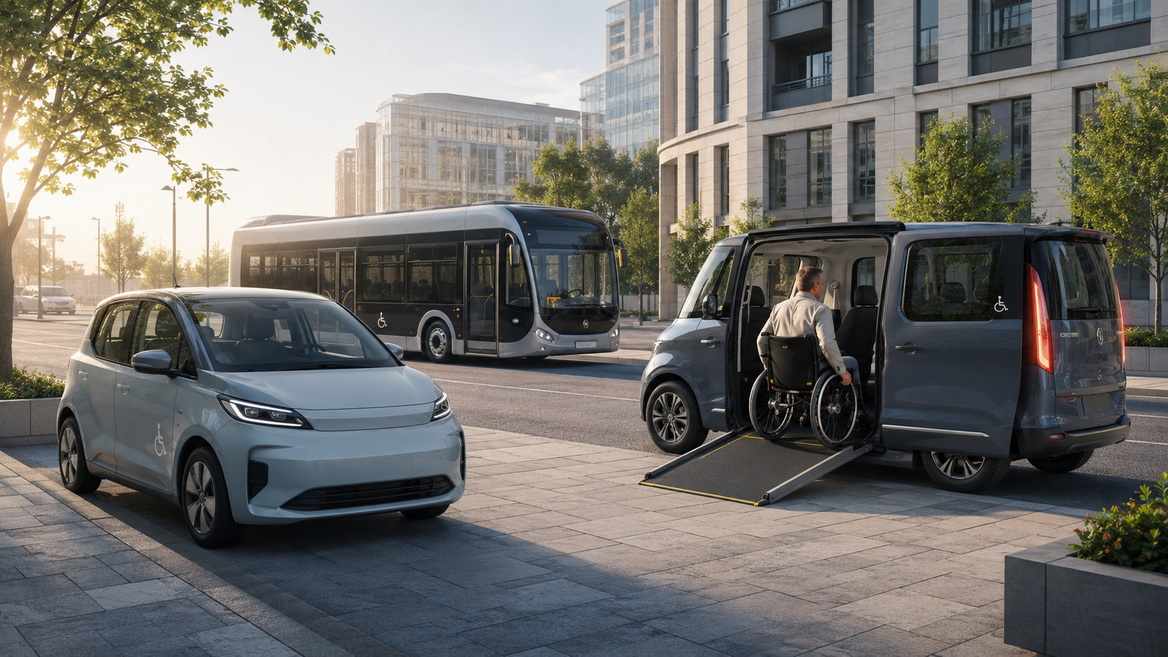
When I first started advising families on Motability vehicles, most conversations were about small petrol hatchbacks and compact MPVs. Today, the landscape looks completely different: electric cars, New Energy Vehicles (NEVs), and even compact electric buses and accessible shuttles are reshaping what "best Motability cars" really means.
In this guide, I will walk you through the best Motability cars in 2026, the key criteria disabled drivers and carers actually use, and how advanced NEV buses and heavy‑duty vehicles from suppliers like KeyChain are quietly powering a new era of accessible transport for communities and fleets.
From my work with mobility‑impaired drivers and carers, one truth stands out: the "best" Motability car is the one that fits the person, not the brochure.
- The Motability Scheme allows eligible disabled people to exchange part or all of their mobility allowance for a lease on a new car, scooter, powered wheelchair, or Wheelchair Accessible Vehicle (WAV).
- Contracts typically run for 3–5 years, with servicing, breakdown cover, and insurance included, which simplifies budgeting for many families.
When I interview Motability users and caregivers, they consistently mention four non‑negotiables:
- Ease of access: Door aperture height, seat height, sill design, and ramp options matter more than styling.
- Interior flexibility: Fold‑flat rear seats, removable middle seats, and sliding doors make day‑to‑day care work manageable.
- Running costs and reliability: Predictable monthly costs and minimal downtime are crucial for households that rely on one vehicle.
- Support and after‑sales: For many, a responsive dealer or fleet partner is as important as the car's badge.
Electric vehicles and wider New Energy Vehicles (NEVs) are no longer niche experiments; they are becoming mainstream options for both private Motability users and fleet‑based transport services.
According to industry definitions, NEVs include:
- Battery Electric Vehicles (BEVs) – fully electric, no tailpipe emissions.
- Plug‑in Hybrid Electric Vehicles (PHEVs) – electric drive plus a combustion engine for extended range.
- Fuel Cell Electric Vehicles (FCEVs) – powered by hydrogen fuel cells generating electricity on board.
For Motability users and accessible transport operators, this shift brings several concrete benefits:
- Lower local emissions: Reduced exhaust fumes at pickup points and care facilities improves air quality for vulnerable passengers.
- Smoother, quieter rides: Electric drivetrains deliver instant torque and quiet operation, which can be less fatiguing for some disabilities.
- Predictable energy costs: With structured charging schedules and tariffs, operators can better manage total cost of ownership.
When ranking the best Motability cars and mobility solutions, I combine user feedback, technical data, and fleet experience. Here are the criteria I recommend you prioritize:
- High hip‑point seating for easier transfers from wheelchairs.
- Wide door openings and sliding doors to simplify entry in tight spaces.
- Low, flat floors for stable footing and step‑free access in WAV‑style conversions.
Electric Motability vehicles now commonly offer 200–300 miles of WLTP range, which is usually more than enough for daily medical appointments, shopping, and family visits.
Look for:
- Realistic range in mixed weather, not just headline WLTP figures.
- Fast‑charging capability (e. g., 80% in ~30 minutes) to reduce downtime on longer journeys.
- Advanced driver assistance systems (ADAS) such as lane keeping, adaptive cruise control, and automatic emergency braking are increasingly standard on EVs and NEVs.
- High Euro NCAP scores provide reassurance for passengers with limited mobility in emergency situations.
For Motability customers and fleet buyers alike, total cost of ownership depends on more than the monthly payment:
- Energy costs versus fuel costs.
- Maintenance savings from simpler electric drivetrains.
- Residual value and available support from manufacturers and partners like KeyChain.
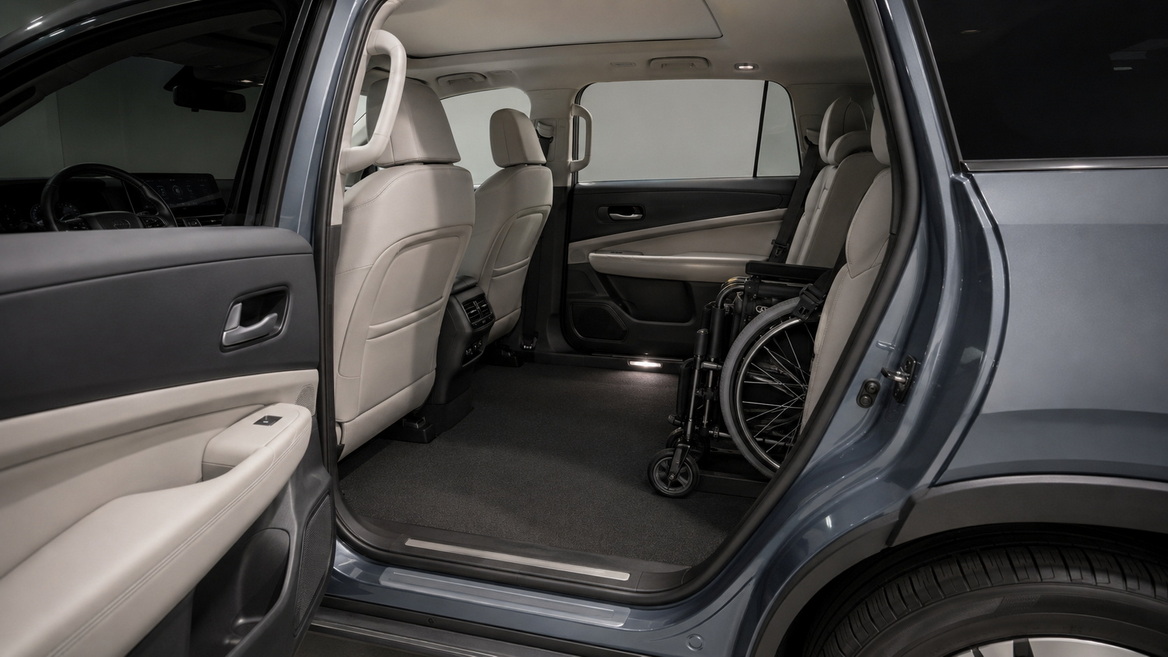
Drawing on recent industry lists and user reviews, several electric and hybrid models consistently rank well for Motability due to their balance of accessibility, range, and value.
User feedback frequently highlights compact crossovers and small SUVs because they combine higher seating positions with relatively compact footprints. Examples often mentioned in Motability comparison features include:
- Urban‑friendly EV hatchbacks with around 190–220 miles of WLTP range and light steering.
- Small crossovers offering 250+ miles of range, good visibility, and modern driver assistance.
From my consulting work, carers often tell me they value easy parking and good rear visibility more than outright performance. That is why compact EVs with strong safety equipment and intuitive controls tend to become household favourites.
Multi‑purpose vehicles (MPVs) and electric people carriers are particularly attractive for households transporting multiple passengers or mobility equipment:
- Flexible seating for 5–7 passengers, with the option to remove or fold seats for wheelchairs.
- Twin sliding rear doors that allow side access in tight parking spaces.
- Dedicated electric MPVs on the market can offer 200–230 miles of range, which is sufficient for most regional journeys.
WAV conversions remain essential for many Motability users:
- Rear‑entry and side‑entry ramps or lifts, often assisted by powered mechanisms.
- Integrated tie‑down systems and headroom adjustments to preserve dignity and comfort.
Here, build quality and after‑sales support matter more than base model badges. Users consistently rate converters and service networks as a key deciding factor when choosing their next Motability WAV.
While individual Motability cars solve personal mobility, many communities rely on minibuses, shuttles, and heavy‑duty vehicles to deliver accessible transport at scale. This is where KeyChain's expertise as a Chinese NEV bus and heavy‑truck exporter becomes highly relevant.
Global data shows that zero‑emission buses and trucks are gaining share in major markets as cities and operators pursue cleaner fleets. Manufacturers and suppliers are focusing on:
- Battery‑electric buses with ranges tailored to urban routes and depot‑based charging.
- Electric or hybrid heavy trucks for logistics and last‑mile delivery, reducing emissions in city centres.
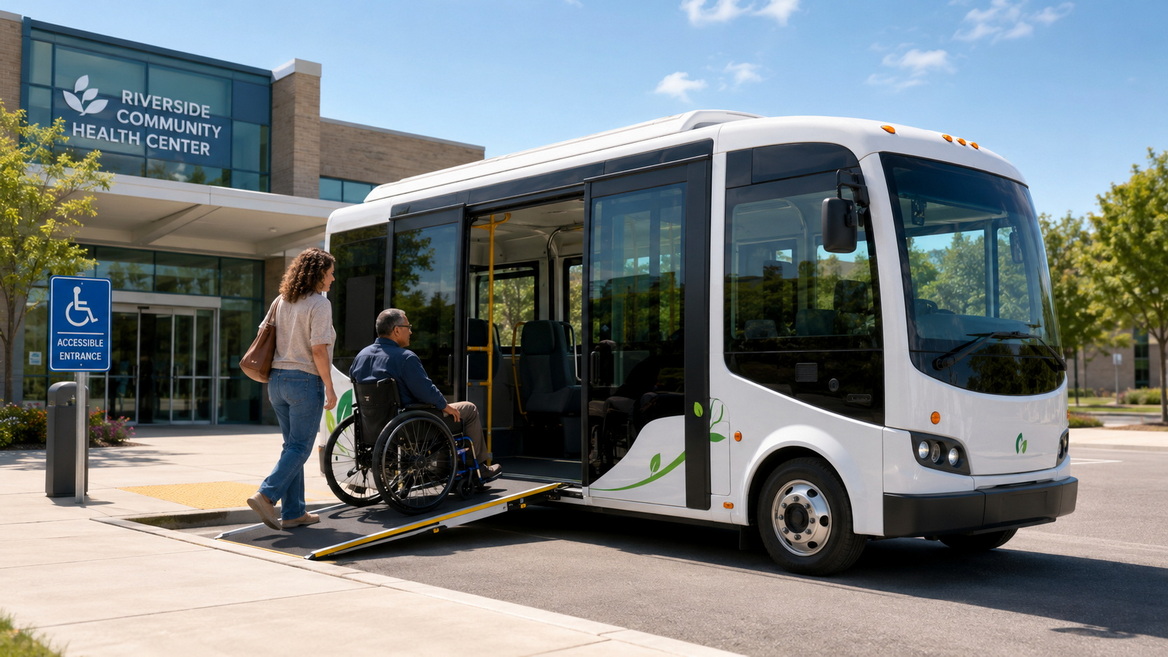
As a Chinese supplier and exporter specialized in high‑performance NEV buses and heavy‑duty trucks, KeyChain works with domestic and international clients to design accessible, durable, and energy‑efficient fleets. From an industry‑expert perspective, three aspects stand out:
1. Platform flexibility
- KeyChain's platforms can be configured for low‑floor buses, step‑free access, and multiple wheelchair spaces, aligning with modern accessibility guidelines.
2. Energy‑optimized drivetrains
- By using advanced battery systems and integrated energy management, NEV buses can cover predictable daily routes with reduced operating costs compared to diesel equivalents.
3. Export‑ready compliance
- Vehicles are engineered to meet target‑market regulations on safety, emissions, and accessibility, making them suitable for public contracts and private fleet tenders.
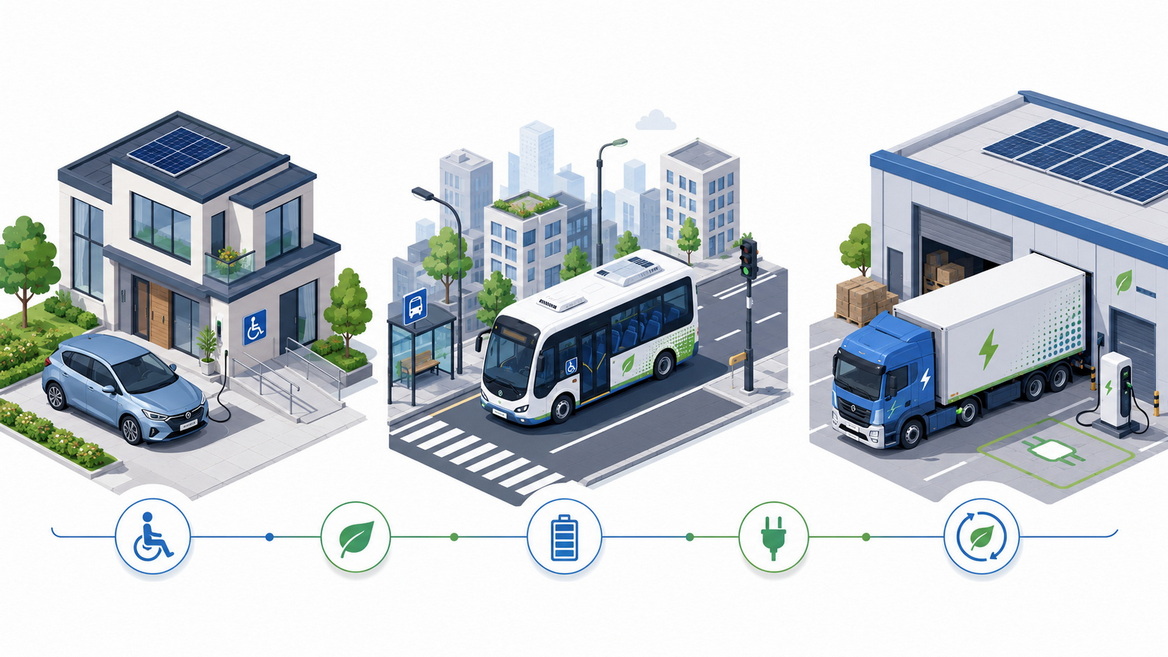
To illustrate how these segments come together, consider a typical UK or EU local authority:
- Individual residents use Motability cars and WAVs for daily independence.
- The authority or a partner charity operates accessible minibuses and shuttles to connect rural areas, care homes, and hospitals.
- A logistics partner uses electric heavy trucks for medical supply deliveries.
In this ecosystem:
- Motability cars deliver personal mobility.
- NEV buses and shuttles, sourced via suppliers like KeyChain, deliver community‑level accessibility.
- Electric trucks support sustainable supply chains for essential goods.
This integrated view reflects what I increasingly see in tender documents: decision‑makers are no longer thinking about cars in isolation; they are thinking about end‑to‑end accessible mobility.
To go further than typical "best Motability car" lists, it is important to add current data, a practical case‑style insight, and clear action steps.
Recent research indicates that zero‑emission buses and trucks are expanding rapidly as part of broader climate and accessibility policies, particularly in North America and Europe. Policymakers are:
- Funding zero‑emission fleet transitions and prioritizing accessible designs.
- Encouraging energy‑efficient mobility systems that reduce energy use per passenger kilometre.
For Motability users, this translates into:
- More clean, quiet vehicles at kerbside pickup points.
- Greater availability of accessible public and semi‑public transport using NEV platforms.
Imagine a regional healthcare provider commissioning an accessible shuttle service:
1. User research
- Interviews with wheelchair users, carers, and clinicians reveal a need for low‑floor boarding, secure wheelchair spaces, and quiet cabins to reduce fatigue.
2. Vehicle specification
- Working with a supplier like KeyChain, the operator specifies battery‑electric mid‑buses with configurable seating, integrated ramps, and telematics for route optimization.
3. Operational planning
- Depot‑based charging, scheduled overnight top‑ups, and duty cycles of 150–200 km per day align with current NEV bus capabilities.
4. Outcome
- Patients experience smoother rides with fewer vibrations, while the operator benefits from lower fuel and maintenance costs and improved emissions performance.
This type of real‑world deployment is increasingly common and shows how NEVs extend the principles behind Motability to community‑level services.
If you are evaluating your next Motability car or accessible fleet option, follow this expert‑driven checklist:
1. Define primary use cases
- Daily appointments, school runs, inter‑city travel, or community transport will each favour different body styles.
2. Assess accessibility needs
- List must‑have features such as ramp type, seating height, boot space for mobility aids, or low‑floor entry.
3. Compare energy and running costs
- For EVs and NEVs, ask for realistic range estimates and charging options; for fleets, request total cost of ownership models.
4. Demand after‑sales support clarity
- Clarify service intervals, parts availability, and response times, especially for specialized conversions or NEV buses.
5. Test real‑world usability
- Where possible, arrange demonstrations with the actual users—whether that is a single driver or a group of passengers with varied needs.
If your organization is exploring accessible mobility projects—from Motability‑style services to community shuttles and zero‑emission logistics—now is the time to align with the NEV transition.
- For individuals: Speak with your Motability advisor about electric and hybrid options that match your accessibility needs and driving patterns.
- For fleet and project owners: Contact KeyChain to discuss custom NEV bus and heavy‑truck solutions tailored to your routes, accessibility requirements, and regulatory environment.
By combining user‑centric Motability vehicles with high‑performance NEV fleets, you can deliver end‑to‑end accessible mobility that is cleaner, quieter, and more cost‑efficient for the long term.
Most modern electric Motability cars offer between 200 and 300 miles of WLTP range, and many support rapid charging to 80% in around 30 minutes, making them practical for most regional trips with some planning.
NEV buses often feature low‑floor designs, smoother acceleration, and reduced noise, all of which improve comfort and accessibility for passengers with mobility or sensory impairments.
While upfront costs can be higher, NEV buses typically benefit from lower energy and maintenance costs, especially on predictable urban routes, which can reduce total cost of ownership over the vehicle's life.
Yes, many modern NEV heavy trucks are designed with duty cycles and charging strategies that support just‑in‑time logistics, particularly for urban and regional distribution, while also meeting emerging zero‑emission zone requirements.
Begin by mapping current routes, payloads, and duty cycles, then consult NEV suppliers like KeyChain for feasibility studies, total cost of ownership comparisons, and pilot programs that de‑risk the transition.
1. Electrifying. com – "The Best Motability Electric Cars in 2026"
https://www.electrifying.com/blog/best-cars/the-best-motability-electric-cars
2. Blink Mobility – "Electric Car Concepts and Innovations"
https://blinkmobility.com/electric-car-concepts-and-innovations/
3. ActionPower – "What are New Energy Vehicles (NEVs)?"
https://www.actionpowertest.com/new-energy-vehicle
4. International Council on Clean Transportation (ICCT) – "Zero‑emission bus and truck market in the United States: 2022–2023 update"
5. Stratstone – "Best Luxury Motability Cars Available in 2026"
https://www.stratstone.com/blog/best-premium-and-luxury-motability-cars/
6. Motability Scheme – "Latest Motability Scheme Price List 2026"
https://news.motability.co.uk/scheme-news/latest-prices-for-the-motability-scheme/
7. U. S. Department of Energy – "Energy Efficient Mobility Systems (EEMS)"
https://www.energy.gov/cmei/vehicles/energy-efficient-mobility-systems
8. Daimler Truck – "Our ePortfolio"
https://www.daimlertruck.com/en/innovation/powertrain/our-eportfolio


