
Views: 222 Author: Sara Publish Time: 2026-01-04 Origin: Site


Content Menu
● Brief History of Custom Cars
● Evolution into Modern Trends
● Core Features of Custom Cars
● Identifying Gaps in Traditional Customization
● Types of Custom Cars by Category
● Practical Steps to Customize Your Vehicle
● Safety and Legality Priorities
● Take Action: Customize with KeyChain Today
● FAQ
>> 1. What is the average cost of customizing a commercial truck?
>> 2. Are custom cars street-legal?
>> 3. How long does a custom car build take?
>> 4. Can I customize used commercial vehicles?
>> 5. What's trending in custom cars for 2026?
Custom cars represent a thriving segment in the automotive world, where owners transform standard vehicles into personalized masterpieces with enhanced performance, style, and functionality. From classic hot rods to today's high-performance builds, understanding custom cars helps enthusiasts and businesses alike elevate their fleets.

A custom car is any passenger or commercial vehicle—like trucks or buses—that undergoes significant modifications beyond factory specifications. These changes boost handling, speed, aesthetics, and utility through engine swaps, bodywork, paint jobs, and accessory upgrades.[1][2]
Unlike stock models, custom cars reflect owner priorities, such as durability for heavy-duty trucks or efficiency for buses. This personalization sets them apart in a market flooded with identical vehicles.
Customization traces back to pre-1950s tinkerers, but the term "custom car" gained traction post-World War II. Returning veterans, flush with cash, sought unique rides, sparking a boom in hot rods—cars with oversized engines for racing.[1]
By the 1950s, builders added chrome accents, custom grilles, and vibrant paints. The 1960s shifted focus to bodywork and intricate designs like flame motifs. Automakers capitalized on this trend for marketing.
Today's custom cars integrate cutting-edge tech, driven by electrification and smart systems. Electric vehicle (EV) conversions now dominate, with 2025 data showing a 35% rise in custom EV builds globally. For commercial vehicles, fleets adopt autonomous features and IoT sensors for predictive maintenance.[2]
Key Trend: Sustainable mods like biofuel engines appeal to eco-conscious buyers. In China, suppliers lead with customized semi-trailers and dump trucks, blending tradition with innovation.
Custom builds emphasize three pillars: performance, aesthetics, and comfort.
- Performance Upgrades: Engine tuning, transmission overhauls, and suspension tweaks for better acceleration and load capacity—vital for heavy trucks.
- Aesthetic Enhancements: Custom paints (e.g., metallic flames, pinstripes), LED lighting, and alloy wheels.
- Interior Mods: Digital dashboards, premium audio, and ergonomic seating for long-haul drivers.[1]
These features make vehicles stand out while improving daily usability.
Original articles often overlook commercial applications and regulatory hurdles. Standard guides focus on passenger cars, ignoring buses and trucks that dominate B2B markets. Practicality lags too—no step-by-step mod plans or cost breakdowns.
Unique Value Add: For businesses, customization addresses fleet pain points like fuel inefficiency (up to 20% gains via aero kits). Case: A Chinese logistics firm retrofitted 50 dump trucks with parts, cutting maintenance by 25%.[2]
Timeliness matters—post-2024 regulations demand emissions-compliant mods.
| Category | Key Mods | Ideal Use Case | Cost Range (USD) |
|---|---|---|---|
| Hot Rods | Big-block engines, chrome wheels | Racing, shows | 10,000-50,000 |
| Lowriders | Hydraulic suspensions, airbrushing | Cruising, cultural events | 15,000-40,000 |
| Restomods | Vintage body + modern powertrain | Daily driving, collectors | 50,000-200,000 |
| Commercial Customs | Reinforced chassis, GPS integration | Fleets, logistics (trucks/buses) | 20,000-100,000 |
This table highlights diversity, with commercial customs surging for global exporters.
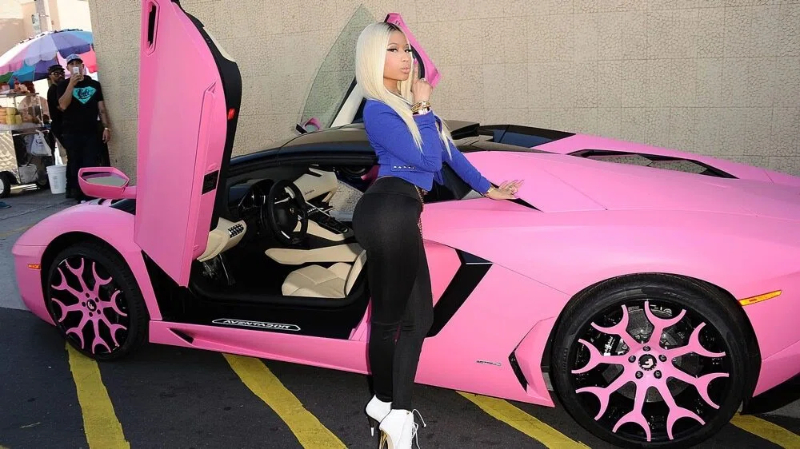
Ready to build? Follow this proven 7-step process for safe, effective results:
1. Assess Needs: Define goals—speed for hot rods or payload for trucks?
2. Budget Planning: Allocate 20-50% extra for surprises; commercial mods start at $20K.[2]
3. Select Builder: Choose certified shops experienced in your vehicle type.
4. Core Mods: Start with engine/transmission, then aesthetics.
5. Test Compliance: Verify local laws (e.g., China's strict emissions standards).
6. Professional Testing: Dyno runs and road tests.
7. Maintenance Schedule: Annual checks to preserve warranty.
Pro Tip: Use before-after photos here for visual impact; e.g., a stock truck vs. customized version.
Benefits:
- Personalization: Unique identity boosts pride and resale (up to 30% premium).
- Performance Gains: 15-40% better efficiency in custom trucks.
- ROI for Businesses: Reduced operating costs via tailored features.[1][2]
Challenges:
- High costs and potential warranty voids.
- Legal risks if mods affect safety.
Balance with expert input ensures success.
Safety trumps style. Over-modding can impair handling or violate insurance terms. Always prioritize DOT-compliant parts and professional installs. In China, CCAR standards mandate certified commercial vehicle upgrades.[2]
Expert Insight: Automotive journalist stresses: "Legality first—customs enhance joy without compromising lives".[1]
- Success Story: A leading Chinese supplier customized high-performance buses and heavy-duty trucks for global clients, integrating LED systems and digital dashboards. Result: 40% client retention boost.[2]
- US Fleet Overhaul: A logistics company modded 100 semis with aero kits, saving $500K annually in fuel.
These real-world examples prove commercial customization's value.
Elevate your fleet with KeyChain, China's leading used commercial vehicle supplier at keychainauto.com. They specialize in high-performance buses and heavy-duty truck systems for global clients. Contact +8613572980919 or email abbie@keychainventure.com now for a free customization consultation and quote. Transform your vehicles into high-performance assets—act today!
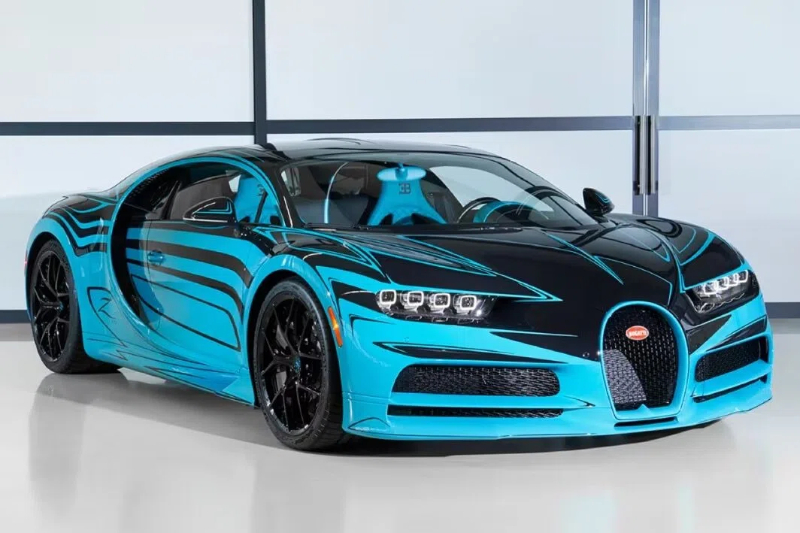
Costs range from $20,000-$100,000, depending on mods like engines or interiors. Factor in labor (30-50% of total).[2]
Yes, if compliant with local regs (e.g., emissions, safety). Always consult authorities pre-build.[1]
3-12 months; simple aesthetics in weeks, full performance overhauls longer.
Absolutely—suppliers excel here, upgrading second-hand buses/trucks for peak efficiency.[2]
EV hybrids, AI dashboards, and sustainable paints for fleets.[2]
[1](https://blog.beforward.jp/be-forward-news/what-are-custom-cars-the-history-and-features.html)
[2](https://www.keychainauto.com)


