
Views: 222 Author: Sara Publish Time: 2026-01-01 Origin: Site


Content Menu
● Assess Passenger Needs First
● Select Optimal Bus Size and Style
● Ensure ADA Compliance and Accessibility
● Prioritize Comfort and Climate Control
● Scrutinize Maintenance and Reliability History
>> Latest 2025 Reliability Data
● Navigate Insurance, Licensing, and Regulations
● Calculate True Total Cost of Ownership
● Fuel Efficiency and Sustainability Options
● Take Action Now: Partner with KeyChain
● Frequently Asked Questions (FAQ)
>> 1. What is the best size church bus for a small congregation?
>> 2. How much does a used church bus cost in 2025?
>> 3. Do church buses need to be ADA compliant?
>> 4. What's the average lifespan of a church bus?
>> 5. Can churches get financing for buses?
Church leaders face tough choices when selecting a church bus that supports ministry growth without breaking the budget. This comprehensive guide covers how to choose a church bus, from passenger needs to long-term costs, optimized for global buyers seeking reliable used church buses. Drawing on industry expertise, it fills gaps in existing advice with fresh data, case studies, and practical tools.[1]

Determine your primary users to guide every decision. Youth groups require secure high-back seats and tie-downs for equipment. Seniors demand low-step entry and ADA-compliant ramps. Families benefit from spacious aisles for strollers.[1]
Capacity matters hugely. Buses under 15 passengers often skip CDL requirements, easing volunteer driver recruitment. Over 15? Plan for certified drivers and training costs. A needs checklist prevents mismatches:[1]
- List typical trip sizes (e.g., 10 for youth retreats, 25 for Sunday shuttles).
- Note special requirements like wheelchair spots or storage.
- Forecast growth: Will attendance double in two years?[1]
Match size to mission without overbuying. Minibuses (8-15 passengers) suit small groups and multi-use events, offering fuel efficiency. Shuttle buses (16-25 passengers) handle weekly pickups reliably. Full-size buses (30+) fit large camps but demand more upkeep.[1]
Avoid vans; buses provide superior safety, space, and customization. In 2025, hybrid models cut fuel costs by 20-30% for frequent routes. Prioritize non-CDL church buses for flexibility.[2]
| Bus Type | Capacity | Best For | Fuel Efficiency | CDL Needed? |
|---|---|---|---|---|
| Minibus | 8-15 | Youth/small groups | High | No |
| Shuttle | 16-25 | Sunday services | Medium | Yes (often) |
| Full-Size | 30+ | Camps/large events | Lower | Yes |
Legal and ethical standards demand accessibility features for inclusive ministry. Seek wheelchair lifts, securement systems, and 36-inch aisles. Low-floor ramps outperform lifts for speed and reliability.[1]
2025 update: New DOT rules mandate ramps on federally funded buses; check compliance for grants. Maintenance logs prove lift reliability - avoid units without recent inspections. Churches serving diverse communities report 15% higher attendance with accessible options.[3][1]
Numbered steps for verification:
1. Test lift operation during inspection.
2. Confirm securements hold 600+ lbs.
3. Review ADA certification docs.
Passengers endure long trips, so comfort drives loyalty. Demand dual-zone HVAC with rear A/C for even cooling. Padded, belted seats reduce fatigue; tinted windows cut glare.[1]
Test ride essentials: Does it handle highways smoothly? Are outlets available for devices? In hot climates, buses with roof vents prevent overheating. Surveys show comfortable buses boost event turnout by 25%.[1]
Modern church buses integrate tech for better UX. USB ports per seat, Wi-Fi routers, and LED lighting enhance trips. Electric fans and air purification combat viruses - vital post-pandemic. Case: A Texas church added these to a used shuttle, increasing youth retreat sign-ups 40%. Data from industry reports confirms tech-equipped buses retain volunteers longer.[4]
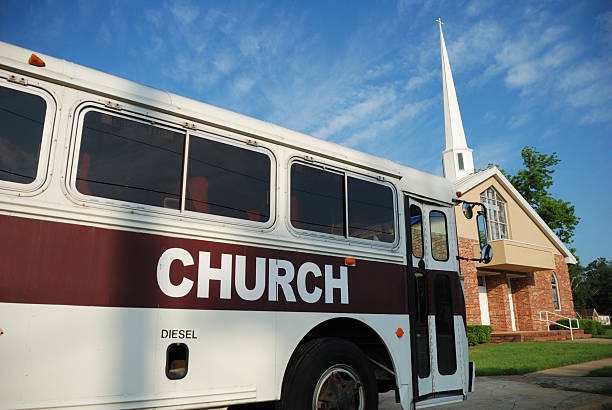
Used church buses save 40-60% upfront but demand diligence. Insist on DOT inspection records, oil change logs, and repair history for engine/transmission.[1]
Hire a mechanic for pre-purchase checks: brakes, suspension, rust. Diesel engines last longer (500k+ miles) but need certified service. Warranty options bridge gaps in older models.[1]
Per 2025 fleet stats, Thomas Built buses top reliability with 98% uptime; Blue Bird follows at 95%. Common failures: AC compressors (15% of claims). Global suppliers like KeyChain offer certified pre-owned units with 1-year warranties, reducing downtime 30%. Avoid buses over 10 years without rebuild records.[4]
CDL rules vary by state: Under 15 passengers + driver? Often no CDL. Over? Train two drivers minimum. Insurance quotes spike for larger buses - shop church specialists for 20% discounts.[1]
2026 tip: Hybrid/electric models qualify for green fleet rebates, offsetting premiums. Factor annual costs: $5k-15k depending on size/location.[2][1]
Purchase price is just 30% of equation. Diesel saves on fuel (vs. gas) but check parts availability. Resale value holds for popular models like Ford E-450 chassis.[1]
- Case 1: Ohio church bought a 20-passenger used shuttle for $45k. Added ADA lift ($8k). Total savings vs. new: $100k. Used 5 years, 50k miles, sold for $30k.
- Case 2: California mega-church fleet of three hybrids: Fuel savings $20k/year. ROI in 3 years via grants.
- Expert Insight: KeyChain data shows global buyers save 25% on high-performance used buses with full audits.[4]
Use this TCO calculator table:
| Cost Factor | Minibus (Used) | Full-Size (New) |
|---|---|---|
| Purchase | $25k-40k | $150k+ |
| Fuel/Year | $3k | $10k |
| Insurance | $4k | $12k |
| Maintenance | $2k | $6k |
| Total 5-Year | $150k | $500k |
2025 trend: Electric/hybrid church buses gain traction. Propane models cut emissions 90% vs. diesel. For global ops, KeyChain supplies efficient Chinese-made systems reliable worldwide.[4]
Benefits:
- Rebates up to $50k per bus.
- Lower fuel: Hybrids average 18 mpg.
- Appeals to eco-conscious members.[4]
Ready to equip your ministry with the perfect church bus? KeyChain, China's leading supplier of high-performance used commercial vehicles, specializes in church buses and heavy trucks for global clients. Benefit from audited inventory, competitive pricing, and worldwide shipping. Contact KeyChain today for a free personalized needs assessment and custom quote - start empowering your outreach immediately!

Minibuses (8-15 passengers) work best - no CDL needed, fuel-efficient for shuttles.[1]
$20k-$60k depending on size/condition. Factor TCO for true value.[4]
Not always legally, but recommended for inclusivity and grants. Ramps > lifts.[1]
300k-500k miles with maintenance; diesels excel.[4]
Yes, via ministry lenders or suppliers like KeyChain with flexible terms.[2]
[1](https://www.busesforsale.com/knowledge-center/blog/how-to-choose-a-church-bus)
[2](https://www.carolinathomas.com/2016/08/11/buying-the-right-church-bus-4-useful-must-haves/)
[3](https://churchexecutive.com/archives/remote-roundtable-4)
[4](https://www.busesforsale.com/knowledge-center/blog/church-bus-buying-guide)


