
Views: 222 Author: Sara Publish Time: 2026-03-29 Origin: Site


Content Menu
● Understanding Colombia's Used Bus Market
● Methodology: How These Rankings Were Developed
● What Colombian Operators Prioritize in Practice
● Leading Used Bus Manufacturers in Colombian Fleets
● Performance, Reliability and Durability
● Total Cost of Ownership and Long‑Term Profitability
● Comfort, Accessibility and Passenger Perception
● Safety, Driving Dynamics and Regulatory Compliance
● After‑Sales Support and Parts Ecosystem
● Types of Used Bus Suppliers and Their Roles
● Emerging Focus: Used Hybrid and Electric Buses
● Practical Buying Framework for Colombian Fleet Decision‑Makers
● Call to Action for Colombian Operators and Fleet Owners
● Frequently Asked Questions (FAQ)
>> 1. Why are used buses so important in Colombia's fleet renewal?
>> 2. Which manufacturers are usually favored for Colombia's mountainous routes?
>> 3. How can Colombian buyers validate the condition of a used bus purchased from abroad?
>> 4. Are used electric city buses already a realistic solution for Colombian cities?
>> 5. What advantages can an exporter like KeyChain offer compared with local used bus dealers?
As a China‑based exporter of second hand buses, used city buses, heavy trucks and new energy vehicles, I have spent years talking directly with Colombian fleet owners, drivers and workshop managers about what actually works on their roads. From the steep approaches to Bogotá to the coastal humidity of Barranquilla, their feedback reveals a clear pattern: reliability, after‑sales support and total cost of ownership matter far more than the sticker price. In this guide, I combine those real‑world experiences with publicly available market information to rank leading used bus manufacturers and supplier types in Colombia, and to show how a specialist exporter such as KeyChain can support fleets with well‑matched second hand city buses and coaches. [getyourguide]

Colombia's public transport ecosystem is built on a mix of large urban systems, such as TransMilenio in Bogotá, Metroplús in Medellín and MIO in Cali, and thousands of regional and intercity routes operated by private companies. Used buses represent a significant share of fleet renewal because they allow operators to modernize without the capital outlay of new units, while still complying with local regulatory requirements and passenger expectations. [getyourguide]
For a city operator in Bogotá, used low‑floor city buses often serve BRT feeder lines and dense urban corridors, where fast boarding and accessibility are crucial. In contrast, a regional company in Antioquia may favor robust high‑floor coaches that can handle steep gradients, mixed pavement and long distances. A growing number of private companies and schools also procure used city buses for staff and student transport, prioritizing comfort, safety and predictable operating costs.
To make this guide genuinely practical, the evaluation framework combines hands‑on operational feedback with technical and commercial criteria. The key inputs are:
- Operator feedback: Conversations with fleet managers, owners and drivers about breakdown frequency, fuel consumption, driver satisfaction and passenger perception on different routes and brands.
- Observed market presence: The brands and models that appear repeatedly in Colombian fleets, auctions, tenders and dealer inventories, and how long they typically stay in service. [getyourguide]
- Technical and commercial factors: Parts availability, compatibility with local workshops, emission standards, and suitability for diesel, CNG, hybrid or electric configurations. [itdp]
Each manufacturer and supplier type is assessed against five main dimensions:
1. Reliability and durability in real‑world Colombian operating conditions.
2. Total cost of ownership (TCO) over a realistic 5–10 year horizon.
3. Safety and passenger comfort, including accessibility features.
4. After‑sales support and parts ecosystem, both domestic and via exporters.
5. Readiness for cleaner technologies, including hybrid and battery electric buses, where relevant. [mofcom.gov]
This approach is designed to reflect the actual trade‑offs faced by fleet decision‑makers rather than theoretical catalog comparisons.
Discussions with Colombian bus operators consistently highlight several decision priorities:
- Maximized uptime: A bus that spends days in the workshop erodes service reliability and revenue. Models with robust drivetrains and predictable maintenance schedules are favored.
- Controllable operating costs: Fuel or energy consumption in congested urban environments, combined with maintenance expenses, significantly affects margins across fleets of dozens or hundreds of units.
- Passenger comfort and safety: Low‑floor access, stable suspensions, effective air‑conditioning and strong braking performance are central to customer experience and public image. [itdp]
- Serviceability and support: Fleet owners prefer platforms that local mechanics understand and for which spare parts can be sourced either inside Colombia or from trusted international suppliers such as KeyChain.
These practical considerations heavily influence which manufacturers and supplier types are recommended below.
While exact preferences vary by city, route and operator profile, several manufacturers regularly appear as strong options in the Colombian used bus market. Based on commonly reported strengths and concerns, the table below summarizes how different brands tend to be positioned in urban and intercity operations. [github]
| Manufacturer | Typical strengths | Common concerns | Recommended applications |
|---|---|---|---|
| Mercedes‑Benz | Robust durability, wide parts availability, driver familiarity | Higher purchase price versus some competitors | Urban, intercity, staff and school transport |
| Scania | Powerful engines, suited to heavy loads and steep routes | Requires disciplined maintenance practices | BRT, long‑distance, mountainous corridors |
| Volvo | High safety standards, strong comfort for city operations | More complex electronics for smaller workshops | BRT systems, premium urban and BRT feeder |
| Hino / Toyota | Simpler mechanics, good fuel efficiency in mid‑size segment | Limited capacity on very high‑demand corridors | Feeder lines, regional and rural services |
| Chinese brands | Competitive pricing, relatively recent model years | Perceived uncertainty about long‑term support | Rapid fleet renewal, pilot and expansion |
From a fleet operations perspective, predictable reliability is one of the most valuable attributes of any used bus. On demanding urban and mountainous routes, operators generally look for:
- Engines that handle long daily duty cycles with stable performance and acceptable oil consumption.
- Chassis and suspensions that stand up to speed bumps, potholes and varying road surfaces without constant structural repairs.
- Drivetrains that tolerate frequent stop‑and‑go traffic and steep gradients without overheating or premature wear.
Used Scania and Mercedes‑Benz articulated buses, for example, are often chosen for their balance of power and durability when maintained according to manufacturer recommendations. Volvo city buses are commonly associated with good drivability and stability, which many drivers in large Latin American cities regard positively. [newyork.china-consulate.gov]
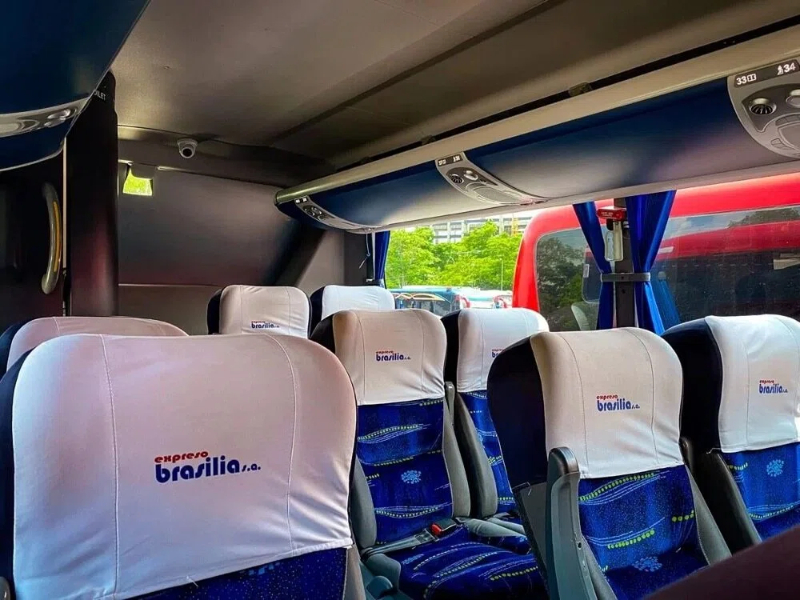
A realistic investment assessment goes beyond the initial purchase price and examines total cost of ownership. Key elements that Colombian buyers typically factor in include:
- Average fuel or energy consumption per kilometer under actual route conditions.
- Scheduled maintenance (lubricants, filters, brake components) and typical intervals.
- Frequency and cost of unplanned repairs, especially related to transmissions, air systems and electronics.
- Tire wear linked to road quality and driving patterns.
- Residual value or potential resale options at the end of the vehicle's service life. [mofcom.gov]
Comparing a cheaper unit with higher fuel consumption against a more efficient, better‑supported model over a multi‑year horizon often reveals that the higher‑quality bus delivers a better lifecycle return. Exporters like KeyChain add value by helping clients perform route‑specific TCO comparisons between candidate models (for example, low‑floor versus high‑floor city buses) before they commit capital.
As public expectations evolve, especially in large cities with integrated systems, passenger experience has a direct impact on ridership and satisfaction. Operators pay close attention to:
- Ride comfort: Vibration levels, noise, suspension tuning and seating design, all of which affect perceived quality.
- Climate control: Reliable air‑conditioning performance in hot or humid climates, and adequate ventilation for dense peak‑hour loads.
- Accessibility: Low‑floor designs, ramps or lifts, and clear interior circulation for elderly passengers and those with reduced mobility. [itdp]
Upgrading to used low‑floor buses with effective climate control and modern interior layouts can improve boarding times, reduce complaints and strengthen the image of an operator, even when the buses themselves are not brand‑new. For school, staff and corporate shuttle use, interior comfort, safety belts and seat configuration become particularly important selection criteria.
Safety considerations in Colombia combine regulatory compliance with real operating risks linked to geography and dense urban environments. Operators generally value:
- Strong braking systems, including retarders or auxiliary braking for mountainous routes.
- Vehicle stability on curves, in wet conditions and at highway speeds.
- Driver ergonomics, including visibility, control layout and fatigue‑reducing features.
- Compliance with local and international safety norms, such as structural strength, emergency exits and fire safety measures. [github]
Manufacturers like Volvo, Scania and Mercedes‑Benz emphasize comprehensive safety packages in their bus product lines, which can be an important factor for BRT corridors and high‑frequency routes. [newyork.china-consulate.gov]
The best vehicle choice can become problematic if parts and service are difficult to obtain. In Colombia, widely used brands benefit from:
- Authorized service networks in major urban centers.
- Independent workshops with extensive experience on specific platforms.
- A secondary market for rebuilt or used components, helping control maintenance costs. [newyork.china-consulate.gov]
For vehicles less commonly found in Colombia, international suppliers such as KeyChain play a central role by:
- Maintaining reliable parts supply channels from China and other source markets.
- Advising on technical compatibility and cost‑effective replacement options.
- Providing manuals and technical documentation in languages accessible to local technicians.
A strong support ecosystem allows operators to maintain fleets more efficiently and reduce downtime, which is especially critical on contracted or concession routes with strict performance requirements.
From a Colombian buyer's perspective, supplier selection is almost as important as brand selection. The main categories of suppliers typically include:
1. Domestic dealers and auctions
- Advantages: Physical inspection prior to purchase, alignment with local paperwork and regulations, and in some cases financing options.
- Limitations: Inventory may be constrained to locally retired vehicles, and certain international models or new energy buses may be unavailable. [getyourguide]
2. Regional Latin American traders
- Advantages: Familiarity with regional regulations, bus configurations and route demands.
- Limitations: Stock may not always match Colombian emission standards or specific configuration needs, and logistics may still be complex.
3. International exporters such as KeyChain (China)
- Advantages: Access to larger and more diverse inventories, including ex‑Europe and ex‑Asia fleet buses, heavy trucks and new energy vehicles; ability to source to specification.
- Considerations: Requires alignment on shipping, import procedures, homologation and post‑arrival support, which professional exporters manage in close coordination with clients.
A reliable supplier is transparent about mileage, service history, refurbishment work and inspection results, and provides thorough photo and video documentation to support remote decision‑making.
Urban authorities across Latin America are progressively promoting cleaner bus technologies, including hybrid and battery‑electric buses, to reduce local pollution and greenhouse gas emissions. While most electric units in Colombian fleets today are new purchases, there is a growing interest in carefully selected used electric city buses for specific routes. [mofcom.gov]
For operators, the viability of used electric buses depends on several factors:
- Battery health and remaining useful life, assessed through data on charging cycles and degradation.
- Route profiles, including daily kilometrage, topography and dwell times, which influence range requirements.
- Depot and charging infrastructure readiness, including grid capacity and charging strategies. [itdp]
Exporters with access to international fleets, such as KeyChain, can assist by sourcing units with documented battery histories, providing technical data and supporting initial deployment planning. While not suitable for every operator, used electric buses may already be a practical solution for short, predictable urban routes and corporate shuttles.
To reduce risk and align purchases with long‑term strategy, fleet owners can use a structured approach when evaluating used buses and suppliers:
1. Define the operating profile
- Urban, intercity or rural service; presence on BRT corridors or feeder routes.
- Average daily kilometers, passenger loads, topography and stop frequency.
2. Clarify regulatory and technical constraints
- Emission standards required by local authorities.
- Accessibility mandates such as low‑floor configurations and wheelchair access.
- Maximum permitted vehicle age and any contract‑specific requirements. [getyourguide]
3. Shortlist brands and models
- Review performance histories and TCO projections for 2–3 candidate models.
- Check availability of local service support and parts channels.
4. Evaluate supplier capabilities
- Request maintenance history, inspection reports and any refurbishment details.
- Confirm logistics, documentation support and after‑delivery assistance.
5. Inspect and validate
- Arrange in‑person inspections where possible or engage reputable third‑party inspectors.
- Conduct test drives or detailed dynamic checks to assess braking, acceleration, noise and climate control performance.
Specialist exporters such as KeyChain are equipped to support each stage of this process, from initial technical specification to shipping and commissioning in Colombia.
To make this information easier to absorb for procurement teams and technical managers, consider integrating the following visual elements when publishing online:
- A hero image of modern used city buses operating in a Colombian urban environment near the introduction.
- A branded comparison chart or infographic summarizing key manufacturers, strengths and use cases in the "Leading Used Bus Manufacturers" section.
- A simple diagram illustrating the main components of an electric city bus and charging setup in the new energy section.
- Case‑study visuals, such as route maps, depot layouts or before‑and‑after fleet images, in the scenario examples.
- A final call‑to‑action banner with contact details for KeyChain, emphasizing tailored sourcing and technical consultation.
These elements help senior decision‑makers quickly understand options and engage further with your brand.
Selecting a used bus is a strategic choice that influences safety, service reliability and profitability for years. If you operate municipal routes, BRT feeders, intercity lines or corporate shuttles in Colombia and are considering fleet expansion or renewal, working with a partner that understands both vehicle technology and local operating conditions is essential.
As a focused Chinese exporter of second hand buses, used city buses, heavy trucks and new energy vehicles, KeyChain can:
- Source units that match your route profiles, emission requirements and budget.
- Provide technical specifications, indicative TCO analyses and configuration recommendations.
- Manage logistics, documentation and initial support to facilitate a smooth import and deployment process.
To explore specific models or discuss an upcoming procurement project, contact KeyChain's export team with information about your routes, expected annual mileage, preferred brands and desired delivery timeline.
Contact us to get more information!
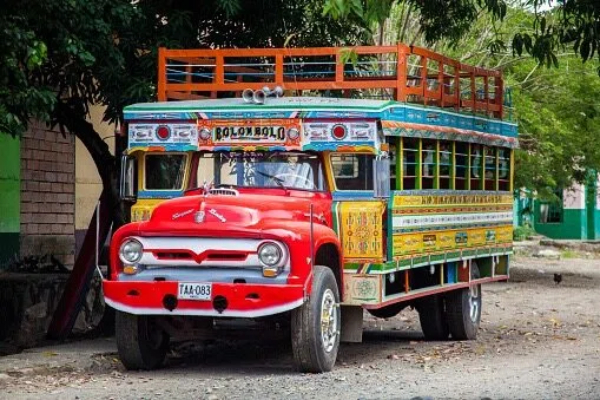
Used buses enable operators to modernize fleets with proven models while controlling capital expenditure. They often deliver a better balance between upfront price, technical capability and compliance with local regulations than many new alternatives in constrained budgets. [mofcom.gov]
For routes with steep gradients and demanding operating conditions, many Latin American operators prioritize Scania, Mercedes‑Benz and Volvo due to their engine performance, braking systems and stability characteristics, which are well suited to hilly terrain. [github]
Buyers should request complete service records, odometer documentation, detailed photo and video evidence, and, where possible, third‑party inspection reports. Engine, transmission, suspension, braking systems and body structure are key areas to assess before shipment.
Used electric city buses can be a viable option for short, predictable urban routes with access to depot charging, provided that battery condition, charging infrastructure and route energy requirements are carefully evaluated in advance. [itdp]
KeyChain can draw on broader international inventories, including ex‑Europe and ex‑Asia fleets, and supply high‑quality second hand buses, city buses, heavy trucks and new energy vehicles that may not be available domestically. It can also tailor configurations and support technical evaluation and logistics planning.


