
Views: 222 Author: Sara Publish Time: 2026-03-26 Origin: Site


Content Menu
● Ghana's Bus Market Today: What Really Drives Decisions
● Evaluation Framework: How This Guide Assesses Buses and Suppliers
● What Ghanaian Bus Operators Actually Care About
● Real Customer Experience Dimensions
Safety and Confidence on Board
Fuel Economy and Operating Cost
● Main Categories of Bus Manufacturers and Suppliers in Ghana
● Manufacturer and Supplier Profiles: Typical Strengths and Trade‑Offs
Workhorse Brands for Urban and Peri‑Urban Routes
Value‑Oriented Brands for Smaller Fleets
● The Role of Local Body Builders and Assemblers
● Why Second‑Hand and Used City Buses Make Sense in Ghana
Strategic Advantages of Second‑Hand Buses
● How a Professional Exporter Like KeyChain Creates Value
● Practical Checklist for Evaluating Bus Suppliers
● Segment‑Based Use of Second‑Hand Buses
Intercity and Long‑Distance Services
City and Peri‑Urban Operations
Staff Shuttles and School Buses
● New vs Second‑Hand Buses: Key Comparison Points
● Clear Call to Action for B2B Buyers
● FAQ
1. Why do many Ghanaian operators consider second‑hand buses?
2. What are the most important checks before importing a used city bus?
3. Are spare parts for imported second‑hand buses available in Ghana?
4. How can I compare total cost of ownership between new and second‑hand buses?
5. Can second‑hand buses fit into a long‑term fleet modernization strategy?
Ghana's bus market is evolving quickly as operators balance reliability, operating costs, and rising passenger expectations. For fleet owners comparing new units with second hand bus and used city bus solutions, picking the right manufacturer and supplier directly impacts uptime, profitability, and brand reputation.
This guide explains how Ghanaian operators actually evaluate buses in real operations, highlights the main categories of top bus manufacturers and suppliers in Ghana, and shows how high‑quality second‑hand and refurbished vehicles from professional exporters like KeyChain can become a strategic advantage for B2B buyers.

Ghana's bus industry sits at the crossroads of urbanization, regional trade, and private entrepreneurship. Operators include:
- Large intercity fleets connecting major cities and neighboring countries.
- Urban and peri‑urban bus services handling daily commuting demand.
- Smaller private operators running single or small numbers of coaches.
Across these segments, several forces shape procurement decisions:
- Urban growth and congestion increase demand for reliable city and peri‑urban buses.
- Fuel and maintenance costs put pressure on margins, making lifecycle costs critical.
- Fleet renewal and modernization push operators to look at newer drivetrains and, in a few cases, new energy vehicles.
The result is a more analytical buying process. Operators no longer ask only "Can this bus move?" but "Will this platform deliver consistent performance, low cost per kilometer, and a good passenger experience for years?"
This guide combines practitioner insights, fleet management experience, and real‑world operator feedback. When discussing manufacturers and suppliers, it applies a clear framework that mirrors the decision criteria Ghanaian bus owners use:
1. On‑road reliability under Ghanaian conditions
2. Passenger comfort and perceived quality
3. Safety equipment and real‑world safety performance
4. Fuel economy and lifetime operating cost
5. After‑sales support and spare‑parts availability
6. Value for money, including high‑quality second hand bus and used city bus options
This structure also gives B2B buyers a practical checklist they can use to compare local dealers, global OEMs, and international second‑hand exporters under the same lens.
Based on repeated patterns across projects and operator interviews, Ghanaian buyers typically prioritize:
- Uptime and availability
A bus that frequently breaks down is more expensive than a slightly costlier but reliable model. Every day off the road is lost revenue.
- Fuel consumption and maintenance cost
Many operators track fuel manually or via simple logs. Even modest savings per 100 km become substantial over hundreds of thousands of kilometers.
- Passenger comfort and public image
Air‑conditioning performance, seat comfort, space, and noise levels strongly influence passenger satisfaction and repeat business.
- After‑sales and workshop support
Access to skilled technicians, diagnostic tools, and genuine parts often determines whether ownership is smooth or difficult.
- Resale value and fleet upgrade options
Operators looking at 5–8‑year renewal cycles consider residual values, brand demand in secondary markets, and the ability to resell units later.
These priorities apply to new buses, second hand bus imports, and refurbished used city bus fleets alike.
For every procurement project, the core question is: "How will this bus be used most of the time?" A coach running long, fairly smooth intercity routes faces different stress than a used city bus working heavy stop‑and‑go duty on uneven urban roads.
Operators consistently focus on:
- Chassis strength and body integrity under rough or partially paved conditions.
- Suspension durability and performance when fully loaded.
- Electrical system robustness in hot, humid, and dusty environments.
Repeated feedback from real routes is often more valuable than brochure specifications. Experienced buyers ask peers about breakdown patterns, not just new‑vehicle features.
Passenger‑facing experience drives reputation. Key comfort factors include:
- Air‑conditioning performance during peak heat and long dwell times.
- Seat ergonomics, cushioning, and space between rows.
- Noise and vibration, especially in the rear and over wheel arches.
Operators increasingly pay attention to passenger comments gathered via social media, phone hotlines, and direct feedback when evaluating brands and models.
Safety has both technical and psychological dimensions. Fleet owners look at:
- Availability of ABS and effective braking systems.
- Structural robustness in the event of an accident.
- Safety belts and emergency exits that actually work and are maintained.
Passengers primarily notice stability at speed, braking behavior, nighttime visibility, and the way drivers operate the vehicle. Suppliers who can demonstrate training programs and structured safety processes tend to be trusted more.
Two visually similar buses can have very different cost profiles. Critical factors include:
- Engine and transmission pairing relative to typical routes.
- Driver behavior and the level of driver training.
- Maintenance discipline and use of appropriate parts and lubricants.
More advanced fleets now combine basic telematics with fuel and maintenance records to decide which models to buy and where to deploy second hand bus units versus new vehicles.

Instead of a rigid ranking of individual brand names, it is more practical for B2B buyers to think in four main categories:
1. Global OEMs with local presence
International brands that supply complete buses or chassis and often run structured after‑sales programs.
2. Regional and local body builders and assemblers
Companies that adapt bodywork and interiors to local conditions, seating layouts, and operator requirements.
3. Authorized dealers and distributors
The commercial and technical bridge between OEMs and local fleets, often responsible for warranty and service.
4. Specialized second‑hand exporters and suppliers
Professional exporters—such as KeyChain in China—who provide second hand bus, used city bus, heavy trucks, and new energy vehicles with inspection and refurbishment.
Each group has its strengths and limitations. The most successful operators often combine them: buying certain models new via local dealers and supplementing fleets with carefully selected second‑hand imports.
Many operators recognize one or two major international manufacturers as preferred choices for intercity services due to:
- Strong long‑distance reliability and good highway performance.
- Comfortable suspension tuning and quiet cabins for premium routes.
- Structured after‑sales support and driver training programs in key cities.
The main trade‑off is typically a higher purchase price. Some fleets address this by buying new units for flagship routes and acquiring high‑quality second hand bus units from the same or compatible brands for secondary lines.
For urban and peri‑urban operations, operators often favor brands known for:
- Robust drivetrains optimized for frequent stop‑start cycles.
- Familiar mechanical layouts that local workshops understand.
- Broad parts availability and interchangeable components across models.
Here, cabin refinement is not always at the same level as premium intercity coaches, but reliability and cost per kilometer become the main selling points. Refurbished used city bus units from such brands can be attractive if inspected properly.
Smaller fleets and new entrants often look at brands that offer:
- More accessible purchase prices.
- Acceptable comfort and safety performance for typical routes.
- A reasonable secondary market.
The main risk in this segment is inconsistent vehicle history. Buying used units without documentation and inspection can lead to unexpected maintenance costs. For this reason, operators increasingly prefer second hand bus solutions from specialized exporters, who supply verified records and technical checks.
Local and regional body builders add significant value by aligning vehicles with real operating conditions in Ghana:
- Customization of seating, door configurations, luggage compartments, and interior finishes.
- Repairability, allowing faster body repairs and lower costs after minor collisions.
- Adaptation to boarding habits, climate, and urban infrastructure.
The best results typically come from combining a robust OEM chassis with a reputable local body builder and a disciplined maintenance regime.
For many Ghanaian operators, especially in the mid‑market, new buses are hard to finance at scale. High‑quality second hand bus and used city bus solutions provide:
- Lower initial capital expenditure, enabling faster fleet expansion.
- Access to higher‑spec models than would be affordable new, including better safety and comfort features.
- Faster deployment, as units can often be shipped more quickly than new orders can be produced.
These benefits only materialize if the second‑hand supply chain is professional, transparent, and technically competent.
KeyChain is a Chinese supplier and exporter focused on second hand bus, used city bus, heavy trucks, and new energy vehicles. From a B2B buyer's point of view, the value of a professional exporter lies in several concrete capabilities:
- Systematic vehicle selection and inspection
Only units with strong structural integrity, healthy drivetrains, and acceptable service history are selected. Checklists, diagnostic tools, and on‑site evaluations reduce risk before purchase.
- Transparent documentation and history
Buyers receive service records, information on previous use (for example, city versus intercity service), and odometer verification. Clear documentation greatly reduces the chance of hidden defects.
- Refurbishment tailored to the target market
Before shipping, buses can be refurbished—interiors refreshed, key wear items replaced, and seating layouts or features adapted to Ghanaian preferences and regulations.
- Technical guidance and training support
Exporters with strong engineering teams provide maintenance recommendations, parts lists, and troubleshooting guidance. This helps local workshops maintain imported vehicles effectively.
- Portfolio including new energy vehicles
For operators considering future transition toward more efficient or lower‑emission fleets, working with an exporter that already handles new energy platforms allows for phased planning and gradual adoption.
For Ghanaian operators, this combination of sourcing, refurbishment, documentation, and technical support makes second hand bus and used city bus solutions significantly more predictable and bankable.
For operators comparing local dealers, regional builders, and international exporters, the following checklist provides a structured way to evaluate partners:
1. Request comparable references
Ask for at least two references from operators with similar routes, fleet size, and service profiles.
2. Review complete documentation
For used vehicles, insist on maintenance logs, accident history, major component replacement records, and any refurbishment reports.
3. Assess parts and workshop coverage
Confirm availability of critical parts locally or through a reliable supply chain. Discuss workshop capabilities, diagnostic tools, and training support.
4. Arrange a realistic test
Where possible, test drive similar units on routes that match your typical loads, road conditions, and climate.
5. Build a basic TCO model
Estimate fuel costs, routine maintenance, unscheduled repairs, and possible resale values over 5–8 years. Compare new and second‑hand scenarios side by side.
By applying this process, operators can make rational, data‑informed decisions instead of relying solely on headline prices or marketing claims.
For intercity routes, operators often look for relatively young used coaches with:
- Strong brand recognition and perceived quality among passengers.
- Proven safety features and comfortable interiors.
- Engine and transmission combinations known to handle long distances in high temperatures.
High‑quality, late‑model second hand bus units, inspected and refurbished before export, can provide performance and passenger comfort close to new vehicles, at a much lower acquisition cost.
In city and peri‑urban services, priorities shift toward:
- Durability under constant stop‑start and short‑distance cycles.
- Robust braking and suspension systems suited to heavy loads and rough surfaces.
- Interior designs that support quick boarding and alighting and withstand intensive daily use.
Refurbished used city bus units with reinforced flooring, durable seating materials, and improved air‑conditioning can significantly upgrade urban fleets without overwhelming capital budgets.
For staff transport and school services, decision makers typically focus on:
- Safety features and body strength.
- Reliable air‑conditioning and sensible seating layouts.
- Straightforward maintenance and moderate operating costs.
Professionally refurbished buses with documented safety checks, new tires and brakes, and interior upgrades often provide a strong value proposition here.
| Aspect | New Buses (OEM / Local) | Second‑Hand Buses (e.g., via KeyChain) |
|---|---|---|
| Upfront investment | Higher | Lower |
| Delivery time | Often longer lead times | Often shorter, depending on stock |
| Specification level | Fully customizable when ordering | Depends on sourcing; can still be high‑spec |
| Early‑life reliability | Typically very high | Depends on prior use and refurbishment |
| Technology age | Latest engine and emissions tech | Usually one or more generations older |
| Documentation clarity | Very clear | Varies; professional exporters standardize it |
| Parts and service support | Strong where OEM network is present | Requires planning; cross‑brand parts may help |
| Residual value | Higher but from a higher initial cost | Lower but from a lower initial cost |
This comparison is a useful discussion tool for internal management and financial partners when deciding how much budget to allocate to new versus second hand bus procurement.
If you operate a bus or heavy‑vehicle fleet in Ghana or West Africa and are planning to expand or renew your buses, carefully selected second hand bus and used city bus units can help you grow faster and control costs.
A strong call to action at the end of your article could be:
If you are evaluating second‑hand or new energy buses for routes in Ghana or West Africa, contact KeyChain for a tailored vehicle shortlist, documented inspection reports, and total cost of ownership estimates aligned with your actual routes and load profiles.
You can reinforce this with a short inquiry form, contact details, and the option to request a remote consultation.
Contact us to get more information!
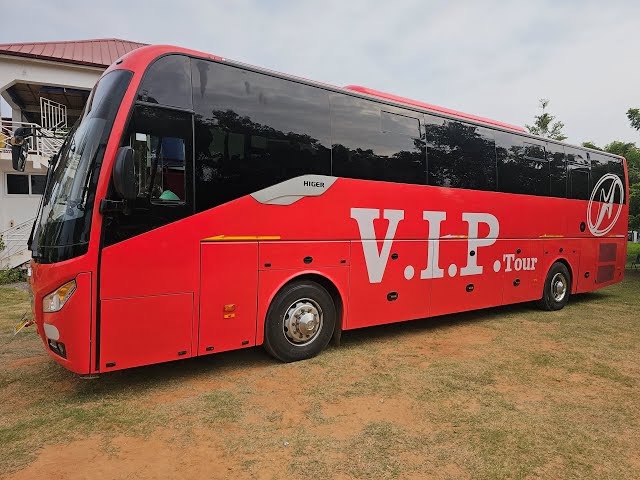
Many operators prefer second hand bus options because they require less initial capital while still delivering solid performance. When units are carefully inspected and refurbished, they offer a balance of reliability, comfort, and cost that is difficult to match with new vehicles at the same budget level.
Critical checks include service history, structural integrity, signs of major accidents or rust, engine and transmission condition, and the state of suspension and braking systems. Working through professional exporters that provide inspection reports and refurbishment records greatly reduces risk.
Parts availability depends on the brand and model, but many commonly imported buses share components with models already operating in the region. Responsible exporters advise on compatible parts, recommend initial spares packages, and help operators plan local sourcing strategies.
You should build a simple model that includes purchase price, expected fuel consumption, planned maintenance, probable unplanned repairs, and residual value over several years. Comparing these figures for new and second hand bus options reveals which route offers the best long‑term value for your specific operation.
Yes. Many operators use second‑hand diesel fleets as a transitional step while they learn more about route patterns, funding options, and infrastructure needs for new energy vehicles. Working with exporters like KeyChain that also handle new energy platforms allows you to plan a phased, realistic modernization roadmap.
1. Ghana Ministry of Transport – "National Transport Policy"
2. Urban Mobility Report – "Bus Systems and Operational Challenges in West African Cities"
3. Fleet Management White Paper – "Total Cost of Ownership for Bus Fleets in Emerging Markets"
4. Industry Case Study – "Intercity Bus Operator Fleet Renewal Strategy in Ghana"
5. OEM Technical Guide – "Bus Chassis and Drivetrain Options for Developing Markets"


