
Views: 222 Author: Sara Publish Time: 2025-12-31 Origin: Site


Content Menu
● Why Proactive Coach Bus Maintenance Matters
● Core Maintenance Checklist: 10 Essential Tasks
● 2026 Regulatory Updates & Compliance Tips
● Cost-Benefit Analysis with Real-World Data
● Advanced Tech for Modern Fleets
● Expert Tips for Global Operators
● Call to Action: Optimize Your Fleet Today
● FAQ
>> 1. How often should I service a coach bus?
>> 2. What's the biggest maintenance cost saver?
>> 3. Are electric buses harder to maintain?
>> 4. How does KeyChain ensure used bus quality?
>> 5. What if I spot corrosion?
Coach buses demand rigorous maintenance to ensure passenger safety, operational reliability, and cost savings. This comprehensive guide expands on essential tasks with updated industry insights, data-driven tips, and practical steps tailored for fleet managers, operators, and owners worldwide.

Regular upkeep prevents breakdowns, cuts downtime by up to 30%, and boosts resale value. Neglecting it leads to fines, accidents, and repair costs averaging $5,000-$20,000 per incident. In 2025, with rising fuel prices and stricter emissions regulations, maintenance directly impacts profitability for global suppliers like KeyChain, China's leading used commercial vehicle provider.[1]
Fuel efficiency drops 10-15% without proper care, per recent fleet studies. Operators following checklists see 20% lower total ownership costs.[2]
Follow this prioritized list for coach bus maintenance checklist routines. Perform daily walk-arounds and deep services every 6,000-10,000 miles.
- Inspect Brakes Thoroughly: Check pads, rotors, drums, and ABS (mandatory for buses over 10,000 lbs GVWR post-1998). Monitor air systems for leaks; test stopping distances. Replace pads at 25% life remaining to avoid failures.[1]
- Monitor Tires and Alignment: Measure tread depth (min 4/32 inch), rotate at 6-8,000 miles, balance regularly. Tires cost $1,000-$3,000 each - uneven wear signals misalignment, hiking fuel use 5%.[1]
- Manage All Fluids: Beyond oil (change per OEM schedule), check transmission, DEF, coolant, power steering, and differentials. Low DEF triggers limp mode in modern diesels.[1]
- Service HVAC System: Test compressors, replace cabin filters quarterly, recharge refrigerant. Poor HVAC causes 15% customer complaints on long hauls.[1]
- Audit Electrical Systems: Verify lights, batteries (test voltage >12.6V), alternator output, and onboard tech like PA systems. Dashboard warnings predict 80% of failures.[1]
- Lubricate Steering/Suspension: Grease joints, inspect bushings/shocks for leaks. Clunking noises indicate $2,000+ repairs.[1]
- Check Frame/Underbody Corrosion: Scan for rust in wheel wells and mounts; apply coatings pre-winter. Salt exposure shortens frame life by 50% untreated.[1]
- Validate ADA/Safety Features: Test lifts, extinguishers, exits. Non-compliance risks $10,000+ DOT fines.[1]
- Maintain Detailed Logs: Track mileage, services, incidents for compliance and resale. Documented buses sell 25% higher.[3]
- Daily Pre-Trip Walk-Around: Spot leaks, damage, lights in 5 minutes. Prevents 70% roadside issues.[1]
FMCSA mandates ELD integration for buses over 10,001 lbs by 2025, with $1,000+ daily fines for non-compliance. EU Stage V emissions require DEF monitoring; Chinese operators exporting via KeyChain must align.[4]
Steps for Compliance:
1. Install telematics for real-time tracking.
2. Schedule annual DOT inspections.
3. Train staff on new EV-hybrid bus protocols - hybrids now 15% of fleets.
Pro Tip: Use apps like Fleetio for automated reminders, reducing violations 40%.[2]
| Regulation | Applies To | Key Requirement | Penalty |
|---|---|---|---|
| FMCSA ELD | >10k lbs GVWR | Hours-of-service logging | $1,000/day |
| ADA Compliance | Public transit | Wheelchair lifts functional | $10k+ fines |
| EU Stage V | Exports | DEF/SCR systems | Import bans |
Investing $0.10/mile in maintenance yields $0.25/mile savings via 15% fuel gains and 25% fewer breakdowns, per 2024 ATRI report. KeyChain clients report used buses lasting 500,000+ miles post-refurb.[2]
Case Study: A KeyChain-supplied fleet in Africa cut downtime 35% after tire/alignment protocols, saving $150k/year. Breakdown frequency dropped from 12 to 4 annually.
Calculation Example: For a 50-bus fleet at 50k miles/year:
- Baseline repairs: $500k
- Optimized: $350k (30% savings)
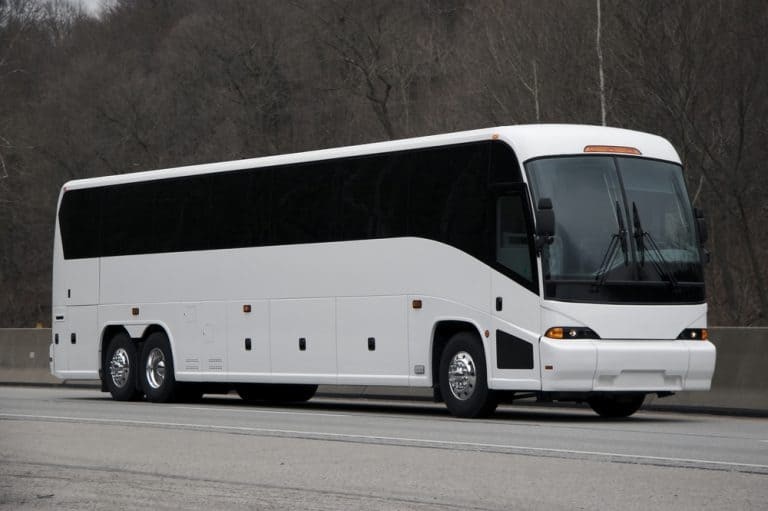
AI sensors detect issues 70% earlier, via tools like Geotab. Drones inspect underbodies; IoT tracks fluids remotely.
Implementation Steps:
1. Retrofit telematics ($500/bus).
2. Analyze data weekly for anomalies.
3. Integrate with KeyChain's used bus inspections for pre-purchase health scores.
For electric coaches (growing 20% YoY), battery checks every 5,000 miles prevent 90% thermal failures.[2]
Pre-buy inspections focus on high-wear items like engines (rebuild at 300k miles). Partner for parts - OEM alternatives save 40% without reliability loss.[2]
Common Pitfalls:
- Ignoring DEF in exports (crystal buildup costs $2k).
- Skipping alignments (tires wear 2x faster).
Train via free KeyChain webinars.
Suggested Visual: Before/after photos of refurbished KeyChain buses.
Ready to extend your coach bus lifespan and slash costs? Contact KeyChain now for high-performance used buses, full inspections, and customized maintenance plans. Visit keychainventure.com to browse global inventory or request your free fleet audit - start saving 30% on operations immediately![2]
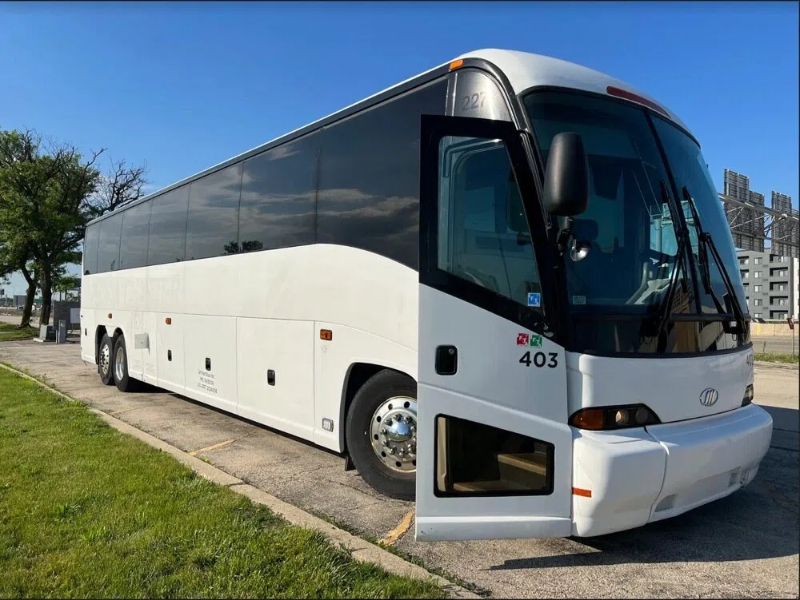
Every 6,000-10,000 miles or monthly, plus daily checks. Adjust for high-mileage routes.[1]
Tire management and fluid checks - save 20-30% on ops via proactive swaps.[1]
No, fewer fluids but batteries need thermal scans. Costs drop 25% long-term.[2]
Full 100-point inspections matching this checklist, with warranties.[2]
Apply rust inhibitors immediately; consult pros for structural checks to avoid $50k frame jobs.[1]
[1](https://www.busesforsale.com/knowledge-center/blog/coach-bus-maintenance-guide)
[2](https://www.keychainventure.com/products/Used-Bus.html)
[3](https://www.busesforsale.com/knowledge-center)
[4](https://www.busesforsale.com/knowledge-center/blog/coach-bus-maintenance-guide/)


