
Views: 222 Author: Sara Publish Time: 2026-02-23 Origin: Site


Content Menu
● Overview: Why the 2004–2013 Mercedes-Benz C-Class Still Matters
● Model Generations and Year Breakdown (2004–2013)
>> 1. 2004–2007: Late W203 (Second Generation, Facelift Phase)
>> 2. 2007–2011: Early W204 (Third Generation, Pre-Facelift)
>> 3. 2012–2013: Facelift W204 (Third Generation, Mid-Cycle Refresh)
● Key Strengths: Comfort, Safety, and Performance
>> Ride Comfort and Chassis Tuning
>> Powertrains and Fuel Economy
>> Safety and Passive Protection
● Common Problems and Reliability Insights
>> Engine and Drivetrain Issues
>>> 1. M272 V6 Balance Shaft Gear Wear (Approx. 2007–2009)
>>> 2. Diesel Injector and Fuel System Problems
>>> 3. Automatic Transmission Issues
>> Corrosion and Structural Concerns
>> Electronics and Interior Weak Points
● Recommended Years and Versions
● Pre‑Purchase Checklist: What to Inspect Before Buying
>> Mechanical and Chassis Inspection
>> Electronics and Interior Functions
● Ownership and Maintenance Tips: Extending the Life of Your C-Class
>> Maintenance Schedule and Fluids
>> Preventing Rust and Structural Damage
>> Proactive Monitoring and Early Repairs
● Expert Perspective: Market Position and Value Trend
>> Comparison with Competitors
>> Used Values and Future Outlook
● From Passenger Cars to Commercial Use: KeyChain's Added Insight
● Ideal Buyers: Who Should Consider a 2004–2013 C-Class?
● Action Steps and How KeyChain Can Help
● FAQs
>> 1. Is the 2004–2013 Mercedes-Benz C-Class a good first used luxury car?
>> 2. Which model years of the W204 C-Class are the most recommended?
>> 3. How can I check for serious rust or structural issues on a C-Class?
>> 4. Are maintenance and repair costs for the C-Class very high?
>> 5. Does KeyChain only handle commercial vehicles, or can they advise on passenger cars too?
This comprehensive guide focuses on the 2004–2013 Mercedes-Benz C-Class as a used car option, covering model generations, key features, common problems, reliability, ownership costs, and practical buying advice. It also integrates professional insights from commercial vehicle specialist KeyChain to help you evaluate the total cost and long-term value of your purchase.
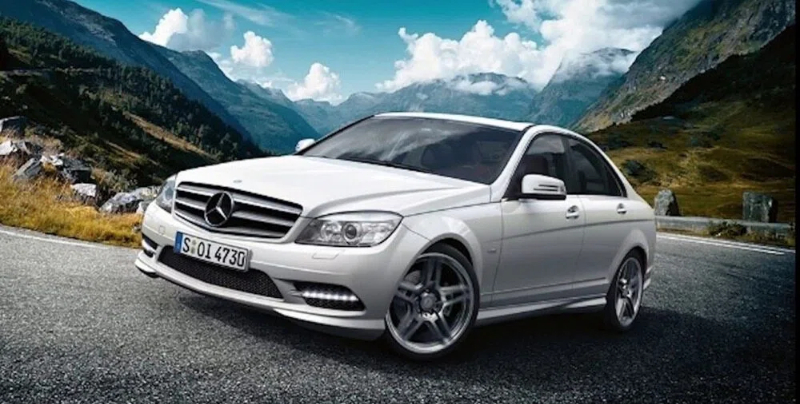
The 2004–2013 Mercedes-Benz C-Class, spanning the late W203 and the full W204 generations, remains a popular choice in the global used compact luxury sedan market. It offers a compelling balance of comfort, prestige, and mature engineering, especially in the later W204 models, which are often regarded as a sweet spot for reliability and overall product strength.
For buyers who want a premium brand experience on a limited budget, a well-maintained C-Class from this era can deliver solid daily usability, strong safety credentials, and a refined driving feel without the cost of a brand‑new luxury car. When chosen carefully, it can be an excellent entry point into the Mercedes-Benz ownership experience.
To make your decision easier, this section walks through the key phases of the C-Class during 2004–2013, highlighting major design and technical changes.
The 2004–2007 C-Class represents the later years of the W203 generation. These cars feature smoother, more rounded exterior lines and a relatively traditional interior design. The dashboard layout is simple, with more conservative styling and materials that now feel dated compared to newer models.
Key characteristics of late W203 models:
- Rounded, understated exterior styling.
- Traditional interior with a more analog feel.
- Simpler mechanical layouts compared to later cars.
- Lower purchase prices in most markets.
Pros of late W203 models include affordability and mechanical simplicity, which can sometimes mean easier and cheaper repairs. However, these cars are now fairly old, and they lag behind newer models in safety technology, infotainment, and fuel efficiency. Age-related wear, corrosion, and minor electrical issues are also more likely.
The introduction of the W204 in 2007 marked a major shift for the C-Class. The design moved from soft curves to a sharper, more angular, and business‑like look. The body became more rigid, the wheelbase grew, and cabin space and refinement improved.
Typical features of early W204 models:
- More aggressive and modern exterior styling.
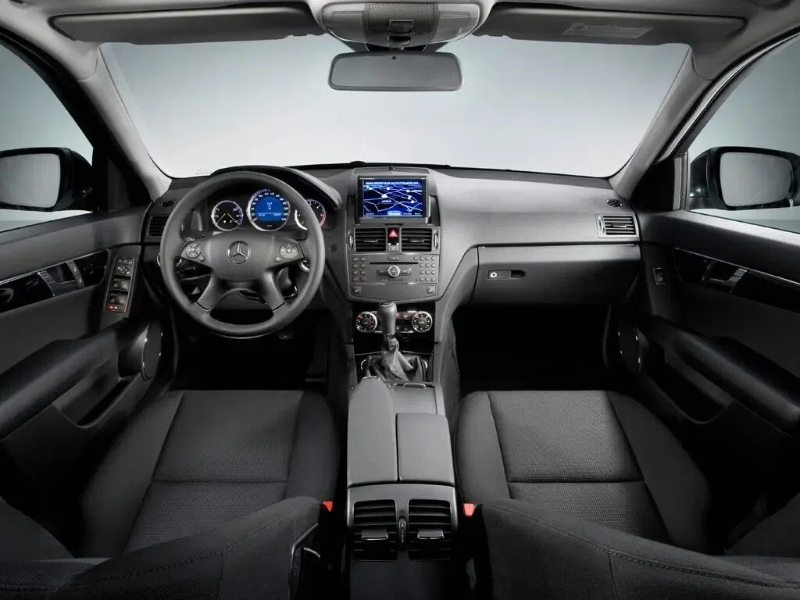
- A freestanding center console with a flip‑up COMAND display on many models.
- Improved chassis rigidity and refined ride quality.
- Wider range of engines, often including four‑cylinder and V6 petrol, as well as diesel options, paired with 5‑ or 7‑speed automatic transmissions.
These cars offer a more modern driving experience and better safety equipment than W203 models. However, early W204s (especially around 2007–2009 with certain V6 engines) can suffer from specific mechanical issues such as balance shaft gear wear and various electronic glitches. As a result, 2010–2011 models tend to be more desirable, as many early problems were addressed or improved over time.
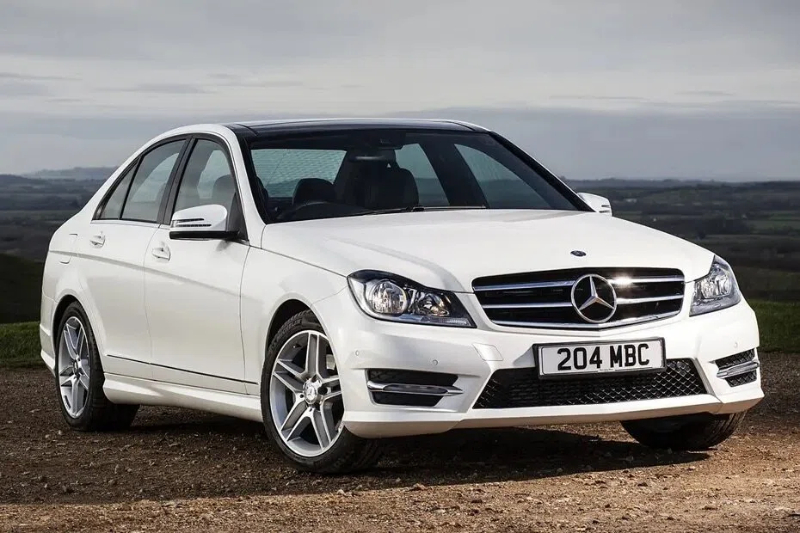
Around 2011/2012, the W204 received a significant facelift, which greatly enhanced its appeal. Facelift models are immediately recognizable by their sharper front and rear designs, updated lighting, and more modern interior.
Key upgrades on facelift W204 models:
- Revised front and rear bumpers, more expressive headlights and taillights.
- A completely redesigned dashboard with a fixed (non‑pop‑up) center display.
- Better interior materials and overall build quality.
- Introduction of more efficient direct‑injection turbocharged engines in many markets.
- Updated 7G‑Tronic Plus automatic transmission for smoother, more efficient shifting.
These facelifted cars are often considered the best of the generation, blending mature engineering with more contemporary styling and technology. They typically command higher prices, but they also tend to offer better reliability, equipment, and resale value.
One of the core strengths of the C-Class from this era is its well‑balanced chassis. Mercedes-Benz tuned these cars with comfort and stability in mind, rather than purely sporty handling. As a result, they provide:
- A stable, planted feel at highway speeds.
- Effective absorption of small bumps and road imperfections.
- Low noise levels and a refined ride that can handle long journeys.
Sport package models or those with AMG styling and suspension can feel firmer and more responsive, which may appeal to drivers who value sharper handling. However, the majority of cars prioritize comfort and relaxed driving.
The C-Class line during 2004–2013 includes a wide variety of engines depending on market:
- Four‑cylinder petrol engines, both naturally aspirated and turbocharged.
- V6 petrol engines with more power and smoother performance.
- Diesel engines (four‑ and six‑cylinder) where diesel is popular.
- Manual and automatic transmissions, with the 7G‑Tronic and later 7G‑Tronic Plus being common automatics.
Facelift W204 models with direct‑injection turbocharged engines usually offer the best balance of performance and fuel economy. Earlier non‑turbo engines can be simpler but may feel less efficient by modern standards. The updated 7G‑Tronic Plus transmission in later cars improves shift quality and helps reduce fuel consumption.
Safety has long been a hallmark of Mercedes-Benz, and the 2004–2013 C-Class is no exception. Depending on trim and market, these cars may offer:
- Multiple airbags for driver and passengers.
- ABS, ESP, and traction control as standard.
- Advanced lighting systems on higher trims.
- Robust crash structure and good crash test performance for the era.
Facelift W204 models may also include more advanced driver assistance options compared to earlier cars. In general, later cars within this range tend to be better equipped and safer.
When considering a used luxury car, reliability and potential repair costs are critical. The 2004–2013 C-Class can be a solid choice, but certain known issues need careful attention.
Some early W204 models with specific V6 petrol engines were affected by premature wear of the balance shaft gear. This could lead to:
- Rough running, misfires, or check‑engine lights.
- Engine timing issues that require major internal repairs.
- High repair costs, often involving extensive engine disassembly.
Because of this, many buyers prefer to avoid affected engines or only consider cars with documented repairs and updated parts. Later model years and four‑cylinder engines are usually less prone to this exact problem.
On certain diesel variants, owners have reported:
- Rough idle, loss of power, and excessive smoke.
- Issues related to failing injectors or fuel system components.
- Potential long‑term damage to the engine and emissions systems if ignored.
A pre‑purchase inspection by a specialist familiar with Mercedes diesel engines is strongly recommended if you are considering a diesel C-Class.
Some cars experience:
- Harsh or delayed gear changes.
- Jerks when shifting from park to drive.
- Warning lights or limp mode caused by valve body or mechatronic failures.
If not addressed early, transmission issues can escalate into expensive repairs or even full transmission replacements. Regular fluid changes and careful diagnosis of any irregular shifting are essential.
Although the W204 improved in rust protection compared to earlier generations, structural corrosion can still be an issue in harsh climates or in cars exposed to road salt. Common risk areas include:
- Rear subframe corrosion.
- Rust on suspension mounting points and brake lines.
- Localized corrosion around wheel arches and underbody seams.
In some cases, the external body may look clean while serious rust develops on the rear subframe and structural components. For this reason, a proper inspection on a lift is strongly recommended to assess the true condition of the chassis and underbody.
Electronics and interior components can also show age‑related wear:
- COMAND infotainment systems may suffer from failing screens, unresponsive buttons, or intermittent faults.
- Power‑folding mirrors can develop malfunctioning motors or integrated indicator issues.
- Headlights, particularly early designs, may fog up or suffer from moisture ingress.
- Seats, especially part‑leather or bolstered designs, can show stitching failures or wear on side bolsters.
While many of these problems are not safety‑critical, they can be costly to correct, especially when original parts are required. Factoring in potential repairs into your budget is wise.
While every used car must be judged on its individual condition and history, some model years and configurations of the C-Class are generally more desirable.
- Pros: Very affordable, relatively simple mechanicals, suitable as basic transport if well maintained.
- Cons: Oldest cars in the range, outdated safety and infotainment, more likely to have corrosion or electrical age‑related issues.
- Pros: More modern styling and interior, better chassis and safety, good comfort and refinement.
- Cons: Higher risk of major issues on certain V6 engines (balance shaft), and isolated electronic and rust problems.
- Pros: Many early‑run problems reduced or resolved, strong balance between price and reliability, good availability of used examples.
- Cons: Infotainment and interior design still pre‑facelift, so slightly less modern in appearance and tech.
- Pros: Best combination of modern interior, improved engines, and reliability; higher perceived quality and better technology.
- Cons: Higher purchase prices, and still a premium to maintain compared with non‑luxury brands.
Overall, many buyers consider 2010–2013 W204 models the most attractive options, as they offer an excellent mix of modern features and refined engineering without being as old or problematic as some earlier examples.
A detailed pre‑purchase inspection is vital to avoid unexpected expenses. Use the following checklist as a practical guide.
1. Verify the VIN and confirm the exact model, engine, and production year.
2. Review the full service history, including mileage, maintenance intervals, and any major repairs or recalls.
3. Look for evidence of major accidents, structural repairs, or repeated visits to the workshop for similar issues.
A car with a transparent, consistent service record from reputable workshops or official dealers is generally a safer bet.
- Start the engine from cold and listen for unusual knocking, rattling, or excessive vibration.
- During the test drive, pay attention to how the car accelerates, shifts, steers, and brakes. Any hesitation, slipping, or jerking should be investigated further.
- On a lift, inspect the underbody for:
- Rear subframe rust or repairs.
- Leaks from the engine, transmission, or differential.
- Damaged bushings, worn suspension components, or deteriorated brake lines.
If you are not technically experienced, hiring an independent specialist to perform a pre‑purchase inspection is highly recommended.
- Test the infotainment system, radio, navigation, Bluetooth (if equipped), and all control buttons.
- Check all electric windows, mirrors, locks, and the sunroof.
- Verify that the air conditioning, heated seats (if fitted), and lighting systems function correctly.
- Check the instrument cluster for any warning lights, then scan the car with diagnostic equipment to identify hidden fault codes.
A car that appears mechanically sound but is plagued by unresolved electronic issues can become a long‑term frustration.
Owning a used C-Class can be very rewarding if you maintain it properly. Good maintenance reduces the risk of unexpected breakdowns and protects resale value.
- Follow or slightly exceed the manufacturer's recommended service intervals for engine oil, filters, and other fluids.
- Use high‑quality, fully synthetic engine oils and original or equivalent‑quality filters.
- Do not neglect transmission fluid changes and brake fluid replacement, which help maintain proper shifting and braking performance.
Cutting corners on maintenance to save small amounts of money can lead to much larger repair bills later.
- If you live in a wet or snowy region, wash the underbody regularly to remove salt and dirt.
- Consider professional rust protection treatments or inspections, especially as the car ages.
- Pay attention to early signs of rust around wheel arches, door edges, and suspension mounting points.
Addressing minor corrosion early is far easier and cheaper than repairing serious structural rust.
- Treat warning lights, unusual noises, vibrations, and leaks as early warning signs rather than inconveniences.
- For known higher‑risk engines or components, such as early‑generation V6 engines, schedule targeted inspections (timing components, balance shaft, etc.).
- Establish a relationship with a workshop familiar with Mercedes-Benz vehicles, as their experience will help diagnose and fix issues correctly the first time.
An informed, proactive approach can significantly extend the usable life of your C-Class and keep overall costs under control.
In the compact executive segment, the C-Class often goes head‑to‑head with the BMW 3 Series and Audi A4. Compared with its rivals:
- Brand image: The C-Class emphasizes traditional luxury and a more conservative, business‑like feel, while the 3 Series tends to highlight sportiness.
- Driving character: The C-Class focuses on comfort, refinement, and stability, whereas some competitors prioritize sharper handling and driver engagement.
- Reliability and costs: Later W204 models are generally regarded as reasonably reliable within the luxury segment, though running costs remain higher than mainstream brands.
For buyers who want a comfortable, refined compact luxury car with strong brand recognition, the C-Class is an appealing option, especially in its later W204 form.
As these cars age, their prices continue to drop, bringing them within reach of more buyers. However, differences in condition, mileage, maintenance, and specification can cause large price variations. In the medium term:
- Well‑maintained, low‑mileage facelift W204 models with strong service histories are likely to retain value better than older or neglected cars.
- High‑mileage or poorly maintained examples may be very cheap to buy but can be costly to own, especially if major repairs are needed.
Treat price alone with caution. The best value is often a car priced fairly with excellent documentation and minimal hidden issues, not the cheapest car on the market.
Although this article focuses on the passenger‑car C-Class, many of the principles used to assess a used luxury sedan also apply to commercial vehicles such as buses and heavy trucks. Ultimately, you are balancing:
- Upfront purchase price.
- Reliability and uptime.
- Total cost of ownership over the entire lifecycle.
KeyChain is a leading Chinese supplier of used commercial vehicles, specializing in high‑performance buses and heavy truck systems for global clients. The company's experience in structural assessments, powertrain evaluation, and cost‑of‑ownership analysis translates into a more disciplined way of looking at any used vehicle, including the C-Class.
From KeyChain's perspective, smart buyers should:
- Pay close attention to chassis and structural integrity, not just cosmetic appearance.
- Examine usage patterns and maintenance history to understand how hard the vehicle has been worked.
- Consider long‑term maintenance and parts availability when calculating the real cost of ownership.
If your needs extend beyond passenger cars and into fleets of buses, heavy trucks, or specialized vehicles, KeyChain can provide integrated solutions and model recommendations tailored to your operational requirements.
The 2004–2013 Mercedes-Benz C-Class is especially suitable for:
- Drivers who want an affordable way into luxury‑brand ownership while accepting somewhat higher maintenance costs.
- Users who prioritize comfort, refinement, and safety over sporting performance.
- Buyers who are willing to invest time and money in a thorough pre‑purchase inspection and ongoing proper maintenance.
It may not be ideal for:
- Owners expecting near‑zero maintenance and repair costs.
- Buyers with very limited budgets for unexpected repairs or major components.
- People who prefer the very latest in technology, connectivity, and driver assistance features.
If you fit into the first group and approach the purchase with realistic expectations and proper due diligence, this generation of C-Class can be a deeply satisfying choice.
If you are considering a 2004–2013 C-Class, here is a practical action plan:
1. Define your priorities and budget
Decide whether you care most about comfort, performance, low running costs, or modern features. This will help you choose between early, improved, and facelift W204 models.
2. Shortlist the right years and models
For most buyers, 2010–2013 W204 models are a strong starting point, balancing updated engineering with reasonable pricing.
3. Arrange a professional inspection
Never skip a detailed inspection, including an underbody and subframe check, diagnostic scan, and road test.
4. Choose reputable sellers and partners
Favor sellers who can provide full service history, clear documentation, and transparent condition reports.
If your plans involve not just passenger cars but also buses, heavy trucks, or mixed fleets, you can leverage KeyChain's expertise in commercial vehicles to support your broader mobility strategy. KeyChain offers:
- Professional model selection advice and configuration planning.
- Comprehensive vehicle assessment and technical consulting.
- International logistics and delivery solutions.
For buyers and businesses who want professional‑level evaluation and a lifecycle cost perspective, partnering with an experienced vehicle specialist like KeyChain can significantly reduce risk and improve long‑term value.
Contact us to get more information!
Yes, it can be a good first used luxury car if you are prepared for maintenance that is higher than mainstream brands. The key is to choose a car with a solid service history and have it inspected by a specialist before purchase. Later W204 models are especially suitable for first‑time luxury buyers because they combine improved reliability with modern features.
Many buyers and specialists favor the 2010–2011 improved W204 and the 2012–2013 facelift models. These years benefit from engineering refinements, updated technology, and typically better long‑term reliability than some earlier W204 examples. While they may cost more to buy, they often provide better overall value and ownership experience.
The most reliable way is to place the car on a lift and perform a thorough underbody inspection. Focus on the rear subframe, suspension mounting points, brake lines, and underbody seams. Look for flaking rust, perforation, or suspicious welds. If you are unsure, ask a professional to document their findings in a written report before you commit to the purchase.
Routine maintenance such as oil changes, filters, and basic servicing costs more than on mass‑market cars but is moderate for a luxury brand. However, major repairs—especially involving the engine, transmission, or complex electronics—can be expensive. This is why a thorough pre‑purchase inspection and a realistic maintenance budget are essential for stress‑free ownership.
KeyChain's core business is supplying high‑performance used commercial vehicles, including buses and heavy trucks, to global customers. However, the company's expertise in vehicle evaluation, structural assessment, and lifecycle cost analysis can also be applied when advising clients on passenger‑car choices and fleet planning. You can contact KeyChain for tailored consulting and integrated vehicle solutions.
1. https://blog.beforward.jp/car-review/mercedes-benz-c-class-review-2004-2013-features-history.html
2. https://carbuzz.com/mercedes-benz-c-class-generations-ranked-by-reliability/
3. https://www.whatcar.com/mercedes-benz/c-class/saloon/used-review/n17394/reliability
4. https://carwikihub.com/mercedes-c-class-w204-buyer-guide-problems-value/
5. https://www.consumerreports.org/cars/mercedes-benz/c-class/2013/reliability/
6. https://www.youtube.com/watch?v=_EXwQpFyAwE
7. https://www.youtube.com/watch?v=lt3Denju4RM
8. https://www.beforward.jp/stocklist/make=106/model=1103/mfg_year_from=2004/mfg_year_to=2004
9. https://www.beforward.jp/stocklist/make=106/model=1103


