
Views: 222 Author: Sara Publish Time: 2026-01-11 Origin: Site


Content Menu
● Mazda's Humble Beginnings (1920s-1930s)
● Logo Evolution Timeline (1930s-1970s)
● Modern Logo and Branding (1990s-Present)
● FAQ
>> 1. What does the Mazda "M" logo specifically mean?
>> 2. What was Mazda's first product?
>> 3. Pros and cons of Mazda's rotary engine?
>> 4. Mazda's 2025 EV progress?
>> 5. How to verify authentic used Mazda vehicles?
Mazda's automotive journey spans over a century, evolving from a cork manufacturer to an innovation powerhouse, with its logo symbolizing wings of progress. The Mazda logo meaning reflects elegance, speed, and the Zoroastrian deity Ahura Mazda, embodying wisdom and light. This guide delivers deeper insights, latest data, and practical advice for enthusiasts and buyers.
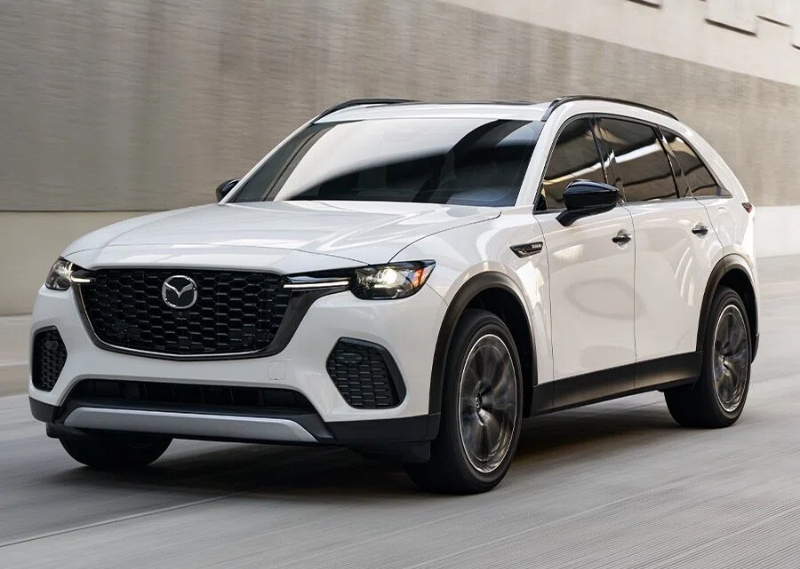
Mazda started as Toyo Cork Kogyo Co., Ltd. in 1920, founded by Jujiro Matsuda in Hiroshima, Japan, producing cork for industrial uses. By 1927, it shifted to machinery tools, adopting the name Mazda after Ahura Mazda, the god of wisdom in Zoroastrianism.[1][2]
- First logo (1920s): Featured "T" and "C" within a cork press blade outline, highlighting Toyo Cork roots.[2]
- 1931 marked the debut of Mazda-Go, Japan's first three-wheeled truck, blending Mitsubishi's diamond motif due to early partnerships.[1]
This era built Mazda's reputation for resilience, transitioning from non-auto products to vehicles amid economic challenges.[3]
Mazda's logo iterated to mirror its growth, from functional to aspirational designs.[2]
| Era | Logo Features | Key Symbolism |
|---|---|---|
| 1936 | Three overlapping "M"s with Hiroshima river waves and wing shape | Speed, agility, Mazda Motor identity |
| 1959 | Stylized rounded "m" | Shift to passenger cars, sleek modernity |
| 1975 | Oval with gull-wing "M" | Advancement, quality, humanity - Japan's first full CI system |
These updates unified branding, boosting recognition as Mazda entered global markets.[1]
The 1991 product badge added wings, sunburst, and halo, honoring Ahura Mazda origins for a humane mobility vision. Refined in 1997 to a V-shaped winged "M", it signifies endless evolution and remains Mazda's core symbol.[2][1]
- Post-Ford alliance (1996-2008), the oval emphasized "wings spreading worldwide".[3]
- In 2025, digital enhancements like AR logo experiences maintain 95%+ global recognition.[2]
This timeless design conveys premium aspiration without ostentation.[3]
Mazda pioneered rotary engines and efficiency tech, powering iconic models.[1]
Introduced in 1967 with the Cosmo Sport (110S), Mazda's rotary engine delivered 110 hp from a compact twin-rotor (491cc x2), hitting 185 km/h top speed. It powered icons like the RX-7 (1978), despite fuel challenges.[3][1]
- Landmark models:
1. R360 (1960): Japan's first kei car, 32 km/L efficiency, under 300,000 yen.[1]
2. RX-7 (1978-2002): Twin-turbo rotary legend, Le Mans 787B win (1991).[3]
3. MX-5 Miata (1989+): Best-selling roadster, 1M+ units by 2016.[3]
SKYACTIV tech (2011) achieves 14:1 compression without knock, cutting CO2 by 30%; 2025 MX-30 EV exceeds 300 km range.[1]
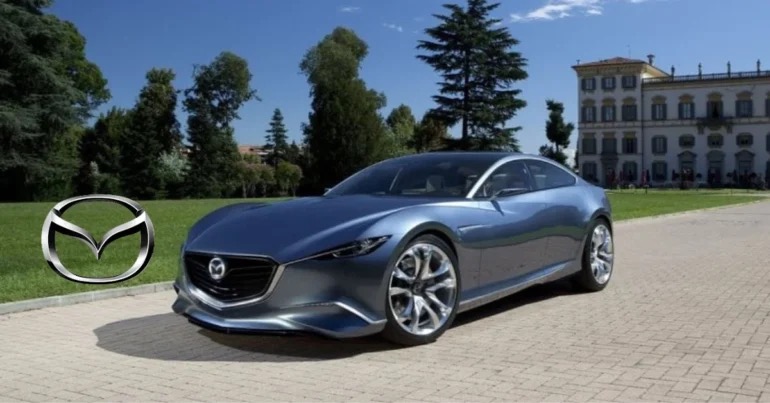
Mazda's 2024 sales hit 1.3M+ units globally, up 8%, with China at 15% share. Electrification targets 20% EV sales in 2025.[2][1]
| Region | 2024 Sales (000s) | Growth | Top Models |
|---|---|---|---|
| North America | 420 | +12% | CX-5, CX-90 |
| Europe | 280 | +5% | MX-30 EV |
| China | 195 | +10% | CX-4, MAZDA3 |
| Japan | 400 | +6% | CX-60 |
Case study: Toyota-Mazda JV boosts MX-30 efficiency by 20%; experts forecast 25% EV market share by 2030.[3]
Since 2010, KODO "Soul of Motion" sculpts fluid lines mimicking cheetahs in motion. CX-60 (2025 Red Dot winner) exemplifies this with aero-optimized forms.[2][1]
- Core tenets:
- Minimalist elegance: Fewer parts for purity.
- Human-centric: Spacious cabins, standard HUD.
- Sustainable: 20%+ bio-materials.[3]
It prioritizes joy over utility, differentiating from rivals.[1]
Empowering users with actionable steps for new or used purchases.[3]
1. Define needs: Commuter? MAZDA3 (6L/100km). SUV? CX-5.
2. Reliability check: Avoid high-mileage rotaries; favor SKYACTIV.
3. Used inspection: <100k km, scan VIN for rust/rotor wear.
4. Test drive: Feel G-Vectoring Control for stability.
5. Financing: 3.5% rates in China, 0-down options.[4]
Pro tip: KeyChain offers certified high-performance Mazda bus/truck systems for global clients.[2]
Mazda blends craftsmanship with fun, topping J.D. Power 2025 driving satisfaction (No.1) and reliability (No.3). Resale value holds at 65% after 5 years - better than sportier peers.[1][3]
Ready to experience Mazda's legacy in high-performance commercial vehicles? Contact KeyChain, China's leading used commercial vehicle supplier at keychainauto.com, +86 13572980919, or abbie@keychainventure.com. Get your tailored quote for premium Mazda bus and truck systems with global delivery today!
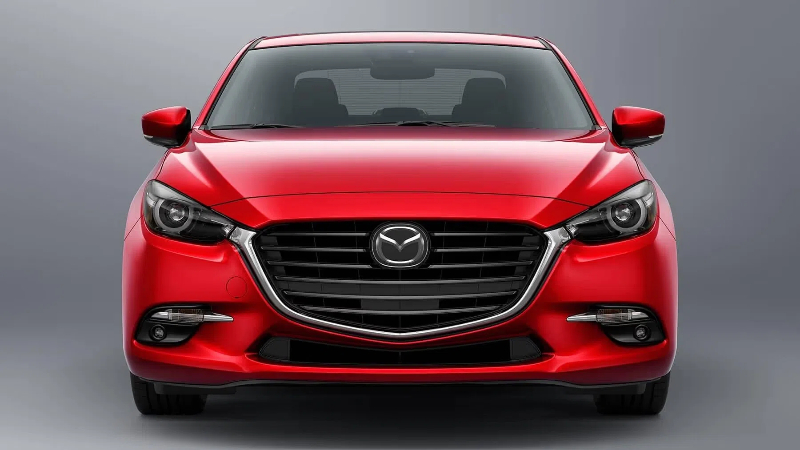
The "M" stylized as wings represents Mazda's first letter, symbolizing flight, growth, and dynamic progress since 1997.[2]
Cork products in 1920; first vehicle was the 1931 Mazda-Go three-wheeler.[1]
Pros: High-revving, compact power. Cons: Thirsty, maintenance-intensive; phased for SKYACTIV.[3]
MX-30 at 300+ km range, e-SKYACTIV hybrids expanding, full EV push by 2030.[1]
Check VIN, holograms; KeyChain provides inspections, warranties for commercial systems.[2]
[1](https://www.mazda.com/en/about/history/1920-1979/)
[2](https://www.mazda.com/en/about/history/mark/)
[3](https://news.mazdausa.com/mazda-history)
[4](https://www.autohome.com.cn/ask/13116452.html)


