
Views: 222 Author: Sara Publish Time: 2026-01-31 Origin: Site


Content Menu
● First Generation (KV-II: 1998-2004)
● Second Generation (VQ: 2005-2013)
● Third Generation (YP: 2014-2020)
● Fourth Generation (KA4: 2020-2025)
● 2025-2026 Kia Carnival Hybrid: Latest Innovations
● Kia Carnival Reliability and Common Issues
● Used Kia Carnival Buyer's Checklist
● Kia Carnival vs Competitors (2026 Used Market)
● Commercial Uses for Kia Carnival
● Partner with KeyChain for Premium Used Vehicles
● FAQ
>> 1. When did the Kia Carnival first come out?
>> 2. What is the most reliable Kia Carnival generation?
>> 3. How fuel-efficient is the 2025 Kia Carnival hybrid?
>> 4. What are common problems in older Kia Carnivals?
>> 5. Where to buy used Kia Carnival internationally?
The Kia Carnival, launched in 1998, has transformed from a basic family minivan into a premium SUV-like vehicle across its generations. This guide details Kia Carnival generational differences from 1998 to 2026, highlighting design, engines, features, reliability, and used market value to help buyers compare models effectively and make informed decisions.

The debut Kia Carnival (1998) targeted budget-conscious families with practical features that prioritized space and affordability over luxury. Introduced as the KV-II model, it entered a competitive minivan market dominated by established players like the Honda Odyssey and Toyota Sienna, but stood out for its lower price point and spacious interior. This generation laid the foundation for Kia's reputation in family transport, offering a no-frills approach that appealed to emerging markets seeking reliable daily drivers.
Key specifications include a 2.5L V6 petrol engine, which provided sufficient power for highway loads and family outings, though it wasn't the most efficient by today's standards. Seating accommodated up to 7 passengers, with sliding rear doors that made accessing the second and third rows effortless – a hallmark feature that persists today. The exterior adopted a boxy, functional design typical of late-1990s minivans, complete with options for standard or long-wheelbase versions to suit different needs.
Fuel economy hovered around 9-11L/100km for petrol variants, making it suitable for short commutes but less ideal for long hauls. Used prices today range from USD 3,242-3,308, positioning it as an entry-level option for budget buyers. Maintenance is straightforward, with parts widely available due to its longevity in the market.
Pros: Extremely affordable upfront and in upkeep, generous cargo space even with seats up, simple mechanics that DIY enthusiasts appreciate.
Cons: Lacks modern safety tech like standard ABS or stability control, higher fuel consumption compared to later diesel options, and dated styling that may not appeal to younger buyers.
This first-gen model competed directly with early Honda Odysseys by emphasizing value, proving that Kia could deliver practical family vehicles at competitive prices. Owners often praise its durability for city driving and light towing, with many units surpassing 200,000 miles when properly serviced.
Kia took significant steps forward with the 2005 Carnival (VQ generation), refining the formula into a more modern, versatile minivan. This redesign introduced a sleeker profile and enhanced technology, signaling Kia's growing ambition in the global automotive scene. The VQ model addressed first-gen shortcomings by improving ride quality, safety, and interior comfort, making it a stronger contender against rivals like the Toyota Sienna.
Engine choices expanded to include a 3.5L V6 petrol or 2.9L CRDi diesel, offering buyers flexibility based on fuel preferences and regional availability. Seating configurations supported 7-8 passengers, with flexible folding rows that maximized cargo versatility – ideal for growing families or small business use. Exterior updates featured a larger grille, angular headlights, and alloy wheels, giving it a more contemporary look while retaining practical sliding doors.
Safety advancements were notable, with ABS, multiple airbags, and electronic stability control (ESC) becoming available in later years, a big leap from the previous generation. Fuel consumption improved to 8.5-11.5L/100km, particularly with diesel variants that gained popularity in efficiency-focused markets. Used market prices span USD 1,600-9,279, offering excellent value for a mid-range family hauler.
Transmission options included 5- or 6-speed automatics, smoothing out shifts for better highway performance. The interior boasted a modern dashboard with user-friendly controls and a premium audio system featuring CD and aux inputs. This era solidified Kia's reliability push, with owner reviews highlighting fewer breakdowns and better resale compared to competitors.
Key Improvements Over Gen 1: Enhanced cabin spaciousness, superior fuel economy in diesels, and introductory tech like basic navigation in top trims. Families appreciated the removable seats for weekend adventures or grocery runs.
The 2014 Kia Carnival (YP) marked a pivotal shift toward premium minivan territory, with a bolder aesthetic and tech-heavy interior that blurred lines between family hauler and luxury vehicle. This generation adopted Kia's signature design language, featuring aggressive styling that appealed to buyers tired of bland minivan looks. It set new benchmarks in the segment, challenging the Honda Odyssey with superior value and features.
Powertrains included a 2.2L diesel for efficiency or 3.3L V6 petrol for spirited performance, paired with 6- or 8-speed automatics for seamless driving. Seating offered 7-8 configurations, including reclining second-row captain's chairs that rivaled SUVs in comfort. The exterior shone with a wide front grille, optional LED headlights, power-sliding doors, and roof rails, enhancing utility for outdoor enthusiasts.
Inside, premium touches like leather upholstery, tri-zone climate control, and a touchscreen infotainment system with Bluetooth/USB elevated the experience. Safety suite expanded to blind-spot detection, rear cross-traffic alert, and forward collision warning, earning top marks from IIHS testers. Fuel figures ranged from 8-10.9L/100km, balancing power and economy effectively. Used prices: USD 3,568-34,368.
This model's versatility extended to storage, with under-seat compartments and folding designs that accommodated everything from strollers to sports gear. Tech integration, including Apple CarPlay in later years, made it future-proof for connected families.
Standout Evolution: Aerodynamic body reduced wind noise, while advanced materials improved perceived quality, making long trips enjoyable.
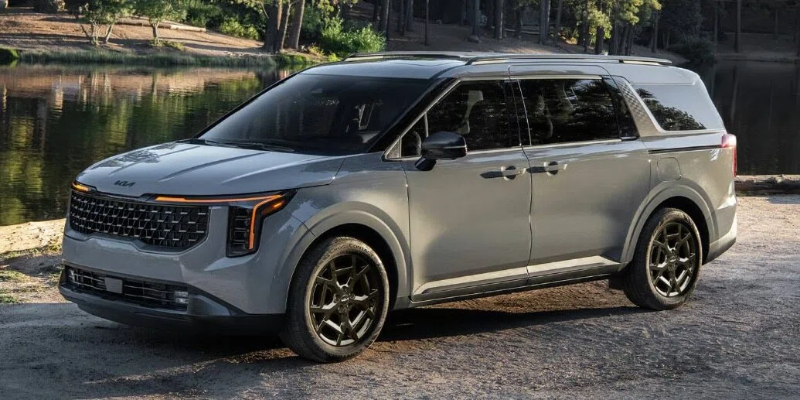
Launching in 2020, the KA4 Kia Carnival embraced SUV-inspired styling, ditching traditional minivan vibes for a muscular, upscale presence. With a tiger-nose grille, sleek LED headlights, and dual power-sliding doors, it turned heads and redefined segment expectations. This generation prioritized tech and luxury, positioning Kia as a premium player.
The 3.5L V6 engine delivered 290 horsepower through an 8-speed automatic, offering robust acceleration for full loads. Seating for 7-8 used high-quality materials, wireless charging, and ample legroom/headroom. Infotainment featured a large touchscreen with Apple CarPlay/Android Auto, voice controls, and navigation.
Safety tech was class-leading: lane-keeping assist, adaptive cruise, blind-spot monitoring, and 360-degree cameras. Fuel economy hit 22 MPG city / 26 MPG highway, competitive for its power. Used pricing: USD 10,672-53,865, reflecting strong demand.
Trims ranged from base models with essentials to SX Prestige with full ADAS suites. Roof rails and alloy wheels added practicality and style. This Carnival excelled in urban settings, with smooth handling belying its size.
Why It Excels: Balances family practicality with near-luxury refinement, ideal for tech-savvy parents.
The 2025 Kia Carnival hybrid, released in Q4 2024, revolutionized the lineup with electrified efficiency now standard in 2026 models. Pairing a 1.6L turbo four-cylinder with a 74-hp electric motor yields 242 total horsepower, prioritizing smoothness over raw grunt. This setup slashes emissions and costs, appealing to eco-conscious fleets and families.
Efficiency soars to 34 MPG combined – a 50% improvement over V6 predecessors – with seamless EV mode for city driving. Pricing starts at USD 33,000, topping out near $48,000 loaded. Updates include refined ADAS, larger infotainment screens, and over-the-air software for ongoing enhancements.
2026 Tweaks: Subtle styling refreshes, improved battery thermal management, and expanded hybrid availability globally. It rivals Chrysler Pacifica hybrids with better warranties and lower ownership costs.
This powertrain transforms the Carnival into a versatile daily driver, cutting fuel bills for high-mileage users while maintaining space.
Kia Carnival reliability consistently outperforms segment averages, with J.D. Power scores highlighting durability. V6 engines routinely exceed 200,000 miles; hybrids promise even longer life via regenerative braking.
Common Issues by Generation:
1. 1998-2004: Sliding door cables snap ($500-800 repair); rust on underbody in wet climates.
2. 2005-2013: TPMS sensors fail intermittently; minor oil leaks from valve covers.
3. 2014-2020: Infotainment freezes (OTA fix); throttle body buildup in V6s.
4. 2020+: Rare hybrid battery concerns, but Kia's 10-year warranty covers them.
Maintenance Roadmap:
1. Transmission fluid every 60,000 miles ($200-300).
2. Annual brake inspections for safety.
3. OEM filters/oils to preserve warranty.
4. Cabin air filter quarterly for allergy-prone families.
Annual costs average $500-700, cheaper than Odyssey. Regular upkeep yields 15+ years of service.
| Generation | Reliability (Out of 5) | Top Fix Cost |
|---|---|---|
| 1st | 3.8 | $600 |
| 2nd | 4.2 | $400 |
| 3rd | 4.5 | $300 |
| 4th+ | 4.7 | $200 |
Purchasing a used Kia Carnival? Follow this proven 10-step process.
1. Review Service Records: Confirm oil changes, belt/chain services.
2. Pre-Purchase Inspection: Mechanic scan for codes ($100-150).
3. Test Drive Thoroughly: Check transmission shifts, door operation, AC blast.
4. Rust Hunt: Frame, wheel wells – critical in salt regions.
5. Tire/Brake Assessment: Even wear indicates care.
6. Battery/Alternator Test: Especially pre-2014 models.
7. Interior Check: Seat mechanisms, electronics function.
8. VIN Verification: Accident history via Carfax.
9. Value Benchmark: Kelley Blue Book minus 10-15% negotiation.
10. Warranty Transfer: Kia's powertrain coverage often remains.
Hybrid-Specific: Verify battery health >80%. This checklist dodges lemons, saving thousands.
| Model | MPG (Hybrid) | Strengths | Weaknesses | Avg Used Price |
|---|---|---|---|---|
| Kia Carnival | 34 | Style, tech, warranty | Slightly pricier base | $35,000 |
| Honda Odyssey | 28 | Resale, handling | Fewer features | $32,000 |
| Toyota Sienna | 36 | Reliability legend | Boring design | $38,000 |
| Chrysler Pacifica | 30 | Stow-n-Go seats | Trans issues | $30,000 |
Carnival leads in balanced value-tech for international buyers.
Beyond families, used Kia Carnivals thrive in business: airport shuttles, tour vans, delivery. Cargo configs fold for 100+ cu ft. Hybrids slash fleet fuel 30%. Case: Asian operators cut downtime 15% vs rivals.
KeyChain (keychainauto.com), China's premier commercial used vehicle supplier, delivers inspected Kia Carnivals worldwide – from 1998 classics to 2026 hybrids. Specializing in buses/trucks, we ensure high-performance for global fleets.
Contact: +8613572980919 | abbie@keychainventure.com.
Get Your Free Quote Today – Reliable, efficient transport starts here!
Contact us to get more information!
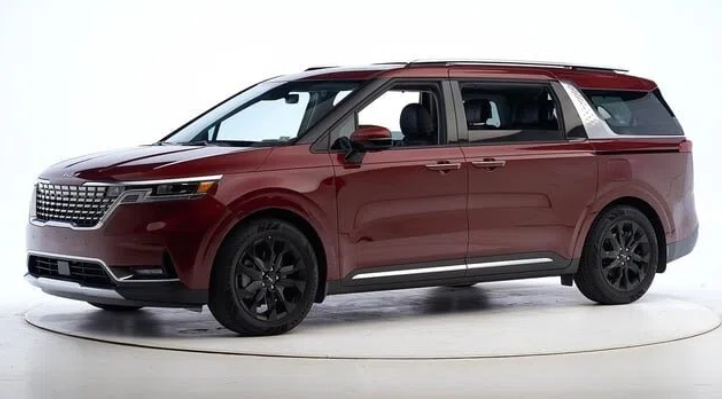
Launched in 1998 as the KV-II, it debuted as an affordable family minivan with a 2.5L V6 and 7 seats.
Fourth-gen (2020+) and 2025 hybrid top charts at 4.7/5, thanks to refined engines and Kia's warranty.
Up to 34 MPG combined, a 50% gain over V6s, ideal for high-mileage use.
Sliding doors (Gen 1), sensors (Gen 2); repairs $400-800, easily fixed.
KeyChain (keychainauto.com) offers vetted stock; call +8613572980919 for instant quotes.
1. https://blog.beforward.jp/car-review/kia-carnival-1998-2024-generational-differences.html
2. https://en.wikipedia.org/wiki/Kia_Carnival
3. https://www.hyundaimotorgroup.com/en/story/CONT0000000000003475
4. https://sp.beforward.jp/kia/carnival/ca181084/id/12264744/
5. https://www.dyerki lakewales.com/blogs/5192/the-evolution-of-the-kia-carnival-a-vehicle-that-breaks-the-mold


