
Views: 293 Author: Keychain Venture Publish Time: 2026-07-04 Origin: Site


Content Menu
● Harley-Davidson and Penske in Brazil: Why This Partnership Matters
● Inside the Cajamar Distribution Center: Operational Excellence at Work
● Penske's Role: More Than Warehousing and Transport
● Brazil's Logistics Context: Why Specialized Partners Are Essential
● Network Optimization: The Hidden Engine Behind Service Performance
● Lessons for Heavy-Duty Truck and Bus Fleets: A KeyChain Perspective
● Case Insight: Penske's Wider Automotive and Industrial Footprint in Brazil
● Sustainable Logistics and Regulatory Compliance: Beyond Speed and Cost
● How Heavy Vehicles Enable High-Performance Logistics
● Practical Steps OEMs Can Take When Selecting a Logistics Partner
● Expert Insight – Why Dedicated Logistics Matter for High-Performance Fleets
● FAQ: Harley-Davidson, Penske Logistics, and Heavy Vehicle Fleets
>> Q1: Why did Harley-Davidson choose Penske Logistics for Brazil?
>> Q2: What makes Brazil a challenging logistics environment?
>> Q3: How does the Cajamar DC support Harley-Davidson's dealers?
>> Q4: What can heavy-duty truck and bus fleets learn from this case?
>> Q5: How does KeyChain's vehicle portfolio connect to cases like Harley-Davidson–Penske?
Harley-Davidson's decision to appoint Penske Logistics as its logistics partner in Brazil is a textbook example of how specialized 3PL expertise can unlock performance, resilience, and customer experience in complex automotive markets. From my perspective as a fleet and logistics strategist working with high-performance dump trucks, buses, heavy-duty trucks, and new energy vehicles at KeyChain, this case also reveals practical lessons for OEMs and fleet operators who depend on robust transport assets and smart network design to keep their supply chains moving.
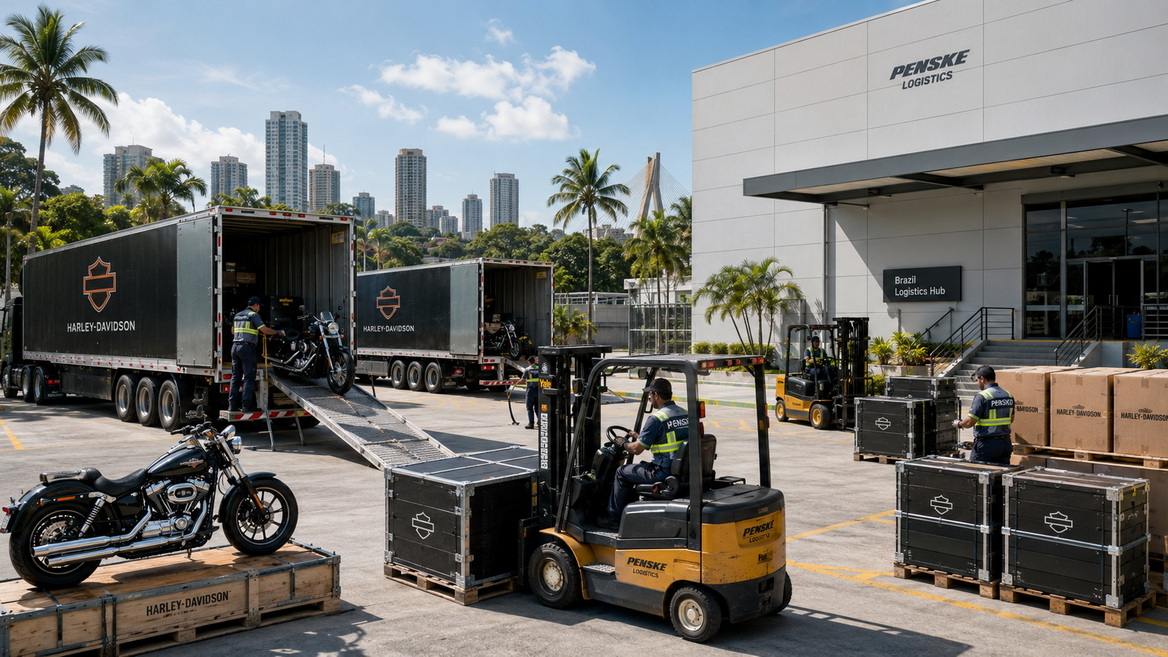
Harley-Davidson entered Brazil with ambitious growth targets, aiming for international markets to represent more than 40% of its global sales by 2014, and saw Brazil as a strategic pillar in that expansion. In this context, the brand needed a logistics partner capable of handling a wide mix of SKUs, stringent regulatory requirements, and rising customer expectations across a vast territory.
Penske Logistics was selected to manage Harley-Davidson's logistics processes in Brazil, including a dedicated distribution center in Cajamar (São Paulo) and nationwide distribution to authorized dealers. This move effectively outsourced a critical part of Harley-Davidson's operational backbone to a specialist whose core competence is logistics engineering, network optimization, and multi-client warehousing.
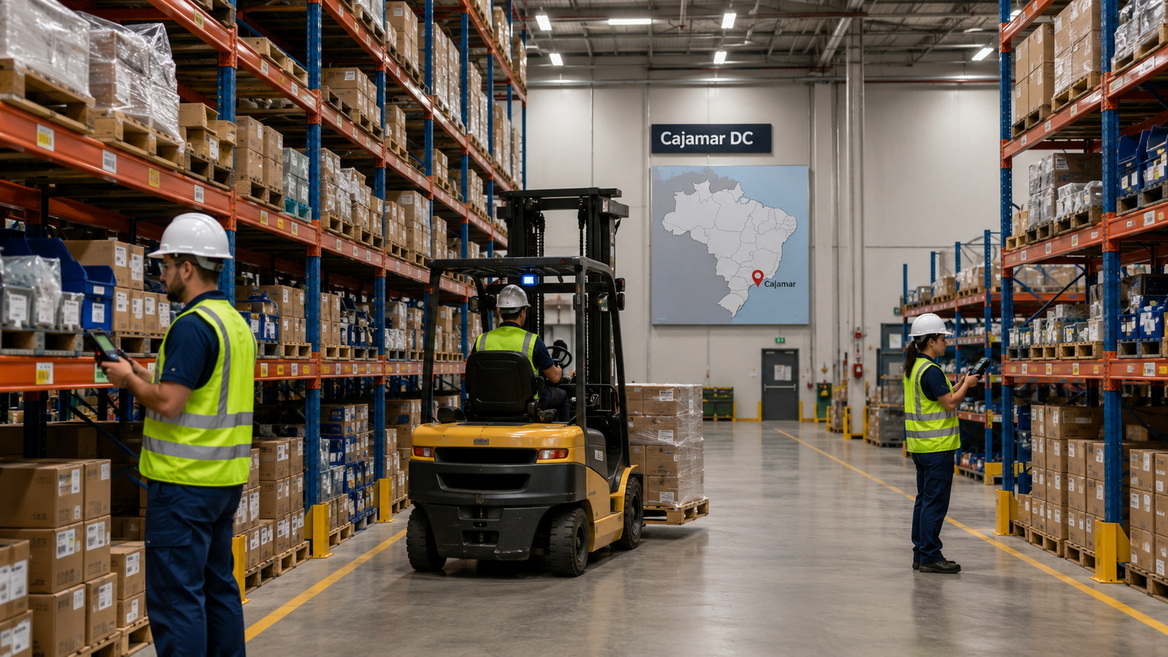
Harley-Davidson's dedicated facility in Cajamar covers approximately 2,350 square meters, staffed by a Penske team responsible for high-precision warehousing and outbound distribution. The operation manages about 13,500 SKUs—from spare parts and accessories to apparel and merchandising materials—for 11 distributors and resellers across Brazil.
Monthly throughput averages 40,500 pieces, with inbound and outbound flows tightly coordinated to meet service-level agreements and dealer timelines. Penske's associates handle receiving, storage, picking, packing, and shipping, along with specialized activities such as labeling apparel to comply with Brazilian regulations through a dedicated team of seamstresses.
From an industry practitioner's view, Penske's value proposition in the Harley-Davidson project goes far beyond basic storage and trucking. Penske provides:
- End-to-end logistics execution including inbound and outbound flows, inventory management, and order processing.
- Custom regulatory compliance workflows, such as local labeling and documentation processes tailored to Brazilian law.
- Visibility and control through systems and processes that keep Harley-Davidson informed on stock levels, movement, and performance metrics.
The combination of warehouse management, transportation coordination, and compliance-centric operations creates an integrated logistics backbone that allows Harley-Davidson to focus on brand, product, and market development rather than daily logistics firefighting.
Brazil is a notoriously challenging environment for logistics operations, characterized by a large geography, regional infrastructure disparities, and complex regulatory frameworks. Automotive and industrial manufacturers face long transit distances, port and road bottlenecks, and regionally segmented markets that demand tailored distribution strategies.
Penske Logistics has spent more than a decade building out its presence in Brazil, operating multi-client warehouses, regional distribution centers, and advanced transport optimization services. Its Brazilian operations span over 3.4 million square feet of warehousing, servicing automotive, electronics, retail, and other sectors from secure, professionally managed facilities.
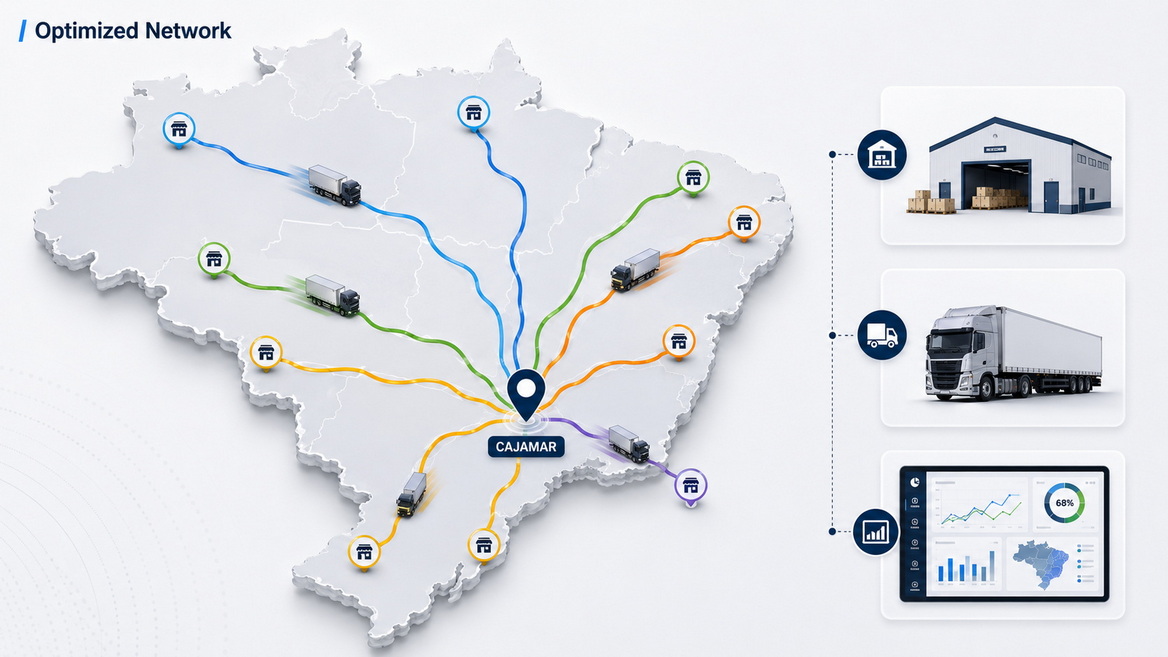
At the heart of Penske's work in Brazil is network optimization—the systematic design and continuous refinement of warehousing locations, routes, load plans, and transport modes. Penske leverages software tools and expert planners to anticipate transit times, model cost-service trade-offs, and decide where to position inventory to reduce disruption risk.
For Harley-Davidson, this means that parts and accessories are staged and shipped in ways that minimize dealer downtime while controlling logistics costs through better load consolidation and route planning. Penske's approach to full-truckload and less-than-truckload coordination in Brazil helps ensure that shipments are both timely and cost-effective, which is crucial in a price-sensitive yet brand-loyal motorcycle market.
At KeyChain, we supply high-performance dump trucks, buses, heavy-duty trucks, and new energy vehicles from China to global customers who need reliable, rugged assets for demanding duty cycles. When I study the Harley-Davidson–Penske case, several lessons stand out for fleet operators and OEMs relying on heavy commercial vehicles:
1. Dedicated capacity for critical flows
Harley-Davidson's exclusive DC in Cajamar demonstrates the value of ring-fenced capacity for mission-critical SKUs and high-margin products. For fleets operating dump trucks and buses, dedicating specific routes and vehicles to priority customers or time-sensitive cargo can similarly safeguard service levels in volatile environments.
2. Multi-client expertise, single-client focus
Penske manages multi-client facilities across Brazil, yet still builds bespoke solutions for anchor customers like Harley-Davidson and Natura. Heavy vehicle fleets can mirror this pattern by standardizing core operations while tailoring service packages for strategic clients—whether in construction, mining, public transit, or logistics. 3. Compliance and customization as differentiators
The apparel labeling process for Harley-Davidson in Brazil highlights how logistics providers add value by mastering local compliance and customization requirements. For vehicle exporters like KeyChain, building after-sales and parts flows that respect local laws—from safety standards to documentation—turns logistics from a cost center into a competitive advantage.
The Harley-Davidson partnership is part of a broader pattern in which Penske Logistics supports automotive and industrial brands across Brazil. Penske operates distribution centers for consumer and industrial products, including major manufacturers in sectors such as cosmetics and white goods.
For example, Penske manages a modern distribution center for a leading cosmetics company with 4,000 pallet positions and daily shipments of 12,000 volumes (around 330,000 units), and has significantly reduced delivery times by optimizing warehouse operations and transport routes. Similarly, Penske's warehouse in Manaus for Whirlpool supports air conditioners and microwaves distribution, strategically located near an industrial free trade zone to serve manufacturers more efficiently. These cases underline a consistent operational theme: scaling logistics infrastructure to support high growth while integrating sustainability, speed, and cost control.
Modern logistics partnerships increasingly need to meet sustainability and compliance requirements alongside traditional performance metrics. In Brazil, Penske has supported customers like Natura with logistics models designed to cut carbon emissions and align with eco-friendly brand strategies.
Measures include the use of light delivery vehicles, optimized transportation and sorting systems, and warehouse operations engineered to reduce unnecessary mileage and packaging waste. Harley-Davidson's operations benefit from the same underlying philosophy: route optimization, efficient warehouse design, and compliance-focused workflows that reduce risk and environmental impact while preserving service quality.
From an expert fleet perspective, high-quality dump trucks, heavy-duty trucks, and buses are fundamental enablers of the types of logistics strategies seen in the Harley-Davidson–Penske partnership. The reliability of road transport assets directly influences on-time delivery rates, damage incidence, and the ability to execute complex multi-stop routes across large territories like Brazil.
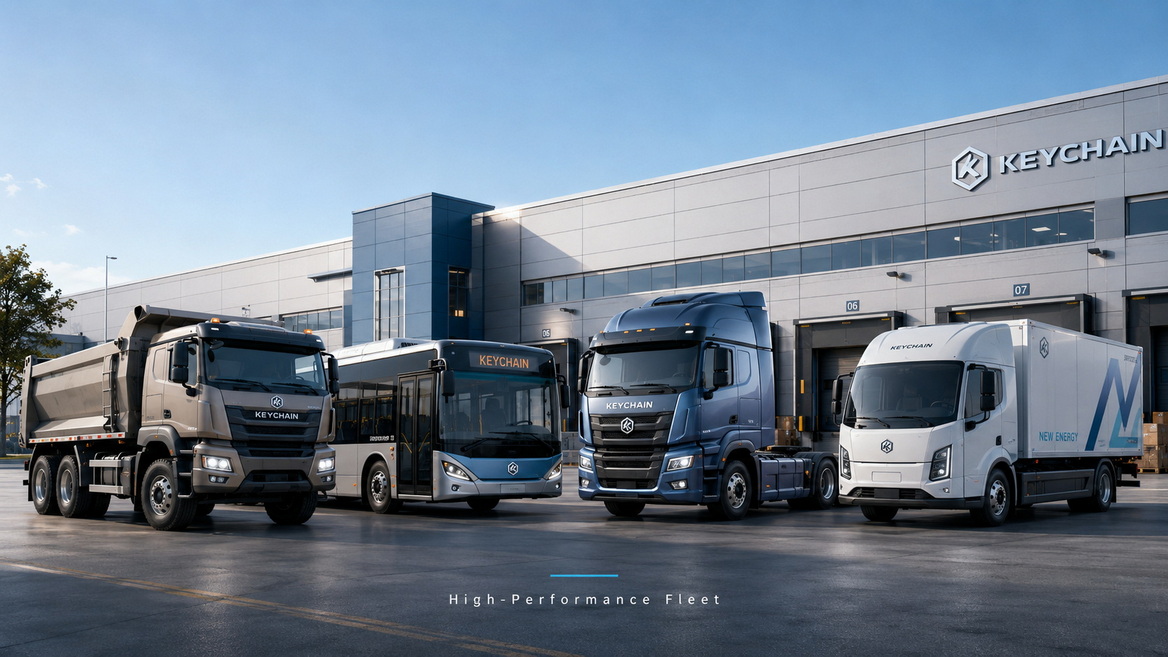
KeyChain's focus on high-performance commercial vehicles means we design trucks and buses for the kind of duty cycles found in automotive parts distribution, industrial supply chains, and large-scale retail logistics. Robust chassis, fuel-efficient powertrains, and advanced safety features help logistics providers maintain high utilization, reduce total cost of ownership, and support demanding SLAs similar to Harley-Davidson's expectations of Penske.
For manufacturers and exporters—whether motorcycles, vehicles, or industrial equipment—the Harley-Davidson–Penske example suggests a practical checklist when choosing a logistics partner:
1. Define strategic markets and service levels
Identify which markets (like Brazil for Harley-Davidson) are strategic and define clear service-level requirements for delivery times, fill rates, and dealer uptime.
2. Audit network design capabilities
Evaluate potential partners' ability to model and optimize networks, including warehousing, cross-docking, and route planning using specialized software and experienced planners.
3. Assess sector-specific experience
Prioritize providers with proven experience in your sector—Penske's track record in automotive and electronics was a strong signal for Harley-Davidson.
4. Check compliance and sustainability credentials
Examine how partners handle local regulations (e. g., labeling, documentation) and what sustainability practices they can offer, such as emission-reducing transport strategies.
5. Ensure cultural and operational alignment
Look for partners whose operational discipline, safety culture, and customer service philosophy match your brand promise to end customers.
From my vantage point working with fleets that deploy KeyChain dump trucks, buses, and new energy vehicles, dedicated logistics partnerships are powerful risk‑management tools. When a manufacturer outsources logistics to a specialist like Penske, it gains:
- Predictable operational performance, thanks to professional warehouse management, trained staff, and standardized processes.
- Scalable capacity, so the logistics infrastructure can grow with demand without the OEM needing to build and manage its own network.
- Data-driven optimization, where continuous analysis of transport and warehousing data drives incremental improvements in cost and service.
For heavy vehicle fleets, this translates into more efficient asset utilization, better route planning, and lower overall logistics cost per unit shipped—critical outcomes when fuel, maintenance, and compliance costs are rising.
Harley-Davidson selected Penske for its proven expertise in automotive logistics, ability to manage a dedicated distribution center in Cajamar, and capacity to support ambitious growth targets in a complex market.
Brazil's vast geography, variable infrastructure quality, and complex regulatory environment increase transit times and operational risk, making specialized logistics partners essential for consistent service.
The Cajamar facility manages about 13,500 SKUs for 11 distributors and resellers, providing storage, picking, packing, and shipping services along with compliance-focused apparel labeling.
Fleets can learn the value of dedicated capacity, professional logistics management, and continuous network optimization to improve asset utilization, reliability, and customer service.
KeyChain's high-performance dump trucks, buses, heavy trucks, and new energy vehicles provide the robust transport capacity needed to execute complex logistics strategies similar to those used by Penske for Harley-Davidson and other industrial clients.
1. Penske Logistics. "Harley-Davidson Selects Penske Logistics in Brazil."
https://www.gopenske.com/blog/logistics/harley-davidson-selects-penske-logistics-in-brazil/
2. Agência Transporta Brasil. "Penske vai gerenciar a logística da Harley-Davidson no Brasil."
3. Penske Logistics / Armstrong & Associates. "New Report Highlights Penske Logistics Operations in Brazil."
https://www.gopenske.com/blog/logistics/new-report-highlights-penske-logistics-operations-in-brazil/
4. Penske Logistics. "Network Optimization in Brazil."
5. Penske Logistics Case Study (Cosmetics Industry in Brazil).
https://www.penskelogistics.com/pdfs/south-america/case-study-brazil-cosmetics.pdf
6. FreightWaves. "Penske expands in Brazil for Whirlpool."
https://www.freightwaves.com/news/penske-expands-in-brazil-for-whirlpool
7. Tecnologística. "Penske Logistics expande atuação e amplia oferta de serviços."
8. Natura / Penske Logistics South America. "Penske Logistics Manages Natura's New Distribution Center in South America."
9. KeyChain Vehicles. "High-Performance Dump Trucks, Buses And New Energy Vehicles: A Fleet Expert's Perspective on Reliability, Safety And The Road Ahead."


