
Views: 222 Author: Sara Publish Time: 2026-01-12 Origin: Site


Content Menu
● H2 Coach Technical Specifications
● Hydrogen Buses vs. Battery Alternatives
● Hydrogen Bus Market Expansion
● Proven Hydrogen Bus Deployments
● Overcoming Hydrogen Adoption Barriers
● China's Leadership in Hydrogen Commercial Vehicles
● Roadmap to Mass Fuel Cell Coach Production
● Take Action with KeyChain Today
● FAQ
>> 1. What is the range of the Daimler H2 Coach?
>> 2. When will hydrogen fuel cell buses enter production?
>> 3. How does hydrogen refueling compare to EV charging?
>> 4. Are used hydrogen buses available now?
>> 5. What support exists for hydrogen infrastructure in China?
Daimler Buses unveils the H2 Coach, a pioneering hydrogen fuel cell-powered Setra S 517 HD touring coach now in road testing. This breakthrough advances hydrogen fuel cell buses for long-distance travel, delivering zero tailpipe emissions, superior range, and fast refueling.
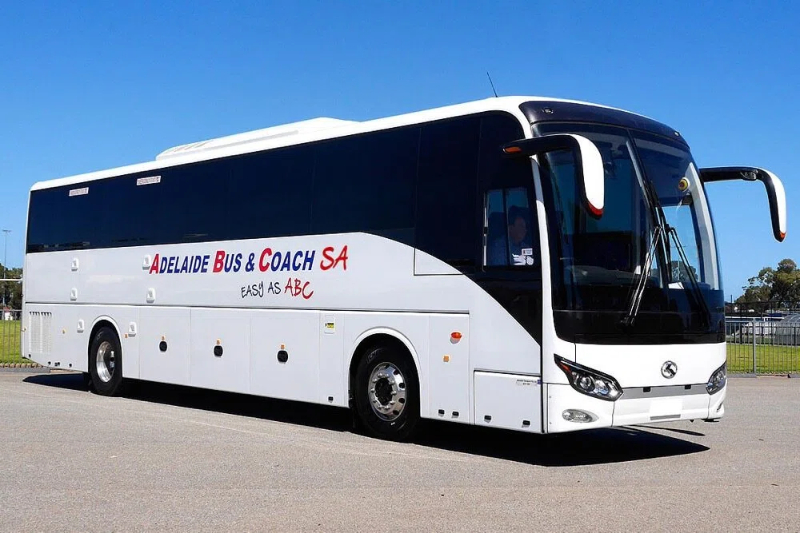
The Setra H2 Coach prototype leverages the reliable 13.9-meter S 517 HD high-decker chassis, enhanced with cutting-edge hydrogen systems for top-tier hydrogen-powered commercial vehicles. Core features include:
- Hydrogen Storage: Dual tanks with 46 kg capacity, supporting a 800 km minimum range for extended routes.
- Fuel Cell Module: 300 kW unit from cellcentric (Daimler-Volvo joint venture), efficiently generating electricity from hydrogen.
- Electric Propulsion: Central motor provides 320 kW continuous power (400 kW peak) and 2,470 Nm torque, backed by a battery for optimal performance.
- Gross Vehicle Weight: Up to 24.7 tonnes GVW, certified under German TÜV Section 19.6 for public roads.
Drawing from Daimler Truck's GenH2 Truck design, it minimizes noise and emissions versus diesel heavy-duty buses. Tests run at Neu-Ulm facilities and open roads to confirm durability.
Battery-electric buses face hurdles in long-haul scenarios: prolonged charging times and range loss in cold conditions. Hydrogen fuel cell coaches like the H2 Coach excel by offering:
- Refueling Speed: Less than 15 minutes for full 800 km capability.
- Versatility: Quiet rides boost appeal for city and leisure travel.
- Environmental Gains: No local emissions, aiding air quality in busy zones.
Daimler aims for battery coaches by 2030, with fuel cell buses scaling production shortly after, supporting CO2-neutral goals by 2050.
Global demand for hydrogen fuel cell bus technology accelerates under net-zero policies. Europe benefits from EU Green Deal investments; China pours funds into "Dual Carbon" initiatives. Key 2025 metrics highlight the shift:
| Metric | Battery Buses | Hydrogen Buses |
|---|---|---|
| Average Range (km) | 300-500 | 800+ |
| Refuel/Charge Time | 1-2 hours | 10-15 minutes |
| 2025 Deployments | ~50,000 | ~1,000 (50% YoY growth) |
| 2030 Market Size | $20B | $15B |
Europe's Pioneering Routes: FlixBus trials in 2024 hit 95% uptime on mountain paths, slashing downtime 40% over batteries.
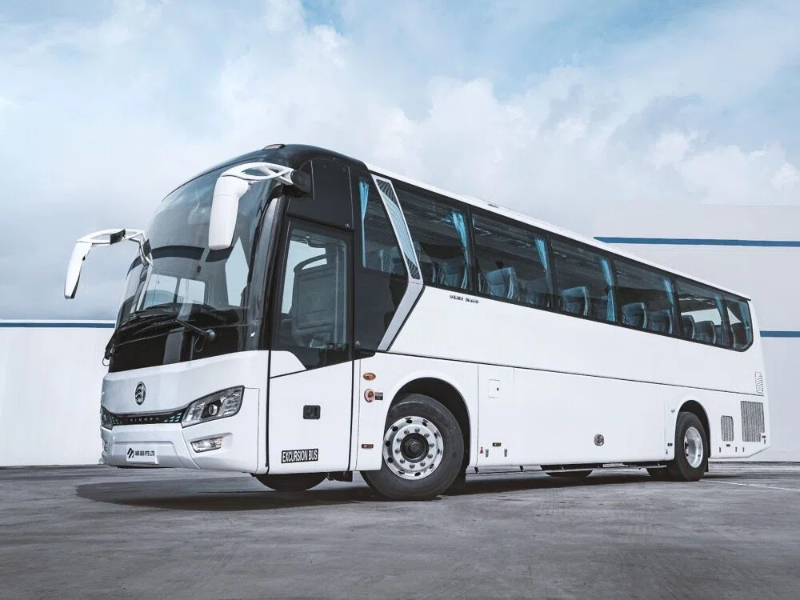
Real operations showcase hydrogen bus reliability. Notable examples:
1. California AC Transit: 13 units in 2024 covered 1.2M km at 99% uptime, refueling in 12 minutes.
2. Beijing Olympics Fleet: Over 500 buses since 2008; scaling to 5,000 by 2030 with truck-shared stations.
3. German DB Regio Pilot: Munich routes cut lifecycle costs 30% via durable fuel cells.
These cases affirm scalability for hydrogen fuel cell heavy trucks and buses, outpacing battery wear issues.
Operators weigh total cost of ownership (TCO) heavily. Common hydrogen challenges:
- Station Shortage: 1,000 worldwide versus 140,000 EV points.
- Initial Investment: 20-30% premium, balanced by 25% fuel savings over time.
Strategic fixes include:
- cellcentric's modular stacks targeting 50% cost drops by 2030.
- US IRA subsidies at $45/kg for hydrogen.
- Phased fleets blending used diesel with new hydrogen units.
BloombergNEF predicts 15% bus market share for hydrogen by 2035.
China holds 90% of global hydrogen fuel cell patents, fueling Commercial vehicle hydrogen fuel cell growth. The 2025 Hydrogen Corridor connects Beijing to Shanghai. KeyChain delivers high-performance used buses and trucks primed for upgrades:
- used bus: Retrofit-compatible Setra and Daimler stock.
- Heavy-duty truck system: Partner-sourced fuel cell integrations.
National mandates require 20% zero-emission fleets by 2027, spurring affordable used solutions.
Post-2030 series production aligns with cellcentric's 10 GW capacity ramp. Benefits for operators:
- ESG Compliance: Simplified sustainability tracking.
- Enhanced Comfort: Silent, vibration-free interiors.
- Durability: Fuel cells endure 30,000 hours.
Hydrogen Setra coaches anchor tourism's green shift.
KeyChain, China's premier used commercial vehicle supplier, offers global-sourced used buses and heavy trucks. Explore premium hydrogen-ready inventory at keychainauto.com, email abbie@keychainventure.com, or dial +8613572980919. Contact us now for your free fleet assessment and tailored deals on zero-emission upgrades!
A: Minimum 800 km on 46 kg hydrogen, exceeding typical battery bus limits for long hauls.
A: Series production targeted post-2030, after battery models launch by 2030.
A: 10-15 minutes versus 1-2 hours, supporting rapid fleet turnarounds.
A: KeyChain provides 二手公交车 ready for retrofits; inquire for current stock.
A: Plans add 1,000 stations by 2025, accelerating 商用车 adoption.


