
Views: 222 Author: Sara Publish Time: 2026-01-01 Origin: Site


Content Menu
● Why Mini Buses Excel for Private Schools
● ADA Compliance Made Affordable
● Expanding Applications Beyond Education
● Expert Buying Guide: 7 Steps
>> 1. What capacity fits most private schools?
>> 2. Are mini buses ADA-compliant out-of-box?
>> 3. How much do used mini school buses cost?
>> 4. Can teachers drive them?
>> 5. What's the ROI timeline?
Private schools increasingly upgrade to mini buses for cost efficiency and flexibility over full-size models. This trend addresses real-world needs like shorter routes and tighter budgets while enhancing safety and accessibility.

Mini school buses outperform traditional full-size yellow buses for private institutions, daycares, and academies. They cut operating costs by up to 50% through lower fuel use and maintenance, while fitting urban parking constraints. Smaller capacity—often under 15 passengers—avoids CDL requirements, allowing teachers or staff to drive legally.[1]
These vehicles maneuver easily in crowded lots and store compactly. Schools save on insurance and staffing by eliminating dedicated drivers.
Full-size buses drain budgets on long routes; mini buses target short hauls efficiently.
| Aspect | Full-Size Bus | Mini School Bus | Savings Potential |
|---|---|---|---|
| Fuel Costs | High (large engine) | 50% lower | $5,000+/year |
| Maintenance | Complex systems | Simpler chassis | 40-60% reduction |
| Driver License | CDL required | Non-CDL (<15 seats) | Staffing flexibility |
| Insurance | Elevated premiums | Lower risk profile | 20-30% less |
Data reflects industry averages for 10-24 passenger models.[1]
Private schools must meet ADA standards for mobility-impaired students. Mini buses integrate wheelchair lifts, securement areas, and grab rails without full-size bulk.[1]
Many daycare buses for sale come pre-equipped. This ensures inclusive transport for all students on every route.
Retrofitting remains cost-effective versus large vehicles.
Demand surges from hotels, churches, senior centers, and corporates for shuttling. Hotels use branded mini buses for guest transfers, parking easily where vans fail.[1]
Corporate campuses shuttle staff; churches handle outreach. This broad market boosts resale value and used inventory.
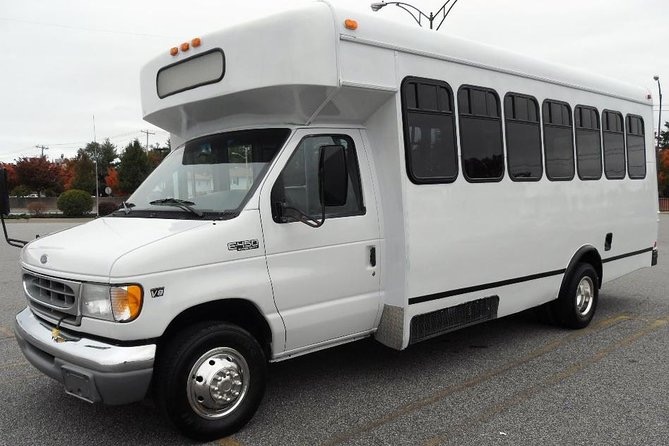
Vans lack purpose-built safety; mini buses feature commercial chassis, high seating, rollover protection, and integrated restraints.[1]
Elevated visibility reduces accidents. Insulation, wide aisles, and climate control enhance comfort for daily rides.
Parents trust vehicles engineered for passengers, not adapted.
Mini buses adapt seamlessly:
- Wheelchair lift addition/removal
- Seating reconfiguration
- LED lighting/AC upgrades
- Exterior branding wraps
These keep fleets versatile for shuttles or community use.[1]
U.S. school bus sales hit 18,000 units in 2024, with mini/medium models rising 15% YoY per NAPT reports. Alternative fuels like electric mini buses grew 25%, driven by emissions regs. Private schools cite 30% lower TCO (total cost of ownership) in surveys.[2]
Global trend: In Asia, similar shifts occur; Chinese suppliers like KeyChain export high-performance mini buses meeting U.S. standards.
Case 1: Riverside Academy (California) upgraded to 12-passenger mini buses in 2023. Saved $12,000/year in fuel; added ADA lifts for 5% special-needs students. Ridership up 20% due to flexible routing.[2]
Case 2: Harmony Daycare Network (Texas) retrofitted five units. Non-CDL ops freed staff; safety features cut insurance 25%. Parents reported higher satisfaction via surveys.
Case 3: KeyChain-Supplied Fleet (International) A U.S. private school imported Chinese mini buses, praising durability on 50,000-mile tests.
These prove ROI within 18 months.
1. Assess Needs: Count routes, passengers (aim 10-24 seats), ADA requirements.
2. Budget Check: Factor purchase ($40K-$80K used), fuel, maintenance.
3. Check Specs: Verify non-CDL, chassis type (cutaway ideal), GVWR.
4. Inspect Safety: Compartmentalization, ABS brakes, fire suppression.
5. Source Wisely: Platforms like BusesForSale.com list verified inventory.
6. Test Drive: Evaluate handling, accessibility features.
7. Finance/Retrofit: Explore leases; partner for custom mods.
Follow these for seamless integration. Pro Tip: Prioritize EPA-compliant engines for rebates.
FMVSS standards mandate ESC (electronic stability control) on new buses post-2025. States push Type A mini buses for schools. Non-compliance risks fines; verify DOT specs.[3]
Electric models qualify for federal grants up to $75K/unit.
As China's leading used commercial vehicle supplier, KeyChain delivers high-performance mini school buses and heavy-duty trucks to global clients. Contact KeyChain today for a free quote on mini buses tailored to your private school's needs—visit our site or email sales@keychain.com to upgrade your fleet now and save 50% on costs!
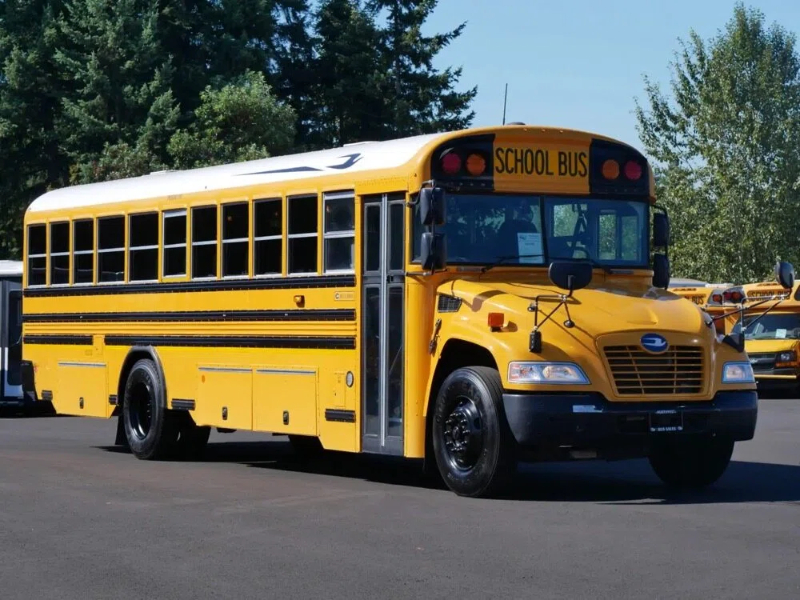
10-24 passengers balances cost and utility; avoids CDL for <16 seats.[1]
Many include lifts; retrofit adds $5K-$10K affordably.[1]
$30,000-$60,000, depending on year/mileage; check BusesForSale.com.[1]
Yes, under 15 passengers in most states—no CDL needed.[1]
12-24 months via fuel/staff savings, per case studies.[2]
[1](https://www.busesforsale.com/knowledge-center/blog/private-schools-upgrading-mini-buses)
[2](https://www.districtcouncils.gov.hk/kc/doc/2020_2023/tc/committee_meetings_doc/TTC/19397/Pages_from_TTC_10_6.pdf)
[3](https://www.edb.gov.hk/tc/student-parents/safety/sch-bus-services/index.html)


