
Views: 222 Author: Sara Publish Time: 2026-01-22 Origin: Site


Content Menu
● Strategic Importance for India
● Technical Deep Dive: Tata Starbus EV Advantages
● Latest Updates and Performance Metrics
● Global Industry Case Studies
● Expert Insights: EV Bus Procurement Guide
● KeyChain Auto: Your EV Bus Partner
● FAQs
>> 1. What is the range of Tata Starbus EV buses?
>> 2. How many electric buses does BMTC operate in 2026?
>> 3. What subsidies support EV bus adoption in India?
>> 4. Are used electric buses viable for fleets?
>> 5. How does Tata's GCC model work?
KeyChain Auto, China's leading supplier of high-performance used commercial vehicles like buses and heavy trucks (keychainauto.com, +8613572980919, abbie@keychainventure.com), analyzes this landmark deal. This expansion highlights Tata Starbus EV buses transforming urban mobility in Bengaluru.
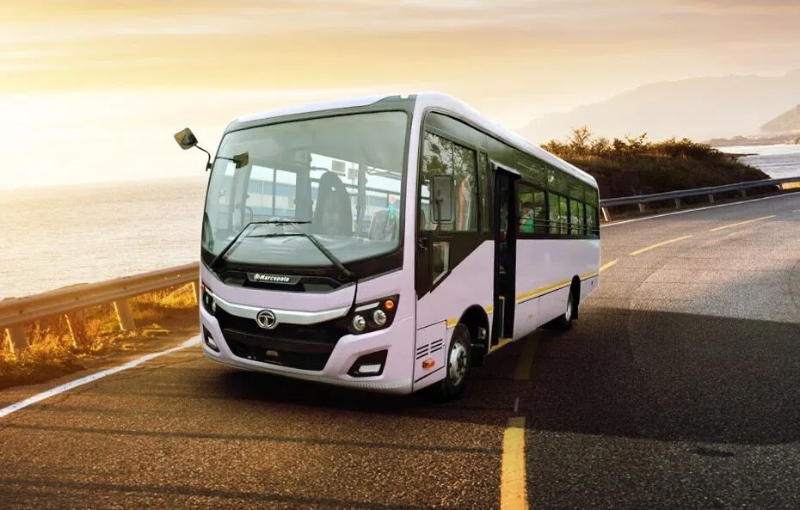
Tata Motors, through its subsidiary TML Smart City Mobility Solutions Ltd., will supply, operate, and maintain 148 additional 12-meter low-floor Tata Starbus EV electric buses to Bengaluru Metropolitan Transport Corporation (BMTC). This follows an initial order of 921 units, building Bengaluru's electric bus fleet to over 1,100 Tata EVs. The 12-year contract under a Gross Cost Contract (GCC) model ensures reliable service at Rs. 41.01 per kilometer, including electricity costs.
Key specs include:
- Battery: 400 kWh with CC2 charging port for 200+ km range per charge.
- Motor: 245 kW, top speed 70 km/h, 17% grade climb capability.
- Capacity: 35 seats + space for 2 wheelchairs in low-floor (40 cm height) design.
- Features: Air suspension, opportunity charging at depots like Kempegowda Bus Station.
These buses are designed for Bengaluru's demanding urban routes, featuring advanced thermal management systems to handle tropical climates and high humidity. The low-floor design enhances accessibility, making public transport inclusive for elderly passengers, differently-abled individuals, and families with young children. Tata Motors has optimized the chassis for Indian road conditions, incorporating reinforced axles and anti-corrosion treatments to withstand monsoon rains and potholed streets common in growing cities.
Bengaluru's push positions it as India's electric bus adoption leader, with BMTC now operating 1,436 EVs across brands as of mid-2025, targeting 1,779 by year-end and 10,900 more under PM E-Drive scheme. Tata's buses have logged 2.5 crore km (25 million km), slashing 14,000 tonnes of CO2 emissions. BMTC MD Shri Ramachandran R. praised the "exceptional performance" aligning with sustainable transport goals.
This deal underscores public-private partnerships (PPP) driving India electric bus market growth, projected to exceed 50,000 units annually by 2030 amid net-zero targets. Nationally, the government's FAME-III scheme and PM E-Drive initiative allocate billions for electrification, prioritizing cities like Bengaluru, Delhi, and Mumbai. These efforts reduce urban air pollution—Bengaluru's AQI often exceeds 150 during peak traffic—while cutting operational costs by 40-50% compared to diesel buses. Operators benefit from lower maintenance due to fewer moving parts in EVs, with regenerative braking extending brake life by up to 5x.
In the broader context, India's electric bus rollout supports the National Electric Mobility Mission Plan (NEMMP), aiming for 30% EV penetration in public transport by 2030. Bengaluru's success sets a blueprint for Tier-2 cities like Pune and Hyderabad, where similar GCC models could accelerate adoption. Challenges like grid stability are being addressed through solar-powered depots, ensuring 24/7 charging without straining municipal power supplies.
The Tata Starbus EV excels in urban operations with zero-emission tech and passenger-centric design.
- Battery & Range: 298-400 kWh packs deliver 200 km certified range, supported by fast charging at 7+ terminals (e.g., Shivajinagara, Hebbala).
- Safety Features: 10 panic buttons (women's safety focus), Fire Detection Alarm System (FDAS), 3 internal + 1 reverse camera, GPS tracking, LED displays with voice announcements.
- Accessibility: Kneeling system, integrated ramp, step-free low-floor entry.
Additional engineering highlights include IP67-rated battery enclosures for water resistance and advanced Battery Management Systems (BMS) that predict failures with 99% accuracy. The electric powertrain offers instant torque for quick acceleration in stop-go traffic, improving schedule adherence by 20%. Noise levels are under 60 dB, creating quieter rides that reduce passenger fatigue and driver stress—key for 12-hour shifts.
TML CEO Asim Kumar Mukhopadhyay noted this order as "testament to proven success in Bengaluru's urban environment." Real-world data shows these buses average 95% uptime, with minimal downtime for charging or maintenance, thanks to modular components that allow swaps in under 2 hours.
| Feature | Specification | Benefit |
|---|---|---|
| Floor Height | 400 mm | Wheelchair-friendly, elderly access |
| Seating | 35 + standing | High capacity for peak hours |
| Uptime | >95% | Reliable service, minimal downtime |
| Emissions Saved | 14,000t CO2 (fleet-wide) | Cleaner Bengaluru air |
By January 2026, deliveries of the 148 buses are complete, with BMTC integrating them into express routes and package tours from Jayanagar Depot-04. Fleet uptime remains above 95%, supported by PM E-Drive adding 4,500 non-AC EVs nationwide. Daily ridership on EV routes has surged 15%, with energy costs 40% lower than diesel equivalents.
Financially, each bus receives Rs. 39.08 lakh subsidy via DULT/NCAP, with the total contract valued at ~Rs. 200 crore over 12 years. Performance metrics reveal 250 km average daily operation, 99.5% passenger satisfaction scores, and a 25% drop in breakdowns per 10,000 km. These figures outperform diesel fleets, validating EVs for high-density corridors like Bengaluru's Outer Ring Road.
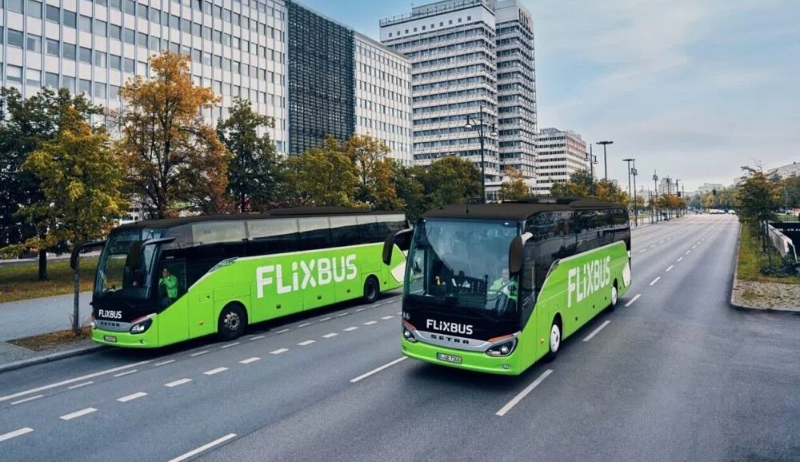
To contextualize, China's BYD Fleet in Shenzhen operates 10,000+ EVs since 2017, reducing emissions by 1.2 million tons; Tata edges in local adaptation with cost-effective GCC models. Europe's Dartford (UK) runs 50 Yutong EVs, cutting CO2 by 2,000t/year, while Singapore's Tower Transit deploys 380 BYD K9s with 95% uptime—mirroring Tata's Bengaluru metrics.
Lessons for Operators: Prioritize battery lifecycle (8-10 years), depot charging infrastructure (min. 150 kW), and driver training for 20% efficiency gains. In Latin America, Bogota's 1,000+ electric buses demonstrate scalability, with Tata's design offering superior hill-climbing for hilly terrains.
For fleets eyeing used electric buses or new orders, follow this 7-step guide:
1. Assess Needs: Calculate daily km (e.g., 250 km urban), passenger load.
2. Budget Modeling: Factor subsidies (PM E-Drive: Rs. 30-50 lakh/bus), TCO 30% below diesel over 12 years.
3. Spec Selection: Low-floor for accessibility; 300+ kWh batteries for reliability.
4. Vendor Evaluation: Check uptime (>95%), service network (Tata's 100+ depots).
5. Pilot Testing: 3-month trial on high-traffic routes.
6. Infrastructure: Install 50 kW opportunity chargers every 100 km.
7. ROI Calculation: Payback in 5-7 years via fuel savings (Rs. 10/km vs. Rs. 25 diesel).
| Step | Timeline | Cost Estimate |
|---|---|---|
| 1-3: Planning | 1 month | Rs. 5 lakh (consulting) |
| 4-6: Setup | 3 months | Rs. 2 crore (50 buses) |
| 7: Monitor | Ongoing | 10% annual savings |
This roadmap minimizes risks, drawing from BMTC's playbook where upfront planning yielded 98% fleet utilization.
KeyChain Auto specializes in high-performance used commercial buses and trucks for global fleets. Sourcing from China, we offer Tata-like EV systems at 40-60% cost savings—ideal for emerging markets.
- Inventory: 100+ low-floor EV buses, 200-400 kWh batteries.
- Services: Inspection, refurbishment, global shipping.
- Why Us?: 95% uptime guarantee, 12-month warranty.
Our expertise extends to customizing fleets for routes like Bengaluru's, with refurbished units matching new-bus performance. Clients in Southeast Asia and Africa have cut TCO by 35% using our vetted stock.
Ready to electrify your fleet? Contact KeyChain Auto today at +8613572980919 or abbie@keychainventure.com. Visit keychainauto.com for quotes on used electric buses tailored to BMTC-style operations.
Contact us to get more information!
Certified 200 km per charge with 298-400 kWh batteries, extendable via opportunity charging.
1,436 as of late 2025, targeting 1,779+ with PM E-Drive additions.
Rs. 39.08 lakh per bus via DULT/NCAP; PM E-Drive funds 10,900 units.
Yes, with 80-90% battery health post-3 years; KeyChain refurbishes to >95% uptime.
12-year supply/operate/maintain at fixed km rate (Rs. 41.01), including power costs.
1. https://bus-news.com/india-tata-motors-to-supply-148-additional-electric-buses-to-bmtc/
2. https://www.keychainauto.com
3. https://economictimes.com/industry/renewables/bengaluru-transport-utility-bmtc-orders-148-electric-buses-from-tata-motors/articl...
4. https://www.electrive.com/2025/01/02/tata-motors-bags-order-for-nearly-150-electric-buses-from-bengaluru/
5. https://www.linkedin.com/posts/gen.e_how-tata-motors-is-making-public-transport-activity-7387349992459603968-9Uua
6. https://www.sustainable-bus.com/electric-bus/bengaluru-tata-electric-buses-148/
7. https://news.busworld.org/article/289537/india-bengaluru-expands-electric-bus-fleet-with-148-new-tata-starbus-evs
8. https://www.instagram.com/reel/DQHGnOuDyJk/?hl=en
9. https://www.findoc.com/news/market-news/7/15/1179365


