
Views: 222 Author: Sara Publish Time: 2026-01-02 Origin: Site


Content Menu
● What Is School Bus Maintenance in 2026?
● Why School Bus Maintenance Is Non-Negotiable
● Core School Bus Maintenance Tasks (The 7 Pillars)
>> 1. Weekly & Monthly School Bus Safety Checks
>> 2. Preventive School Bus Maintenance Schedule
>> 3. Regulatory School Bus Safety Inspections
>> 4. Fluids & Filters: The Lifeblood of a School Bus
>> 5. Battery & Electrical System Reliability
>> 6. HVAC & Cabin Comfort for Students
>> 7. Chassis & Structural Integrity
● 2026 Trends in School Bus Maintenance
>> Digitalization: Telematics & Software
● School Bus Maintenance Cost Control Strategies
● Practical School Bus Maintenance Checklist (Step-by-Step)
>> Daily Pre-Trip (Driver Level)
● Action Call: Upgrade Your Fleet Today
● 2026 School Bus Maintenance FAQs
>> 1. How often should a school bus be serviced in 2025?
>> 2. What is the most critical school bus maintenance task?
>> 3. How can school bus maintenance reduce costs?
>> 4. Do small fleets need formal plans?
Running a school bus fleet in 2025 means balancing student safety, regulatory compliance, and rising operating costs. A disciplined school bus maintenance program is now one of the most effective ways to prevent accidents, avoid fines, and extend vehicle life well beyond 150,000 miles.[1]

Modern school bus maintenance is a structured, data-driven system that combines regular inspections, preventive services, and regulatory checks to keep vehicles safe, reliable, and road-ready every day. It covers everything from brake wear and fluid health to battery performance, HVAC comfort, and chassis integrity.[1]
Skipping routine service on a school bus does more than risk a failed inspection; it directly increases safety, legal, and financial risks. A single preventable breakdown during a student route can create reputational damage that takes years to repair.[1]
- Mechanical failures in transit
- Emergency repairs that strain budgets
- Regulatory fines or service suspensions
- Shortened vehicle lifespan
- Compromised safety for students and drivers[1]
Short-cycle checks are the first line of defense for spotting hazards, ideal for drivers or frontline staff.[1]
- Brakes: Inspect pads, shoes, lines, and fluid levels.
- Tires: Measure tread depth, check pressures, look for cuts or bulges.
- Safety systems: Test emergency exits, lights, horns, and warning arms.
- Undercarriage: Check for leaks, corrosion, or loose parts.
- Interior: Verify seat belts and restraints work correctly.
- Logging: Record all findings digitally.[1]
Preventive care determines total lifecycle costs. Schedule by mileage and time instead of waiting for failures.[1]
| Maintenance Item | Recommended Interval | Notes |
|---|---|---|
| Oil & Filters | Every 3,000-5,000 miles | Adjust for conditions |
| Transmission Service | Every 30,000 miles | Critical for automatics |
| Coolant Flush | Annually | Check hoses |
| Brake Inspection | Quarterly | Shorter for hills |
| Alignment & Suspension | Every 10,000 miles | Prevents uneven wear |
States mandate strict, evolving checks; failure risks immediate grounding.[1]
- Fire extinguisher, first-aid kit, reflectors in date.
- All emergency exits open smoothly with buzzers.
- Mirrors aligned for full visibility.
- Clear aisles, clean interior.
- GPS/telematics operational if equipped.[1]
Fresh fluids and OEM filters prevent contamination and breakdowns.[1]
- Fuel filters to protect injectors.
- Transmission fluid for smooth shifts.
- Brake fluid to avoid sponginess.
- Hydraulic fluid for lifts.
- OEM-grade to extend system life.[1]
Electrical issues strand buses and disable safety features.[1]
1. Test battery voltage and terminals.
2. Inspect wiring for wear.
3. Verify alternator output.
4. Check all lights and signals.[1]
Reliable climate control prevents fogging and discomfort.[1]
- Clean/replace HVAC filters.
- Tension belts properly.
- Monitor coolant levels.
- Test blower and vents.[1]
A solid chassis ensures long-term safety.[1]
- Scan frame for cracks or rust.
- Check mounts for engine/transmission.
- Verify underbody coatings.
- Inspect suspension points.[1]
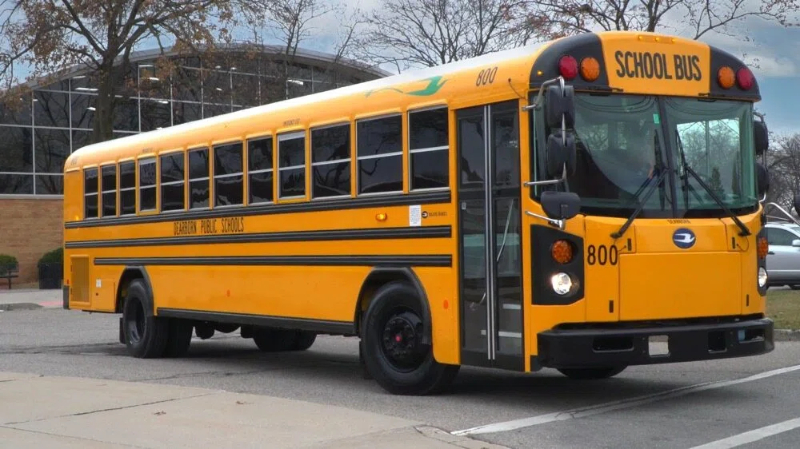
Telematics enables predictive maintenance via real-time data.[1]
- Monitor fault codes remotely.
- Automate reminders.
- Track mileage precisely.[1]
- Bulk-buy parts for discounts.
- Standardize fleet specs.
- Predict failures from data.[1]
1. Walkaround for tires, lights, body.
2. Start engine, check gauges.
3. Test brakes, steering, horn.
4. Verify fuel/fluids.[1]
- Full brakes/suspension.
- Emergency gear test.
- Log faults.[1]
- Review stats.
- Vendor audits.
- Budget updates.[1]
- School districts: Fleet compliance.
- Churches/nonprofits: Reliable transport.
- Charter operators: Less downtime.
- Skoolie converters: Solid base.
- Municipal agencies: Public trust.[1]
- Use tracking software.
- Train drivers on checks.
- Schedule during breaks.
- Partner with mechanics.[1]
Proper maintenance starts with the right bus. As a leading global supplier of high-performance used commercial vehicles like buses and trucks, KeyChain helps you source reliable, well-maintained school buses tailored to your needs.
Contact KeyChain now at +8613572980919 for personalized fleet recommendations, maintenance audits, or bulk purchases. Visit keychainauto.com to browse inventory and ensure your 2026 operations run smoothly and safely. Let's safeguard your students and bottom line together.
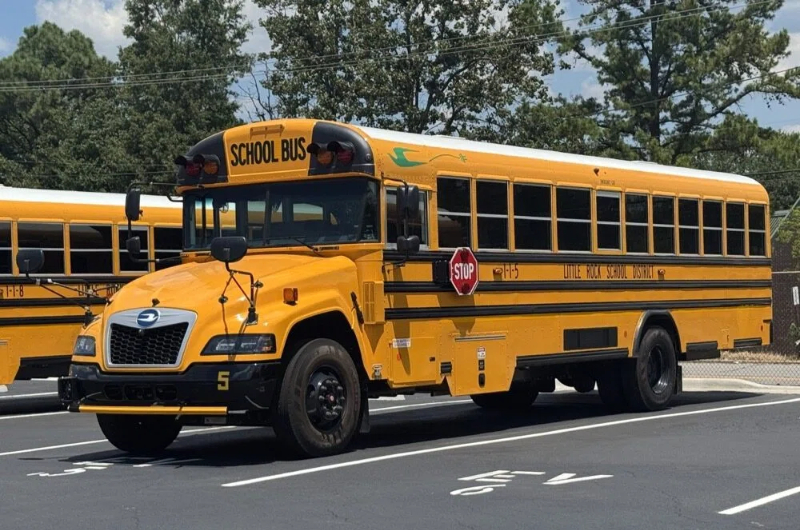
A: Follow daily checks + monthly inspections + quarterly/annual deep services, per manufacturer manuals.[1]
A: Brakes and tires, as they directly impact stopping and handling.[1]
A: Prevents breakdowns, extends life, optimizes parts buying.[1]
A: Yes, for compliance and reliability, even with 1-3 buses.[1]
A: Logs, invoices, mileage in digital format for audits.[1]
[1](https://www.busesforsale.com/knowledge-center/blog/school-bus-maintenance-tasks-2025)


