
Views: 222 Author: Sara Publish Time: 2026-02-02 Origin: Site


Content Menu
● First Generation (2008-2013): Bold Origins and Urban Appeal
● Second Generation (2014-2019): Modern Refinement and Power Surge
● Third Generation (2020-2022): Tech, Safety, and Efficiency Pinnacle
● Reliability Ratings and Best Years to Buy
● Fuel Economy and Ownership Costs Breakdown
● Kia Soul vs Competitors in 2026 Market
● Practical Buyer's Checklist for Used Kia Souls
● Why Choose a Used Kia Soul in 2026?
● FAQ
>> 1. What is the most reliable Kia Soul model year?
>> 2. How do 2020 Kia Soul improvements stack up against 2014?
>> 3. Are Kia Souls suitable for tall drivers?
>> 4. Which Kia Soul engine is the best choice?
>> 5. What's the typical cost of a used Kia Soul in 2026?
The Kia Soul 2008-2022 stands out as a versatile subcompact crossover, evolving from a quirky city hatchback into a feature-packed daily driver. This comprehensive guide details model year differences and improvements across generations, helping you choose the best used Kia Soul for reliability, performance, and value. Whether you're eyeing a budget-friendly first-gen model or a tech-loaded third-gen, understanding these changes ensures smarter buying decisions in today's used market.

The Kia Soul debuted in 2008 for the 2009 model year, riding on the Hyundai i20 platform but elevated with a taller stance and rigid chassis tailored for city maneuvering. Its boxy, urban-frog design captured hearts immediately, offering spacious interiors that seated five—though comfortably four adults—with generous headroom and legroom thanks to a minimalist dashboard layout. This generation prioritized fun, affordability, and practicality over luxury, making it a hit among young urbanites and budget shoppers.
Engine lineup kicked off modestly but delivered peppy performance:
- Base 1.6L 4-cylinder: 122 horsepower, 115 lb-ft torque, ideal for stop-and-go traffic.
- Higher trims 2.0L: 142 hp, 137 lb-ft for highway merges.
- Optional 1.6L diesel (select markets): 113 hp, 188 lb-ft for torque-heavy efficiency.
Transmissions included a standard 5-speed manual, with 4- or 6-speed automatics available. Standard amenities covered air conditioning, power windows and locks, plus a 6-speaker stereo with USB and CD playback. Optional upgrades like an 8-speaker audio system, Bluetooth connectivity, and leather-wrapped steering wheel added flair without breaking the bank.
Cargo versatility impressed early, boasting up to 1727 liters with rear seats folded flat—perfect for grocery runs, weekend gear, or small moves. Fuel economy hovered at 24-28 mpg combined, competitive for the era and a boon for commuters. The ride felt firm, absorbing potholes decently while excelling in tight parking lots and narrow streets. However, early models showed minor quirks like wind noise at speed and basic plastics that aged quickly.
By 2011-2013, mid-cycle refreshes introduced projector headlights, revised bumpers, and alloy wheels on base trims, softening the ride slightly and boosting NVH (noise, vibration, harshness) insulation. These late first-gen Souls gained traction for their low ownership costs, often dipping under $8,000 in 2026 used markets.
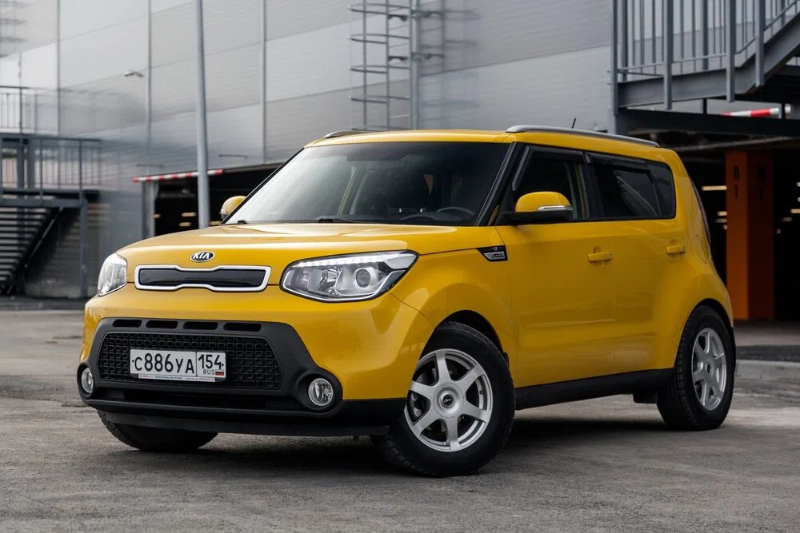
The 2014 Kia Soul marked a pivotal refresh, ditching the frog-like charm for aggressive, SUV-inspired styling: a bold trapezoidal air intake, high-mounted tail lights, and an optional "SUV Styling Pack" with blacked-out accents, roof rails, and 18-inch alloys. The iconic bulldog stance remained, but the cabin expanded noticeably, easily accommodating four adults with improved thigh support and 60/40 split-folding seats.
Performance took a leap with smoother, more efficient powertrains:
- Base 1.6L: 130 hp for entry-level zip.
- Standard 2.0L: 161 hp, 150 lb-ft torque across most trims.
- Turbo introduction (2017+): 1.6L turbocharged engine pumping 201 hp and 195 lb-ft.
Transmission choices evolved to 6-speed manuals or automatics, later joined by Kia's Intelligent Variable Transmission (IVT) for seamless shifts. Handling sharpened with a stiffer chassis, MacPherson struts up front, and torsion beam rear—balancing playfulness and composure.
Interior tech exploded: The UVO infotainment system debuted with a 7-inch touchscreen, navigation, and voice commands. From 2016, Apple CarPlay and Android Auto became standard, alongside optional Harman Kardon premium audio. Safety features ramped up too, including blind-spot monitoring, rear cross-traffic alert, and a rearview camera on higher trims.
Fuel efficiency improved to 24/30 mpg city/highway for base models, with turbos hitting 26/31 mpg. The 2017 facelift added LED daytime running lights, a wider stance, and revised suspension for better highway poise. Kia's quality renaissance shone here, underpinned by the transferable 10-year/100,000-mile powertrain warranty—a game-changer for used buyers.
| Model Year | Key Engine/HP | MPG (City/Hwy) | Notable Improvements |
|---|---|---|---|
| 2014 | 2.0L/161 | 24/30 | Styling refresh, expanded cabin |
| 2015 | 2.0L/161 | 24/30 | Leather options, early CarPlay |
| 2017 | 1.6T/201 | 26/31 | Facelift, LED lights, turbo |
| 2019 | 1.6T/201 | 27/32 | Full safety suite enhancements |
This generation solidified the Soul's reputation, blending quirky style with mainstream appeal.
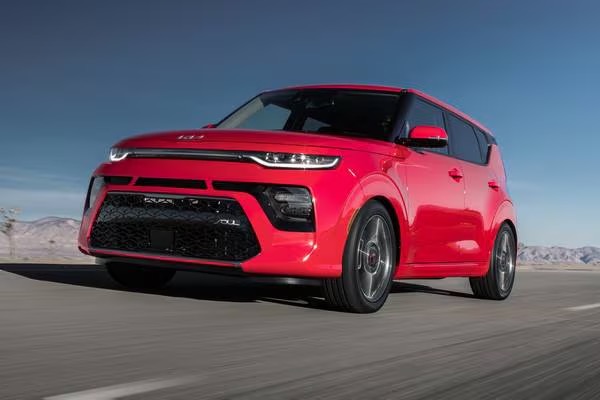
The 2020 Kia Soul amplified its boxy allure with sculpted sheetmetal, slim LED headlights, a two-tone grille, and a floating roofline via blacked-out C-pillars. The wheelbase stretched for class-leading space: 674 liters cargo with seats up, expanding massively when folded, while front headroom hit 39.6 inches and rear legroom 38 inches—beating many rivals for tall drivers.
Powertrains focused on balance:
- Base 2.0L: 147 hp with IVT or manual.
- GT-Line turbo: 1.6L, 201 hp, 195 lb-ft paired with a 7-speed dual-clutch transmission.
Ride quality refined further with hydraulic rebound stops for bump absorption and sound-deadening materials throughout. Tech suite dazzled: A 10.25-inch panoramic touchscreen anchored the dash, supporting wireless Apple CarPlay/Android Auto, navigation, and over-the-air updates. Wireless charging, dual-zone climate control, and a 640-watt Bose 10-speaker system elevated luxury.
Safety became a hallmark, with Kia's full Drive Wise suite: forward collision-avoidance assist, lane-keeping assist, blind-spot collision avoidance, driver attention warning, and smart cruise control with stop/go. Fuel economy peaked at 27/33 mpg combined, making it a thriftier choice for long commutes.
Minor 2021-2022 updates tweaked styling with new colors and wheel designs, plus expanded standard safety across trims. Despite whispers of discontinuation post-2022 (as Kia pivots to EVs), these Souls hold value exceptionally well.
Beyond specs, Kia Soul reliability post-2014 earns high marks from Consumer Reports (4/5 overall) and J.D. Power (80-87/100 owner satisfaction). Early 2009-2011 models occasionally suffered rust in salty climates or electrical gremlins, but fixes were inexpensive (~$300 for engine mounts). Later years shine: 2017-2022 boast turbo power, ADAS tech, and 200,000+ mile longevity with routine oil changes and timing belt service.
Top picks:
- Budget: 2014-2016 for value under $12,000.
- Balanced: 2017-2019 turbos (~$15,000).
- Premium used: 2020-2022 with full warranty remnants ($18,000+).
Common upkeep: IVT software flashes (free at dealers), suspension bushings every 80,000 miles. IIHS awarded Top Safety Pick+ for 2020-2022, with NHTSA 5-star ratings across categories.
| Reliability Metric | 2008-2013 | 2014-2019 | 2020-2022 |
|---|---|---|---|
| J.D. Power (/100) | 78 | 84 | 87 |
| Annual Repair Cost | $450 | $420 | $400 |
| IIHS Rating | Marginal | Good | Top Pick+ |
Resale retains 55% value after five years, outpacing segment averages.
Efficiency evolved dramatically, slashing long-term costs. Base models jumped from 24 mpg combined (first-gen) to 29 mpg (third-gen), saving hundreds annually.
| Year Range | MPG (City/Hwy/Comb) | Annual Fuel (12k mi, $3.50/gal) | Avg Insurance (Full Cov.) |
|---|---|---|---|
| 2008-2013 | 22/28/24 | $1,450 | $1,200 |
| 2014-2019 | 24/30/26 | $1,350 | $1,150 |
| 2020-2022 | 27/33/29 | $1,200 | $1,100 |
Five-year total ownership (including maintenance, tires, insurance): ~$25,000 for a 2020 model vs. $30,000 for 2009 equivalents. Turbos add $2,000 upfront but excel on highways, offsetting via performance.
In a crowded subcompact field, the Kia Soul 2008-2022 excels in space, warranty, and fun factor. It trumps Honda HR-V on price/warranty, Nissan Kicks on power, and Hyundai Venue on roominess.
| Feature | Kia Soul (2020) | Honda HR-V | Nissan Kicks |
|---|---|---|---|
| Cargo (Seats Up) | 674L | 688L | 716L |
| Used Base Price | $15,000 | $17,000 | $16,500 |
| Warranty | 10yr/100k mi | 3yr/36k | 3yr/36k |
| MPG Combined | 29 | 28 | 31 |
The transferable warranty remains the killer edge, minimizing repair risks.
Arm yourself for success:
1. Review service records—prioritize Kia Certified Pre-Owned for extended coverage.
2. Test drive thoroughly: Probe for turbo lag (pre-2017), rattles, or uneven braking.
3. Check recalls: Use NHTSA.gov for ABS modules (2020+) or airbag issues.
4. Budget add-ons: New tires ($600/set), brake pads/rotors ($400), alignment ($100).
5. Value check: Kelley Blue Book lists 2019 Souls at ~$14,000; 2021 at $19,000.
6. Import tip: For global buyers, verify emissions compliance and diesel availability.
Expert advice: Opt for 2020+ if safety tech matters; first-gen for pure nostalgia on shoestring budgets.
The Kia Soul's journey—from 2008's bold experiment to 2022's refined all-rounder—mirrors Kia's global rise. Quirky yet practical, it's stylish, safe, and wallet-friendly, with used prices stabilizing amid EV shifts. Premium features under $20,000 make it unbeatable for city life, family hauls, or first-time buyers.
Ready to drive home a Soul? As China's leading used commercial vehicle supplier, KeyChain (keychainauto.com, +8613572980919, abbie@keychainventure.com) specializes in high-performance buses and heavy trucks for global clients. For premium used imports like Kia Souls, contact us today for a free quote and vetted options.
Contact us to get more information!
The 2017-2022 models stand out for turbo engines, advanced safety features, and minimal issues, earning IIHS Top Safety Pick ratings. Earlier pre-2014 years work for budgets but inspect for rust.
The 2020 version gains 5 MPG efficiency, a larger 10.25-inch infotainment screen, full ADAS safety suite, and 10% more cargo space compared to the 2014's styling refresh and basic tech.
Absolutely—offering 39.6 inches of front headroom and ample legroom, they comfortably fit drivers up to 6'4", surpassing many subcompact rivals.
The 1.6L turbo (201 hp) delivers thrilling performance; the base 2.0L prioritizes smooth efficiency. Diesel variants shine for torque in international markets.
Expect $10,000-$12,000 for 2014 models, $18,000-$22,000 for 2021 versions, with strong value retention due to Kia's warranty and reliability.
1. https://blog.beforward.jp/car-review/kia-soul-2008-2022-model-year-differences-and-improvements.html
2. https://www.autotrader.com/car-shopping/best-years-used-kia-soul-everything-know
3. https://en.wikipedia.org/wiki/Kia_Soul
4. https://www.consumerreports.org/cars/kia/soul/
5. https://www.jdpower.com/cars/kia/soul
6. https://www.iihs.org/ratings/vehicle/kia/soul-4-door-suv/2022


