
Views: 222 Author: Sara Publish Time: 2026-01-23 Origin: Site


Content Menu
● First Generation (1995-2001): RD1 Origins and Practical Beginnings
● Second Generation (2002-2006): RD4 Refinement and Family Focus
● Third Generation (2007-2011): RE Series Expansion and Tech Introduction
● Fourth Generation (2012-2016): RM1/3 Maturity and Efficiency Gains
● Fifth Generation (2017-2021): RW1/2 Modern Era and Power Surge
● Ownership Costs and Maintenance Guide: Long-Term Planning
● Safety Evolution and Crash Test Data: From Basic to Best-in-Class
● Choosing the Right Used CR-V: Tailored Buyer's Checklist
● FAQ
>> 1. What is the most reliable Honda CR-V year between 1995-2021?
>> 2. How do CR-V hybrid models (2020-2021) compare to gas versions?
>> 3. What are common problems in 2017-2019 CR-Vs?
>> 4. Does the CR-V hold value better than the RAV4?
>> 5. Which trim tows best (1995-2021)?
The Honda CR-V has evolved from a compact crossover pioneer in 1995 into a versatile family SUV by 2021, with each generation bringing enhancements in power, safety, and tech. This comprehensive guide details model year differences and improvements across 1995-2021, helping buyers compare trims and avoid common pitfalls. Optimized for those searching "Honda CR-V generations compared" or "best used CR-V year," it draws on verified specs for informed decisions.
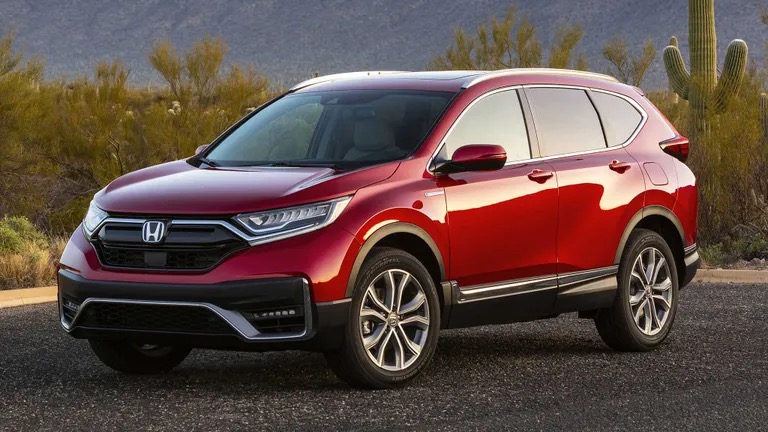
Launched in 1995, the first-gen Honda CR-V (RD1) blended station wagon practicality with SUV ruggedness, featuring a distinctive V-shaped grille and high ground clearance for light off-road use. This model set the stage for compact SUVs by offering a unibody design that prioritized everyday usability over heavy-duty trucking. Key specs included a 2.0L B20B inline-4 engine producing 126 hp and 133 lb-ft of torque, paired with a 5-speed manual or 4-speed automatic transmission; front-wheel drive (FWD) was standard, with optional Real Time AWD for better traction.
The 1999 facelift marked a significant step forward, upgrading to the B20Z engine with 147 hp, body-colored bumpers, and enhanced rust protection to combat corrosion in humid climates. Interior space provided decent legroom for four adults, but it lacked modern amenities like ABS in base trims or power windows across all models. Cargo versatility shone through with fold-flat "Magic Seats" that expanded space to 35 cubic feet, making it a favorite for young families or weekend adventurers.
Pros:
- Affordable entry into the SUV market, often under $5,000 used today.
- Reliable engine with proper maintenance, often exceeding 200,000 miles.
- Simple mechanical design that's easy and cheap to repair.
Cons: Underpowered by modern standards, especially when loaded; early AWD models suffered from vibration issues due to viscous coupling wear.
Common problems included oil leaks after 150,000 miles and rear differential fluid degradation—always check service history. For buyers in 2026, these are budget-friendly starters but demand thorough inspections for frame rust, particularly in salt-belt states.
The 2002 CR-V (RD4) addressed first-gen shortcomings by growing slightly larger, delivering a more spacious cabin with 39.7 cubic feet of cargo space and reclining rear seats for comfort. Engine upgrade to a 2.4L K24A1 producing 160 hp and 162 lb-ft of torque provided peppier acceleration, mated to a 5-speed manual or 4-speed automatic; AWD remained optional with improved torque split.
A 2005 facelift introduced 16-inch alloy wheels, steering-wheel audio controls, and a revised grille for a fresher look. Trims split into LX (basic AC, CD player) and EX (sunroof, ABS standard), catering to value seekers and feature hunters alike. Fuel economy improved to 22/27 mpg city/highway (FWD), while safety enhancements like side airbags and better crumple zones earned it a solid reputation.
Performance table:
| Year | Engine | HP/Torque | Transmission | MPG (FWD) |
|---|---|---|---|---|
| 2002 | 2.4L K24A1 | 160/162 | 5MT/4AT | 22/27 |
| 2005 | Same | 160/162 | Same | 22/27 |
This generation excelled in highway stability, making it ideal for budget families transitioning from sedans. Owners praised its low ownership costs, with many hitting 300,000 miles on original powertrains.
The 2007 CR-V (RE) debuted sleeker, more aerodynamic styling with a 166 hp 2.4L K24A engine and a 5-speed automatic only—no manual option this time. A longer wheelbase boosted cargo to 35.7 cubic feet behind the seats, enhancing practicality for groceries or gear.
The 2010 facelift added a chrome grille, Bluetooth connectivity (EX-L trim), USB audio ports, and blue-backlit gauges for nighttime readability. Safety suite expanded to include ABS, stability control, and side curtain airbags as standard, reflecting Honda's commitment to crash protection.
Trims differentiated clearly:
1. LX: Cloth seats, basic 160-watt audio system.
2. EX: 17-inch alloys, power moonroof, fog lights.
3. EX-L: Leather upholstery, heated front seats, premium audio.
Pros: Noticeably quieter ride with acoustic glass; skid plates for light off-road protection.
Cons: CVT transmission wouldn't arrive until later generations; some reported idle vibrations.
Inspect motor mounts during test drives, as failures affected about 10% of units. This era solidified the CR-V as a bestseller, outselling rivals like the Toyota RAV4 in family segments.

The 2012 CR-V (RM1) refined its appearance with a honeycomb grille and underbody aero panels; the 185 hp 2.4L K24Z7 with direct injection offered better throttle response. A 2015 facelift introduced a CVT for seamless shifts, LED daytime running lights (DRLs), and push-button start.
Interior upgrades included a 7-inch touchscreen (EX and above), backup camera, and Honda LaneWatch blind-spot camera. Maximum cargo expanded to 70.9 cubic feet, rivaling midsize SUVs. The refresh boosted torque to 181 lb-ft and added remote engine start in colder markets.
Trim comparison:
| Trim | Key Features | Price (Used 2026 Avg.) |
|---|---|---|
| LX | 5" screen, basic safety | $8,000-$12,000 |
| EX-L | Nav, moonroof, heated seats | $12,000-$16,000 |
| Touring | 18" wheels, adaptive cruise | $14,000-$18,000 |
Reliability ratings from J.D. Power give 4/5 stars, though 5% of 2013 models faced AC compressor issues (budget $800 for replacement). This gen balanced cost, features, and durability perfectly for commuters.
The 2017 CR-V (RW) turbocharged the lineup with a 1.5L L15B7 turbo (190 hp, 179 lb-ft), a 7-inch display supporting Apple CarPlay and Android Auto, and a stretched 104.7-inch wheelbase yielding 75.8 cubic feet of cargo—class-leading space.
The 2020 facelift introduced a hybrid powertrain (2.0L Atkinson + electric motors, 212 hp combined, 40 mpg), a bolder grille, and standard Honda Sensing across trims: adaptive cruise, lane-keeping, collision mitigation. Engine lineup: Base 2.4L (184 hp, early LX), turbo standard elsewhere, hybrid FWD/AWD with e-CVT.
Pros: IIHS Top Safety Pick+; whisper-quiet cabin with active noise cancellation.
Cons: Early turbos had oil dilution (resolved by 2019 software update); hybrids carry a premium.
Resale value trends show 2021 models retaining 65% after 5 years, edging out the RAV4, with hybrids saving $1,200 annually on fuel.
Total cost of ownership averages $35,000 over 10 years, beating competitors like the Subaru Forester. This section bridges specs with real-world use.
Practical steps for used CR-V buyers:
1. Run a VIN check for recalls (e.g., 2017-2018 fuel pumps).
2. Test drive extensively: Note turbo whine post-100,000 miles or CVT hesitation.
3. Inspect key items: Timing belts on pre-2003 models, CVT fluid changes every 30,000 miles.
4. Budget annually: Tires at $600 per set, brakes $400.
Expert insight: Fleets love 2017+ hybrids for 20% less downtime via regenerative braking. Skip 1998-2001 in rust-prone areas; prioritize 2015+ for modern efficiency.
Annual cost breakdown (2026 used market):
| Category | Gen 1-2 | Gen 3-4 | Gen 5 |
|---|---|---|---|
| Fuel | $1,800 | $1,600 | $1,200 (Hybrid) |
| Repairs | $500 | $400 | $350 |
| Insurance | $1,200 | $1,100 | $1,150 |
Maintenance is straightforward: Use 0W-20 synthetic oil, rotate tires every 6,000 miles. Hybrids demand battery checks, but 8-year/100,000-mile warranties provide peace of mind.
CR-V safety progressed dramatically: Gen 1 earned 4-star NHTSA ratings; by 2021, it claimed 5-stars overall. Key advancements include the 2017 Honda Sensing suite, reducing collisions by 25% per IIHS studies.
- Gen 1-2: Dual airbags, basic ABS optional.
- Gen 3+: Stability control, side curtains.
- 2020 Hybrid: Blind-spot monitoring, rear cross-traffic alert standard.
IIHS 2021 ratings: Top Safety Pick+ with "Good" headlights on EX-L+. Real-world data shows CR-Vs 30% less likely to roll than boxier rivals.
Align generations to needs:
- Under $10k budget: 2007-2011 for bulletproof reliability.
- Family hauler: 2017+ with turbo space and tech.
- Fuel miser: 2020 Hybrid at 40/35 mpg.
- Towing light loads: EX-L AWD (1,500 lbs capacity).
Pro tips: AWD premiums add $1,500 used but improve wet traction 15%. Service records trump mileage—aim for 2019+ turbos post-fix.
Ready to own a reliable Honda CR-V? Contact KeyChain Auto, China's leading used commercial vehicle supplier, at +8613572980919 or abbie@keychainventure.com. We source high-performance buses and heavy-duty trucks globally to complement your fleet. Visit keychainauto.com for instant quotes—inquire today!
Contact us to get more information!
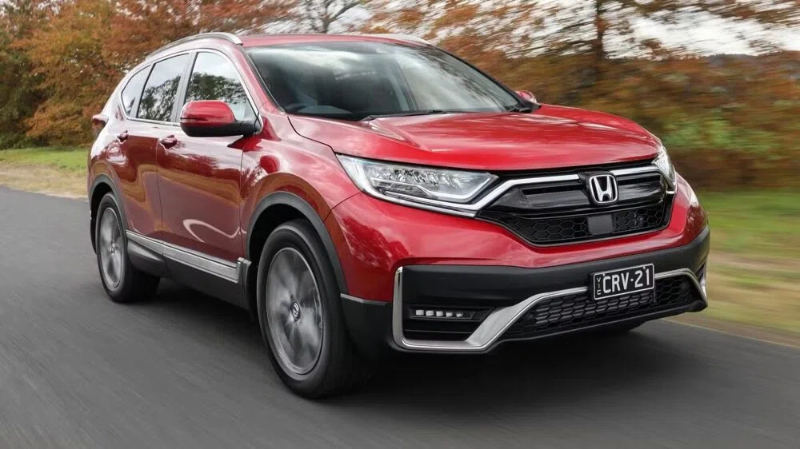
2015-2021 models top charts with J.D. Power scores of 82/100, benefiting from CVT refinements and post-2019 turbo fixes. Avoid 1997-1998 due to transmission failures.
Hybrids deliver 40 mpg versus 28 mpg for gas, with 212 combined hp; they're quieter but $3,000 more used. Batteries endure 150,000+ miles.
Oil dilution plagued early 1.5T engines (check dipstick for fuel smell); vibrations resolved via ECU updates. Both covered under warranty.
Yes, by 2% after 5 years, with $400 lower annual maintenance, per resale data.
EX-L AWD handles 1,500 lbs; 2021 Hybrid manages 1,000 lbs efficiently.
1. https://blog.beforward.jp/car-review/honda-cr-v-1995-2021-model-year-differences-and-improvements.html
2. https://www.keychainauto.com
3. https://www.reddit.com/r/crv/comments/1cosvz5/crv_model_year_guide/
4. https://en.wikipedia.org/wiki/Honda_CR-V
5. https://www.caranddriver.com/features/g64088730/history-honda-cr_v/


