
Views: 222 Author: Sara Publish Time: 2026-01-23 Origin: Site


Content Menu
● First Generation (1981-1985): Tallboy Innovation
● Second Generation (1986-1995): Wider, Lighter Redesign
● Third Generation (1996-2001): Sedan Revival
● Fourth Generation (2002-2007): Fit Aria Influence
● Fifth Generation (2008-2013): Sedan Maturity
● Sixth Generation (2014-2018): Exciting H-Design
● Seventh Generation (2019-2026): Hatchback Return & Modern Tech
● Honda City Reliability & Ownership Costs
● Safety Evolution Across Generations
● Fuel Economy & Performance Comparison
● Maintenance Tips & Buying Guide
● FAQ
>> 1. What are the main differences between Honda City 6th and 7th generations?
>> 2. Is the 2026 Honda City facelift worth waiting for?
>> 3. What is the average fuel economy of recent Honda City models?
>> 4. How reliable is the Honda City long-term?
>> 5. What safety features does the latest Honda City have?
The Honda City has evolved from a compact hatchback in 1981 to a feature-packed subcompact sedan and hatchback by 2026, offering reliable urban mobility worldwide. This guide details Honda City model year differences, key improvements by generation, engines, safety upgrades, and ownership costs for informed buyers.
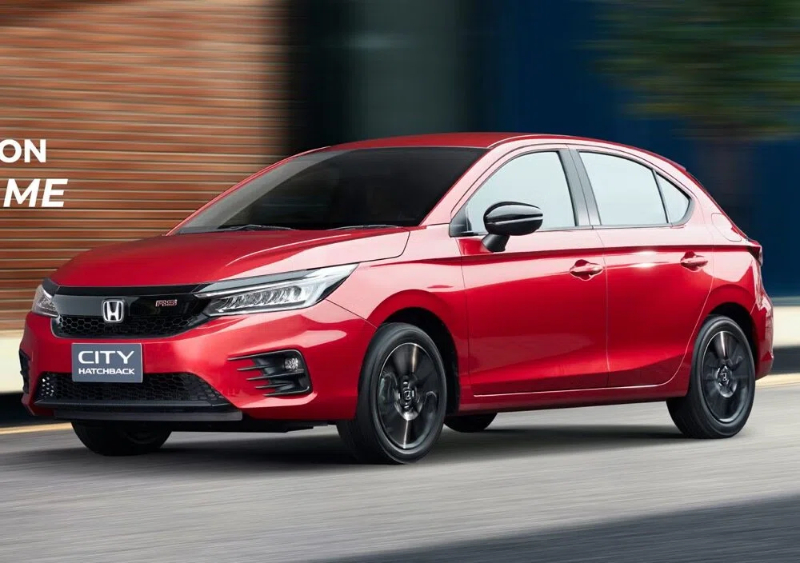
The debut Honda City (1981-1985) introduced the "Tallboy" design for superior interior space in a subcompact footprint. Available as a 3-door hatchback, 2-door convertible, or van, it prioritized city driving with lightweight construction. This generation measured just 3.6 meters long but offered surprising headroom thanks to its upright stance, making it ideal for narrow urban streets in Japan and export markets.
Key specs and improvements:
- Engine: 1.2L ER (67 hp standard; turbo version delivered 108 hp for peppy performance).
- Transmission: 3-speed auto, 4/5-speed manual, or innovative Hypershift semi-auto.
- Suspension: Independent MacPherson struts front and rear for agile handling.
- Pricing (used market): Typically $6,860-$28,080 depending on condition and rarity.
This pioneering model set the tone for Honda's focus on efficient urban cars. However, early units suffered from rust in humid climates, a common issue resolved in later builds. Fuel economy hovered around 30-38 mpg, impressive for the era, and its motorcycle-like spare tire storage (called the "motorcycle corner") became a quirky hallmark.
The 1986-1995 Honda City shifted to a low-wide stance, sharing underpinnings with the Civic for better handling and reduced weight. Primarily offered as a 3-door hatchback, it was exported to Europe and Asia before the City name was briefly retired. Ballade and Concerto variants emerged in some regions, adding sedan and wagon options.
Engine and performance upgrades:
- 1.2L D12A (76 hp), evolving to 1.3L D13C (100 hp with PGM-FI fuel injection).
- Transmission: 5-speed manual or 4-speed auto, with improved ratios for highway cruising.
- Dimensions: Wider by 140mm, lower roofline for sportier profile.
- Used prices: $4,140-$7,650, making it accessible for enthusiasts.
Fuel efficiency climbed to 35 mpg combined, but rear passenger space remained tight compared to rivals like the Toyota Corolla. Durability improved with better galvanization against corrosion. This era solidified Honda's reputation for bulletproof engines that often exceeded 200,000 miles with basic care.
Revived as a 4-door sedan on the EF Civic platform, the 1996-2001 Honda City slotted below the Civic with LXi/EXi trims aimed at emerging markets like Asia and Latin America. A 2000 "Type Z" facelift brought modern projector headlights, revised bumpers, and upgraded suspension for sharper cornering.
Powertrain details:
| Engine | Power | Transmission |
|---|---|---|
| 1.3L D13B | 95 hp | 5MT/4AT |
| 1.5L D15B | 103-130 hp (VTEC) | 5MT/4AT |
Reliability was exceptional, with few electronics issues and engines known for sipping oil only after high mileage. Interior featured durable plastics and ample front legroom, though AC performance lagged in hot climates without upgrades.
Drawing from the Jazz/Fit platform, the 2002-2007 Honda City (GD/GE chassis) adopted rounded, aerodynamic styling and innovative storage solutions. The 2005 ZX facelift extended bumpers for a larger presence and added alloy wheels standard on higher trims.
Interior highlights:
- Elevated front seats for better visibility.
- Firm rear bench suitable for two adults, with ISOFIX anchors.
- Clever storage: Multiple cup holders, glovebox, dashboard shelf, and fold-flat seats.
Engines:
- 1.3L/1.5L i-DSI (82-89 hp for efficiency); VTEC 1.5L (109 hp for spirited drives).
- Transmission: 5-speed manual or CVT for seamless shifts.
This generation emphasized Honda City fuel economy, achieving 40+ mpg on highways during EPA-equivalent tests. It appealed to young professionals with its premium feel at budget prices, and resale values held strong due to low depreciation.
The 2008-2013 Honda City (GM2/GM3) lengthened the wheelbase for sedan sophistication, boasting a 400L trunk and advanced safety like Vehicle Stability Assist (VSA) and dual airbags. Sleek lines and chrome accents gave it upscale appeal in markets like Thailand and India.
Engine options:
- 1.3L (98 hp), 1.5L i-VTEC (116-120 hp), rare 1.8L (140 hp).
- Transmission: 5-speed manual or 5-speed auto.
Rear legroom expanded significantly, making it family-friendly. Paddle shifters on top trims added driver engagement. Common praises included whisper-quiet cabins and responsive steering, though some noted road noise on coarse surfaces.
The 2014-2018 Honda City (GM4-GM9) embraced the "Exciting H-Design" with a bold "Solid Wing Face" grille and 1.8-inch longer body for a massive 537L trunk. The 2017 facelift introduced LED headlights and taillights, plus a 7-inch touchscreen with navigation.
Hybrid introduction:
| Variant | Engine | Combined Power |
|---|---|---|
| Petrol 1.5L i-VTEC | 118 hp | - |
| Hybrid 1.5L + Motor | 130 hp | 131 lb-ft |
Firm sport seats balanced space and support. Fuel consumption averaged 5.6 L/100km, with hybrids pushing boundaries for non-plug-in tech. LaneWatch camera aided visibility, a precursor to full ADAS.
Launched in 2019, the 2019-2026 Honda City brought back the hatchback after 26 years alongside sedans, targeting diverse buyers. Aggressive LED styling, a premium dual-tone dashboard, and 8-inch touchscreen with wireless CarPlay/Android Auto defined its tech-forward cabin.
Key 2023-2026 updates:
- Multiple facelifts refined the grille, added dynamic LED DRLs, and made Honda Sensing standard (adaptive cruise control, lane-keeping assist, collision mitigation).
- 2026 model: Fresh bumpers, larger alloys, potential 360-degree camera; powertrains unchanged with 1.5L i-VTEC (121 hp) or e:HEV hybrid (126 hp combined).
- Safety suite: Six airbags, ABS, ESC, TPMS; consistent 5-star ASEAN NCAP ratings.
Fuel economy shines at 3.6-5.6 L/100km for petrol, with hybrids at 23.8 km/L. Boot space reaches 506L (hatch), and ambient lighting elevates the mood. This generation competes with Toyota Yaris and Mazda 2, excelling in refinement.
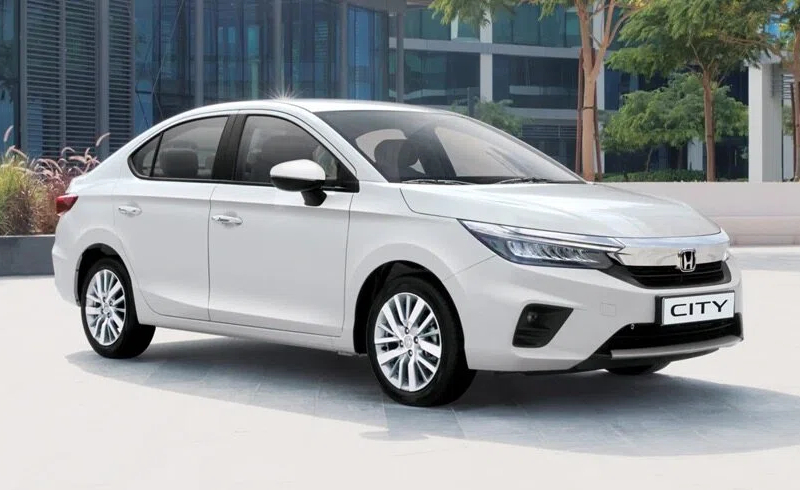
Honda City reliability consistently ranks high, with annual maintenance around $428-$585—well below the $652 industry average. Pre-2000 models risk rust, while post-2008 CVTs need fluid changes every 100,000 km to avoid shuddering.
Estimated 5-year running costs (based on 15,000 km/year):
| Expense | 5-Year Total (~USD) |
|---|---|
| Fuel | $11,600 |
| Service/Maintenance | $470 |
| Insurance | $405 |
| Tires & Misc | $100 |
| Total | $12,575 |
These figures adapt globally, with low parts costs keeping fleets happy. Longevity often hits 300,000 km with oil changes every 5,000-10,000 km.
Safety progressed from basics to advanced aids:
- 1981-1995: Seatbelts only, no ABS.
- 2008+: Dual airbags, VSA standard.
- 2019-2026: Honda Sensing (blind-spot monitoring, auto braking), six airbags.
Comparative ratings:
| Generation | Key Features | NCAP Rating |
|---|---|---|
| 6th (2014) | Dual airbags, ESC | 5 stars |
| 7th (2023+) | Full Sensing, 6 airbags | 5 stars |
This evolution makes newer Cities safer for families and urban chaos.
Efficiency gains define Honda City generations:
| Generation | Engine Example | City MPG (est.) | Hwy MPG |
|---|---|---|---|
| 1st (1981) | 1.2L Turbo | ~30 | ~38 |
| 4th (2002) | 1.5L i-DSI | ~35 | 42+ |
| 7th (2026) | 1.5L Hybrid | ~56 (23.8 km/L) | ~60 |
Petrol variants suit highways; hybrids thrive in traffic. 0-60 mph drops from 12 seconds (early) to under 10 in hybrids.
Practical steps for buyers:
1. Inspect underbody rust on pre-2000; scan CVT fluid on 2008+.
2. Follow schedule: Every 10,000 km/6 months; costs $20-$80 per service.
3. Test Honda Sensing calibration and hybrid battery via OBD scan.
4. Budget tires every 40,000 km ($200/set) and annual emissions.
Expert insight: Opt for 2019+ for best value—tech, safety, and 200,000+ km durability at minimal cost. Check service history over mileage.
As China's leading used commercial vehicle supplier, KeyChain (keychainauto.com, +8613572980919, abbie@keychainventure.com) specializes in high-performance buses and trucks but connects global clients to reliable imports like the Honda City. Contact KeyChain today for sourcing or fleet advice—get your free quote now!
Contact us to get more information!
![Which 2024 Honda City Sedan variant should you buy_ [Comparison Guide]](https://iororwxhkmnrlp5p.ldycdn.com/cloud/lkBplKlolnSRnlomkkiqkp/Which-2024-Honda-City-Sedan-variant-should-you-buy_-Comparison-Guide.jpg "Which 2024 Honda City Sedan variant should you buy_ [Comparison Guide]")
The 7th (2019+) introduces hatchback body, Honda Sensing ADAS, hybrid powertrains, and full LED lighting versus the 6th's simpler i-VTEC engines and firmer ride.
Yes, it offers refreshed styling, possible 360-camera, and proven engines—ideal before the next-gen arrives around 2028.
Petrol models achieve 5.6 L/100km; hybrids excel at 3.6 L/100km or 23.8 km/L combined.
Outstanding, with $428 annual costs and top RepairPal scores; many exceed 300,000 km.
Honda Sensing (adaptive cruise, lane-keep, collision avoidance), six airbags, ESC, and TPMS—all standard.
1. https://blog.beforward.jp/car-review/honda-city-1981-2022-model-year-differences-and-improvements.html
2. https://www.motoroids.com/news/honda-city-to-get-another-makeover-second-facelift-planned-for-2026-before-next-gen-arrival/
3. https://www.spinny.com/blog/honda-city-running-cost/
4. https://en.wikipedia.org/wiki/Honda_City
5. https://www.honda.com.my/model/city/spec
6. https://ksa.motory.com/en/new-cars/compare/mg-6-std-2023-233189-vs-honda-city-dx-2026-268871/
7. https://www.consumeraffairs.com/automotive/honda-maintenance.html
8. https://www.youtube.com/watch?v=tUgYuOesZJM
9. https://www.walshhonda.com/research/honda-fuel-economy.htm
10. https://www.youtube.com/watch?v=i0FTt1GYDBE


