
Views: 222 Author: Sara Publish Time: 2025-12-31 Origin: Site


Content Menu
● BYD RIDE's Complete Zero-Emission Lineup
● Turnkey Electrification Services
● Latest 2025 Adoption Data and Trends
● Practical Steps to Electrify Your Fleet
● Expert Insights on LFP Battery Advantages
● Selling Used Buses During Transition
● FAQ
>> 1. How much does a BYD RIDE electric school bus cost?
>> 2. What's the range for BYD transit buses?
>> 3. Are BYD buses eligible for federal funding?
>> 4. How long to install charging for a 50-bus fleet?
>> 5. Can small districts afford EVs?
BYD RIDE leads the charge in North American zero-emission fleets with U.S.-built electric buses, trucks, and turnkey solutions. Fleet operators transitioning from diesel buses benefit from their comprehensive electrification services, including charging infrastructure and financing.[1]

Federal incentives and tightening regulations drive rapid EV adoption. In 2025, the EPA Clean School Bus Program offers up to $395 million annually for zero-emission school buses, prioritizing Buy America-compliant models like those from BYD RIDE's Lancaster, California plant. Diesel costs rise while EV total ownership drops 20-30% over 10 years. Operators avoid volatile fuel prices and gain predictable maintenance with LFP batteries lasting over 4,000 cycles.[1]
School districts and transit agencies face mandates: California requires 100% zero-emission bus sales by 2029 for school buses under 26,000 lbs GVWR.
BYD RIDE offers one-stop electric vehicles for every fleet need, all powered by safe Lithium Iron Phosphate (LFP) batteries.
- School Buses: Type A Achiever (compact for rural routes), Type C Creator (mid-size versatility), Type D Dreamer (full-size capacity up to 84 passengers).
- Transit Buses: 30-foot K7 for urban shuttles to 40-foot K9 for high-capacity routes.
- Coaches and Trucks: Luxury motorcoaches and heavy-duty electric trucks for intercity and freight.
- Custom Chassis: Tailored for shuttles, accessibility vehicles, or specialty applications.
All models meet Buy America standards, unlocking federal grants. Insert image here: Side-by-side comparison photo of Type D Dreamer school bus vs. traditional diesel.[1]
Beyond vehicles, RIDE Energy delivers end-to-end solutions to simplify the switch.
- Charging Infrastructure: Site assessments, depot installations with smart chargers (up to 150 kW DC fast charging).
- Financing Options: Leases, PPAs, and grants assistance to cut upfront costs by 50%.
- Maintenance and Warranty: 12-year/1,000,000-mile battery warranty; predictive analytics reduce downtime 40%.
- Grant Consulting: Navigate EPA, FTA, and state programs for maximum funding.
This single-vendor model eliminates coordination headaches. Suggest infographic: Flowchart showing "Diesel to EV Timeline: 6-12 Months."
EV bus deployments surged 150% in 2024-2025. Over 1,200 BYD buses now operate across North America, with 500+ in school fleets. Los Angeles Unified School District added 100+ BYD K8M transit buses, cutting emissions by 2,000 tons CO2 annually.
Market stats:
| Metric | Diesel Baseline | BYD EV Savings |
|---|---|---|
| Fuel Cost (per mile) | $0.45 | $0.15 |
| Maintenance (annual/bus) | $12,000 | $4,000 |
| Range (single charge) | N/A | 150-250 miles |
| Uptime | 95% | 99% |
Bluefield City Schools (West Virginia): Replaced 20 diesel buses with BYD Type D Dreamers in 2024. Achieved 98% on-time performance; secured $5.8M EPA grant. Parents report quieter rides and healthier air quality.
Foothill Transit (California): 24 BYD K9 buses since 2015 logged 10M+ miles. Recent expansions include solar-powered depots, yielding 60% lower operating costs.
New Mexico Public Schools: 44 BYD school buses funded by $13.5M federal award. Operational tip: Phased rollout—start with 20% of fleet to test routes.
These cases highlight scalability for small-to-large districts. Suggest video embed: Testimonial from Foothill Transit operator.
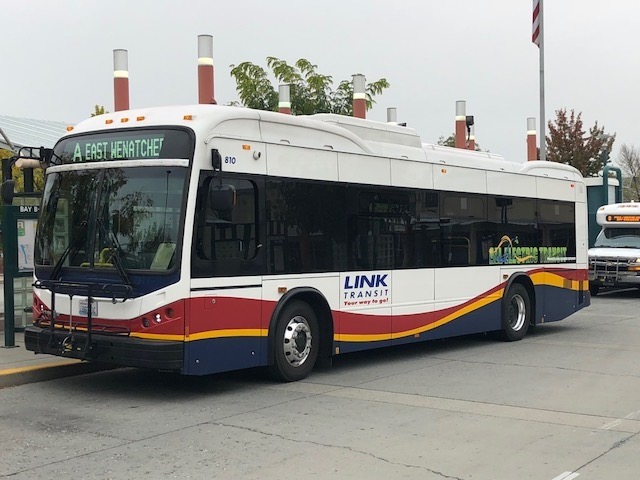
Follow this proven 7-step roadmap for seamless transition:
1. Assess Readiness: Audit routes, energy needs, and grid capacity (use RIDE's free tool).
2. Secure Funding: Apply for EPA CSBP (deadlines: Q1 2026) or VW settlements.
3. Plan Infrastructure: Install Level 2 chargers ($5K/unit) for overnight; DCFC for depots.
4. Procure Vehicles: Order Buy America-compliant models; lead time 6-9 months.
5. Train Staff: 2-day driver certification on regenerative braking.
6. Launch Pilot: Deploy 10-20% fleet; monitor via telematics.
7. Scale and Optimize: Retire diesels via resale platforms like BusesForSale.com.
Budget estimate: $400K per Type D bus post-grants. Insert image: Step-by-step infographic.
LFP outperforms NMC in fleet durability. No cobalt reduces fire risk (0.001% failure rate vs. 0.1%); operates in -4°F to 122°F. BYD's Blade Battery passes nail penetration tests unscathed.
Industry experts predict 80% of U.S. school buses electric by 2035. Pair with V2G tech for revenue from grid services.
As fleets upgrade, resale maximizes ROI. Platforms like BusesForSale.com list retiring diesels, tracking EV secondary markets.
- List with TCO data to attract buyers.
- Highlight low-hour EVs entering used market.
- Partner for retrofits.
Ready to transition your fleet to zero-emission power? Visit keychainauto.com now to list your used diesel buses for quick resale and explore BYD RIDE electric models. Contact KeyChain, China's leading supplier of high-performance used commercial buses and heavy trucks, for global sourcing tailored to your needs. Start your electrification journey today and secure your future in sustainable transport.
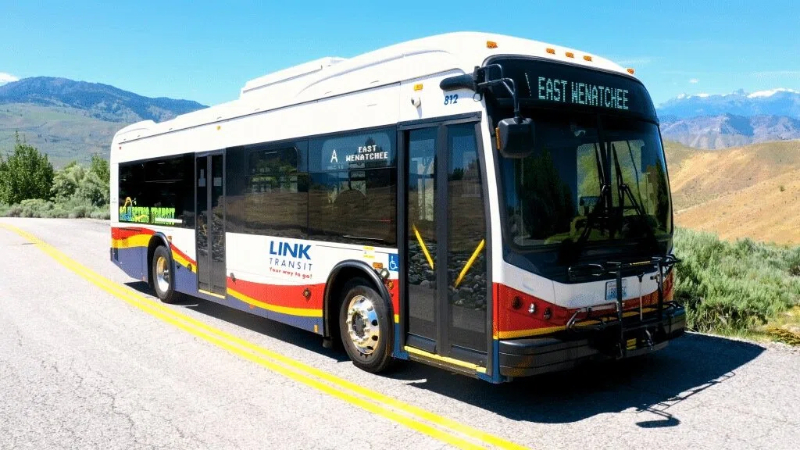
Post-grant prices range $350K-$450K per Type D, with financing reducing monthly to $2K-$3K.[1]
K9 models achieve 200-250 miles per charge, ideal for full-day routes.
Yes, Lancaster plant ensures Buy America compliance for EPA/FTA programs.
3-6 months, including permits; RIDE handles turnkey.
Absolutely—grants cover 75%+ costs; TCO savings pay off in 5 years.
[1](https://www.busesforsale.com/knowledge-center/blog/from-diesel-to-dreamer-how-byd-ride-is-making-zero-emission-fleets-a-reality-in-north-america)


