
Views: 239 Author: Keychain Venture Publish Time: 2026-07-05 Origin: Site


Content Menu
● Understanding Heated Comfort in New Energy Fleets
● Why Heated Seats Matter for Commercial Operations
● How Heated Seats Work in Modern EV and ICE Cabins
● What Passenger Car Guides Teach Fleet Buyers
● Expert Criteria for Heated Seats in Buses and Heavy Trucks
● New Energy Vehicles: Beyond Comfort to Sustainable Mobility
● How KeyChain Customizes Comfort and Climate Packages
● Practical Inspection Steps for Heated Seats in Used and New Fleets
● Quality Assurance, Certification and After-Sales Support
● Call to Action: Build a Warmer, Greener Fleet with KeyChain
● FAQs
>> 1. Are heated seats practical for electric buses and trucks?
>> 2. Do heated seats increase maintenance complexity in fleets?
>> 3. Can KeyChain customize heated seat configurations by route or market?
>> 4. What certifications cover climate and comfort systems in your new energy vehicles?
>> 5. How should operators test heated seats before accepting delivery?
Choosing the right new energy bus or heavy truck is no longer just a fleet decision – it's a strategic move that shapes passenger comfort, operational costs, and your brand's sustainability story. As a China-based exporter working with global operators every week, I see first-hand how smart electrification and well-equipped cabins (from heated seats to intelligent climate control) translate into safer, more profitable operations across Africa, the Middle East, Oceania and beyond.
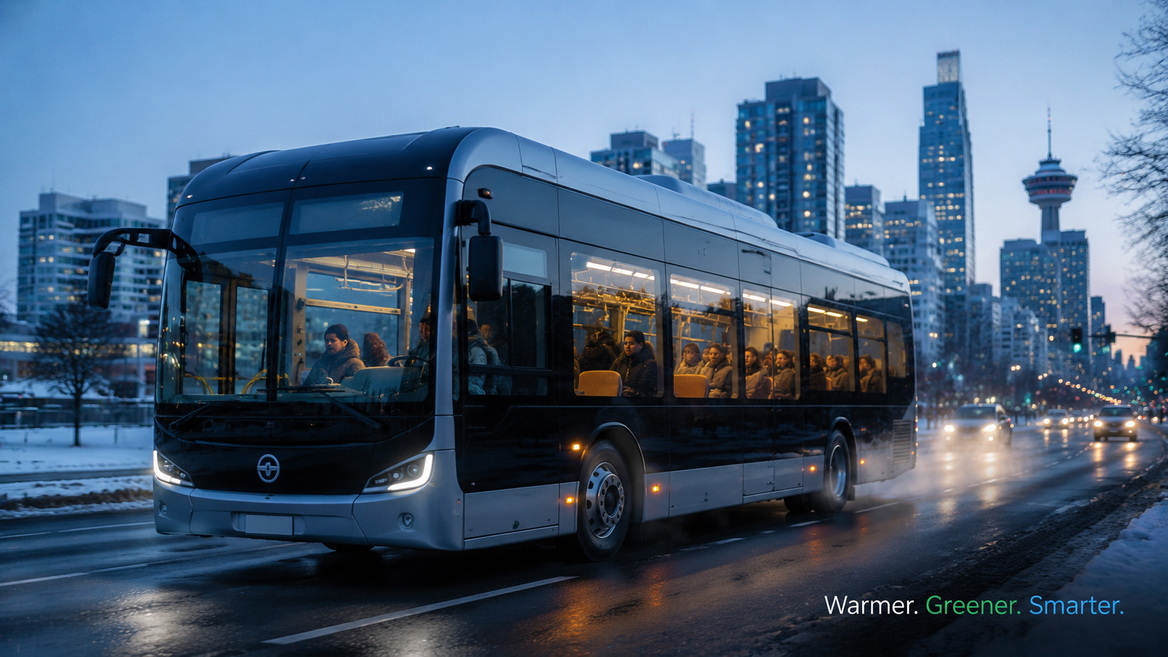
Heated seating started as a luxury-car extra, then filtered down into mainstream models from brands like Ford, Vauxhall, Peugeot and Renault. In cold climates or during early-morning routes, heated seats and driver-focused climate packages quickly move from "nice-to-have" to mission-critical comfort features.
In passenger cars, heaters are typically focused on front seats and sometimes the steering wheel; in buses and heavy trucks, the same logic applies but at fleet scale, influencing crew fatigue, passenger satisfaction, and even energy use. When we design or source new energy vehicles for clients, we look at heated seating not in isolation but as part of an integrated climate system that includes insulation, HVAC efficiency and smart controls.
From an operator's perspective, heated seats improve safety, comfort and efficiency rather than just "luxury".
Key operational benefits include:
- Faster personal warm-up than cabin air alone, helping drivers feel alert sooner on cold starts. - Reduced reliance on high HVAC blower settings, which can optimize energy use in BEV buses and trucks. - Relief for drivers with mild back pain on long routes, when used properly and at moderate heat levels.
For passenger-facing fleets – airport shuttles, corporate staff buses, school runs – small comfort upgrades like heated seats often drive better satisfaction scores and repeat contracts. As an exporter, I've seen route operators win tenders by showcasing passenger comfort metrics alongside emissions and cost-per-kilometre data.
Modern seat-heating systems use electric elements embedded in the cushion and backrest, regulated by thermostats and multiple heat levels. In many vehicles, these elements are tightly integrated with the main climate control module, so the system can remember last settings or coordinate with other "cold-weather package" features.
Typical integrated features in well-specified vehicles include:
- Multi-stage heated front seats with memory settings. - Heated steering wheel and door mirrors to support winter driving. - Remote start or pre-conditioning, allowing cabins to be warmed while the vehicle is still charging or parked.
For fleets transitioning to BEV buses and trucks, it's important to model the impact of these comfort features on energy use – but in practice, the incremental draw for well-designed seat heaters is modest compared with full-cabin HVAC loads.
Consumer guides to "cars with heated seats" highlight how comfort packages are bundled into specific trims, option packs, and cold-weather packages. For example, retail listings often tell buyers to look for keywords such as:
- "Comfort Pack" or "Winter Pack"
- "Climate package" or "Cold weather package"
- "Heated front seats" or "Heated rear outboard seats"
Although these guides focus on private cars, they illustrate a principle that applies cleanly to buses and heavy trucks: you don't buy features, you buy configurations. In KeyChain's projects, we treat heated seating as a configurable module – aligned with the climate profile of your routes and the energy architecture of your chosen chassis.
From an industry perspective, selecting heated seats for a commercial EV or diesel coach is as much an engineering decision as a comfort choice. When we advise operators as a forward-thinking automotive partner, we typically evaluate:
1. Route Climate and Use Case
Cold urban climates, high-altitude regions or early-morning school runs justify more extensive heated seating than temperate short-haul routes.
2. Energy Architecture (Battery vs ICE)
In pure-electric buses or trucks, every watt matters; we specify efficient seat elements and consider using seat heat to allow a slightly lower overall cabin temperature.
3. Cabin Layout and Passenger Profile
Executive shuttles and tourism coaches may demand full-row heated seats, while city buses may reserve heating primarily for the driver and a limited front zone.
4. Maintenance Accessibility and Durability
Commercial fleets need seat heating systems with straightforward diagnostics and modular components so failures don't sideline vehicles unnecessarily.
By treating heated seating as part of a holistic cabin strategy, operators avoid "comfort creep" that erodes uptime or adds unnecessary cost.
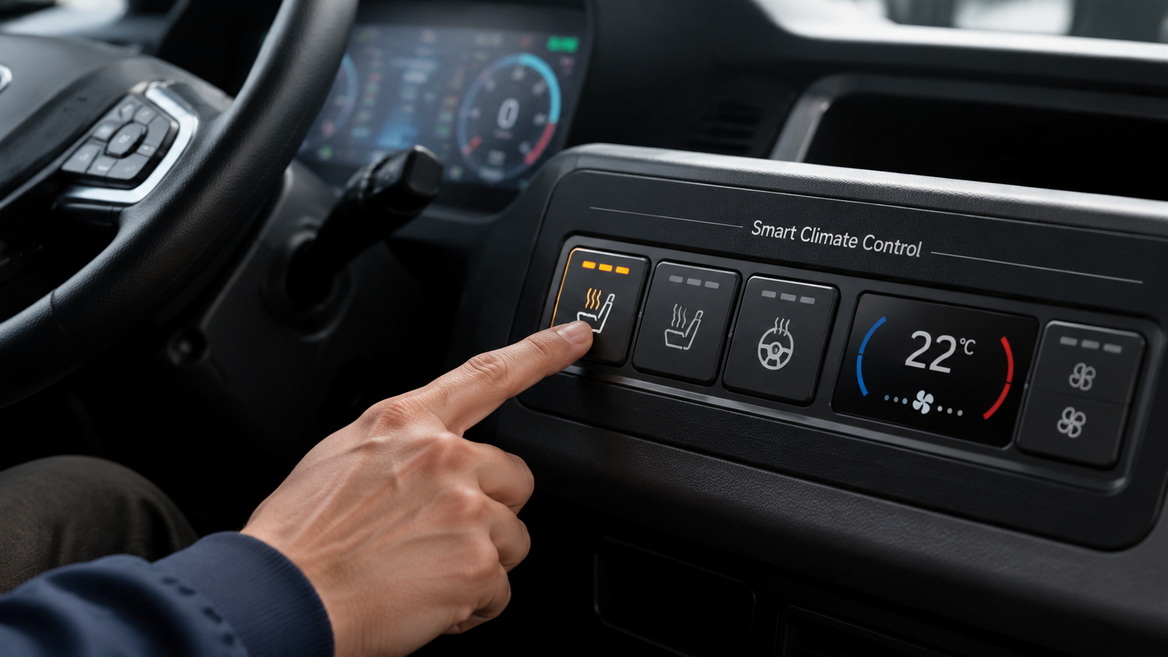
KeyChain Venture has evolved from a traditional exporter of buses and heavy trucks into a specialized New Energy Vehicles distributor with a clear focus on green mobility. Based in Chongqing, we serve clients across Africa, the Middle East, and Oceania with zero-emission buses and electric commercial vehicles that meet international certifications such as EU CE and GCC.
Our current EV portfolio includes models such as:
- Changan EV460 – Compact electric platform for city transit and light passenger operations.
- Geely Emperor Hao EV Pro – More premium, tech-forward commuter solution.
- Geely Panda – Nimble urban option ideal for last-mile logistics or short shuttle loops.
- BYD Song Plus / Song L EV / Tang L / Seagull – A spectrum from mid-size to upscale electric vehicles for longer routes and higher-capacity needs.
Each of these models can be configured with tailored cabin comfort packages: from essential driver heating to enhanced passenger climate systems for tourism or executive use.
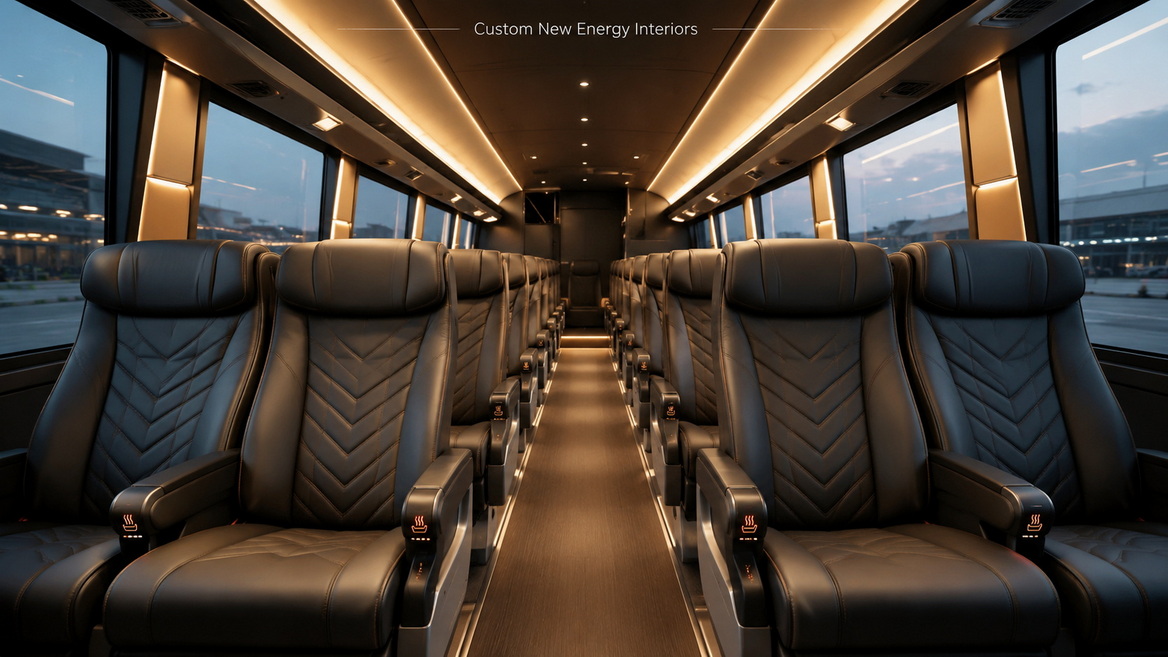
Every fleet has a unique mission, so we treat interior configuration and climate control as core design layers, not afterthoughts. Typical customization steps include:
- Adjusting seat types, layouts, and upholstery to match route duration and passenger profile.
- Integrating heated seats with intelligent climate control, including zoned HVAC and regenerative braking-aware power management.
- Aligning branding elements – colors, textures, lighting – so comfort features reinforce your positioning as a modern, sustainable operator.
Over 80 percent of our orders involve some form of custom configuration, from powertrain tuning to interior design, and heated seating is often part of that conversation.
Whether you're buying a used coach or commissioning a new energy bus, verifying heated seat performance before deployment is essential.
Recommended steps during pre-delivery or pre-purchase inspection:
Activate all heated seats and confirm they warm evenly within a few minutes.
Cycle through all heat levels and confirm thermostats maintain stable temperatures.
Check indicator lights on buttons and dashboards and verify that controls respond consistently.
Inspect wiring and connectors beneath seats where accessible, looking for signs of wear or non-authorized modifications.
Avoid thick aftermarket covers that may trap heat or interfere with ventilation and sensor operation.
These checks are now part of our standard inspection workflow before shipping used buses and secondhand coaches to overseas customers.
A comfort feature is only valuable if it continues to function reliably in real-world conditions. At KeyChain, we combine rigorous inspection with global after-sales support to maintain that reliability.
Key elements include:
- Comprehensive pre-shipment inspection of every used bus, including seat mechanisms and climate hardware.
International certifications (EU CE, GCC and others) for new energy vehicles, ensuring compliance with safety and emission norms.
- Delivery punctuality above 98 percent, which keeps fleet deployment timelines predictable.
- 24-hour response service, maintenance guidance and logistics operation support for clients in multiple regions.
This blend of product quality and support infrastructure is central to our role as a reliable New Energy Vehicles distributor.
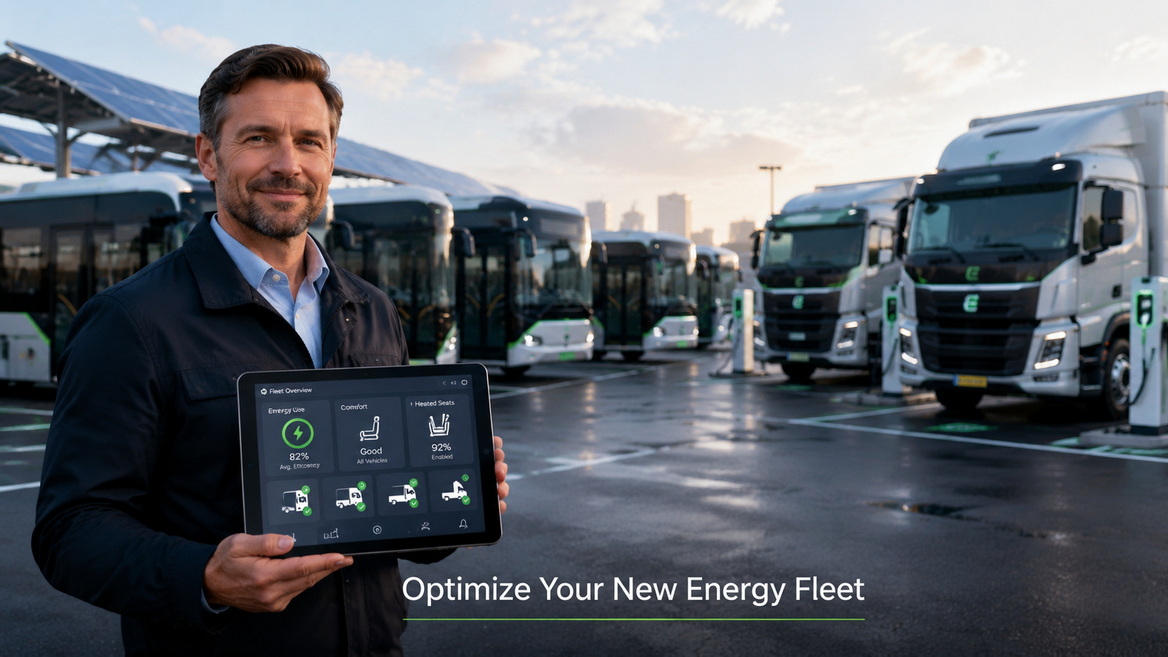
If you're planning to upgrade or expand your fleet with high-performance buses, heavy trucks or new energy vehicles, now is the right moment to align comfort, sustainability and total cost of ownership. KeyChain Venture can help you specify the right cabin climate package – including heated seats – while ensuring compliance, reliable delivery and tailored configurations for your market.
To discuss routes, climates and vehicle options in detail, reach out to our team via email or WhatsApp and request a customized new energy fleet proposal. Together, we can design a passenger experience that is not only cleaner and more efficient, but also genuinely more comfortable – seat by seat.
Yes. When properly specified, heated seats offer targeted warmth with modest energy draw, allowing operators to maintain comfort while optimizing overall HVAC use on BEV platforms.
Heated seats add components, but modern systems are modular and straightforward to diagnose. With correct inspection protocols and spare-part planning, they rarely become a major source of downtime.
Yes. We regularly tailor seat layouts and climate packages – including heated seats – to local climate conditions, passenger expectations and route profiles across Africa, the Middle East and Oceania.
Our new energy buses and commercial EVs are supplied under international certifications such as EU CE and GCC, which include requirements around safety, electrical systems and overall vehicle integrity.
Operators should activate each seat, verify even heating at all levels, inspect indicators and wiring where accessible, and compare performance against manufacturer specifications during pre-delivery inspection.


