
Views: 222 Author: Sara Publish Time: 2026-01-17 Origin: Site


Content Menu
● First Generation: E21 (1975-1983)
● Second Generation: E30 (1982-1994)
● Third Generation: E36 (1990-2000)
● Fourth Generation: E46 (1998-2006)
● Fifth Generation: E90/E91/E92/E93 (2005-2013)
● Sixth Generation: F30/F31/F80 (2012-2019) vs. F32 4 Series Split
● Seventh Generation: G20 (2019-2025)
● Buyer's Guide for Used BMW 3 Series
● Ownership Costs and Efficiency Comparison
● FAQ
>> 1. What is the most reliable used BMW 3 Series generation?
>> 2. How does E30 M3 compare to modern M3?
>> 3. Are 2025 BMW 3 Series models hybrid-only?
>> 4. What's the best 3 Series for beginners?
>> 5. 3 Series vs. 4 Series: Key differences?
The BMW 3 Series stands as an iconic benchmark in compact executive sedans since its 1975 debut, evolving through eight generations with refinements in performance, technology, and handling. This comprehensive guide details key model year differences from E21 to G20, highlighting improvements for enthusiasts and used car buyers seeking reliable, high-performance options. Optimized for global markets, it addresses gaps in prior analyses by including 2021-2025 updates, reliability data, and commercial vehicle sourcing tips.
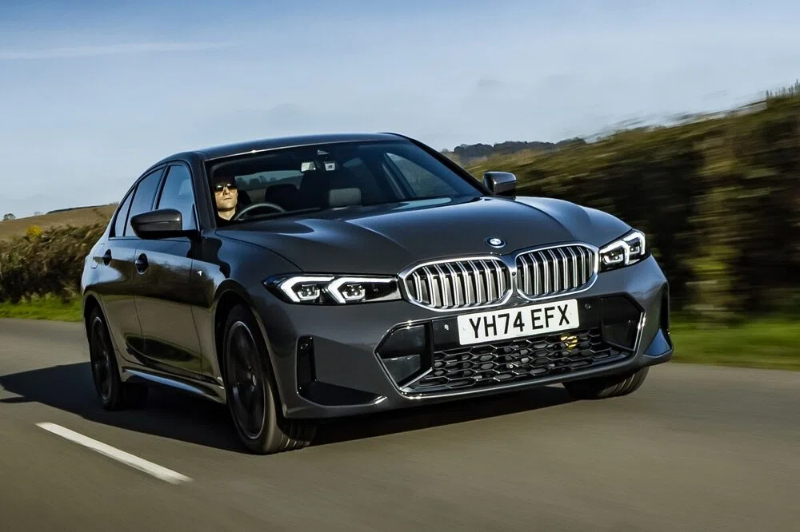
Launched in 1975 at Munich's Olympic Stadium, the BMW 3 Series E21 introduced the compact sports sedan formula with a two-door coupe body. Core improvements over the predecessor 02 Series included a more mature design, refined M10 inline-four engines (1.6L to 2.0L), and optional M20 straight-six power in 320/6 models producing up to 125 hp.[1]
- Engine lineup: 316 (90 hp), 318 (98 hp), 320 (109 hp), with later 323i (141 hp).
- Transmission: 4/5-speed manuals or ZF 3-speed auto.
- Suspension: Front MacPherson struts, semi-trailing arm rear - sporty but basic.
Key limitation: No four-door variant; production ended amid rising demand for practicality. This generation won races like the Macau Guia, cementing its sporty heritage.[1]
The E30 3 Series (1982 debut) expanded to four doors, convertibles, and the legendary M3, boosting sales to over 2.3 million units. Major upgrades featured independent rear suspension (semi-trailing arms evolving to multi-link in M3), M20/M40 engines (up to 170 hp in 325i), and diesel options for efficiency.[1]
| Model Variant | Engine | Power (hp) | Key Feature |
|---|---|---|---|
| 316i | 1.6L I4 | 100 | Fuel-efficient entry |
| 325i | 2.5L I6 | 170 | Smooth straight-six |
| M3 (E30) | 2.3L S14 | 195-238 | DTM racing dominance |
Unique addition: E30 M3's lightweight body and 238 hp variant set performance standards, with over 17,000 units influencing modern hot hatches. Reliability shines in well-maintained examples, though rust-prone in humid climates.[1]
E36 3 Series shifted to four doors as standard, growing wheelbase to 2,700 mm for better space. Improvements included Z-axle multi-link rear suspension, M50 inline-six engines (up to 192 hp in 328i), and body styles like coupes, wagons, and Compact hatch.[1]
- Powertrains: 1.6-3.2L engines; M3's S50/S52 hit 240-321 hp.
- Tech advances: ABS standard, optional ASC stability control.
- Production note: China's first BMW (E46 L7 via Brilliance) echoed E36 chassis tech.
Common issues table:
| Issue | Cause | Fix Cost (USD) |
|---|---|---|
| Cooling leaks | Plastic expansion tanks | 200-400 |
| VANOS rattle | Chain wear | 800-1,500 |
| Subframe cracks | Road abuse | 1,000+ |
E36 balances affordability and fun, ideal for used buyers.[1]
E46 3 Series refined chassis rigidity (stiffer by 25%) and introduced N42/N46 four-cylinders with Valvetronic. Wheelbase stretched to 2,720 mm; M3's S54 3.2L redlines at 8,000 rpm (343 hp).[1]
Standout enhancements:
1. Five-link rear suspension for superior handling.
2. xDrive all-wheel drive debut in 2005.
3. iDrive infotainment precursor.
Over 3.4 million sold; China impact: Huachen BMW's E46 L7 (2003) marked local assembly. Post-2006 facelifts added efficiency, but rod bearings demand proactive maintenance.[1]
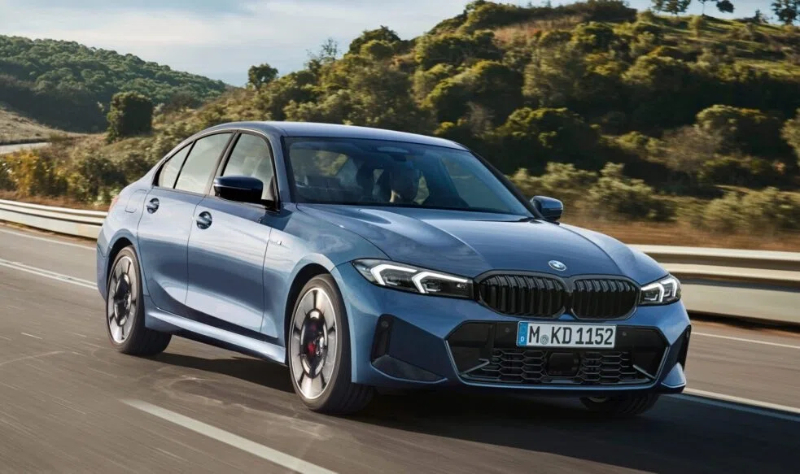
E90 3 Series family differentiated sedans (E90), wagons (E91), coupes (E92), convertibles (E93). Turbo era began with N54 twin-turbo (335i, 300 hp); N52 six-cylinders emphasized smoothness.[2]
- Suspension: Double-pivot front, five-link rear.
- M3 (E92): S65 V8 (414 hp), 4.0-second 0-60.
- Efficiency: Diesels hit 40+ mpg.
Reliability Rankings: J.D. Power scores E90 at 82/100; common electric water pump failures cost $500.[2]
F30 3 Series grew larger (wheelbase 2,810 mm), prioritizing comfort with ZF 8-speed autos standard. Key split: Coupes/convertibles became 4 Series (F32), preserving 3 Series as family sedan.[1]
| Aspect | F30 3 Series | F32 4 Series |
|---|---|---|
| Focus | Space/practicality | Sporty coupe |
| Engines | B48 turbo (255 hp) | Same + M4 S55 |
| Criticism | Softer handling | Sharper dynamics |
M3 (F80) Competition's 444 hp twin-turbo defined the era. Expert insight: 4 Series "true heir" to E30 M3 spirit, per enthusiasts.[1]
G20 3 Series (2018 reveal) integrates mild-hybrid tech, with 2025 LCI facelift adding illuminated kidney grilles and updated iDrive 8.5. Engines: B48 2.0L turbo (255-382 hp in M340i), PHEV 330e (288 hp, 40-mile EV range).[1]
Latest improvements (2021-2025):
- Digital Cockpit: Curved displays standard.
- xDrive: Enhanced AWD for 2025 models.
- Safety: Level 2+ autonomy via Driving Assistant Pro.
2025 Updates: Post-2024 refresh boosts efficiency 10%; M Performance Parts catalog expands. Production hits 16 million total units by 2025.[1]
Practical Steps for Global Buyers. Target 2015+ F30/G20 for value; inspect VANOS, turbos.[1]
1. Budget check: $10K (E46) to $40K (G20).
2. VIN decode: Verify maintenance history.
3. Test drive: Feel for chassis feedback.
4. Sourcing: For fleets, contact vetted suppliers for used performance sedans from China stock.
5. Mod tips: Coilovers under $1,000 revive handling.
Reliability trends: G20 scores highest (85/100); avoid early N54 turbos. Resale holds 70% after 3 years.[1]
| Generation | Avg. MPG (City/Hwy) | Annual Maint. (USD) | Resale Value (5 yrs) |
|---|---|---|---|
| E46 | 20/30 | 1,200 | 50% |
| E90 | 22/34 | 1,400 | 55% |
| F30 | 25/38 | 1,100 | 65% |
| G20 | 28/40 | 900 | 70% |
Data reflects 2025 market; hybrids cut fuel 20%.[1]
Ready to own a piece of BMW 3 Series history? Contact KeyChain today at +8613572980919 or abbie@keychainventure.com for high-performance used models tailored to global fleets. Visit keychainauto.com now to explore inventory and secure your ideal sedan!
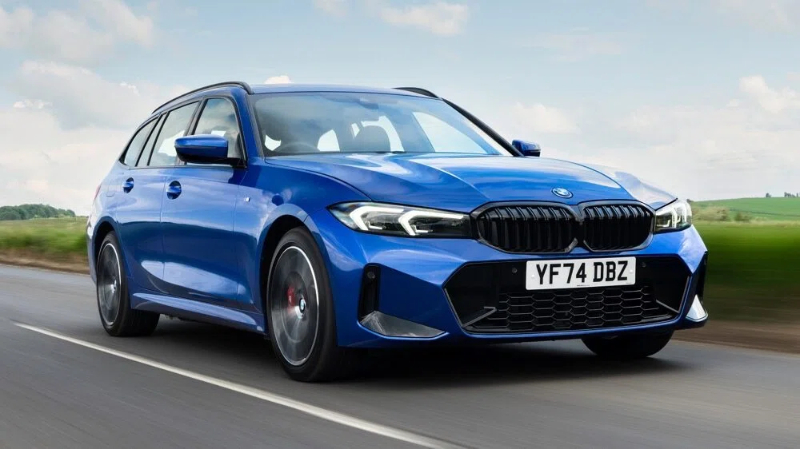
G20 (2019+) leads with modern hybrids and fewer issues; E46 offers classic value if rust-free.[1]
E30 prioritizes raw analog fun (195 hp); F80/G80 focus twin-turbo power (500+ hp) but higher costs.[1]
No, gas/diesel persist; 330e PHEV adds efficiency for fleets.[1]
E90 328i: Balanced, parts abundant, under $15K used.[1]
3 Series emphasizes sedan practicality; 4 Series coupes deliver sportier styling and dynamics.[1]
[1](https://www.163.com/dy/article/GL6EE0U30552KSGY.html)
[2](https://car.autohome.com.cn/baike/detail_10_39_6029.html)


