
Views: 293 Author: Keychain Venture Publish Time: 2026-08-07 Origin: Site


Content Menu
● Why low clearance risks are so dangerous
● What causes bridge strikes and overhead collisions
>> 1. Confirm the exact vehicle height
>> 2. Plan the route for trucks
>> 3. Watch for overhead warning signs
>> 4. Remove distractions before driving
>> 5. Recheck after loading or weather changes
● Operational habits that reduce risk
● Why dump trucks need extra attention
● How road conditions affect clearance
● A simple decision process for drivers
● Best practices for fleet training
● Why this matters for commercial vehicle buyers
● FAQs
>> 1. What is a low clearance accident?
>> 2. Why do trucks hit bridges?
>> 3. How can drivers prevent overhead collisions?
>> 4. Why are dump trucks at higher risk?
>> 5. Does weather affect low clearance risk?
Low clearance accidents are among the most preventable roadway incidents in commercial transport. They usually happen when a driver misjudges vehicle height, follows the wrong route, or misses an overhead warning sign in time. For dump trucks, heavy trucks, buses, and other tall vehicles, the consequences can be serious: equipment damage, delivery delays, cargo loss, and safety risks for everyone nearby.
The good news is that these accidents can be avoided with a clear process. When drivers know their vehicle height, plan truck-safe routes, stay alert to road changes, and follow a consistent pre-trip routine, the risk drops sharply. For fleets, this is not just a driving habit. It is an essential part of safe and reliable operations.
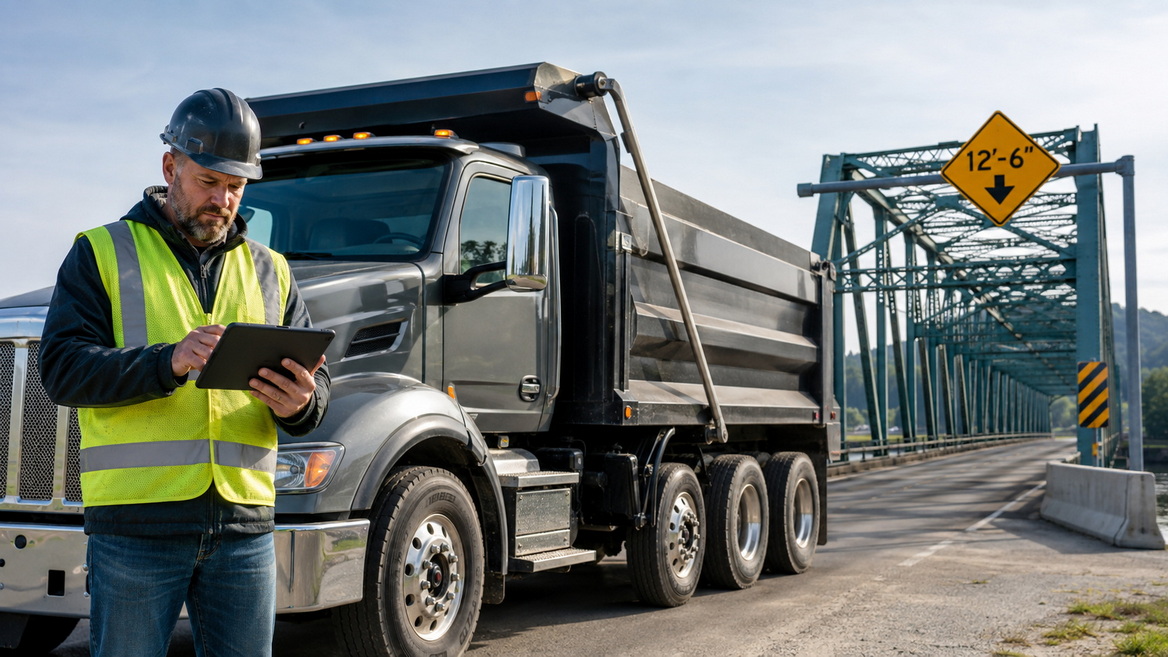
Commercial vehicles are larger, heavier, and taller than passenger cars. That means they need more space to travel safely under bridges, overpasses, tree branches, signs, and other overhead obstacles. A route that looks normal to a car driver may be unsafe for a truck.
Many low clearance crashes happen because the driver is under pressure, following a car GPS, or entering an area without checking for height restrictions. In cities and industrial zones, the risk is even higher. Roads are tighter, signs are easier to miss, and overhead structures appear with less warning.
Low clearance incidents rarely happen by chance. In most cases, they come from predictable mistakes that can be controlled.
- The driver does not know the exact vehicle height.
- The route was planned with a car-focused navigation system.
- Warning signs were ignored or seen too late.
- The driver was distracted, rushed, or fatigued.
- Weather or road conditions changed the actual clearance.
- The vehicle was loaded after the route was first checked.
Each of these problems can be prevented with simple discipline and clear internal procedures. That is why safety training should focus on both driving behavior and fleet planning.
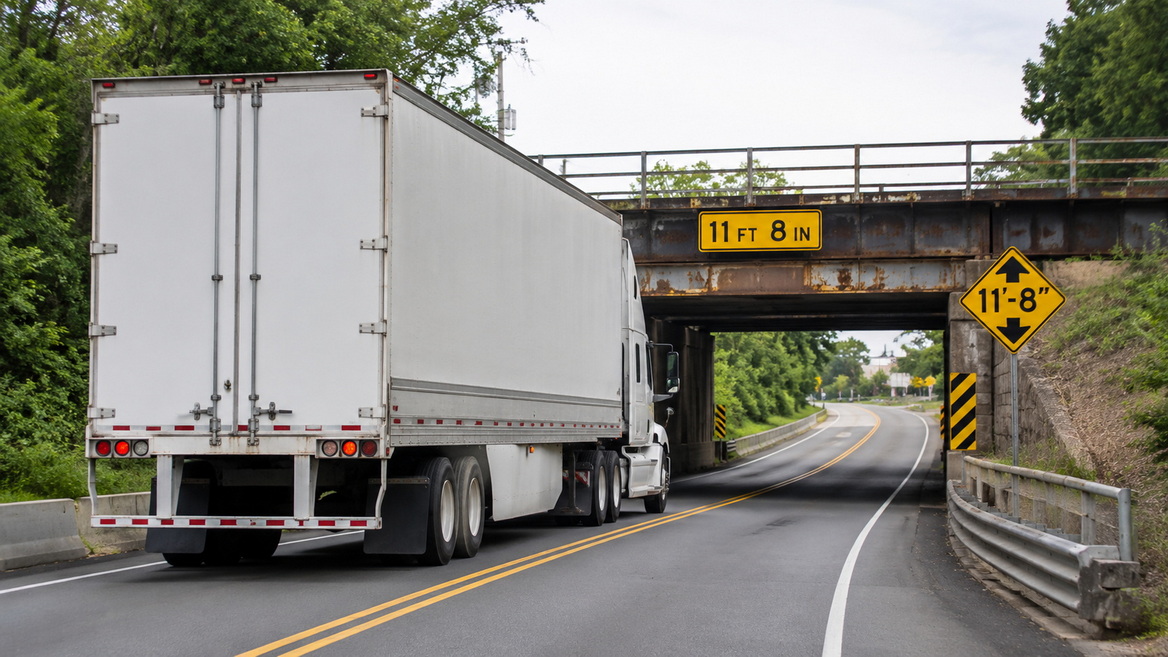
A strong pre-trip routine is one of the best defenses against low clearance accidents. Drivers should follow the same steps before every trip, especially when operating tall vehicles such as dump trucks or loaded heavy trucks.
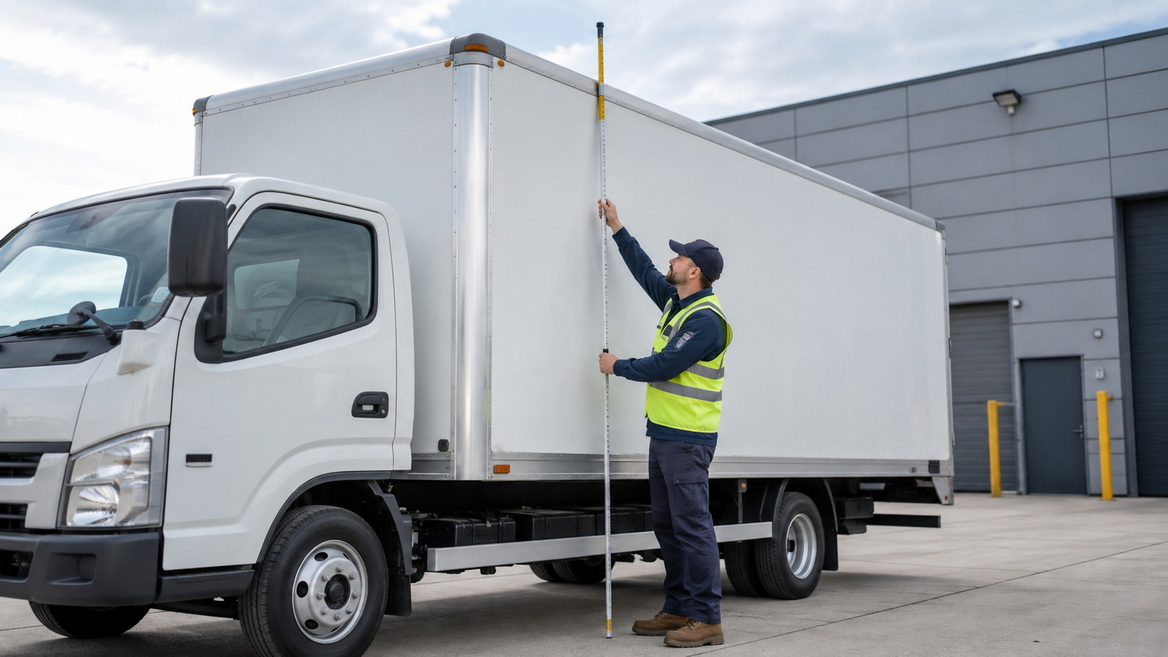
Never assume the vehicle height from memory. Check the posted clearance, verify the body type, and account for load height if cargo or equipment changes the total height. If the truck has been modified or loaded differently than usual, measure again before departure.
A route that works for cars may not be safe for trucks. Use truck-safe route planning and review bridges, overpasses, tunnels, and restricted roads before starting the trip. Pay special attention to city streets, industrial parks, and construction corridors, where clearance risks are often harder to see.
Low clearance signs are there for a reason. Drivers should remain alert to posted heights and reduce speed when entering unfamiliar areas. If there is any doubt, stop in a safe place and verify the clearance before moving forward.
Fatigue, stress, phone use, and rushing all make it easier to miss a warning sign. Drivers should avoid multitasking and stay focused on the road, especially in areas with overhead structures or narrow clearance zones.
Clearance can change after the original route plan is made. Snow, ice, road resurfacing, or a heavier-than-expected load can all affect safety. When conditions change, the driver should review the route again before continuing.
Safe driving depends on more than one person. Dispatchers, fleet managers, and drivers all play a role in preventing low clearance accidents. The most reliable fleets build safety into the daily workflow instead of depending on memory alone.
- Use written height verification before departure.
- Require truck-specific route planning for every trip.
- Train drivers to recognize clearance signs and warning zones.
- Review routes again when weather or road conditions change.
- Document near-misses and update internal routes when needed.
These habits help create a safer and more professional operation. They also reduce vehicle downtime, repair costs, and delivery disruption.
Dump trucks face special clearance challenges because they often operate in changing environments. Construction sites, roadworks, and industrial areas can include uneven pavement, temporary barriers, or route detours that are not present in normal traffic conditions.
A loaded dump truck may also sit higher than expected, especially when the load changes the overall profile of the vehicle. That means the driver must think about clearance every time the truck leaves a jobsite, enters a city road, or passes under a bridge. In this type of work, safety is part of the route plan, not just the driving style.
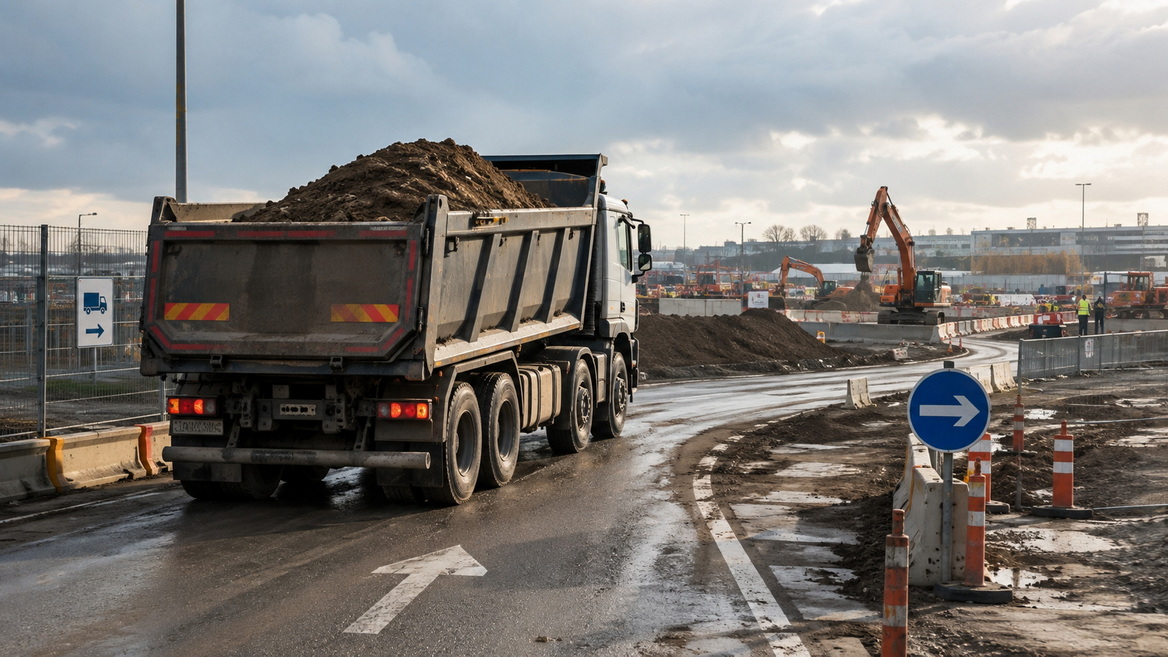
A vehicle's actual clearance is not always the same as the posted clearance on a sign. Weather and road maintenance can make the situation less predictable.
Snow and ice can build up on the road surface and reduce the usable height under a bridge or overpass. Road resurfacing can also raise the pavement over time. In both cases, a route that once seemed safe may no longer offer the same margin.
This is why experienced drivers do not rely on a single check made days earlier. They reassess the situation in real time and stay prepared to choose a safer alternate route.
When a driver approaches a possible low clearance area, the safest choice is to slow down and decide carefully. A few seconds of caution can prevent a major incident.
1. Read the sign early.
2. Compare the posted clearance with the vehicle height.
3. Look for a safer alternate route.
4. Stop in a safe location if the clearance is uncertain.
5. Never force the vehicle through a tight opening.
This kind of decision-making should be part of driver training. It gives operators a clear response under pressure and reduces the chance of guesswork.
Fleet training should teach more than general defensive driving. Drivers need practical knowledge that applies to tall commercial vehicles in real traffic conditions.
- How to measure vehicle height correctly.
- How to interpret clearance signs.
- How to use truck-safe navigation tools.
- How to react when the route changes.
- How to report and document a near-miss.
Training should also include real examples from city driving, construction logistics, and long-distance freight movement. The more realistic the training, the more likely drivers are to apply it on the road.
For buyers of heavy trucks, buses, and export-oriented commercial vehicles, safety performance is part of long-term value. A vehicle that is well matched to its working environment is easier to operate, easier to manage, and less likely to create expensive route problems.
That is especially important for businesses that move goods through ports, industrial parks, urban delivery networks, and construction areas. In these environments, vehicle size, route conditions, and operating discipline all influence real-world performance.
Low clearance accidents are usually preventable. When drivers know the vehicle height, plan ahead, stay focused, and treat overhead warnings seriously, they greatly reduce the chance of bridge strikes and overhead collisions. For fleets and operators, the safest approach is always the same: check early, drive carefully, and never assume there is enough space.
A low clearance accident happens when a tall vehicle hits a bridge, overpass, sign, or other overhead obstacle because the space is not high enough for safe passage.
Trucks often hit bridges because of poor route planning, missed warning signs, distractions, or using navigation tools that are not designed for commercial vehicles.
Drivers can prevent overhead collisions by confirming vehicle height, checking truck-safe routes, watching for clearance signs, and stopping to verify any uncertain area.
Dump trucks often operate in changing work environments, and their height can vary depending on load, road conditions, and site access.
Yes. Snow, ice, and road resurfacing can reduce safe clearance and make a route more dangerous than it appears.
- Penske Truck Rental. "5 Safety Tips to Avoid Low Clearance Accidents."
https://www.gopenske.com/blog/rental/safety-tips-low-clearance-accidents/
- TopRank Marketing. "E-E-A-T and SEO: Optimizing for Google's Guidelines."
- International Used Truck Center. "Accident Prevention Tips for Truck Drivers."
https://www.internationalusedtrucks.com/accident-prevention-tips-for-truck-drivers/
- U. S. Department of Transportation / FHWA. "Design and Operation of Work Zone Strategies to Improve Safety."


