
Views: 273 Author: Keychain Venture Publish Time: 2026-08-14 Origin: Site


Content Menu
● Why Wiper Performance Matters for Commercial Vehicles
● Common Windshield Wiper Problems
● How to Fix Streaking and Smearing Wipers
>> Clean the Rubber Wiping Edge
>> Test Only on a Wet Windshield
● Why Wipers Squeak, Skip or Chatter
>> Inspect the Rubber Condition
● When to Replace Windshield Wiper Blades
● Choosing the Right Wiper Blade for Buses and Trucks
>> Conventional, Beam and Hybrid Blades
● Troubleshooting Slow or Non-Working Wipers
>> Check the Linkage and Pivot Points
>> Check Fuses and Electrical Connections
● Washer Fluid and Spray Nozzle Problems
● Electric Vehicle and New Energy Bus Considerations
● A Preventive Maintenance Plan for Fleet Operators
>> Daily or Pre-Trip Inspection
>> Monthly Workshop Inspection
● Maintaining Reliable Visibility in Every Season
>> How often should bus and truck wiper blades be replaced?
>> Why do new wiper blades still leave streaks?
>> Can a wiper blade scratch a windshield?
>> Why are my heavy-truck wipers moving slowly?
>> Are wiper blades different for electric vehicles?
Poor windshield visibility can become an immediate safety and operational issue. For buses, heavy trucks and electric vehicles, windshield wiper blade problems such as streaking, skipping, squeaking or slow movement should be addressed before they affect a driver's ability to see the road clearly.
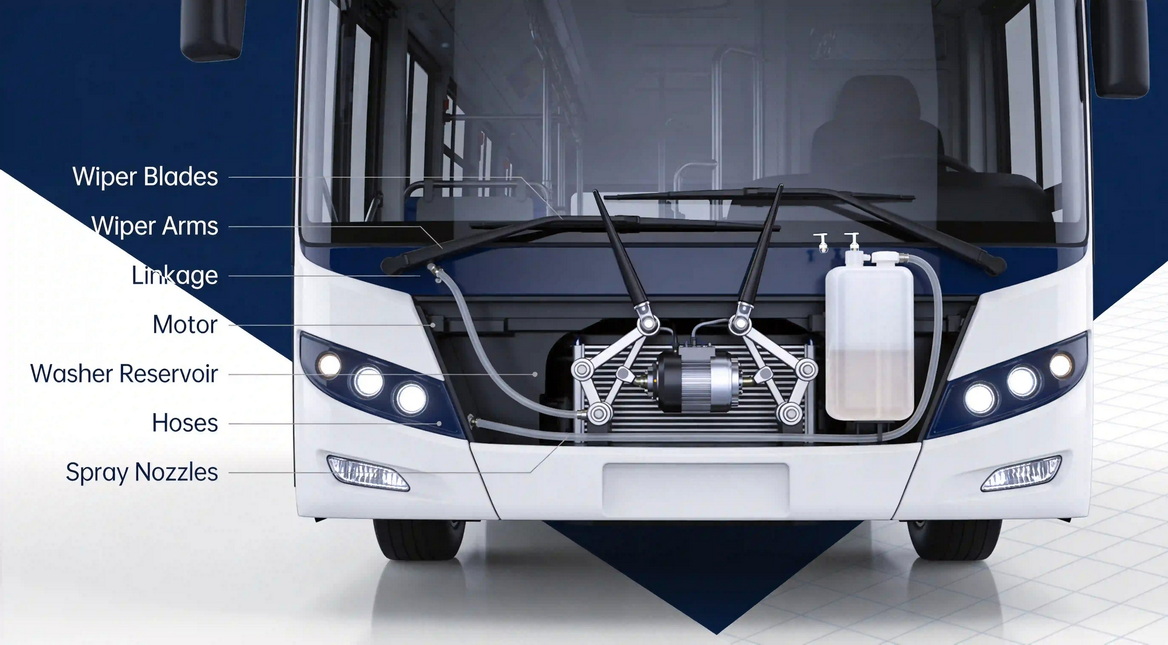
A wiper system may appear simple, but it depends on several components working together: blades, arms, pivots, linkages, motors, washer nozzles and fluid lines. This guide explains how to identify common problems, carry out practical checks and create a preventive maintenance process for commercial vehicle fleets.
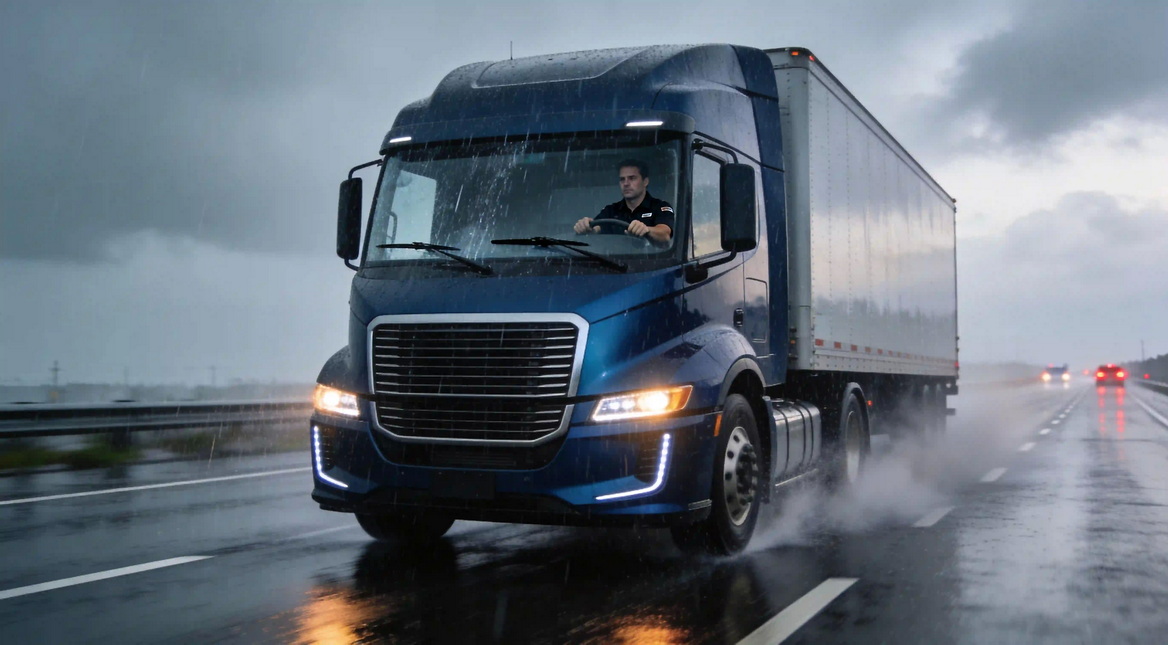
Windshield wipers remove rain, snow, dust, insects, road spray and other debris from the driver's field of vision. When they work correctly, drivers can focus on road conditions, pedestrians, traffic signals and surrounding vehicles.
For commercial fleets, poor wiper performance can have wider consequences than it does for a private car. Buses and heavy trucks frequently travel longer distances, operate in changing weather, carry passengers or cargo, and face stricter uptime requirements.
A worn or poorly fitted blade can create:
- Blurred vision during rain, snow or road spray
- Glare from oncoming headlights at night
- Driver fatigue caused by constant visual strain
- Windshield scratches from damaged rubber or exposed components
- Unplanned vehicle downtime when a wiper system fails during service
- Higher maintenance costs when small defects are ignored
For fleet managers, the objective is not simply to replace wiper blades when they fail. It is to identify reduced performance early and correct the cause before it affects safe vehicle operation.
The first step is to understand what the vehicle is doing. Different symptoms often point to different causes.
| Wiper Problem | Possible Cause | Recommended First Check |
|---|---|---|
| Streaks or smears | Dirty glass, dirty rubber, worn blade edge, poor washer fluid | Clean the windshield and blade |
| Squeaking or chattering | Dry wiping, hardened rubber, contamination, incorrect arm angle | Apply washer fluid and inspect the blade |
| Skipping across the glass | Uneven pressure, bent arm, damaged blade, curved glass mismatch | Check contact along the full blade length |
| Missed wiping areas | Worn blade, wrong blade length, weak arm spring | Confirm blade fitment and arm tension |
| Blade lifts at speed | Weak arm pressure, incorrect blade design, poor fitment | Inspect arm spring and connector |
| Slow wiper movement | Motor issue, linkage friction, low voltage, corroded pivot | Inspect the mechanical and electrical system |
| Wipers do not move | Blown fuse, failed motor, damaged linkage, wiring issue | Stop use and inspect the system |
| Washer fluid does not spray | Empty tank, blocked nozzle, damaged hose, faulty pump | Refill fluid and inspect nozzles |
A proper diagnosis prevents unnecessary replacement parts. For example, replacing a streaking blade will not solve the problem if the windshield is covered in oil film or the wiper arm has lost its correct contact pressure.
Streaking is one of the most common wiper complaints. It often appears as thin lines, cloudy areas or uneven water removal across the windshield.
Before replacing the blade, carry out the following inspection process.
A windshield may collect road dust, diesel residue, insects, tree sap, wax, grease and mineral deposits. These contaminants can make even a new blade perform poorly.
Use a vehicle-safe glass cleaner and a clean microfiber cloth. Clean the entire windshield, not only the area directly in front of the driver.
Pay close attention to:
- The lower edge of the windshield
- The blade parking area
- Areas around washer nozzles
- The main driver viewing zone
- Any visible oil, insect residue or water spots
A clean windshield reduces friction and helps the rubber edge move smoothly across the glass.
Lift the wiper arm carefully and wipe the rubber edge with a soft cloth dampened with washer fluid or mild detergent solution. Continue until the cloth no longer picks up heavy dirt or dark residue.
Do not use sharp tools or aggressive chemicals. Harsh solvents may weaken the rubber and reduce blade life.
If cleaning improves the wiping pattern, monitor the blade during normal operation. If streaks return quickly, the rubber may be aging or damaged.
Avoid dry wiping. Running wipers across dry glass increases friction, noise and wear. It can also accelerate damage to the rubber edge and leave fine marks on the windshield.
Use washer fluid before testing. Run the wipers at low speed and observe whether they clean the glass evenly from one end of the sweep to the other.
If the problem remains after cleaning, inspect the blade, arm pressure and blade alignment.
Squeaking and chattering usually occur when the rubber edge cannot glide smoothly across the glass. This may be caused by dry glass, hardened rubber, dirt, uneven contact pressure or an incorrect wiper-arm angle.
A healthy blade should move across the windshield in a controlled, smooth motion. If it jumps or vibrates, it may be dragging rather than wiping.
Dust, sand, dried mud and road grime can build up on the blade edge. Clean the blade and windshield before assuming the blade has failed.
In dry or dusty operating environments, such as logistics yards, construction zones or rural roads, more frequent cleaning may be needed.
Rubber becomes less flexible over time. Heat, ultraviolet exposure, cold weather and repeated wiping gradually harden the material.
Replace the blade if you see:
- Cracks or splits
- Torn rubber
- A rough or uneven edge
- Rubber separating from the frame
- Sections that no longer touch the windshield
- Metal or plastic parts close to the glass
A damaged blade can scratch the windshield, especially when dirt becomes trapped between the rubber and the glass.
If a new blade squeaks or skips in the same area as the old blade, the issue may be the wiper arm rather than the rubber insert.
A bent arm, weak spring or incorrect blade angle can prevent the blade from sitting evenly on the windshield. This is especially important on buses and heavy trucks because their windshields are often larger and more curved than those of passenger cars.
A trained technician should inspect arm tension and alignment. Do not attempt to force-bend the arm without suitable tools and experience.
Wiper blades should be replaced when cleaning no longer restores consistent performance. Replacement frequency depends on weather, vehicle use, parking conditions and blade quality.
High-use commercial vehicles may require more frequent inspection because their wipers are exposed to longer operating hours, heavy rain, road spray and changing temperatures.
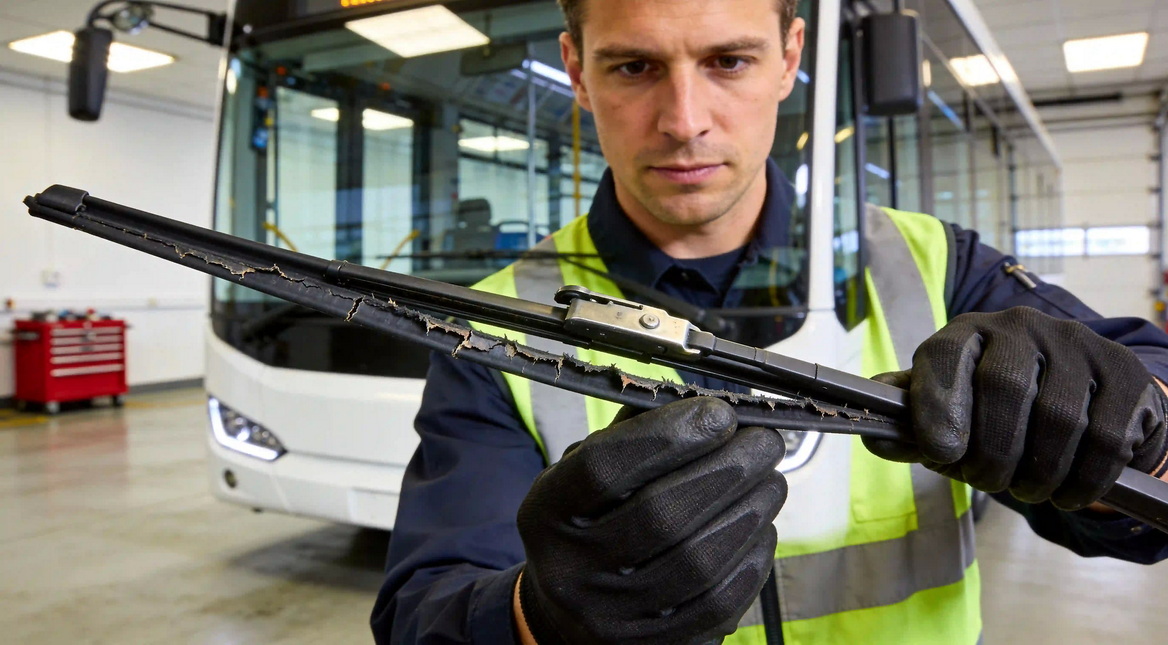
Replace the blades when you notice:
- Persistent streaking after cleaning
- Repeated squeaking on a wet windshield
- Skipped sections of glass
- Visible rubber damage
- Uneven contact across the blade
- Poor clearing performance during rain
- Windshield scratching risk
For most fleets, a six-month inspection cycle is practical. Replacement should be condition-based rather than determined by a fixed date alone.
Correct blade selection is essential. A blade that appears similar may still have the wrong length, connector, curve or pressure characteristics.
Use the vehicle manufacturer's approved specifications whenever possible.
| Selection Factor | What to Check |
|---|---|
| Blade length | Confirm the required length for each side of the windshield |
| Connector type | Match the existing hook, pin, bayonet, push-button or dedicated connector |
| Blade design | Choose conventional, beam or hybrid design according to vehicle requirements |
| Windshield curvature | Ensure full contact across wide or curved commercial windshields |
| Operating climate | Select rubber materials suitable for heat, cold, dust or frequent rain |
| Fleet standardisation | Use approved parts to simplify purchasing, storage and technician training |
Conventional blades use a metal or plastic frame with multiple pressure points. They are widely used and can be practical for many commercial applications.
Beam blades have a frameless structure that applies more even pressure across the windshield. Their aerodynamic profile can help improve performance at higher vehicle speeds.
Hybrid blades combine elements of conventional and beam designs. They may offer a balance between structural support, appearance and more even wiping pressure.
The best option depends on the vehicle model, route conditions, windshield shape and approved fitment requirements.
Slow-moving or non-working wipers often indicate a problem beyond the blade itself. In these cases, replacing the rubber insert may not solve the issue.
A motor may weaken over time or fail due to electrical faults. Warning signs include slow movement, intermittent operation, unusual noise, overheating or failure to park in the correct position.
If the wiper motor stops during rain, the vehicle should be removed from service when it is safe to do so.
The linkage transfers motion from the motor to the wiper arms. Pivots and moving joints may become stiff due to corrosion, lack of lubrication or debris.
Common linkage-related symptoms include:
- One wiper moving while the other remains still
- Uneven movement between left and right wipers
- Wipers stopping in the wrong position
- Knocking, grinding or binding noises
- Slow operation despite a good battery and working motor
A blown fuse may protect the system when there is excessive resistance or an electrical fault. If a replacement fuse blows again, the problem should be investigated rather than repeatedly resetting the system.
Inspecting fuses, wiring, motors and linkages should be performed by qualified personnel. This is particularly important for electric buses and trucks, where high-voltage systems require manufacturer-approved procedures and trained maintenance staff.
Wiper blades cannot clean efficiently without adequate washer fluid. If the windshield is dusty, oily or covered in insects, wiping without fluid may worsen visibility.
Common washer-system problems include:
- Empty washer-fluid reservoir
- Frozen fluid in cold weather
- Blocked spray nozzles
- Split or leaking hoses
- Weak or failed washer pump
- Incorrect fluid type
Use a quality washer fluid suitable for local weather conditions. In cold climates, choose a fluid rated for temperatures below the expected minimum.
Do not use plain water during winter. Water can freeze in the reservoir, hoses and nozzles, leading to system damage or loss of cleaning function.
For fleets operating across several climate zones, standardise washer-fluid specifications by region and season.
The washer nozzles should distribute fluid across the windshield area that the blades will sweep. Weak or misdirected spray can leave the driver's central field of vision dirty.
During regular inspections, confirm that:
- Both nozzles spray consistently
- Fluid reaches the correct windshield areas
- Nozzles are free from dirt and mineral buildup
- Hoses show no leaks or cracks
- The washer pump operates normally
Wiper blade maintenance remains important for electric vehicles, electric buses and electric trucks. The basic care process is similar to that of conventional vehicles, but service procedures may differ by model.
Some vehicles require a dedicated wiper service mode before the arms can be lifted or blades can be removed. This function moves the wipers into a position that allows safe access without damaging the hood edge, windshield or wiper mechanism.
Before changing blades on any new energy vehicle:
1. Park the vehicle safely and follow the manufacturer's shutdown procedure.
2. Check the owner's manual or maintenance guide for wiper service instructions.
3. Activate the required service mode if the vehicle has one.
4. Lift the arm carefully and avoid excessive force.
5. Install approved replacement blades with the correct connector.
6. Test the wiping and parking function after installation.
For electric bus fleets, maintenance procedures should be documented clearly. Drivers and technicians should know which checks can be completed during daily inspections and which issues require workshop support.
Preventive maintenance is the most effective way to reduce wiper-related defects. A simple routine helps identify problems before bad weather exposes them.
- Check that the windshield is clean and undamaged
- Confirm washer fluid is available
- Test the washer spray pattern
- Run the wipers briefly on a wet windshield
- Listen for squeaking, chattering or unusual motor noise
- Remove leaves, snow, ice and debris before driving
- Clean the windshield and rubber blade edges
- Inspect blade frames, connectors and rubber condition
- Check arm tension and parking position
- Inspect hoses, nozzles and washer-fluid levels
- Test wiper speed and intermittent settings
- Record recurring defects by vehicle number
- Replace worn blades before the rainy or winter season
- Use climate-appropriate washer fluid
- Check frozen-blade risks in cold-weather locations
- Inspect pivot movement and linkage condition
- Review spare-parts stock for high-use vehicle models
Consistent records can reveal patterns. For example, if a group of vehicles experiences frequent wiper wear on the same route, the fleet may need a more durable blade specification, better windshield-cleaning procedures or revised maintenance intervals.

Reliable wiper performance supports safer driving, reduces avoidable downtime and protects the condition of the windshield. The most effective approach is simple: clean the glass, inspect blades regularly, use the correct washer fluid, replace worn parts promptly and investigate any slow or irregular movement before the system fails.
For operators sourcing buses, heavy trucks or new energy vehicles, it is also worth evaluating maintenance access, parts availability and technical documentation as part of the full vehicle decision. Daily-use components such as wiper systems may be small, but they contribute directly to driver confidence and dependable vehicle operation in real-world conditions.
KeyChain provides high-performance bus, heavy truck and new energy vehicle solutions for domestic and international customers. Vehicle selection can be supported by practical discussions around operating conditions, technical specifications, serviceability and long-term fleet requirements.
Inspect blades every six months and replace them when they show cracking, streaking, skipped areas, noise or poor cleaning performance. Vehicles operating in high heat, snow, dust or frequent rain may need replacement sooner.
The windshield may be contaminated with oil film, wax, dirt or mineral deposits. Clean the windshield and rubber edge first. If the issue continues, inspect the wiper arm pressure, blade angle and windshield surface.
Yes. A torn blade, exposed frame component or trapped dirt can scratch the glass. Replace damaged blades promptly and avoid operating the wipers on a dry or heavily soiled windshield.
Possible causes include a weak motor, stiff linkage, corroded pivots, wiring problems, low voltage or a mechanical obstruction. A qualified technician should inspect the system.
The blade itself may be similar, but the replacement process can differ. Some electric vehicles use a wiper service mode that positions the arms safely for maintenance. Always follow the vehicle-specific instructions.
1. Evans Halshaw. How to Change Your Wiper Blades https://www.evanshalshaw.com/blog/hands-on-help-wiper-blade-problems-and-solutions/
2. AutoZone. How to Fix Windshield Wipers https://www.autozone.com/diy/wipers/how-to-fix-windshield-wipers
3. NAPA Know How. What You Need to Know About Electric Car Maintenance https://knowhow.napaonline.com/electric-car-maintenance-need-know/
4. Les Schwab. Easy Fixes for Common Windshield Wiper Problems https://www.lesschwab.com/article/driving/how-to-fix-common-windshield-wiper-problems.html
5. National Bus Sales. 8 Bus Fleet Vehicle Maintenance Tips https://nationalbus.com/blog/8-bus-fleet-vehicle-maintenance-tips/
6. National Rural Transit Assistance Program. Electric Vehicle Maintenance https://www.nationalrtap.org/Resources/Best-Practices-Spotlight/Electric-Vehicle-Maintenance


