
Views: 222 Author: Sara Publish Time: 2026-01-02 Origin: Site


Content Menu
● CDL Requirements by Weight and Passengers
● Weight Impact on Fuel Economy and Costs
● 2026 Electric School Bus Weight Trends
● Real-World Fleet Optimization Case Studies
● Operational Impacts for Fleet Managers
● Maintenance Schedules by Weight Class
● Expert Insights: Global Compliance for Importers
● Take Action: Optimize Your Fleet Now
● FAQ
>> 1. What is the maximum GVWR for a non-CDL school bus?
>> 2. Do electric school buses weigh more than diesel?
>> 3. How does weight affect insurance rates?
>> 4. Can I modify a bus to reduce effective weight?
>> 5. What's the trend for school bus weights in 2026?
School bus weight limits and regulations directly impact safety, licensing, operations, and costs for buyers worldwide, including from leading suppliers like KeyChain in China. This comprehensive guide covers GVWR classifications, CDL requirements, and practical strategies to optimize your fleet.[1]
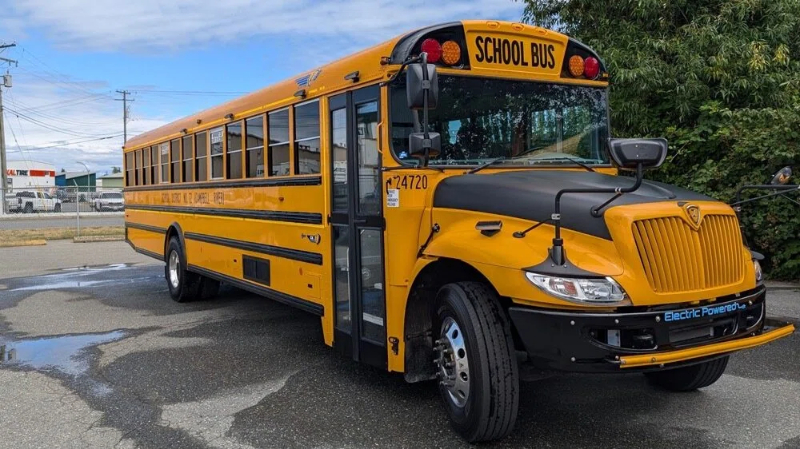
Gross Vehicle Weight Rating (GVWR) defines the maximum safe operating weight of a school bus, including passengers, fuel, and cargo. Regulators, insurers, and inspectors rely on this figure stamped on the driver's door data plate.[1]
Exceeding GVWR risks accidents, fines, and voided insurance. For global operators sourcing from China, verify GVWR compliance with both U.S. FMVSS standards and local import rules.
- Type A (Mini Bus): 10,000-14,000 lbs - Ideal for small routes or non-CDL operations.
- Type B: 14,000-19,500 lbs - Compact yet capable for mid-size groups.
- Type C (Conventional): 23,000-29,000 lbs - Standard for most U.S. districts.
- Type D (Transit-Style): 25,000-36,000 lbs - Highest capacity, robust for heavy loads.[1]
A fully loaded Type C bus with 70 passengers often reaches 30,000 pounds, demanding heavy-duty brakes and tires.[1]
Federal rules mandate a Commercial Driver's License (CDL) based on GVWR and passenger count. No CDL needed for vehicles under 26,001 lbs GVWR carrying fewer than 16 people (including driver).[1]
Key thresholds:
1. GVWR >=26,001 lbs OR 16+ passengers: CDL with Passenger (P) endorsement required.
2. School buses: Often need School Bus (S) endorsement, even for private use if yellow markings remain.
3. Exceptions for small fleets: Churches or daycares benefit from non-CDL Type A buses to ease hiring.[1]
Heavier buses consume more fuel and wear components faster. An extra 5,000 lbs curb weight cuts efficiency by 5-7%, adding hundreds in annual diesel costs over 12,000 miles.[1]
Lighter Type A buses at 22,000 lbs achieve better MPG than Type C at 27,500 lbs. For international buyers like KeyChain clients, factor in diesel vs. electric trends - batteries add ~4,000 lbs but offset with zero fuel costs long-term.[2]
Practical Calculation:
| Bus Type | GVWR (lbs) | Est. MPG | Annual Cost (12k miles, $4/gal) |
|---|---|---|---|
| Type A | 22,000 | 8-10 | $4,800-$6,000 |
| Type C | 27,500 | 6-8 | $6,000-$8,000 |
| Type D | 33,000 | 5-7 | $6,857-$9,600 |
Electric school buses surged in 2025-2026, with U.S. mandates like California's 2035 zero-emission goal accelerating adoption. Batteries increase curb weight by 3,000-5,000 lbs, pushing many over 26,001 lbs GVWR and requiring CDL upgrades.[2]
Market data shows electric bus GVWR averaging 28,000-35,000 lbs, similar to diesel Type D but with superior torque. Global suppliers like KeyChain offer high-performance Chinese electric models compliant with NHTSA standards.
Benefits outweigh weight:
- Zero emissions cut health risks near schools.
- Lower lifetime costs: $1M upfront vs. $650k diesel, but incentives cover gaps.
- Case Study: Kings Canyon Unified (CA) deployed electric buses since 2014, proving reliability despite added weight.[2]
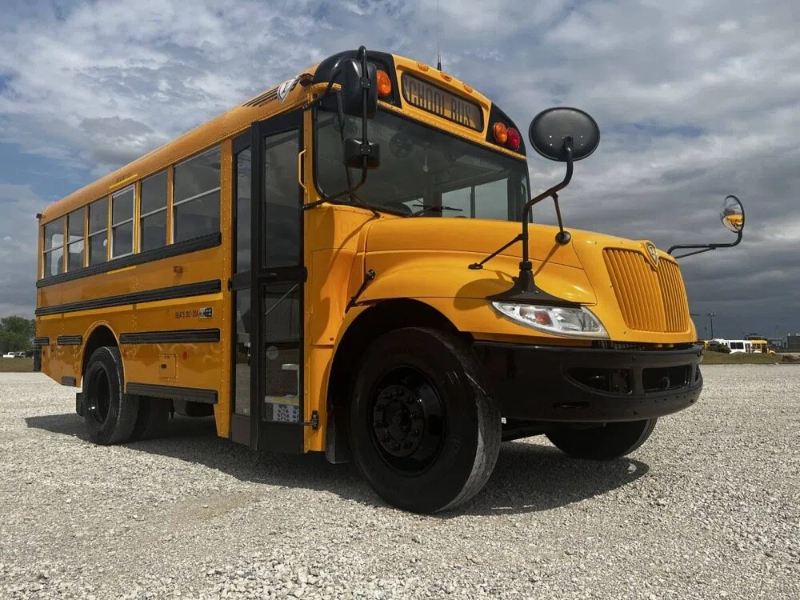
A private U.S. academy swapped one Type C (27,500 lbs) for a Type A (22,000 lbs) on 10-mile routes. Results: $1,500-$2,000 annual savings in fuel/brakes, no CDL needed.[1]
Step-by-Step Optimization Process:
1. Audit current fleet: Check GVWR vs. actual loads/routes.
2. Match bus to need: Use non-CDL for <16 passengers.
3. Test electric pilots: Leverage 2026 federal grants for ZEVs.
4. Train staff: Update on weight impacts for maintenance.
5. Monitor KPIs: Track MPG, downtime, compliance via telematics.[1]
Chinese exporter KeyChain enabled a European fleet to downsize, reducing import tariffs on lighter models while boosting efficiency 15%.
GVWR dictates everything from parking to insurance. Heavy Type D buses stress older pavements; declare accurately to avoid policy voids.[1]
Maintenance ramps up with weight:
- Brakes/tires: Intervals halve above 25,000 lbs.
- Fluids/suspension: Align with duty cycle, not mileage.
For global transport coordinators importing from Asia, align with DOT axle limits and bridge postings.
| Weight Class | Brake Interval (miles) | Tire Check | Oil Change |
|---|---|---|---|
| <20,000 lbs | 20,000 | Quarterly | 5,000 |
| 20-30,000 lbs | 10,000 | Bi-monthly | 4,000 |
| >30,000 lbs | 7,500 | Monthly | 3,000 |
Pro Tip: Lighter buses extend intervals, slashing costs 20-30%.
As a top Chinese supplier, KeyChain ensures buses meet FMCSA GVWR standards for U.S. export. Recent 2026 updates emphasize electric weights; always cross-check with VIN decoders.
Common pitfalls: Underreporting GVWR voids warranties. Consult experts for hybrid axle configs balancing weight/power.
Partner with KeyChain, China's leading used commercial vehicle supplier, for high-performance school buses and heavy trucks that meet all weight regulations. Filter listings by GVWR, seats, and type at keychainauto.com or call +8613572980919 today to save on fuel, maintenance, and compliance. Your efficient fleet starts here.[1]
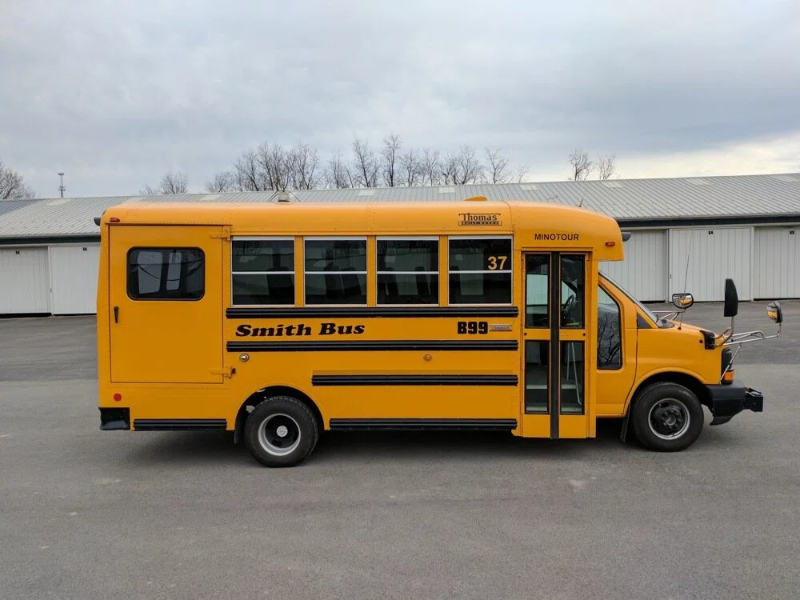
Under 26,001 lbs with <16 passengers (driver included). Type A fits perfectly.[1]
Yes, batteries add 3-5k lbs, but incentives offset. Many stay under CDL if mini-sized.[2]
Heavier GVWR hikes premiums 20-50%; accurate declaration prevents denials.[1]
Limited - axle upgrades possible, but re-certify GVWR with DOT.[1]
Shift to electrics (28k+ lbs GVWR) with grants; lighter minis for efficiency.[2]
[1](https://www.busesforsale.com/knowledge-center/blog/understanding-school-bus-weight-limits-regulations)
[2](https://www.reddit.com/r/electricvehicles/comments/1773spc/california_mandates_all_new_school_buses_be/)


