
Views: 222 Author: Sara Publish Time: 2026-01-20 Origin: Site


Content Menu
● Paraguay's Bus Market Overview
● Master Transportation: Emerging Electric Player
● Government Strategy and Opportunities
● Role of Chinese and Asian Brands
● Local Operators and Service Providers
● Infrastructure and Charging Ecosystem
● Key Success Factors for Suppliers
● How International Suppliers Fit In
● Media-Rich Content Ideas for Bus Buyers
● KeyChain: Leading Supplier for Paraguay's Bus Needs
● Comparison of Top Bus Manufacturers and Suppliers
● Future Trends for Bus Manufacturers and Suppliers
● FAQs About Bus Manufacturers and Suppliers in Paraguay
>> 1. What types of buses are most common in Paraguay?
>> 2. How is the Paraguayan government supporting electric bus adoption?
>> 3. Which international brands are active or relevant for Paraguay?
>> 4. What should operators look for when choosing bus manufacturers and suppliers?
>> 5. Are electric buses economically viable for Paraguayan cities?
Paraguay's bus sector is changing quickly, with bus manufacturers and suppliers now focusing on cleaner, more efficient fleets for Asunción and intercity corridors. Bus manufacturers and suppliers from Asia and Latin America are entering the market, while local operators upgrade fleets to meet government electrification plans.

Paraguay relies heavily on buses for daily commuting, regional connections, and international routes to Argentina and Brazil. Bus manufacturers and suppliers play a central role in maintaining this extensive network, which includes local, long-distance, and city services.
- The national network reaches almost every city and town, making reliable bus manufacturers and suppliers essential for fleet expansion.
- Growing urbanization and congestion in Asunción push operators to seek modern vehicles from advanced bus manufacturers and suppliers.
As the government promotes electromobility, bus manufacturers and suppliers that offer electric buses and after-sales support have a clear competitive advantage.
Paraguay has adopted a legal framework to promote electric public transport and reduce diesel dependence. The government plans to add about 1,000 electric units by acquiring around 200 electric buses annually over five years, creating opportunities for innovative bus manufacturers and suppliers.
- Around 1,400 diesel buses currently operate, with half classified as conventional vehicles that will gradually be replaced.
- The first large batch of 30 electric buses will run in Asunción's metropolitan area under a new model where the State owns the vehicles and contracts private operators.
This transition opens the door for international bus manufacturers and suppliers specializing in new energy buses, electric drivetrains, and smart fleet management.
A key recent development is the entry of Master Transportation, a Taiwanese company providing the first 30 electric buses for Asunción. Master is positioning itself among top bus manufacturers and suppliers in Paraguay by combining vehicle delivery with local industrial plans.
- The initial 30 electric buses will be deployed on metropolitan routes by the end of the year, forming Paraguay's first dedicated electric fleet.
- Master plans to build a factory in Paraguay to produce chassis and bodies, investing around 30 million USD and generating 2,000–2,500 direct jobs plus benefits for local suppliers.
By establishing local production, Master aims to become one of the most influential bus manufacturers and suppliers in Paraguay and a future exporter to neighboring markets.
The Ministry of Public Works and Communications (MOPC) is leading the shift to a modern, efficient, and clean public transport system. This strategy shapes how bus manufacturers and suppliers compete for contracts and long-term partnerships.
- A dedicated law on electric transport incentives encourages procurement of electric buses and related infrastructure like charging stations.
- The state-led model in Asunción involves public ownership of buses and competitive selection of private operators based on operational capacity, creating stable demand for bus manufacturers and suppliers.
For international bus manufacturers and suppliers, Paraguay represents a growing market where early participation in pilot projects can lead to larger framework agreements.
Latin America already hosts large fleets of Chinese electric buses, and Paraguay is beginning to follow. Regional experience shows that Chinese bus manufacturers and suppliers can rapidly scale deployments once pilot projects prove successful.
- Cities like Santiago and Montevideo have integrated hundreds of Yutong and BYD electric units, demonstrating proven technology suited to South American conditions.
- Asunción has already tested Chinese electric buses in pilot form, signaling openness to Chinese bus manufacturers and suppliers in future tenders.
With the rise of electromobility in Paraguay, Chinese bus manufacturers and suppliers, alongside Taiwanese and local partners, are likely to compete for both city and intercity projects.
While large international bus manufacturers and suppliers deliver vehicles, Paraguayan operators manage daily services across the country. These companies depend on stable relationships with chassis makers, body builders, and component suppliers.
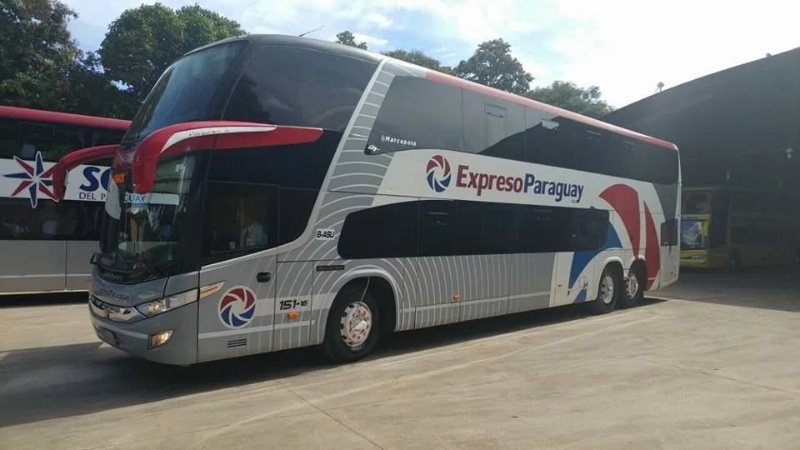
- Firms such as Expreso Paraguay operate on major domestic and international routes, connecting cities like Asunción, Ciudad del Este, and Buenos Aires.
- Local operators manage three primary categories of services: local town routes, long-distance intercity lines, and city buses in metropolitan corridors.
As fleets modernize, local operators increasingly seek bus manufacturers and suppliers offering fuel-efficient engines, comfortable interiors, and reliable after-sales service.
Electric buses require robust charging and maintenance ecosystems, creating additional opportunities beyond vehicle sales. Bus manufacturers and suppliers that can integrate vehicles with charging, software, and training gain a strategic advantage.
- Initial charging stations for the first 30 electric buses are being built on government land and in San Lorenzo near Asunción.
- National workshops have identified technological barriers and proposed specific projects for electrification in Asunción, Ciudad del Este, and Encarnación.
Comprehensive solutions from bus manufacturers and suppliers, including chargers, telematics, and staff training, will help Paraguay achieve its target of 1,000 electric buses by 2027.
To stand out in Paraguay, bus manufacturers and suppliers must align with government goals and operator needs. The most competitive bus manufacturers and suppliers typically focus on several core strengths.
- Strong technical support, parts availability, and local representatives to minimize downtime for operators.
- Flexibility to offer diesel, CNG, hybrid, and electric models with configurations that match city and intercity routes, including air conditioning and accessibility features.
Strategic partnerships with local companies and authorities enable bus manufacturers and suppliers to anticipate upcoming tenders and adapt products to Paraguayan conditions.
As Paraguay opens to new technologies, international bus manufacturers and suppliers can provide both new and high-quality used units to accelerate fleet renewal. This is especially relevant for operators with limited budgets but high service demands.
- Importing used but modern vehicles from established bus manufacturers and suppliers can improve comfort and safety while keeping capital expenditure low.
- Global bus manufacturers and suppliers can also support knowledge transfer in maintenance, battery management, and route planning software.
International suppliers who understand Paraguay's regulatory framework and collaborate with local stakeholders will be well positioned in tenders for buses and related systems.
To help fleet owners and public authorities evaluate options, digital platforms can showcase comprehensive media for leading bus manufacturers and suppliers in Paraguay.
- Detailed interior and exterior galleries for city buses, intercity coaches, and electric units from major bus manufacturers and suppliers, highlighting seating layouts, driver cabins, and accessibility.
- Short walkaround clips and route-test videos showing acceleration, noise levels, charging procedures, and passenger experience for different bus models from top bus manufacturers and suppliers.
Supplementing technical data with visual and video demonstrations helps buyers compare bus manufacturers and suppliers clearly and reduces perceived risk in adopting new technologies.
KeyChain stands out among bus manufacturers and suppliers serving Paraguay, offering high-performance used commercial buses and heavy trucks sourced from top global producers. As a China-based leader, KeyChain provides cost-effective, reliable vehicles ideal for fleet upgrades in Asunción and regional routes.
Bus manufacturers and suppliers like KeyChain deliver refurbished electric and diesel buses with full warranties, low mileage, and compliance for Paraguayan import standards. Operators benefit from immediate availability without long wait times typical of new vehicle orders.
KeyChain's inventory includes models from Yutong, BYD, and Higer, all customized for Latin American conditions with enhanced air conditioning, durable suspensions, and telematics. This positions KeyChain as a preferred partner among bus manufacturers and suppliers for rapid fleet modernization.
| Supplier | Origin | Key Offerings | Local Presence | Price Advantage |
|---|---|---|---|---|
| KeyChain | China | Used electric/diesel buses | Global export network | 40-60% savings |
| Master Transportation | Taiwan | New electric buses, factory plans | Planned Paraguay plant | Local production |
| Yutong | China | New energy buses | Latin America experience | Competitive tenders |
| Expreso Paraguay Partners | Local | Service operations | Nationwide routes | Established networks |
This table highlights why diverse bus manufacturers and suppliers like KeyChain complement local and new entrants in Paraguay's evolving market.
Paraguay's bus sector will see hybrid models, autonomous features, and expanded BRT systems by 2030, demanding adaptable bus manufacturers and suppliers. KeyChain prepares operators with forward-compatible fleets from leading bus manufacturers and suppliers.
Sustainability mandates will favor bus manufacturers and suppliers offering lifecycle emissions data and recyclable components. KeyChain's sourcing from eco-certified bus manufacturers and suppliers aligns perfectly with these requirements.
Paraguay is entering a decisive phase in public transport modernization, with a clear roadmap toward incorporating 1,000 electric buses by 2027. In this context, reliable bus manufacturers and suppliers—from emerging players like Master Transportation to established Asian and regional brands—will shape the future of mobility in Asunción and beyond.
Operators and authorities need partners among bus manufacturers and suppliers who can deliver durable vehicles, integrated charging solutions, and long-term support. As the market evolves, collaboration between international bus manufacturers and suppliers and local stakeholders will be vital for building a cleaner, more efficient Paraguayan bus network.
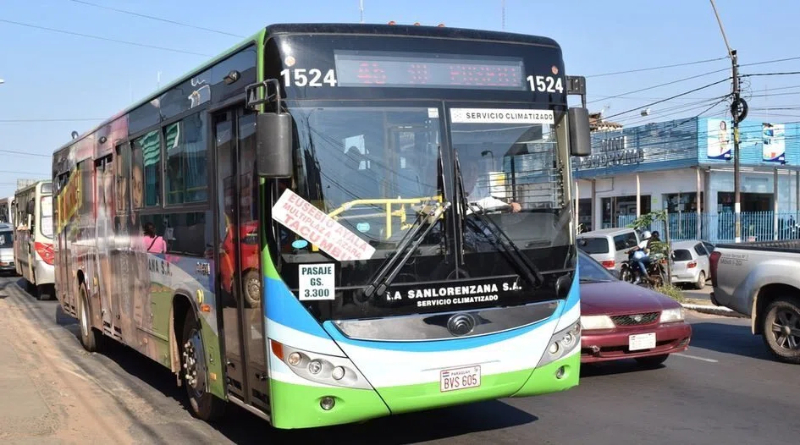
Most fleets still rely on diesel-powered city and intercity buses operated by private companies under public regulation. However, electric buses are starting to appear in Asunción's metropolitan system, supplied by specialized bus manufacturers and suppliers.
The government approved a law to incentivize electric transport and plans to add about 1,000 electric buses by acquiring roughly 200 units per year. This creates stable demand for bus manufacturers and suppliers able to provide electric vehicles, charging equipment, and technical support.
Taiwan's Master Transportation is delivering the first 30 electric buses and planning a local factory, positioning itself among key bus manufacturers and suppliers. Chinese brands already active elsewhere in Latin America, such as Yutong and BYD, also serve as reference bus manufacturers and suppliers for potential Paraguayan projects.
Operators should analyze lifecycle costs, after-sales service, spare parts availability, and compatibility with local routes and climate. Working with experienced bus manufacturers and suppliers that understand electric bus deployment, charging needs, and regulatory requirements reduces operational risk.
Electric buses typically have higher upfront costs but lower energy and maintenance expenses compared to diesel units. With government incentives and carefully designed routes, bus manufacturers and suppliers can help cities achieve competitive total cost of ownership while reducing emissions.
1. https://asunciontimes.com/paraguay-news/local-news/electric-buses-to-join-asuncions-public-transport-system/
2. https://www.electrive.com/2024/07/23/first-electric-bus-fleet-set-to-launch-in-paraguay/
3. https://reglobal.org/electromobility-in-paraguay-introducing-1000-electric-buses-by-2027/
4. https://simonsparaguay.com/travelling-around-paraguay-by-bus/
5. https://www.sustainable-bus.com/electric-bus/paraguay-electric-buses-master-transportation-taiwan/
6. https://dialogue.earth/en/climate/36128-chinese-electric-buses-rollout-across-latin-america/


