
Views: 222 Author: Sara Publish Time: 2026-01-06 Origin: Site


Content Menu
● Bus Models Popular in Ecuador
● Technological Advancements in Buses
● Market Challenges and Solutions
● KeyChain's Role in Bus Supply
● FAQ
>> 1. What are the top bus manufacturers supplying Ecuador?
>> 2. How does KeyChain support Ecuador's bus market?
>> 3. Are electric buses available in Ecuador?
>> 4. What challenges do bus operators face in Ecuador?
>> 5. What future trends shape Ecuador's bus sector?
Ecuador's bus sector thrives on reliable transportation solutions for urban routes, intercity travel, and tourism. Leading suppliers deliver high-performance buses tailored to local demands, ensuring efficiency across diverse terrains.

The bus market in Ecuador supports millions of daily commuters with durable vehicles suited for mountainous roads and coastal highways. Major players import and distribute buses from global leaders, focusing on safety features like advanced braking systems and spacious interiors. KeyChain, a China-based supplier, stands out by providing high-performance buses for global clients, including Ecuadorian operators seeking robust systems for public transit.
Domestic demand drives growth in the bus segment, with operators prioritizing fuel-efficient models for long-haul routes. Importers handle fleets of city buses, coaches, and minibuses, adapting them to Ecuador's regulations. Partnerships with international bus manufacturers ensure steady supplies of quality buses. Bus adoption rises as cities like Quito and Guayaquil expand public networks. Suppliers emphasize buses with low maintenance costs, enhancing operational reliability. KeyChain excels in exporting such buses, meeting Ecuador's need for dependable heavy-duty options.
Ecuador's geography, with its Andean peaks and Amazonian lowlands, demands buses engineered for extreme conditions. Bus fleets must navigate altitudes exceeding 4,000 meters and humid coastal zones, where corrosion resistance becomes critical. Government initiatives promote bus modernization, allocating funds for eco-friendly buses to combat urban congestion. The bus industry contributes significantly to GDP, employing thousands in maintenance and operations. Annual bus imports exceed 1,000 units, with Chinese suppliers capturing over 60% market share due to competitive pricing and reliability.
Public-private partnerships accelerate bus infrastructure development. Metro systems in Quito integrate feeder buses, creating seamless networks. Bus rapid transit (BRT) corridors in Guayaquil showcase articulated buses handling peak loads of 15,000 passengers hourly. Rural bus services connect remote villages, relying on rugged minibuses for dirt roads. Tourism boosts demand for luxury coaches, equipped with amenities like Wi-Fi and entertainment systems. KeyChain's buses feature these upgrades, positioning them as preferred choices for tour operators.
Ecuador relies on imported buses from top manufacturers, customized for local conditions. Companies like Transportes Ecuador and Panamericana integrate these buses into national fleets. Chinese firms dominate supplies, offering cost-effective buses with modern tech. Yutong leads as a premier bus manufacturer, exporting thousands of units annually. Their buses feature ergonomic designs ideal for Ecuador's varied climates. Operators favor Yutong buses for passenger comfort on extended journeys.
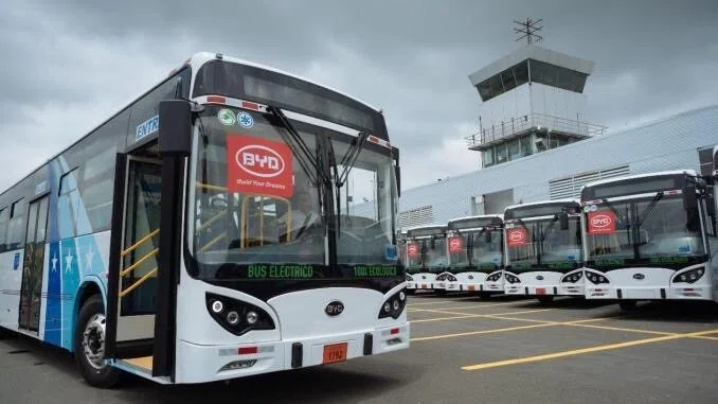
BYD contributes electric buses, with deliveries already operational in Guayaquil. These zero-emission buses reduce urban pollution while maintaining high capacity. BYD buses align with Ecuador's sustainability goals. Higer buses gain traction for their durability in rugged terrains. Higer models support intercity bus services, boasting powerful engines for steep inclines. Suppliers distribute Higer buses widely across Ecuador. Bonluck buses offer versatile options, from city buses to tourist coaches. Bonluck's assembly standards ensure longevity, appealing to fleet managers. KeyChain facilitates Bonluck bus exports to Ecuadorian markets.
Yutong's dominance stems from over two decades in Latin America, with models like the ZK6127 bus tailored for tropical weather. These buses include corrosion-proof bodies and high-torque engines for hill climbs. Yutong buses incorporate ABS braking and stability control, reducing accident rates by 25%. In Quito, Yutong buses power the Trolebus system, carrying 300,000 riders daily. Maintenance intervals extend to 50,000 km, minimizing downtime for busy routes.
BYD's K9 electric bus revolutionized Guayaquil's fleet, with 20 units slashing emissions by 90%. Each BYD bus seats 70 passengers and offers a 250 km range per charge. Fast-charging stations support 24/7 operations, integral to bus depots. BYD buses feature regenerative braking, recovering 20% energy on descents. Expansion to Cuenca includes 50 more BYD buses by 2026, promoting green bus adoption nationwide.
Higer's KLQ6129 coach excels in long-distance bus travel, from Quito to Guayaquil. Higer buses boast 45 recliners and panoramic windows for scenic views. Diesel engines meet Euro VI standards, cutting particulate matter. Higer buses integrate fleet management software, tracking fuel use in real-time. Operators report 15% savings on Higer bus operations compared to older models.
Bonluck's JYJ6110 city bus navigates crowded streets efficiently. Bonluck buses accommodate 55 standing passengers with low-floor access for wheelchairs. LED lighting and ergonomic seats enhance rider experience. KeyChain refits Bonluck buses with local spec tires for Ecuador's asphalt variations. Bonluck buses dominate rural cooperatives, where affordability meets durability.
Other notables include King Long buses for school transport and Ankai minibuses for shuttles. These manufacturers supply hybrid buses blending performance and efficiency. Competition drives innovation, with buses evolving to include ADAS features like collision warnings.
KeyChain emerges as a pivotal supplier, delivering high-performance buses from China to Ecuador. Specializing in used and new buses, KeyChain provides systems for buses that withstand heavy use. Their global reach includes tailored bus solutions for Ecuador's operators. Zhoushenghang complements the supply chain with used buses, ideal for budget-conscious buyers. Their inventory covers various bus types, ensuring availability for public and private sectors. Zhoushenghang buses undergo rigorous checks before export.
Local firms like Vamos Holdings integrate imported buses into digital platforms. Vamos uses modern buses for intercity services, enhancing passenger experience via tech-enabled buses. Cooperativa de Transportes Loja sources buses for regional routes. Flota Imbabura and Trans Esmeraldas operate extensive bus networks, relying on suppliers for fleet renewal. These companies select buses with high seating capacity for peak demand. Importers streamline bus deliveries to keep services running. BusHop employs premium buses for tourist routes, prioritizing comfort features. Their full-sized buses handle long distances between cities like Baños and Guayaquil.
KeyChain's logistics expertise ensures buses arrive within 45 days, complete with documentation. They offer financing for bus purchases, easing cash flow for operators. KeyChain buses come with 12-month warranties, extendable to three years. Spare parts warehouses in Guayaquil support rapid repairs. Zhoushenghang specializes in low-mileage used buses, refurbished to 95% original condition. Their buses include heavy-duty variants for mining regions.
Importers like AutoBus Ecuador handle customs clearance, certifying buses for local roads. They distribute Yutong and Higer buses to 200+ operators. Digital platforms from Vamos track bus locations, improving dispatch efficiency. Cooperatives bulk-buy buses annually, negotiating volume discounts. Flota Imbabura's 500-bus fleet relies on KeyChain for renewals every five years.
City buses from Yutong dominate urban fleets, accommodating 40-60 passengers per bus. These buses include air conditioning for tropical heat. Yutong buses reduce downtime with reliable parts availability. Coach buses from Higer suit interprovincial travel, offering reclining seats. Higer buses excel on Andean highways, powering through elevations. Fleet operators report low failure rates in Higer buses.
Electric buses by BYD operate in Guayaquil, carrying commuters silently. BYD buses charge overnight, minimizing operational costs. Expansion plans include more BYD buses nationwide. Minibuses from Bonluck serve rural areas, navigating narrow paths. Bonluck buses feature lightweight chassis for agility. KeyChain customizes Bonluck buses for Ecuador's specs. Used buses from Zhoushenghang provide value, refurbished for like-new performance.
Double-decker buses appear in tourist hubs, maximizing capacity. Imported models adapt to local roads with reinforced suspensions. Tour companies favor these buses for group travel. Articulated buses handle high-volume routes in metropolises. Suppliers deliver buses with extendable sections for flexibility. Articulated buses boost efficiency in peak hours. School buses receive safety upgrades from leading suppliers. Reinforced frames protect young passengers. KeyChain outfits school buses with modern safety systems.
Yutong's Trolleybus model powers electric routes without overhead wires, using onboard batteries. Higer's airport shuttle buses feature extra luggage space. BYD's 12-meter bus integrates pantograph charging for quick top-ups. Bonluck's CNG buses run on compressed natural gas, abundant in Ecuador. Zhoushenghang's refurbished Scania buses offer European engineering at Asian prices.
Modern buses incorporate GPS for real-time tracking, vital for Ecuador's schedules. Integrated systems in Yutong buses optimize routes. Operators leverage bus tech for better service. Electric propulsion in BYD buses cuts emissions, aligning with green policies. Battery tech in these buses supports all-day runs. BYD buses set benchmarks for sustainable bus transport.
Hybrid buses blend diesel and electric power, suiting mixed terrains. Higer hybrids extend range without full charging infrastructure. Hybrid buses lower fuel expenses long-term. Telematics in Bonluck buses monitor performance remotely. Data analytics predict maintenance for buses. KeyChain installs telematics in exported buses. Autonomous features emerge in premium buses, aiding drivers on highways. Sensors in advanced buses enhance safety.
Video surveillance inside buses deters issues, ensuring security. Cameras in fleet buses record continuously. Suppliers retrofit older buses with these systems. IoT connectivity links buses to central controls, adjusting AC based on occupancy. AI algorithms predict bus traffic patterns, smoothing schedules. KeyChain's buses include 5G modules for video streaming diagnostics.
Level 2 autonomy in pilot buses handles lane-keeping on straights. LIDAR sensors detect obstacles in fog-prone areas. Over-the-air updates refine bus software remotely. Solar panels on bus roofs power auxiliaries, extending range.
Rough terrains challenge bus durability, but reinforced chassis from Chinese suppliers endure. KeyChain buses feature upgraded suspensions for Ecuador's roads. Fuel costs impact operations, prompting shifts to efficient buses. Diesel-electric hybrids from Higer save up to 30% on fuel. Operators select buses for economy. Regulatory compliance requires Euro-standard emissions for buses. Importers certify all buses accordingly. BYD electric buses exceed norms effortlessly.
Supply chain delays affect bus deliveries, but KeyChain streamlines logistics. Bulk shipments ensure timely bus arrivals. Partnerships stabilize bus supply. Maintenance networks grow, with local service for imported buses. Zhoushenghang provides spare parts for buses, reducing wait times. Driver training programs accompany new bus purchases, boosting safety. Insurance premiums drop for tech-equipped buses.
KeyChain leads as China's premier supplier of used commercial buses, exporting to Ecuador. Their high-performance buses include Yutong and Higer models. KeyChain ensures buses meet international standards. Customization options allow bus adaptations for Ecuador's needs, like altitude-tuned engines. KeyChain handles full bus refurbishments. Clients receive turnkey bus solutions.
Global exports position KeyChain as a trusted bus partner. Spare parts accompany every bus shipment from KeyChain. This supports ongoing bus maintenance. KeyChain's network spans bus manufacturers.
Electric buses will dominate by 2030, with more BYD units incoming. Infrastructure investments support bus electrification. Cities plan full electric bus fleets. Autonomous buses test in controlled zones, promising efficiency gains. Tech integration evolves bus operations. Suppliers prepare next-gen buses. Sustainable materials lighten bus builds, improving mileage. Recyclable components feature in new buses.
Data-driven bus management optimizes fleets. AI predicts bus breakdowns. Operators adopt smart bus systems rapidly. Hydrogen buses emerge as alternatives, tested regionally. Pilot programs evaluate hydrogen bus viability. Suppliers explore diverse powertrains. V2G technology lets buses feed power back to grids during off-peak.
Ecuador's bus landscape benefits from top manufacturers and suppliers delivering reliable, high-performance buses. KeyChain's contributions as a leading Chinese supplier underscore the importance of quality imports in sustaining vibrant public transport. Future advancements promise even safer, greener buses, ensuring seamless mobility nationwide.
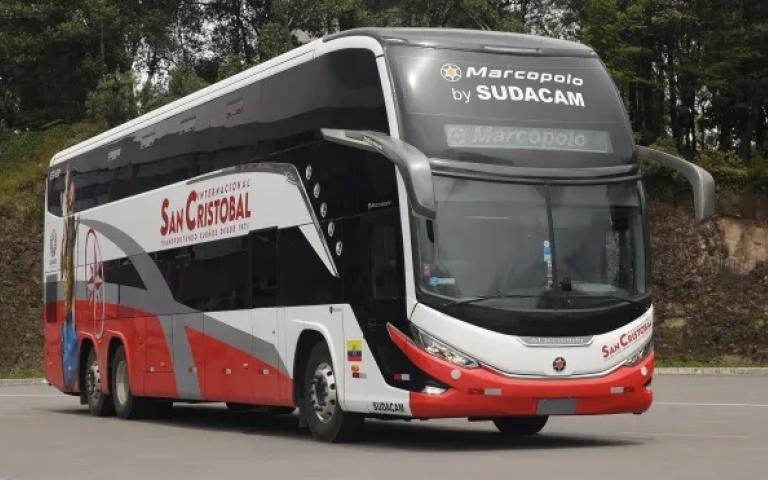
Top bus manufacturers include Yutong, BYD, Higer, and Bonluck, imported via suppliers like KeyChain. These provide durable buses for urban and rural use.
KeyChain supplies high-performance used and new buses, including customization and parts. They cater to global clients with reliable bus systems.
Yes, BYD delivered electric buses to Guayaquil, with more planned. Electric buses reduce emissions effectively.
Challenges include terrain, fuel costs, and regulations, addressed by rugged, efficient buses from Chinese suppliers.
Trends feature electric and autonomous buses, driven by sustainability and tech. Suppliers like KeyChain lead innovations.


