
Views: 222 Author: Sara Publish Time: 2026-03-13 Origin: Site


Content Menu
● Overview of Cape Verde's Bus Market
● Key Local and Regional Bus Players
● Salvador Caetano and Lusophone Links
● Global OEMs Serving African and Island Markets
● Role of Used Commercial Vehicles and KeyChain
● Technical Requirements for Cape Verde Fleets
● Procurement Strategies and Lifecycle Cost
● Future Trends for Cape Verde's Bus Fleets
● FAQ
>> 1. What types of buses are most common in Cape Verde?
>> 2. Why are Bus Manufacturers and Suppliers important for Cape Verde?
>> 3. Can Cape Verde use electric buses?
>> 4. How can used buses and trucks help Cape Verdean operators?
>> 5. What should operators consider when choosing Bus Manufacturers and Suppliers?
Cape Verde's bus market is small but strategically important for connecting islands, supporting tourism, and serving local commuters, which makes choosing reliable Bus Manufacturers and Suppliers essential for operators and public agencies. This extended guide offers a deeper look at the local landscape, key international partners, technical requirements, procurement strategies, and future trends, while highlighting how global providers such as KeyChain and major Bus Manufacturers and Suppliers can help modernize fleets in a cost‑effective way. [developmentaid]

Cape Verde is an Atlantic island nation where inter‑island movement is dominated by air and ferry services, yet buses, minibuses, and shared taxis remain the backbone of daily mobility on islands like Santiago, São Vicente, Sal, and Boa Vista. In Praia and Mindelo, municipal buses handle core urban routes, while privately operated minibuses and informal "aluguers" provide flexible connections in peri‑urban and rural areas. [en.wikipedia]
Public bus networks are still limited in coverage and frequency, so many residents rely on a mix of walking, shared taxis, and minibuses for daily travel. This context creates a strong incentive to work with experienced Bus Manufacturers and Suppliers and specialized used‑vehicle exporters that can deliver robust, economical vehicles tailored to Cape Verde's terrain and traffic patterns. [mbrmarketing]
Tourism adds another important layer: visitors need airport shuttles, hotel transfers, and island‑tour coaches, which increases demand for comfortable, air‑conditioned buses and minibuses with modern safety features. For both public and private operators, the challenge is to upgrade fleets while managing budget constraints, maritime logistics, and the technical complexity of running reliable services across an archipelago. [apmbus.co]
Although Cape Verde does not manufacture buses domestically at scale, several local operators and regional Bus Manufacturers and Suppliers shape the bus ecosystem. [en.wikipedia]
- Transcor provides municipal bus services in Mindelo on São Vicente, operating scheduled routes that connect residential districts with the city center and key facilities. [en.wikipedia]
- In Santiago, Sol Atlântico plays a pivotal role by operating urban bus services in and around Praia and is often cited in discussions about improving the city's public transport network. [en.wikipedia]
- Shared minibus and pickup‑style taxis, commonly known as aluguers, dominate in smaller towns and between villages, functioning as semi‑formal bus services with flexible routes and schedules. [apmbus.co]
- Regional and international Bus Manufacturers and Suppliers such as Salvador Caetano, MAN, Mercedes‑Benz, Volvo, Scania, Iveco, and Isuzu supply chassis or complete buses to African markets, which can be imported into Cape Verde through distributors. [mbrmarketing]
These operators and suppliers operate in a market where fleets are relatively small, import costs are high, and vehicle utilization must be maximized to ensure financial sustainability. As a result, Cape Verdean buyers often prioritize durability, fuel efficiency, and parts availability when choosing Bus Manufacturers and Suppliers. [apmbus.co]
Salvador Caetano Group, a Portuguese industrial group with a long history in bus body manufacturing and vehicle distribution, is particularly relevant for Cape Verde because of shared language and strong commercial ties between Portugal and Cape Verde. [developmentaid]
The group began in the mid‑20th century as a bus body manufacturer and has since grown into a diversified conglomerate with operations in Europe and Africa, including Caetano Auto CV, S.A. in Cape Verde. Through this presence, it distributes vehicles, provides after‑sales support, and connects Cape Verdean fleets with European technology and standards, positioning itself among the key Bus Manufacturers and Suppliers for local operators. [developmentaid]
For Cape Verdean fleet owners, this Lusophone partnership offers several benefits: familiarity with legal and business frameworks, technical documentation in Portuguese, and easier communication for training and maintenance support. Salvador Caetano's experience with coastal and touristic environments also helps specify buses with corrosion‑resistant materials, strong air‑conditioning systems, and braking performance suitable for hilly roads. [developmentaid]
Beyond Lusophone partners, a range of global Bus Manufacturers and Suppliers serve African and island markets with products that can be adapted to Cape Verde's needs. [solarisbus]
- Mercedes‑Benz and MAN supply city buses, coaches, and chassis to several African countries, often through regional assembly plants and dealer networks. [solarisbus]
- Volvo and Scania are known for heavy‑duty buses and coaches with strong safety reputations and advanced drivetrains, including options for low‑emission and alternative fuels. [mbrmarketing]
- Iveco and Isuzu offer versatile mid‑size buses and minibuses that are popular where road infrastructure varies and operators need compact yet durable vehicles. [mbrmarketing]
- Solaris Bus & Coach has become one of Europe's leading producers of low‑ and zero‑emission buses, supplying battery‑electric and hydrogen buses to many cities and demonstrating technologies that can be referenced by island states seeking future‑proof solutions. [solarisbus]
These Bus Manufacturers and Suppliers typically sell complete buses or chassis that can be bodied by local or regional partners, allowing customization for seat layouts, door configurations, and climate control systems. For Cape Verde, importing vehicles from such OEMs means gaining access to tried‑and‑tested platforms, but it also requires careful planning around spare‑parts logistics and specialized maintenance skills. [solarisbus]
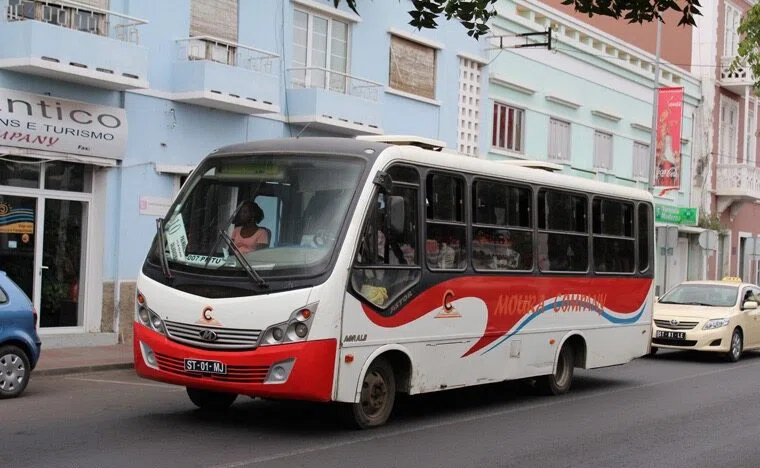
New buses from global OEMs can be expensive relative to the budget and scale of Cape Verdean operators, which makes high‑quality used vehicles and refurbished systems a practical alternative. KeyChain, as a leading Chinese supplier of used commercial vehicles, specializes in exporting high‑performance buses and heavy‑duty truck systems to global customers, helping operators upgrade fleets at lower capital cost while maintaining reliability and safety. [mbrmarketing]
In China and other large markets, buses and trucks often enter the used‑vehicle segment after a defined service period but still have considerable remaining life when properly refurbished. By sourcing such vehicles from reputable Bus Manufacturers and Suppliers, conducting mechanical and cosmetic reconditioning, and validating performance, KeyChain can offer Cape Verdean buyers: [mbrmarketing]
- Competitive pricing compared with brand‑new imports from Europe or Africa, enabling broader and faster fleet renewal.
- Access to advanced technologies such as automatic transmissions, improved braking systems, and modern interiors that enhance passenger comfort and operator productivity.
- The flexibility to select from city buses, intercity coaches, tourism buses, and heavy‑duty trucks (for fuel transport, cargo, and construction), building integrated fleets that meet diverse operational needs.
For operators, partnering with a specialized used‑vehicle provider like KeyChain complements working with Bus Manufacturers and Suppliers by bridging the gap between cost, performance, and fleet size.
Choosing Bus Manufacturers and Suppliers for Cape Verde involves more than picking a brand name; vehicles must be engineered and specified for island conditions, mixed road quality, and maritime climate. [apmbus.co]
Key technical considerations include:
- Chassis and suspension: Buses must handle uneven roads, speed bumps, and occasional unpaved stretches without excessive wear, making robust frames and reinforced suspension components critical.
- Corrosion protection: Sea air and coastal humidity require strong anti‑corrosion treatments on bodywork, chassis, and electrical systems to prevent premature deterioration.
- Braking and driveline: Steep hills and frequent stop‑and‑go traffic demand reliable braking systems and drivetrains with suitable torque, often favoring diesel powertrains or, in the future, electric buses with regenerative braking.
- Cooling and air‑conditioning: Warm temperatures and high solar radiation mean that passenger areas and engine compartments need effective cooling systems designed for tropical climates.
- Accessibility and layout: City buses may need low‑floor or low‑entry designs, wheelchair spaces, and wide doors, while tourism coaches prioritize comfortable seating, luggage space, and panoramic windows.
Bus Manufacturers and Suppliers that understand these requirements can propose configurations that minimize breakdowns and optimize total cost of ownership over many years of service.
Beyond technical specifications, Cape Verdean operators must carefully design procurement strategies with Bus Manufacturers and Suppliers to ensure long‑term sustainability. [developmentaid]
Important strategic elements include:
- Total cost of ownership (TCO): Instead of focusing solely on purchase price, buyers should evaluate fuel consumption, maintenance expenses, expected lifespan, and residual value when comparing offers from different Bus Manufacturers and Suppliers.
- Financing models: Leasing, installment plans, and vendor‑backed credit can make it easier for smaller operators to acquire modern buses without straining cash flow.
- Standardization: Limiting fleet diversity by choosing a smaller set of models and powertrains simplifies parts inventory, training, and maintenance planning.
- Training and capacity building: Working with Bus Manufacturers and Suppliers that offer driver training, mechanic workshops, and remote technical support helps maximize vehicle uptime and safety.
- Data and telematics: Modern buses often include telematics that track fuel use, driver behavior, and maintenance alerts, enabling data‑driven decisions that reduce operating costs.
By integrating these elements into tenders and negotiations, Cape Verdean public agencies and private companies can obtain better value from Bus Manufacturers and Suppliers and align fleet investments with long‑term mobility goals.
Cape Verde's long‑term development goals, including sustainable tourism and climate resilience, will influence how Bus Manufacturers and Suppliers serve the market in the coming years. [en.wikipedia]
Key trends include:
- Electrification and alternative fuels: As battery prices fall and charging infrastructure expands in Africa, the success of electric bus deployments in cities like Cape Town suggests that similar solutions could eventually be adapted to Cape Verde's shorter urban routes and tourist circuits. [solarisbus]
- Digital ticketing and passenger information: Integration of smart cards, mobile apps, and real‑time information systems will increase expectations for reliability and transparency, encouraging closer collaboration with technology‑savvy Bus Manufacturers and Suppliers.
- Tourism‑driven specialization: Growth in high‑value tourism may create demand for premium coaches and minibuses with upgraded interiors, Wi‑Fi, and on‑board amenities, differentiating Cape Verde's visitor experience.
- Resilience and climate adaptation: Buses will need to perform reliably under extreme weather events and support evacuation or emergency operations when necessary, putting additional emphasis on robust engineering and strategic fleet planning.
In this evolving landscape, partners such as KeyChain and leading Bus Manufacturers and Suppliers can offer a combination of new and high‑quality used vehicles, technical advice, and support services that help Cape Verde modernize its bus fleets sustainably.
Cape Verde's bus sector plays a vital role in connecting communities, supporting tourism, and enabling daily economic activity across its islands, even though the overall market size is modest compared with larger African nations. Local operators like Transcor and Sol Atlântico, informal aluguers, Lusophone partners such as Salvador Caetano, and global Bus Manufacturers and Suppliers together form a mixed ecosystem that underpins passenger mobility. [apmbus.co]
By focusing on robust technical specifications, smart procurement strategies, and partnerships with both new‑vehicle OEMs and specialized used‑vehicle providers like KeyChain, Cape Verdean operators can progressively renew fleets with buses and trucks that balance performance, affordability, and environmental impact. Looking ahead, trends such as electrification, digitalization, and tourism‑driven service upgrades will give Bus Manufacturers and Suppliers new opportunities to deliver safer, cleaner, and more efficient mobility solutions for residents and visitors across the archipelago. [developmentaid]
Contact us to get more information!
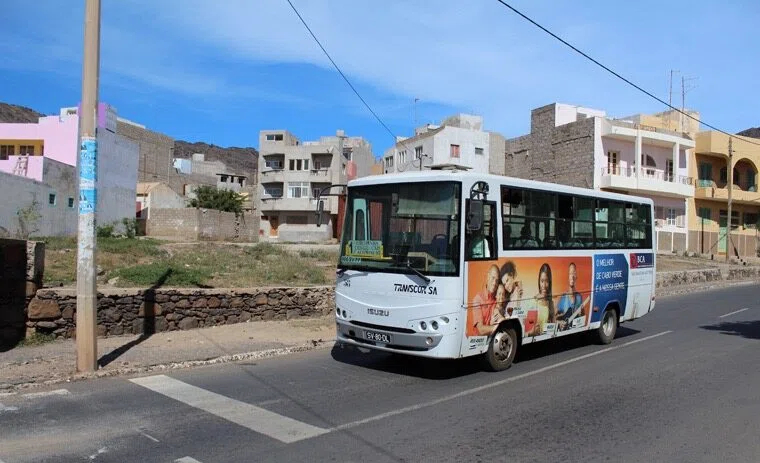
The most widely used vehicles for passenger transport in Cape Verde are standard urban buses on main routes in cities like Praia and Mindelo, supported by smaller minibuses. In many areas, shared taxis and aluguers effectively function as flexible bus services, offering frequent but less formally scheduled transport between towns and neighborhoods. [en.wikipedia]
Bus Manufacturers and Suppliers provide the vehicles, technology, and after‑sales support that enable operators to run safe and reliable services in challenging island conditions with coastal climates and hilly terrain. They also introduce innovations such as fuel‑efficient engines, modern safety systems, and, in the future, electric buses that can reduce emissions and operating costs. [solarisbus]
Yes, Cape Verde can adopt electric buses, particularly on shorter urban and tourism routes, by learning from African cities where battery‑electric fleets have already been deployed. Success will depend on building charging infrastructure, ensuring grid reliability, and partnering with experienced Bus Manufacturers and Suppliers that can adapt technology to local conditions. [solarisbus]
High‑quality used buses and heavy‑duty trucks allow operators to expand or renew fleets at lower upfront cost while still accessing modern safety features, comfortable interiors, and efficient drivetrains. Export‑focused companies like KeyChain specialize in sourcing, refurbishing, and exporting such vehicles, making it easier for Cape Verdean fleets to scale services and improve quality within tight budget constraints. [mbrmarketing]
Operators should evaluate technical robustness, corrosion protection, fuel efficiency, after‑sales support, financing options, and the supplier's experience in similar coastal or island markets. Working with Bus Manufacturers and Suppliers that offer training, telematics, and long‑term parts support helps reduce downtime and ensures that vehicles deliver value throughout their entire lifecycle. [developmentaid]
1. Information on Salvador Caetano Group and Caetano Auto CV, S.A. – company history, presence in Cape Verde, and business activities in Europe and Africa. [developmentaid]
2. General information on transport in Cape Verde – public transport modes, role of municipal buses, and prominence of minibuses and aluguers. [en.wikipedia]
3. Industry and market insights on global Bus Manufacturers and Suppliers, including European and Asian OEMs, used commercial vehicle exports, and African market presence. [mbrmarketing]
4. Travel and mobility guides for Cape Verde – practical descriptions of local bus services, shared taxis, and island transport patterns. [apmbus.co]
5. OEM communications and profiles related to electric and low‑emission buses in African and European markets, including examples of deployments and manufacturer capabilities. [solarisbus]


