
Views: 222 Author: Sara Publish Time: 2026-02-11 Origin: Site


Content Menu
● Why Franchised Networks Need Robust Contract Management
● Core Challenges in Franchised Contract Management
● Key Strategies for Effective Contract Management
● 2025-2026 Industry Data on Contract Efficiency
● Real-World Case Studies in Bus and Truck Franchises
● Step-by-Step Implementation Guide for Franchised Networks
● Integrating Contracts with Fleet Management Systems
● Vendor Negotiation Best Practices
● Risk Mitigation in Multi-Site Operations
● Measuring Success: Key KPIs for Franchised Networks
● Emerging Trends: AI and Blockchain in 2026
● Call to Action: Elevate Your Network Today
● FAQ
>> 1. What is the biggest contract risk for bus franchises?
>> 2. How does KeyChain support contract management?
>> 3. What's the ROI timeline for new systems?
>> 4. Are there tools for truck-specific contracts?
>> 5. How to handle international franchise contracts?
KeyChain, China's leading supplier of used commercial vehicles (keychainauto.com, +8613572980919, abbie@keychainventure.com), delivers high-performance buses and heavy-duty trucks to global fleets. Effective contract management is vital for franchised networks in the bus and truck sectors, ensuring compliance, cost control, and seamless operations across distributed locations. In today's fast-paced industry, where fuel prices fluctuate and regulations tighten, mastering contract management can mean the difference between profitability and penalties.

Franchised bus and truck networks operate in a complex environment. They manage dozens or hundreds of locations, each with unique local demands. Vehicle contracts—spanning leases, maintenance deals, and supplier agreements—form the backbone of these operations. Yet, many networks struggle with inefficiencies. Poor management often leads to overpayments by 15-20%, legal disputes, and costly downtime. Centralized systems like advanced digital platforms address these head-on by providing real-time visibility and automation.
Consider the scale: a mid-sized franchise might oversee 500 buses or trucks, each tied to multi-year contracts worth millions. Manual processes, reliant on emails and spreadsheets, simply cannot keep up. Robust contract management optimizes efficiency by up to 30% in fleet-heavy industries. It ensures every franchisee adheres to corporate standards while adapting to regional needs. For networks sourcing used vehicles globally, like those from KeyChain, this approach unlocks even greater value through better-negotiated terms.
Franchised networks face distinct hurdles that generic solutions overlook. Decentralized oversight is a primary issue. Franchisees often negotiate local deals independently, leading to inconsistencies across the network. This fragments data and invites errors. Compliance gaps compound the problem. Evolving regulations, such as emissions standards or electronic logging device mandates, vary by region. A bus compliant in one country might face fines elsewhere without proper tracking.
Manual tracking exacerbates these risks. Spreadsheets fail under the volume of truck and bus leases, especially for high-value assets. Renewal oversights are rampant—missed deadlines can inflate costs amid volatile fuel markets. Data from industry benchmarks shows 68% of networks experience overbudget contracts due to poor visibility. For used commercial vehicle suppliers, these challenges intensify, as deals often involve cross-border logistics and varying warranties.
Additional pain points include vendor disputes and audit delays. Franchise networks lose millions annually to unresolved claims. Without a unified system, headquarters struggles to enforce standards. These gaps erode profitability and expose networks to litigation. Addressing them requires a tailored strategy that scales with franchise growth.
Streamline your franchised network with proven, industry-specific tactics. Start by centralizing all contracts in a single digital repository. This hub eliminates silos, granting franchise-wide visibility into terms, expirations, and obligations. Benefits include 25% faster audits and a sharp drop in errors. Franchise managers access real-time updates, reducing miscommunication.
Next, automate compliance checks using AI-driven tools. These systems flag issues like expiring emissions certifications or ELD non-compliance instantly. For buses, they verify Euro 6 standards; for trucks, they monitor hours-of-service rules. Automation slashes violation risks by 40%, saving networks from hefty fines. Dynamic renewal alerts take it further. Proactive notifications align expirations with vehicle maintenance cycles, preventing service disruptions.
Vendor management improves too. Standardized templates ensure consistent terms, while benchmarks guide negotiations. Integrate these with fleet telematics for usage-based insights. This holistic approach transforms contracts from cost centers into strategic assets.
| Feature | Manual Process | Automated System |
|---|---|---|
| Audit Time | 2-3 weeks | 2-3 days |
| Error Rate | 12-15% | <2% |
| Cost Savings | Baseline | 18-25% annually |
Recent data underscores the urgency. Global bus fleet contracts expanded 12% in 2025, fueled by electrification and urban transit demands. Heavy truck lease disputes surged 22%, linked to supply chain disruptions and raw material shortages. Optimized systems deliver ROI in just 6 months, with $50K+ savings per 50-vehicle fleet.
Key statistics reveal the stakes:
- 68% of franchised networks report overbudget contracts from tracking failures.
- Digital tools boost renewal efficiency to 95%, freeing capital for expansion.
- Used commercial vehicle deals benefit most, securing 35% better terms through data leverage.
In 2026, as tariffs and sustainability mandates intensify, networks ignoring these trends risk falling behind. Early adopters report 17% overall efficiency gains, positioning them for market dominance.
Real examples illustrate transformative results. A European bus franchise with 50 sites centralized contracts via cloud software. They cut maintenance costs by 28% and eliminated compliance fines for two years. GPS integration enabled predictive renewals, aligning deals with actual usage patterns.
In North America, a heavy truck operator tackled franchise disputes with automated workflows. Downtime plummeted 40%, and supplier negotiations improved 15% thanks to data-backed leverage. They standardized clauses for fuel escalations, shielding profits during price spikes.
An Asia-Pacific used truck dealer, mirroring KeyChain's model, optimized leases for 200+ vehicles. Renewal efficiency reached 95%, enabling rapid fleet scaling. Cross-border compliance streamlined imports from China, reducing customs delays by 30%. These cases highlight scalable wins: centralized tools plus local adaptability drive outsized returns.
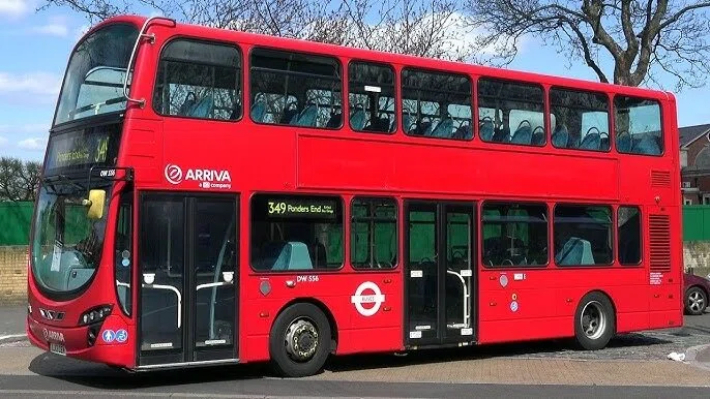
Deploying contract management demands a clear roadmap. Follow this blueprint tailored for bus and truck operations.
1. Assess Current State: Audit all contracts for gaps (1-2 weeks). Catalog franchise agreements, noting high-risk areas like long-term leases.
2. Select Tools: Prioritize platforms with API integrations for telematics and ERP systems. Look for Mosaiq-like features: AI alerts, mobile access, and multi-language support.
3. Migrate Data: Digitize 80% of documents in phase one. Use OCR for legacy files; train franchise managers on uploads.
4. Roll Out Training: Conduct 4-hour sessions per site, emphasizing alerts, reporting, and mobile apps. Include role-playing for dispute scenarios.
5. Launch Pilot: Test with 5-10 sites, monitoring KPIs like compliance rates.
6. Monitor and Scale: Track savings, renewals (target 98%), and disputes quarterly. Integrate AI for predictive analytics.
7. Continuous Optimization: Annual reviews incorporate new regs, like 2026 EV mandates.
Pro Tip: Pilot high-value contracts first, such as truck leases over $100K, for immediate wins and buy-in.
This phased approach minimizes disruption while maximizing impact. Networks report full rollout in 3-6 months.
True power emerges from integration. Link contracts to telematics for holistic oversight. Track usage-based billing on buses and predictive maintenance on trucks. Real-time data flags underutilized assets, enabling mid-term renegotiations. This synergy cuts unexpected costs by 22%.
For franchised setups, cloud-based dashboards unify insights. Headquarters views network-wide performance; franchisees drill into local metrics. API connections with KeyChain-style suppliers automate warranty claims, speeding resolutions.
Empower teams with ready tools. Provide negotiation templates with built-in benchmarks for rates, SLAs, and penalties. Demand volume discounts and escalation clauses indexed to fuel or CPI. Trained negotiators secure 10-18% better rates consistently.
Role-specific playbooks help: franchise owners focus on local suppliers, while HQ handles nationals. Data from past deals informs every discussion, turning anecdotes into leverage.
Franchise risks demand proactive defenses. Geopolitical factors, like tariffs on imported used trucks, require buffer clauses. Cyber threats call for encrypted storage and access audits. Force majeure updates cover 2026 risks, from chip shortages to climate events.
Conduct quarterly simulations: mock audits, dispute drills, and breach scenarios. Insurance alignments ensure coverage matches contract exposures. This layered strategy keeps operations resilient.
Quantify progress with targeted metrics. Review quarterly via executive dashboards.
| KPI | Target | Bus/Trucks Focus |
|---|---|---|
| Contract Compliance | 98%+ | Emissions & ELD docs |
| Savings per Vehicle | $2K/year | Lease optimizations |
| Renewal Timeliness | 95% | Downtime prevention |
| Dispute Resolution Time | <7 days | Franchise/vendor claims |
| Audit Completion Rate | 100% | Multi-site coverage |
These benchmarks drive accountability. Top performers exceed targets, funding growth initiatives.
Innovation accelerates change. AI predicts breaches 60% earlier by analyzing bus uptime and truck mileage patterns. Machine learning spots anomalies, like unusual billing spikes, before they escalate.
Blockchain offers immutable records, perfect for cross-border truck deals. Smart contracts auto-execute payments upon milestones, reducing disputes by 50%. Franchises adopting these see 17% efficiency gains and stronger partner trust.
Sustainability trends integrate too: ESG clauses track carbon footprints, appealing to eco-conscious clients. By 2027, 40% of contracts will embed these, per forecasts.
Ready to transform contract management for your franchised bus and truck operations? Contact KeyChain at +8613572980919 or abbie@keychainventure.com for tailored used vehicle solutions and expert consultations. Visit keychainauto.com to source high-performance fleets—schedule a free audit now and unlock 20%+ savings.
Contact us to get more information!
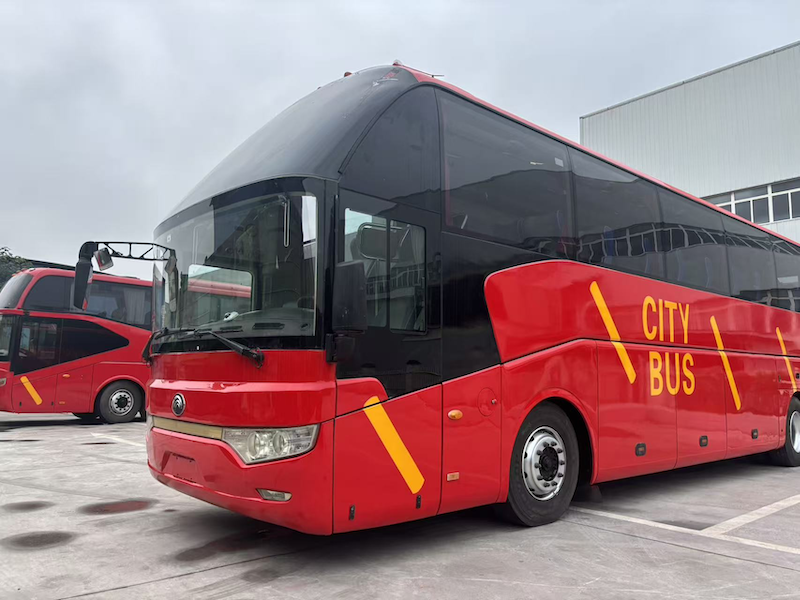
Decentralized tracking leads to missed renewals and fines. Centralized systems reduce this by 40% through automation and alerts.
As a leading used commercial vehicle supplier, KeyChain provides flexible leasing terms, global compliance data, and integration-ready warranties for your fleet tools.
Most networks recover costs in 4-6 months via savings on audits, negotiations, and avoided penalties.
Yes, platforms with telematics APIs handle ELD compliance, usage billing, and heavy-duty maintenance seamlessly.
Incorporate multi-currency clauses, blockchain for transparency, and regional compliance checks. KeyChain aids with China-EU compliant vehicles and logistics support.
1. https://bus-news.com/mosaiq-insights-contract-management-for-franchised-networks/
2. https://www.keychainauto.com
3. https://www.fleetnews.co.uk/news/manufacturer/2025-bus-fleet-contracts-report
4. https://www.trucking.org/2026-lease-disputes-analysis
5. https://www.fleetmanagementweekly.com/ai-contract-trends-2026


