
Views: 222 Author: Sara Publish Time: 2026-03-05 Origin: Site


Content Menu
● Overview of Burundi's Bus Market
● Structure of Bus Manufacturers And Suppliers in Burundi
>> Local Operators and Fleet Owners
>>> OTRACO – State‑Owned Operator
>> Regional Logistics and Procurement Companies
>>> Habari Logistics and Great Lakes Logistics
>>> International Logistics Groups
● International Bus Manufacturers And Suppliers to Burundi
>> Japanese and Gulf Suppliers
>> Chinese Bus Manufacturers And Suppliers
>> European and African Bus Manufacturers And Suppliers
● KeyChain – A Leading Chinese Supplier for Burundi and Global Markets
>> Product Portfolio for African Clients
>> Customization and After‑Sales Support
● Market Challenges for Bus Manufacturers And Suppliers in Burundi
>> Fuel Shortages and Price Spikes
>> Maintenance, Roads, and Taxes
>> Financing and Fleet Renewal
● Future Trends for Bus Manufacturers And Suppliers in Burundi
>> Regional Electrification and Green Mobility
>> Local Assembly and Regional Value Chains
>> Digital Ticketing and Fleet Management
● Practical Guidance for Choosing Bus Manufacturers And Suppliers in Burundi
>> Example – Working with KeyChain
● FAQ
>> 1. Who are the main Bus Manufacturers And Suppliers serving Burundi?
>> 2. Why are used buses from China and Japan so common in Burundi?
>> 3. How does KeyChain support Burundian buyers as Bus Manufacturers And Suppliers?
>> 4. What role do logistics companies play between Burundi and Bus Manufacturers And Suppliers?
>> 5. Are electric buses from global Bus Manufacturers And Suppliers realistic for Burundi?
Burundi's bus transport sector is small but strategically important for national mobility, trade, and regional integration. Bus Manufacturers And Suppliers that can deliver durable, cost‑effective vehicles play a crucial role in keeping passengers and goods moving despite infrastructure and fuel challenges. [bus-planet]

Burundi is a landlocked East African country whose hilly terrain and limited rail infrastructure make road transport the backbone of mobility. Public transport in the capital Bujumbura and provincial towns depends largely on buses and minibuses operated by a mix of state‑owned and private companies. [bus-planet]
This busy terminal scene illustrates how minibuses dominate daily public transport, with long queues of passengers and tightly scheduled departures. In practice, the market is supplied by a mosaic of Bus Manufacturers And Suppliers spread across Japan, China, the Middle East, and regional African hubs, with almost all buses imported as new or used vehicles. [bus-planet]
The absence of a local bus manufacturing industry means Burundi relies on international Bus Manufacturers And Suppliers for chassis, complete buses, spare parts, and heavy trucks used for logistics. This external dependence creates both vulnerabilities—such as exposure to currency swings—and opportunities for specialized exporters like KeyChain that understand African operating environments. [keychainauto]
The ecosystem of Bus Manufacturers And Suppliers serving Burundi can be divided into three broad groups: local operators, regional logistics and fleet managers, and global OEMs and exporters that supply vehicles into the market. [bus-planet]
Most buses seen on Burundian roads are owned not by manufacturers but by local operators and small fleet owners who purchase vehicles from Bus Manufacturers And Suppliers abroad and then run them on domestic routes. [bus-planet]
OTRACO is Burundi's national bus company, historically tasked with providing affordable transport around the country. Reports indicate that while OTRACO once owned close to a hundred buses, only a fraction are operational today due to maintenance and funding constraints. [bus-planet]
Images of crashed or broken‑down OTRACO buses highlight the tough conditions faced by fleets operating on steep, poorly maintained roads, and the importance of robust designs from Bus Manufacturers And Suppliers. As OTRACO struggles with capital investment, it increasingly depends on imports of used or reconditioned buses rather than new flagship models. [bus-planet]
Private minibus operators fill the gap left by limited state capacity, especially in Bujumbura and core inter‑urban corridors. The most common vehicles are Toyota Coasters and similar mid‑size buses, typically imported second‑hand from Japan or the Gulf via established Bus Manufacturers And Suppliers and trading houses. [wits.worldbank]
Minibuses like this Coaster‑type vehicle are favored because they balance passenger capacity, maneuverability on narrow roads, and relatively low fuel consumption, which is vital in a country frequently hit by fuel shortages. These operators rarely buy directly from OEM Bus Manufacturers And Suppliers and instead rely on brokers, regional traders, and logistics companies to source vehicles and spare parts. [bus-planet]
While Burundi has no large domestic Bus Manufacturers And Suppliers, it does host logistics and procurement firms that import and manage fleets for NGOs, businesses, and sometimes public entities. [habarilogistics]
Habari Logistics, active across the Great Lakes region, supports procurement, transport, and fleet operations for humanitarian missions, mining, and construction projects. It arranges cross‑border road freight and, in many cases, works as an intermediary between global Bus Manufacturers And Suppliers and end users in Burundi, handling customs, last‑mile delivery, and sometimes maintenance. [habarilogistics]
Great Lakes Logistics Burundi focuses on road freight, using trucks and trailers to move goods between Burundi, Tanzania, Rwanda, and the DRC. While its core business is heavy cargo, many of the same suppliers that provide trucks also provide bus chassis and parts, making logistics companies important connectors between Bus Manufacturers And Suppliers and local fleets. [greatlakeslogistics-bu]
Global logistics brands like Bolloré (now operating under the MSC‑linked group) have a presence in Burundi and nearby ports, coordinating shipments of vehicles and spare parts. For large public or donor‑funded tenders, these companies help structure deals with major Bus Manufacturers And Suppliers and ensure that vehicles and components reach Burundi safely via Dar es Salaam or Mombasa. [developmentaid]
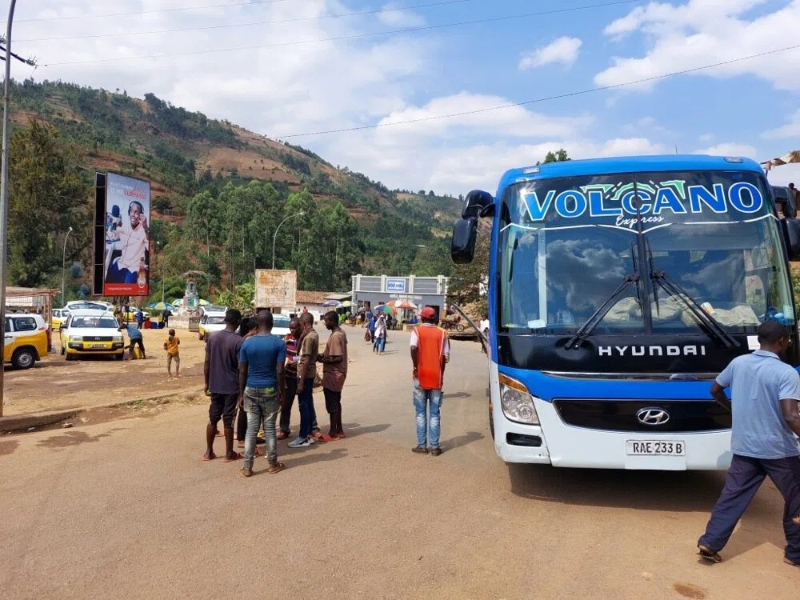
Because Burundi lacks a domestic bus production base, international Bus Manufacturers And Suppliers dominate the supply of both complete buses and donors of used vehicles. [bus-planet]
Trade statistics show that in 2018 Burundi imported bus vehicles (with more than nine seats) worth around 563,000 USD, with Japan providing roughly 252,000 USD and the United Arab Emirates about 185,000 USD of that total. Japan's long‑established used‑vehicle export industry sends buses such as Toyota Coaster, Nissan Civilian, and Mitsubishi Rosa through regional hubs toward Burundi. [wits.worldbank]
Many exporters based in Dubai and Sharjah re‑export Japanese or Korean buses into East Africa, acting as Bus Manufacturers And Suppliers for Burundian traders who fly in to inspect and buy used vehicles. These units are then driven or shipped to Dar es Salaam and onward to Burundi, where they are adapted to local needs by adding extra seats or roof racks. [bus-planet]
China has become an increasingly important source of both new and used buses for African markets, and Burundi is gradually seeing more Chinese brands and chassis appear on its roads. Large manufacturers such as Yutong, King Long, Golden Dragon, and BYD export thousands of buses annually to African cities, often through concessional financing and turnkey contracts. [focac]
Although Burundi has not yet rolled out large electric bus fleets, regional trends in Rwanda and Kenya show that Chinese Bus Manufacturers And Suppliers are pushing electric and low‑emission buses in East Africa. Chinese‑built electric buses operating in Kigali demonstrate the viability of these vehicles in similar terrain and climate, offering a roadmap for future adoption in Burundi once charging and grid capacity improve. [linkedin]
Sinotruk, a leading Chinese producer of heavy trucks under the Howo brand, also serves Burundian clients through a dedicated country page and regional dealers. While primarily focused on trucks, Sinotruk's ecosystem—spare parts, service, financing—helps create an enabling environment for other Chinese Bus Manufacturers And Suppliers to sell buses into the same market. [cnhtcgroup]
Burundi's historical ties and regional integration also bring vehicles from European brands—often as used imports via neighboring countries. Buses originally delivered to Kenya, Tanzania, or Uganda may be sold on after several years of service, providing Burundi with relatively modern vehicles at lower prices. [bus-planet]
African Bus Manufacturers And Suppliers, especially assemblers in Kenya, Uganda, and Rwanda, may export small numbers of built‑up buses or kits to Burundi. As the region's bus rapid transit (BRT) and intercity networks grow, these regional suppliers could become more prominent in Burundi's fleet renewal strategies. [linkedin]
KeyChain is one of China's leading suppliers of used commercial vehicles, including buses and heavy trucks, serving customers across Africa, the Middle East, and other emerging markets. For a country like Burundi, where budgets are tight and operating conditions are harsh, KeyChain's model—high‑quality used and reconditioned vehicles—offers an attractive alternative to brand‑new units. [keychainauto]
KeyChain focuses on providing:
- Used large and medium buses from mainstream Bus Manufacturers And Suppliers such as Yutong, King Long, and Golden Dragon, inspected and refurbished before export. [keychainauto]
- High‑performance city buses and intercity coaches suitable for long‑distance routes between Bujumbura and border towns.
- Heavy‑duty trucks, dump trucks, semi‑trailers, and tractor units that complement public transport by supporting construction and logistics projects. [keychainventure]
By specializing in used stock from reputable Chinese Bus Manufacturers And Suppliers, KeyChain can offer price reductions that often reach 40–60 percent compared with equivalent new vehicles, while still delivering robust performance for 5–10 more years of service under African conditions. This value proposition is crucial for operators in Burundi who face fluctuating fuel prices and limited access to long‑term financing. [focusonafrica]
KeyChain works with clients to configure seating layouts, luggage space, suspension, and cooling systems according to local needs, an important differentiator among Bus Manufacturers And Suppliers. For hilly countries like Burundi, this might include stronger braking systems, reinforced chassis, and additional engine cooling capacity to handle steep gradients and slow traffic. [bus-planet]
In addition, KeyChain coordinates the shipment of spare parts and can recommend local partners for maintenance, helping reduce downtime when vehicles enter service in Burundi and neighboring states. This approach allows smaller Burundian operators—who may lack in‑house engineering teams—to benefit from the expertise of a large international Bus Manufacturers And Suppliers network. [keychainauto]
Promotional images of trucks and keyrings symbolize KeyChain's focus on heavy trucks and buses as integrated fleet solutions for international customers. [keychainauto]
Despite demand for quality buses, Burundi presents a challenging operating environment for Bus Manufacturers And Suppliers and local fleet owners alike.
Persistent fuel shortages and steep price increases have triggered repeated collapses or severe disruptions to public transport services. Reports describe long lines at stations, a flourishing black market, and prices up to five times higher than official pump rates, which squeeze margins for bus operators and limit their ability to invest in newer vehicles from Bus Manufacturers And Suppliers. [focusonafrica]
When bus companies cannot reliably access fuel, they reduce routes or park part of their fleet, leaving passengers stranded and undermining revenue streams that are needed to repay vehicle loans. This situation forces operators to prioritize fuel‑efficient buses and modern engines, creating an opportunity for Bus Manufacturers And Suppliers that can deliver low‑consumption or alternative‑fuel models. [focac]
Harsh road conditions, especially in rural provinces, put constant stress on suspensions, frames, and drivetrains, leading to higher maintenance costs. Inadequate workshops and a shortage of trained mechanics increase downtime for imported buses and elevate the importance of robust designs and ready access to spare parts from Bus Manufacturers And Suppliers. [bus-planet]
Industry associations in Burundi have also voiced concerns about transport‑related taxes and fees, arguing that high charges on operators already struggling with fuel and maintenance are unsustainable. Calls for tax relief, better road maintenance, and more predictable fuel supply policies all influence how and when local companies can invest in new buses or trucks from Bus Manufacturers And Suppliers. [focusonafrica]
Most Burundian operators are small and family‑run, making it difficult to secure long‑term financing in foreign currency for vehicle imports. As a result, fleet renewal cycles are long and buses often remain in service beyond their economically optimal lifespan, with aging fleets depending more heavily on replacement parts and improvisation. [bus-planet]
Bus Manufacturers And Suppliers that offer flexible payment terms, lease‑to‑own options, or partnerships with development finance institutions are better placed to succeed in this market. Chinese suppliers like KeyChain, which can package multiple vehicles into a single competitively priced shipment, help smaller buyers reach economies of scale and reduce per‑unit logistics costs. [keychainauto]
Although the current situation is challenging, several trends could reshape opportunities for Bus Manufacturers And Suppliers in Burundi.
East Africa is emerging as a testbed for electric buses, with Chinese‑built electric buses already operating in Rwanda and Kenya under pilot and commercial schemes. In Kigali, Chinese manufacturers supply battery‑electric buses that have won over passengers thanks to quieter rides and reduced emissions, supported by local financing and charging infrastructure partnerships. [focac]
Companies like BasiGo plan to deploy hundreds or even thousands of electric buses across East Africa, relying heavily on partnerships with global Bus Manufacturers And Suppliers and battery technology firms. While Burundi has yet to announce large‑scale electric bus projects, its integration with the East African Community and similar environmental challenges suggest it could later adopt such solutions, opening a niche for suppliers of compact EV buses that can handle mountainous routes. [linkedin]
Some Bus Manufacturers And Suppliers, particularly Chinese firms like Yutong, have explored or established KD (knocked‑down) assembly plants in African countries to reduce costs and meet local content requirements. Over time, Burundi might benefit indirectly by importing buses assembled in neighboring countries rather than fully built units from Asia or Europe, lowering tariffs and shipping costs. [yunnuovehicle]
This regionalization of production could create more standardized fleets across East Africa, simplifying maintenance, training, and spare‑parts supply for Bus Manufacturers And Suppliers and operators alike. In this scenario, suppliers like KeyChain could specialize in feeding high‑quality used units into the secondary market while OEMs cover flagship and electric models. [keychainauto]
As digital ticketing and GPS‑based fleet management spread through African public transport systems, Bus Manufacturers And Suppliers may increasingly integrate telematics hardware, cashless payment interfaces, and data dashboards directly into new vehicles. Such technologies allow operators in Burundi to optimize routes, reduce fuel waste, and monitor driver behavior even when fleets are relatively small. [habarilogistics]
By offering ready‑to‑deploy hardware and software bundles, Bus Manufacturers And Suppliers can differentiate themselves and support donors or municipalities seeking to modernize Burundi's urban transport networks. [linkedin]
Operators, NGOs, and government bodies in Burundi looking to grow or renew their fleets should consider several criteria when evaluating Bus Manufacturers And Suppliers. [bus-planet]
- Technical robustness: Can the vehicles handle steep, unpaved roads, high passenger loads, and variable fuel quality?
- Total cost of ownership: Beyond purchase price, what are fuel consumption, maintenance costs, and spare‑part availability over 5–10 years? [bus-planet]
- After‑sales service: Does the supplier have local or regional partners who can provide training, diagnostics, and quick access to parts? [keychainauto]
- Financing options: Are credit terms, leasing, or donor co‑financing available for orders from Bus Manufacturers And Suppliers? [linkedin]
- Environmental performance: For donors and cities targeting low emissions, can the supplier provide Euro IV/VI, CNG, hybrid, or electric buses? [focac]
For a Burundian operator aiming to expand its fleet of 30–50‑seat buses, working with KeyChain might involve:
1. Defining capacity needs, operating terrain, and fuel constraints.
2. Selecting from a pool of reconditioned buses from mainstream Chinese Bus Manufacturers And Suppliers (for example, Yutong or King Long), optimized for African roads. [keychainauto]
3. Agreeing on refurbishment standards, seat layouts, and accessories like luggage racks or on‑board Wi‑Fi. [keychainauto]
4. Planning shipment via Dar es Salaam and arranging customs clearance and inland transport with a regional logistics partner. [habarilogistics]
5. Setting up a parts and service plan to ensure at least 90–95 percent fleet availability once buses enter service. [habarilogistics]
This kind of integrated approach allows Bus Manufacturers And Suppliers and local operators to align vehicle specifications with Burundi's challenging real‑world conditions while keeping budgets under control.
Burundi's bus sector is shaped by its geography, economic constraints, and dependence on imported vehicles, creating a complex but promising landscape for Bus Manufacturers And Suppliers. Local operators, from the state‑owned OTRACO to numerous minibus owners, rely on a global web of suppliers in Japan, China, the Gulf, and neighboring African states to keep passengers moving. [bus-planet]
Chinese Bus Manufacturers And Suppliers, including major OEMs and specialized exporters like KeyChain, are increasingly prominent by offering durable, high‑value buses and heavy trucks tailored to African conditions. At the same time, fuel shortages, limited financing, and poor roads mean that only suppliers providing robust designs, strong after‑sales support, and flexible financing can succeed over the long term. [focusonafrica]
Looking ahead, trends such as electric buses, regional assembly plants, and digital fleet management will open new opportunities for Bus Manufacturers And Suppliers that are ready to innovate. For Burundian stakeholders seeking to modernize their fleets, partnering with experienced global suppliers—particularly those with proven track records in challenging African environments—will be essential to building a more reliable, efficient, and sustainable transport system. [keychainauto]
Contact us to get more information!
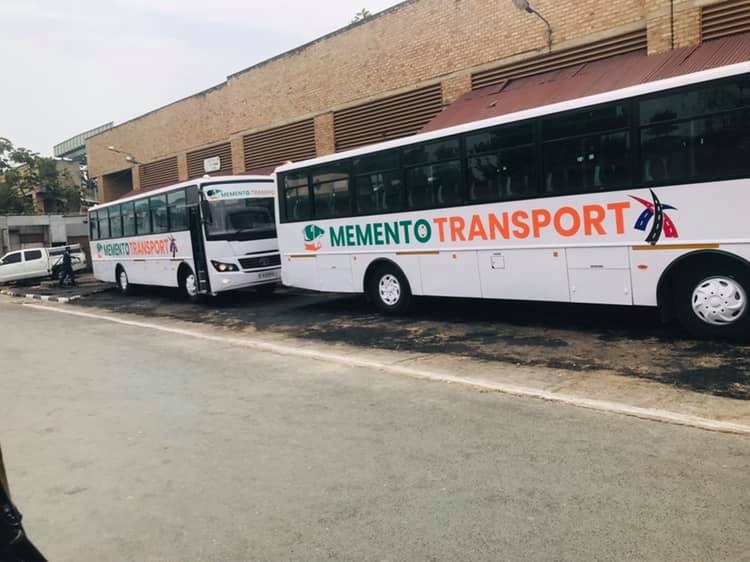
Burundi is primarily served by international Bus Manufacturers And Suppliers from Japan, China, and the Gulf, who export new and used buses via regional hubs. Local operators and logistics companies act as the bridge between these suppliers and end users such as OTRACO, private minibus owners, and NGOs. [bus-planet]
Used buses from China and Japan offer a balance of affordability and durability that fits Burundi's budget constraints and rough roads. Export‑focused Bus Manufacturers And Suppliers and traders in Asia refurbish vehicles and then sell them at a fraction of the cost of new models, making them accessible to small operators. [bus-planet]
KeyChain sources, refurbishes, and exports used buses and heavy trucks from China to clients worldwide, including African markets similar to Burundi. It offers tailored configurations, consolidated shipments, and spare‑parts support, helping local operators overcome financing and technical challenges. [keychainauto]
Logistics companies such as Habari Logistics, Great Lakes Logistics, and international freight forwarders coordinate transport, customs, and sometimes fleet management for imported buses and trucks. They allow Bus Manufacturers And Suppliers to serve Burundi even without a direct physical presence by acting as on‑the‑ground facilitators and service partners. [habarilogistics]
Electric buses are already operating in nearby Rwanda and Kenya, mainly supplied by Chinese Bus Manufacturers And Suppliers working with local partners. While Burundi currently lacks the charging infrastructure and financing packages needed for large‑scale deployment, regional experience suggests that pilot projects and future adoption are plausible as its energy and transport policies evolve. [focac]
1. Habari Logistics – Burundi operations and services: https://www.habarilogistics.com/burundi/ [habarilogistics]
2. Great Lakes Logistics Burundi – Road freight services: https://www.greatlakeslogistics-bu.bi/node/42 [greatlakeslogistics-bu]
3. Focus on Africa – Burundi public transport collapses amid price hikes and fuel crisis: https://www.focusonafrica.info/burundi-public-transport-collapses-amid-price-hikes-and-fuel-crisis/ [focusonafrica]
4. LinkedIn – Top 5 Most Innovative Bus Transportation Companies in Africa: https://www.linkedin.com/pulse/top-5-most-innovative-bus-transportation-companies-africa-utuk-qgyse [linkedin]
5. Bus‑Planet – Buses in Burundi: https://www.bus-planet.com/bus/bus-africa/Burundi-site/index.html [bus-planet]
6. Sinotruk – Burundi information (Howo trucks and services): https://www.cnhtcgroup.com/burundi/ [cnhtcgroup]
7. KeyChain Auto – Wholesale dump truck and semi‑trailer supplier (used commercial vehicles): https://www.keychainauto.com [keychainauto]
8. DevelopmentAid – Bolloré Transport & Logistics Burundi S.A.: https://www.developmentaid.org/organizations/view/230394/bollore-transport-logistics-burundi-sa [developmentaid]
9. FOCAC – Feature on Chinese‑built electric buses in Rwanda: http://www.focac.org/eng/zfgx_4/jmhz/202403/t20240327_11271438.htm [focac]
10. World Bank WITS – Burundi imports of buses with seating capacity of more than nine: https://wits.worldbank.org/trade/comtrade/en/country/BDI/year/2018/tradeflow/Imports/partner/ALL/product/870290 [wits.worldbank]
11. KeyChain Venture – Chinese supplier of trucks and semi‑trailers: https://www.keychainventure.com [keychainventure]
12. Yunnuo – Yutong used bus product details (example of Chinese used bus exports): https://www.yunnuovehicle.com/Yutong-Used-Bus-25-45-Seat-pd585204168.html [yunnuovehicle]
13. Example of promotional truck keychain product imagery: https://freshdi.com/product/Metal-Keychain-Business-Key-Chains-Truck-Metal-Used-Kettlebell-Keychain
14. Image of overturned OTRACO bus in Burundi: https://www.focusonafrica.info/burundi-public-transport-collapses-amid-price-hikes-and-fuel-crisis/
15. Public bus terminal photograph in Burundi: https://www.focusonafrica.info/burundi-public-transport-collapses-amid-price-hikes-and-fuel-crisis/


