
Views: 222 Author: Sara Publish Time: 2026-02-26 Origin: Site


Content Menu
● Botswana's Bus Market Overview
● Leading International Brands Present in Botswana
>> Volvo Buses via Local Partners
>> Other Global Bus Manufacturers and Suppliers
● Local Body Builders and Component Suppliers
>> Tswana Bus Builders and Similar Companies
● Spare Parts and Support Partners
>> Wholesale Bus Spare Parts Providers
>> Service Workshops and Independent Garages
● Role of Chinese Bus Manufacturers and Suppliers
>> Full‑Range Commercial Vehicle Partners
>> Cooperation with Local and Regional Dealers
● Used Bus and Heavy Truck Sourcing for Botswana
>> Professional Used Bus Exporters
● Service, Maintenance, and Lifecycle Support
● Digitalization and Smart Fleet Management
● Sustainability and Future Technologies
● How International Suppliers Support Botswana Operators
● Media‑Rich Content Strategy for Bus Buyers
● How to Choose Bus Manufacturers and Suppliers for Botswana
● Practical Steps for Working with Bus Manufacturers and Suppliers
● FAQs
>> 1. How do I choose Bus Manufacturers and Suppliers for Botswana?
>> 2. Are Chinese Bus Manufacturers and Suppliers suitable for Botswana fleets?
>> 3. Why are spare‑parts partners important when working with Bus Manufacturers and Suppliers?
>> 4. Can used buses from international Bus Manufacturers and Suppliers be a good option in Botswana?
>> 5. What role do local body builders play alongside global Bus Manufacturers and Suppliers?
Bus Manufacturers and Suppliers in Botswana play a vital role in connecting cities, rural communities, mines, and cross‑border corridors across Southern Africa. For global buyers, fleet operators, and project contractors, understanding the local ecosystem of Bus Manufacturers and Suppliers is essential to building a reliable and cost‑effective passenger transport network.

Botswana's transport sector relies heavily on road‑based passenger services, from intercity coaches and commuter fleets to staff shuttles and school buses. Local Bus Manufacturers and Suppliers work closely with international brands and regional dealers to provide complete solutions including vehicles, chassis, body building, spare parts, and after‑sales support.
Key characteristics of the Botswana market include:
- Strong demand for intercity and cross‑border coaches serving routes into South Africa, Namibia, and Zimbabwe.
- Growing need for modern, fuel‑efficient buses for urban and mining staff transport.
- Importance of dependable Bus Manufacturers and Suppliers that can deliver both new and used units plus long‑term servicing.
- Increasing focus on safety, emissions performance, and passenger comfort as regulatory standards and customer expectations evolve.
- Opportunities for public–private partnerships, where Bus Manufacturers and Suppliers cooperate with government agencies on long‑term fleet renewal plans.
Because Botswana is land‑linked and depends heavily on road transport, strategic collaboration with Bus Manufacturers and Suppliers directly influences national mobility, trade flows, and tourism development.
International brands dominate many high‑capacity fleets in Botswana, supported by authorized dealers and technical partners. These Bus Manufacturers and Suppliers combine global engineering standards with local parts and service coverage.
Volvo Buses is globally recognized for premium city, intercity, and coach platforms operating in many countries worldwide. In Botswana, Volvo's presence is typically channeled through regional or local dealer networks that provide both sales and after‑sales service for operators.
Key points about this type of partnership include:
- Supply of bus chassis such as medium‑duty and heavy‑duty models widely used for urban and intercity applications thanks to comfort, fuel efficiency, and reliability.
- High‑power coach platforms suitable for long‑distance and premium intercity services across Southern Africa.
- Emphasis on uptime, safety technologies, and genuine parts availability through a structured service network.
- Integration of digital tools for fleet monitoring, maintenance planning, and driver coaching.
This arrangement is attractive for operators who want global‑brand engineering with local technical backup from established Bus Manufacturers and Suppliers in Botswana and neighboring countries.
Botswana operators also work with a range of other international Bus Manufacturers and Suppliers, including European, Asian, and regional African brands. These may provide:
- Complete city buses and articulated units for high‑capacity routes.
- School and staff buses optimized for durability and simple maintenance.
- Tourism and safari‑oriented coaches with high ground clearance and enhanced visibility.
By diversifying portfolios across multiple Bus Manufacturers and Suppliers, large fleets can spread risk, optimize specifications for different routes, and negotiate better lifecycle terms.
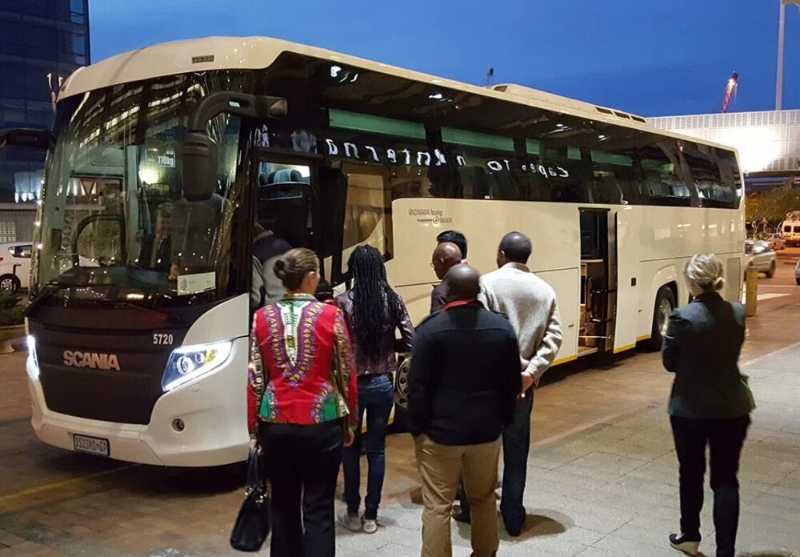
While chassis often come from global original equipment manufacturers, local firms customize bodies and supply parts to match Botswana's terrain, climate, and regulatory requirements. This synergy between international chassis and local body builders is central to how Bus Manufacturers and Suppliers create tailored fleets in the country.
Companies such as Tswana Bus Builders Limited are engaged in motor vehicle body and trailer manufacturing, including truck and bus bodies. Organizations in this segment integrate imported chassis with locally designed bodies that suit intercity and regional operations.
Typical contributions from such Bus Manufacturers and Suppliers include:
- Fabrication of bus bodies for coaches, staff buses, and school buses on a variety of chassis (European, Asian, or regional).
- Interior configuration, seating, luggage solutions, and climate control adapted for Botswana and cross‑border routes.
- Structural modifications, refurbishments, and custom builds for specialist fleets such as mining transport, tourism, and industrial shuttle services.
- Compliance with local regulations on emergency exits, signage, and safety equipment.
These local Bus Manufacturers and Suppliers help reduce lead times, simplify repairs, and ensure that fleets conform to regional preferences and regulations. They also provide employment and skills development opportunities within Botswana's manufacturing sector.
The strength of Bus Manufacturers and Suppliers is measured not only by the buses delivered, but also by the quality and availability of parts and service support. For fleets operating in Botswana's demanding environments, sourcing reliable components is critical.
Regional wholesalers focused on bus components have become key partners for Botswana operators, particularly for Asian brands. Specialized distributors supply:
- Bulk volumes of critical bus components such as engines, transmissions, braking systems, suspension parts, filters, and electrical items.
- Upgraded components and alternative brands that improve durability and reduce total cost of ownership.
- Logistics solutions to deliver parts quickly into Botswana from regional warehouses or directly from overseas factories.
- Technical matching support to ensure the right parts align with specific bus models and chassis codes.
By combining local dealers, regional wholesalers, and international factories, Bus Manufacturers and Suppliers keep Botswana fleets on the road with minimal downtime.
Alongside parts wholesalers, independent workshops and authorized service centers form another pillar of the ecosystem:
- Certified workshops handle warranty work, complex diagnostics, and major overhauls for specific brands.
- Independent garages focus on routine maintenance, brake servicing, body repairs, and refurbishment.
- Mobile service units support fleets operating in remote mining and rural areas.
Effective Bus Manufacturers and Suppliers build relationships with this entire service network to ensure that operators can access reliable support wherever their vehicles run.
Chinese Bus Manufacturers and Suppliers have become major contributors to African fleets, offering competitive pricing, comprehensive product ranges, and strong export experience. For Botswana operators, they supply complete buses, used units, components, and technical know‑how that support both expansion and fleet renewal.
Some Chinese firms specialize in buses and a wider portfolio of commercial vehicles, engineering vehicles, pickup trucks, and spare parts, emphasizing reliability and cost‑effectiveness. These Bus Manufacturers and Suppliers highlight their capability to design and deliver solutions tailored to different industries and operational profiles.
Typical value propositions include:
- One‑stop solutions covering passenger buses, trucks, construction vehicles, and associated parts.
- Flexible specifications for seating capacity, air‑conditioning, luggage compartments, powertrains, and driveline configurations.
- Export‑oriented support, including documentation, homologation advice, customs paperwork, and shipping coordination.
- Multi‑language sales and engineering teams that understand African market conditions.
This model allows Botswana buyers to combine local service partners with upstream Chinese Bus Manufacturers and Suppliers, creating a balanced mix of affordability, customization, and serviceability.
In many cases, Chinese Bus Manufacturers and Suppliers do not work in isolation; they form joint initiatives with:
- Local Botswana distributors who provide showroom space, demonstration units, and warranty handling.
- Regional partners in South Africa or Namibia that stock parts and offer training.
- Major corporate customers, such as mining companies and large transport operators, through framework supply agreements.
These partnerships help adapt vehicle specifications to Botswana's road conditions and make it easier for buyers to access parts and technical support.
In addition to new vehicles, used units are vital for cost‑sensitive transport companies, schools, churches, and small operators in Southern Africa. Professional Bus Manufacturers and Suppliers with secondary‑market expertise help buyers source quality used buses and heavy trucks that still deliver strong performance.
Chinese and international exporters that focus on used buses and trucks work with global clients and emphasize their industry experience, catalog depth, and technical evaluation processes. For Botswana buyers, these Bus Manufacturers and Suppliers can supply used coaches, city buses, and heavy‑duty trucks configured for regional operations.
Their services often include:
- Pre‑shipment inspections, mechanical checks, and basic reconditioning to ensure road‑ready condition of used vehicles.
- Transparent documentation, including technical specifications, service reports when available, and detailed visual descriptions.
- Guidance on matching vehicle models to intended use, such as long‑distance coach routes, mine staff transport, or urban shuttle operations.
- Flexible purchasing options, from single units for small operators to batch orders for fleet renewals.
By collaborating with experienced used‑vehicle Bus Manufacturers and Suppliers, Botswana operators can expand capacity quickly while controlling upfront capital expenditure.
Long‑term success in passenger transport depends on lifecycle support just as much as on the initial purchase. Leading Bus Manufacturers and Suppliers in and around Botswana emphasize structured maintenance, parts planning, and technical training.
Key aspects of lifecycle support include:
- Preventive maintenance programs based on mileage, operating environment, and duty cycle to avoid unexpected failures.
- Training for local technicians in diagnostics, component replacement, electrical systems, and safe repair procedures.
- Availability of technical documentation, digital parts catalogs, and remote support to troubleshoot complex issues.
- Overhaul and refurbishment programs that extend the useful life of chassis and bodies, improving residual values.
When Bus Manufacturers and Suppliers integrate these services into their offerings, fleet operators can extend vehicle lifespans, reduce breakdowns, and protect return on investment.
Digitalization is transforming how Bus Manufacturers and Suppliers interact with operators and how fleets are managed daily. Even in emerging markets, telematics and connected services are becoming more accessible.
Important digital trends include:
- Onboard telematics units that monitor fuel consumption, driving behavior, and vehicle health in real time.
- Fleet management platforms where operators can track vehicles, schedule maintenance, and analyze operating costs.
- Remote diagnostics and over‑the‑air software updates offered by advanced Bus Manufacturers and Suppliers for certain models.
- Data‑driven training programs that use real‑world driving data to improve driver performance and safety.
For Botswana fleets, adopting digital tools offered or supported by Bus Manufacturers and Suppliers can significantly improve operational efficiency and safety outcomes.
Sustainability is emerging as a key theme in the global bus industry, and Bus Manufacturers and Suppliers are gradually introducing cleaner technologies into African markets.
Developments that may shape Botswana's future bus fleets include:
- More fuel‑efficient diesel engines that comply with higher emissions standards and reduce operating costs.
- Exploration of compressed natural gas (CNG), hybrid systems, and, in the longer term, battery‑electric buses on selected routes.
- Lightweight body materials and aerodynamic designs to further reduce fuel consumption.
- Sustainable procurement criteria in public tenders that reward Bus Manufacturers and Suppliers for lower emissions and greener production methods.
While full electrification may take time due to infrastructure and cost constraints, Botswana operators can already benefit from the incremental improvements offered by modern Bus Manufacturers and Suppliers.
Global Bus Manufacturers and Suppliers often work through a dual‑layer model: local partners handle on‑the‑ground support, while central factories provide engineering, customization, and large‑volume supply. This structure is increasingly common for Chinese firms serving Africa from manufacturing hubs with dedicated export teams.
Typical support patterns include:
- Coordinated project delivery for corporate, governmental, and donor‑funded fleet procurements.
- Mixed fleets of city buses, coaches, and commercial vehicles configured under a common support framework.
- Medium‑term supply agreements that lock in pricing and availability for spare parts and replacement units.
- Joint training programs and knowledge transfer to strengthen local technical capacity.
For Botswana, this means fleet operators can collaborate with Bus Manufacturers and Suppliers that understand both local realities and global best practices.
Modern Bus Manufacturers and Suppliers increasingly use media‑rich content—detailed descriptions, feature breakdowns, and demonstration videos—to help international buyers assess vehicles remotely. For Botswana‑focused buyers, this approach simplifies evaluation before physical inspection or shipment.
An effective content package from Bus Manufacturers and Suppliers may include:
- Thorough written descriptions of exterior and interior features, seating layout, driver cockpit ergonomics, and luggage spaces.
- Demonstration clips that showcase engine start‑up, acceleration, braking, and maneuvering, combined with commentary on technical features.
- Visual documentation of maintenance points, safety systems, and optional equipment such as air‑conditioning and infotainment.
- Clear specifications sheets that summarize capacity, dimensions, performance figures, and compatible spare parts.
Such media‑rich catalogs increase transparency and confidence, especially when transactions involve used units or long‑distance exports into Botswana.
Selecting the right Bus Manufacturers and Suppliers for Botswana operations requires balancing cost, performance, and support. A structured evaluation helps buyers reduce risk and secure better long‑term value.
Key criteria to consider:
- Product range: Ability to supply city buses, coaches, staff buses, school buses, and related commercial vehicles that fit your routes and passenger profiles.
- After‑sales capacity: Presence of local or regional service partners, plus parts channels that can respond quickly to breakdowns or routine maintenance needs.
- Export and project experience: Proven record of delivering buses and trucks into African markets, handling documentation, and providing technical support.
- Total cost of ownership: Fuel efficiency, durability, maintenance requirements, and residual values across the vehicle lifecycle.
- Financing options: Support for leasing, installment plans, or export credit arrangements that make acquisitions more manageable.
- Alignment with your brand and passenger expectations: Comfort, safety features, and appearance consistent with the image you want to project.
By aligning these factors with your operational profile, you can build long‑term relationships with Bus Manufacturers and Suppliers that support sustainable growth in Botswana.
To turn strategy into action, fleet buyers can follow a simple step‑by‑step approach:
1. Define requirements
Document passenger volumes, route distances, road conditions, climate, and regulatory constraints. Translate this into target specifications for buses and trucks.
2. Shortlist Bus Manufacturers and Suppliers
Identify suppliers with relevant products, regional references, and the ability to support operations in Botswana or the surrounding region.
3. Request proposals and technical data
Ask each candidate to provide detailed specifications, lifecycle cost estimates, parts lists, and service commitments.
4. Evaluate lifecycle cost and risk
Compare purchase prices, expected fuel use, maintenance intervals, and resale prospects. Factor in the strength of the supplier's local partners and support network.
5. Conduct inspections and trials
Where possible, inspect vehicles in person, review demonstration materials, and conduct test runs or pilot projects on representative routes.
6. Negotiate contracts and warranties
Ensure contracts clearly define delivery schedules, warranty terms, parts availability, training, and performance guarantees.
7. Plan integration and training
Work with Bus Manufacturers and Suppliers to train drivers and technicians, set up maintenance schedules, and integrate any digital fleet management tools.
Following these steps can greatly improve the likelihood of a successful partnership and a reliable, efficient fleet.
Botswana's passenger transport landscape is supported by a blend of international brands, local body builders, regional parts wholesalers, and export‑oriented Bus Manufacturers and Suppliers. Global original equipment manufacturers provide proven chassis and advanced technologies, while Chinese Bus Manufacturers and Suppliers supply both new and used buses, trucks, and spare parts tailored to African conditions. Local companies contribute body building and customization expertise that align imported chassis with Botswana's regulatory and operational realities. For fleet operators and international buyers, partnering with reputable Bus Manufacturers and Suppliers that offer strong after‑sales support, transparent information, and solid project experience is essential to building reliable, efficient transport networks across Botswana and the wider region.
Start by analyzing your routes, passenger volumes, and operating environment, then look for Bus Manufacturers and Suppliers with proven experience in similar conditions. Compare their product range, after‑sales network, lifecycle costs, and financial terms, and always request references from existing customers in the region before making a decision.
Many Chinese Bus Manufacturers and Suppliers specialize in exporting buses, trucks, and components to African markets, including Botswana. They typically offer competitive pricing, broad product ranges, and flexible configurations, and when paired with reliable local partners they can deliver a cost‑effective, well‑supported solution for both new and used fleets.
Reliable spare‑parts availability ensures that buses spend more time in service and less time waiting in workshops. Working with Bus Manufacturers and Suppliers that maintain strong relationships with wholesalers and local distributors makes it easier to plan maintenance, control costs, and minimize downtime across your fleet.
Used buses from reputable exporters can be an efficient way to expand capacity or launch new services with lower upfront investment. The key is to work with Bus Manufacturers and Suppliers that provide thorough inspections, transparent reporting, and sufficient support so that vehicles arrive in good condition and can be maintained effectively throughout their remaining lifecycle.
Local body builders adapt imported chassis to regional requirements by designing and constructing bus bodies tailored to climate, road conditions, and passenger needs. Together with global Bus Manufacturers and Suppliers, they create complete vehicles that combine international engineering standards with locally optimized bodywork, ensuring that fleets are both practical and compliant in everyday Botswana operations.
1. https://botswana.nors.com/brands/volvo-buses/
2. https://www.vehiclebus.com/news/
3. https://chinaautomobilegroup.com/leading-bus-spare-parts-wholesale-in-botswana/
4. https://www.keychainauto.com/top-10-mini-bus-manufacturers-in-china.html
5. https://www.zoominfo.com/top-lists/top-manufacturing-car-companies-in-BW
6. https://www.vehiclebus.com
7. https://www.facebook.com/groups/269407190977842/posts/1201788221073063/
8. https://www.keychainventure.com/products/Used-Bus.html
9. https://www.dnb.com/business-directory/company-profiles.tswana_bus_builders_limited.509469a585e94e334d77d1dcdaf0b988.html
10. https://www.keychainventure.com/news/Top-Higer-Bus-Suppliers-China.html


