
Views: 222 Author: Sara Publish Time: 2026-02-28 Origin: Site


Content Menu
● National Express in the UK Intercity Travel Landscape
● What This Capacity Expansion Involves
>> 1 More Routes and Better Coverage
>> 2 Increased Service Frequency
>> 3 Night Services and Long‑Distance Options
● Fleet Expansion and On‑Board Upgrades
>> 1 New Coaches and Increased Seating Capacity
>> 2 Comfort and Interior Enhancements
>> 3 Digital Connectivity and Power
>> 1 More Choice and Flexibility
>> 2 Competitive Fares and Cost Savings
>> 3 Improved End‑to‑End Travel Experience
● Wider Impact on UK Transport and Sustainability
>> 1 Supporting the National Transport Network
>> 2 Environmental Considerations
● Market Trends: Why Demand for UK Intercity Coaches Is Growing
>> 1 Post‑Pandemic Recovery and Travel Behaviour Shifts
>> 2 Students and International Visitors as Core User Groups
● Coaches vs Trains: How Travellers Can Choose
● How to Plan an Efficient National Express Journey
>> Step 1: Define Your Start and End Points
>> Step 2: Check Routes and Timetables
>> Step 3: Compare Ticket Types and Flexibility
>> Step 4: Allow Adequate Transfer Time
>> Step 5: Prepare for the Journey
● Implications for Fleet Operators and the Commercial Vehicle Supply Chain
>> 1 Why Operators Are Investing in Fleet Upgrades
>> 2 The Growing Role of Second‑Life Vehicles
● How KeyChain Helps Global Operators Leverage These Trends
>> 1 High‑Quality Vehicle and System Sourcing
>> 2 Lifecycle Cost and Configuration Optimisation
>> 3 Cross‑Border Delivery and Support
● Who Should Pay Attention to the National Express Expansion?
>> 1 Passengers and Travellers
>> 2 Transport and Coach Operators
>> 3 Fleet Planners, Investors and Policy‑Makers
● Clear Call to Action for Fleet Operators
● FAQs
>> 1. What does the National Express capacity expansion mean for everyday travellers?
>> 2. Are coach tickets likely to become more expensive as services grow?
>> 3. How does coach travel compare with taking the train in terms of comfort and convenience?
>> 4. Is coach travel suitable for long journeys with large amounts of luggage?
National Express is significantly expanding its UK coach network capacity, adding more services, upgrading its fleet and improving the overall passenger journey across major intercity routes. This comprehensive guide explains what the expansion means for travellers, the wider transport system and fleet operators, and how to make the most of the growing coach network in the UK.

National Express is one of the largest and most recognisable intercity coach brands in the UK, operating an extensive national network that links major cities, regional hubs, airports and tourist destinations. Its coaches connect places that are sometimes underserved by rail, and often provide a cheaper and more flexible alternative for long‑distance journeys.
The company focuses on scheduled coach services with fixed routes and timetables, offering a mix of standard, express and overnight services. Typical passengers include students, tourists, business travellers and people commuting or visiting family between different parts of the country.
Compared with rail, intercity coaches frequently offer lower fares and more generous luggage allowances. They also play a crucial role when rail services are disrupted by strikes, engineering works or capacity constraints, providing essential backup connectivity for the UK transport network.
In its latest phase of growth, National Express is expanding capacity by improving route coverage across the UK. The expansion focuses on high‑demand corridors and growth areas, including:
- Enhancing services between London and major cities like Birmingham, Manchester, Liverpool and Leeds
- Strengthening links between regional cities and key hubs such as Bristol, Cardiff, Nottingham and Sheffield
- Improving access to airports and major tourist destinations, including coastal towns, historic cities and national parks
By refining and extending its network, National Express makes it easier for passengers to travel directly between more city pairs without multiple changes, and increases connectivity for communities that rely on coaches as their main intercity transport option.
A key part of the capacity boost comes from increased service frequency on busy routes. This includes:
- Shorter waiting times between departures on core corridors
- Additional peak‑time journeys during weekday rush hours and weekends
- Seasonal and event‑based extra services for festivals, sports events and holiday periods
More frequent departures give passengers greater flexibility to choose departure times that match work, study, events or flight schedules. It also reduces pressure on the busiest journeys, making the overall experience more comfortable and reliable.
National Express is also putting emphasis on overnight and long‑distance services to maximise the use of its fleet and offer more choice for passengers. Overnight coaches allow travellers to:
- Depart late in the evening and arrive early in the morning, saving on hotel costs
- Make long journeys with fewer daytime hours spent on the road
- Connect more easily with early‑morning flights, ferries or rail services
Expanded night‑time operations demonstrate how coach travel can support round‑the‑clock mobility within the UK, which is particularly valuable for budget travellers, shift workers and international visitors.
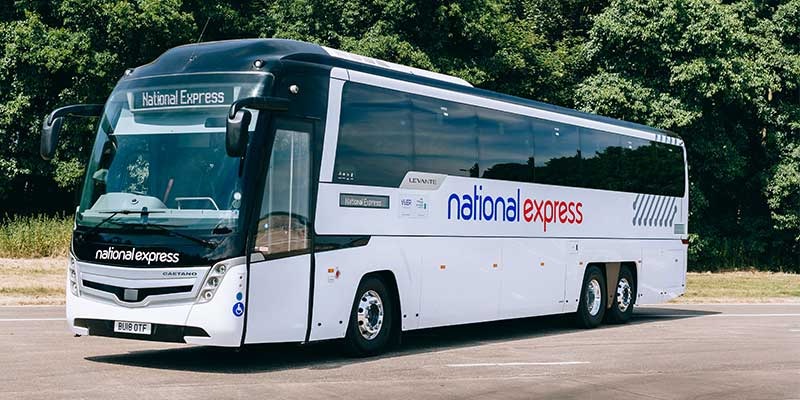
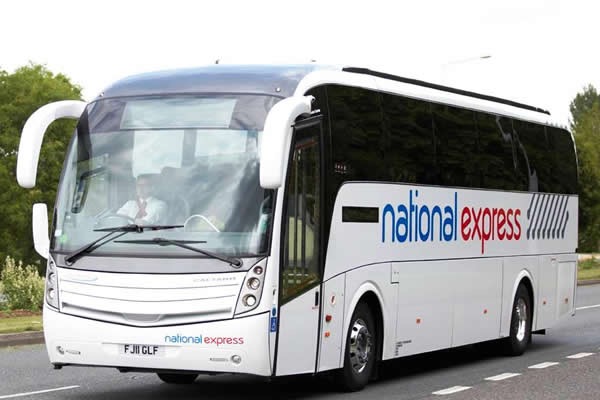
To support the network and timetable changes, National Express is adding more coaches to its fleet and optimising capacity on key routes. New or recently updated vehicles typically offer:
- Higher seating capacity per vehicle
- More efficient engines or alternative drivetrains that reduce emissions
- Improved reliability and reduced downtime, supporting on‑time performance
By increasing the number of vehicles and seats available, the operator can cope with growing passenger demand, reduce the risk of sold‑out journeys and provide additional resilience during busy periods.
Modern National Express coaches are designed to improve long‑distance comfort and make the journey more productive and enjoyable. Key interior upgrades often include:
- Reclining seats with more generous legroom
- Individual reading lights and adjustable ventilation
- Climate control systems for a stable and comfortable cabin temperature
- On‑board toilets for convenience on longer journeys
For many passengers, these improvements mark a clear shift from coaches being seen as a basic mode of transport to becoming a viable, comfortable option for work, rest and leisure during multi‑hour trips.
Recognising the importance of staying connected, National Express equips most of its newer coaches with digital features such as:
- Complimentary Wi‑Fi for browsing, messaging and light work
- Power sockets or USB charging points at or near seats
- Screens or information systems showing route progress and safety information
These features make it possible to answer emails, watch content, study or simply stay in touch with friends and family while travelling. For business travellers and students in particular, being able to work or study en route significantly increases the practicality of coach travel.
With more routes, higher frequency and additional night services, passengers benefit from a wider menu of travel options. This leads to:
- Greater flexibility in planning day trips, weekend breaks and longer journeys
- Easier coordination with hotel check‑in, flight departures or event start times
- Reduced need to plan journeys far in advance simply to secure a seat
For many travellers, especially those with variable schedules, this flexibility can be as important as price when choosing a mode of transport.
One of the strongest advantages of coach travel with National Express is the potential for significant cost savings compared with other long‑distance options. Key cost‑related benefits include:
- Typically lower base fares than equivalent intercity rail routes
- Deep discounts for early bookings and off‑peak travel
- Special offers for students, young travellers and other eligible groups
For budget‑conscious passengers, such as students or families, the savings on round trips across the UK can be substantial when compared with train fares or domestic flights.
The coach expansion also improves the broader end‑to‑end travel experience by:
- Offering routes that stop closer to town centres, campuses or key attractions than some mainline rail stations
- Reducing the need for multiple changes or complex connections
- Providing a more predictable, seat‑guaranteed experience even at busy times
In many cases, the total door‑to‑door journey time for a coach can be competitive with the rail alternative once transfers, waiting times and walking distances are taken into account.
When rail networks are under pressure from engineering works, staff shortages or industrial action, coaches step in as a vital backup. Expanded National Express capacity:
- Increases overall resilience in the long‑distance transport system
- Helps reduce overcrowding on alternative services during disruption
- Offers a reliable fallback for travellers who cannot risk cancellations or delays
By strengthening the coach network, the UK gains a more balanced multimodal system where no single mode is a bottleneck or single point of failure.
Modern intercity coaches can offer environmental advantages when compared with large numbers of individual car journeys. A single full coach can replace dozens of private cars on motorways, reducing:
- Overall fuel consumption per passenger kilometre
- Congestion and road space usage
- Total greenhouse gas and pollutant emissions
As operators gradually introduce more efficient and lower‑emission vehicles, including potential use of alternative fuels or electrification on suitable routes, coaches can play an increasingly important role in sustainable travel strategies.
In the years following the pandemic, domestic travel patterns in the UK have evolved in several key ways:
- Increased interest in domestic tourism and exploring smaller cities, towns and countryside destinations
- Greater sensitivity to travel costs due to economic pressures
- A higher tolerance for flexible working and mobile working environments, making slightly longer travel times more acceptable
These trends support the case for more extensive and frequent coach services, particularly for travellers who can work, read or relax during the journey instead of treating travel time as lost time.
Students and international visitors form a particularly important customer base for National Express:
- Students typically value low fares, predictable costs and reliable luggage policies
- International visitors often prefer straightforward, direct connections between airports and cities without needing to master complex rail ticketing systems
- Younger travellers are more likely to value Wi‑Fi and charging points, making coaches a natural fit for their digital lifestyle
As universities attract students from around the world and tourism recovers, demand for affordable and accessible intercity coach options is likely to remain strong.
Choosing between an intercity coach and a train in the UK depends on personal priorities and the specifics of each journey. Key factors include price, time, comfort, convenience and reliability.
Below is a concise comparison to help travellers assess which option might suit them better on a given route:
Price
- Coaches are usually cheaper than trains on similar routes, especially when booked in advance or at off‑peak times.
- Trains often cost more, and walk‑up fares on popular routes can be significantly higher.
Journey Time
- Trains are often faster in pure travel time, particularly on mainlines and high‑speed routes.
- Coaches can be slower but may offer direct links where train journeys require multiple changes.
Comfort and Seating
- Coaches provide reserved seating as standard, with reclining seats and good legroom on most long‑distance services.
- Train comfort varies by operator, route and time of day, and standing is common on busy services without reservations.
Luggage and Accessibility
- Coaches generally offer generous luggage allowances with under‑floor luggage holds and space for hand luggage.
- Trains can be less convenient for very large or multiple heavy bags, and luggage space is sometimes limited at busy times.
Reliability and Disruption
- Coach services are affected mainly by road conditions and traffic.
- Trains can be heavily affected by strikes, signalling problems and infrastructure works but are less impacted by road congestion.
Practical Guidance
- Travellers on a tight budget, carrying larger luggage or seeking direct city‑to‑city links often find coaches a better fit.
- Passengers with very tight schedules or those travelling on the fastest intercity routes may prefer trains where the time savings justify the higher cost.
To take full advantage of the expanded National Express capacity, passengers can follow a simple step‑by‑step planning process.
Begin by clarifying:
- Your exact starting point (city centre, suburb, airport or campus)
- Your true destination (hotel, university, business venue or tourist attraction)
This helps determine which coach stop or station is most convenient and whether additional local transport is needed at either end of the trip.
Use official channels or trusted booking platforms to:
- Identify available routes and operators between your chosen locations
- Compare journey times for standard, express and overnight services
- Review intermediate stops to understand whether the coach is direct or multi‑stop
When multiple options exist, consider whether you prefer fewer stops over potentially slightly higher fares.
Different ticket types typically offer varying degrees of flexibility and price:
- Non‑flexible tickets are usually the cheapest but cannot be changed or refunded
- Semi‑flexible tickets may allow changes for a fee or limited refunds
- Fully flexible tickets allow more last‑minute changes, often at a higher price
Travellers whose plans are uncertain, or who may need to change departure times, should factor flexibility into their cost calculations instead of focusing solely on the cheapest price.
When combining a coach journey with flights, ferries or trains:
- Allow at least 60–90 minutes between scheduled arrival and onward departure
- Consider potential traffic congestion around major cities and airports
- Check how far your coach stop is from the onward terminal or station
This buffer helps reduce stress and protects you from missed connections due to delays outside your control.
Before departure:
- Keep travel documents, ID, essential medicines, devices and chargers in your hand luggage
- Check luggage rules for maximum weight, size and any special items
- Download offline content (films, music, documents) in case Wi‑Fi coverage varies
- Bring snacks and water, especially for journeys with fewer service‑station stops
With a little preparation, the travel time can be turned into productive working time or a relaxed break between busy days.
The National Express capacity expansion reflects a broader trend in the UK and across Europe: continuing demand for high‑performance, high‑capacity and increasingly low‑emission coaches and commercial vehicles.
Coach and bus operators are under growing pressure to:
- Improve passenger comfort and differentiate their services in a competitive market
- Reduce operating costs per passenger kilometre through more efficient vehicles
- Meet tightening environmental regulations in low‑emission zones and urban areas
This combination of factors drives ongoing investment in new and upgraded vehicles, creating opportunities for manufacturers, system suppliers and secondary markets.
As large operators like National Express introduce new vehicles, high‑quality used coaches and related heavy‑duty vehicles begin to enter the second‑hand market. These second‑life vehicles can be:
- Deployed by smaller operators or in emerging markets at lower capital cost
- Refurbished and upgraded to extend their service life
- Reconfigured for different roles, such as tourism, staff shuttles or charter services
This dynamic creates a strong link between primary markets (like the UK and Western Europe) and operators worldwide who are looking for cost‑effective ways to expand or modernise their fleets.
As a leading Chinese supplier of used commercial vehicles, KeyChain (keychainauto.com) specialises in providing high‑performance buses and heavy‑duty truck systems to customers around the world. In the context of ongoing fleet renewal in the UK and Europe, KeyChain helps operators capture value from these trends.
KeyChain focuses on sourcing and supplying:
- Quality used buses and coaches that meet demanding operational standards
- Heavy‑duty truck platforms suitable for logistics, construction and specialised applications
- Powertrains and key vehicle systems that align with customers' local fuel types, road conditions and regulatory environments
By using vehicles originally operated in mature markets, customers can benefit from robust engineering and proven reliability at a lower acquisition cost.
Instead of treating vehicles purely as one‑off purchases, KeyChain helps customers plan from a total cost of ownership perspective, including:
- Fuel or energy consumption over the vehicle life
- Maintenance and spare‑parts availability
- Typical annual mileage and duty cycles
- Expected resale or second‑life opportunities
By aligning vehicle selection with real operating conditions and budgets, operators can improve profitability and service quality at the same time.
Global operators often need more than just a vehicle. KeyChain supports the full process of putting a vehicle to work in a new market by:
- Coordinating export logistics, shipping and customs procedures
- Assisting with inspections and documentation required for registration
- Providing remote technical support and spare‑parts advice
This enables operators in different regions to quickly integrate vehicles into their fleets with minimal disruption and faster time‑to‑revenue.
The expansion of the National Express UK coach network sends an important signal for several types of stakeholders.
You are likely to benefit directly if you are:
- A student or worker who frequently travels between UK cities
- A tourist planning multi‑city itineraries across England, Scotland or Wales
- A traveller seeking reliable alternatives when rail services are disrupted
- Someone prioritising lower‑cost or lower‑emission options compared with driving or flying
For these groups, the expansion brings more departure choices, better coverage and often lower overall travel costs.
Operators in the passenger transport sector can draw several lessons:
- High‑quality coach services remain in strong demand even in markets with extensive rail networks
- Comfort and digital connectivity are becoming non‑negotiable passenger expectations
- Fleet renewal and capacity management are crucial for staying competitive and resilient
Observing how National Express expands and upgrades its services provides a useful blueprint for operators in other countries and regions.
For those involved in investment decisions, infrastructure planning or policy development, the coach capacity expansion underlines:
- The importance of a multimodal transport system where buses and coaches complement rail
- The role of long‑distance coaches in delivering affordable connectivity to communities beyond the main rail corridors
- The potential environmental and social benefits of encouraging modal shift from cars to high‑occupancy vehicles
These insights can inform everything from regional transport strategies to funding decisions for stations, depots and charging infrastructure.
If you are a fleet owner, operator or investor considering how to respond to growing long‑distance coach demand, now is a strategic moment to review your vehicle strategy. You may be:
- Planning to launch or expand intercity or airport coach services
- Looking for high‑performance buses or heavy‑duty truck systems with proven reliability
- Exploring cost‑effective ways to enter new markets or add capacity without over‑stretching your capital budget
KeyChain can support you with tailored solutions built around your routes, regulations and budget:
- Website: keychainauto.com
- Phone / WhatsApp: +86 135 7298 0919
- Email: abbie@keychainventure.com
By partnering with a specialist in used commercial vehicles and integrated systems, you can convert global fleet renewal trends into concrete growth opportunities in your own market.
Contact us to get more information!
The capacity expansion means that everyday travellers can expect more route options, more departure times and better chances of finding a seat on their preferred journey. It also improves connectivity to regional cities, airports and tourist destinations, making it easier to plan trips without relying solely on the rail network.
Generally, increased capacity does not automatically mean higher prices. National Express typically continues to position itself as a cost‑effective alternative to rail, with competitive fares and discounts for early bookings and off‑peak travel. As always, booking in advance and avoiding the busiest days and times helps secure the best prices.
Coach travel offers reserved seating, good legroom and on‑board facilities such as toilets, Wi‑Fi and charging points, which many passengers find comparable or even preferable to some train services. Trains may be faster on major routes, but coaches can be more convenient when they offer direct links to and from city centres, campuses or airports without the need for multiple changes.
Yes, coach travel is generally well suited to long journeys where passengers carry larger or multiple bags. Coaches typically have under‑floor luggage holds and clear policies on baggage limits. This makes them particularly attractive for international students, tourists on extended trips and families travelling with more than just hand luggage.
Fleet operators and investors can benefit by aligning their strategies with rising demand for high‑quality, efficient and comfortable coaches. This might involve upgrading fleets, adding capacity on promising routes or acquiring proven used vehicles from mature markets. Working with partners like KeyChain helps operators access suitable vehicles and systems while carefully managing costs and regulatory requirements.
1. https://bus-news.com/national-express-expands-capacity-on-uk-coach-network/


