
Views: 222 Author: Sara Publish Time: 2026-02-05 Origin: Site


Content Menu
● Pillar 1: Safety Upgrades with $7 Million Investment
● Pillar 2: Cleanliness and Environment – $2.4 Million for Dignified Waiting Areas
● Pillar 3: Infrastructure and Roadway Improvements in Key Areas
● Pillar 4: Service Reliability – 350 New Buses and Smarter Networks
● Accessibility Focus: 700+ Stops Upgraded by 2025
● METRONow vs. METRONext: From Vision to Execution
● Microtransit and Curb2curb: Solving First/Last Mile Challenges
● Global Lessons from METRONow for Bus Operators
● METRONow Investment Overview Table
● Evaluating METRONow-Style Plans: Key Metrics
● Practical 5-Step Fleet Procurement Guide for METRONow-Like Upgrades
● Rider Impacts: Everyday Wins from METRONow
● Call to Action: Scale Your Fleet Affordably with KeyChain
● FAQ
>> 1. What is the METRONow Plan?
>> 2. How does METRONow differ from METRONext?
>> 3. Why add 350 buses and replace METROLift vehicles?
>> 4. What role do microtransit and curb2curb play?
>> 5. How can operators cut fleet upgrade costs?
>> 6. What support does KeyChain provide?
Houston's Metropolitan Transit Authority (METRO) has launched METRONow, a comprehensive roadmap to boost ridership, improve safety and cleanliness, and modernize its bus and rail network while staying financially sustainable. This plan signals growing demand for efficient bus fleet operations worldwide. As China's leading supplier of high-performance second-hand commercial buses and heavy-duty trucks, KeyChain (keychainauto.com, +8613572980919, abbie@keychainventure.com) sees METRONow as a blueprint for operators balancing budget constraints with service upgrades.

METRONow is Houston METRO's new integrated initiative focused on rider-centered improvements to drive public transit ridership growth and ensure long-term financial stability. The plan centers on four pillars: safety, cleanliness and environment, service reliability, and accessibility/infrastructure. It shifts from expansive projects to immediate enhancements of the existing system.
This approach builds on the earlier METRONext plan but prioritizes "doing now what works best." For global transit agencies, it offers lessons in optimizing current assets before major expansions. METRO aims to make buses and rail more appealing through tangible, quick-win changes that address common pain points like safety concerns and unreliable service.
Safety tops the list of rider priorities in METRONow. METRO commits $7 million in 2025 for system-wide enhancements. Key actions include deploying more security personnel on buses and light rail, upgrading surveillance cameras for better coverage and clarity, and improving lighting plus physical barriers at stations.
These steps boost perceived safety, especially during evenings and off-peak hours. Operators worldwide report that visible security measures can increase ridership by 10-20% in high-crime areas. METRO's focus here sets a model for data-driven safety investments that yield fast results without massive overhauls.
In practice, this means brighter stations, quicker response to incidents, and partnerships with local law enforcement. Riders will notice fewer dark corners and more patrols, turning "avoid the bus" hesitation into routine use.
Clean environments make transit feel professional. METRONow allocates $2.4 million for 2025 cleanliness efforts. Highlights: eight street sweepers and all-terrain vacuum trucks for station perimeters, 24/7 rapid-response cleaning teams for bus stops, rail platforms, and Park & Ride lots, plus city collaborations for landscaping beautification.
Clean stops correlate with higher satisfaction scores. Studies show passengers avoid dirty stations, dropping ridership by up to 15%. METRO's proactive cleaning contracts ensure graffiti removal within hours and routine deep cleans, elevating the entire network's image.
This pillar extends to waste management and green spaces around stops, creating inviting hubs that encourage longer waits and loyalty.
METRONow invests heavily in fixing what riders encounter daily. Targets include hazardous sidewalks, crosswalks, and pavements in high-traffic zones like Inner Katy and Gulfton. Additional efforts: refreshing aging shelters, $200 million for Inner Katy traffic relief, $300 million for Gulfton revitalization with better street designs and bus priority, and $100 million for rail crossing mobility fixes.
These upgrades reduce trip hazards and speed up boarding. Poor infrastructure causes 30% of accessibility complaints in U.S. systems. By prioritizing pedestrian paths and bus bulbs, METRO creates seamless flows from sidewalk to seat.
Gulfton, a dense immigrant community, benefits most, aligning transit with equity goals. Inner Katy eases congestion on busy corridors, proving infrastructure ROI through higher speeds and reliability.
Reliability wins repeat riders. METRONow delivers 350 new buses to boost capacity and frequency, replaces 100 METROLift paratransit vehicles for better accessibility, expands curb2curb on-demand service, rolls out microtransit in core neighborhoods, extends customer service hours, adds payment options like mobile tap, and tweaks routes for demand matching.
New buses mean shorter waits and fewer breakdowns. Microtransit uses small electric shuttles in Downtown, Second Ward, and Third Ward via apps like Ride Circuit for real-time booking. Curb2curb bridges gaps to main lines.
This mix addresses "last-mile" frustrations, where 40% of potential riders drop off. Extended service hours capture night shifts and weekends, broadening appeal.
Accessibility underpins equity in METRONow. Commitments: BOOST corridor enhancements, 700+ bus stop improvements (ramps, signage, lighting) by fiscal 2025 end, bike racks on buses, and bike space on rail. These make transit viable for seniors, disabled users, and cyclists.
Upgraded stops feature tactile paving, audible signals, and wider paths. BOOST lines get priority treatments for smoother rides. This investment tackles a key ridership barrier: 25% of Americans have mobility challenges unmet by current systems.
METRONext, voter-approved with $3.5 billion bonds, eyed BRT lines and BOOST corridors. METRONow, under new leadership, shelves some expansions like University BRT to fund rider experience. Retained: Inner Katy, Gulfton, BOOST – now accelerated.
This pivot emphasizes fiscal prudence. Ridership must justify big builds. Global agencies mirror this: test improvements, measure gains, then scale.
Microtransit shines in METRONow. Evolve Houston partners deploy electric vans in underserved wards, linking to rail/bus hubs, stores, and clinics. Community Connectors now span Downtown to Near Northside.
Curb2curb offers door-to-stop rides. Apps track vehicles, cutting wait times to 15 minutes. These fill gaps fixed routes miss, boosting overall network use by 20-30% in pilots.
For dense cities, this hybrid model scales without full BRT costs.
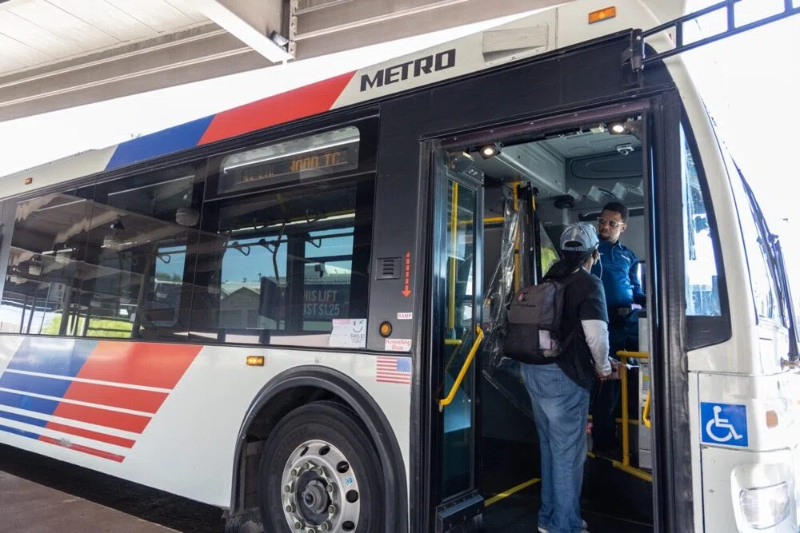
METRONow distills actionable strategies:
- Fix experience gaps first: Safety/cleanliness before lines.
- Data-guide spending: Target high-ridership zones.
- Flexible fleets: Microtransit for edges, big buses for cores.
- TCO focus: Update vehicles to cut downtime.
Operators in mid-sized cities can adapt this for 15% ridership lifts.
| Area | Key Initiatives | Core Metrics/Investments |
|---|---|---|
| Safety | More guards, cameras, lighting | $7M (2025) |
| Cleanliness | Sweepers, 24/7 teams, landscaping | $2.4M (2025), 8 vehicles |
| Vehicles/Services | 350 buses, 100 METROLift, microtransit | Fleet expansion, app-based booking |
| Infrastructure | Sidewalks, crossings, revitalization | $200M Inner Katy, $300M Gulfton, $100M crossings |
| Accessibility | 700+ stops, BOOST, bike integration | FY2025 target |
| Microtransit | Electric shuttles in wards | Downtown to Northside coverage |
Success metrics include:
1. Ridership: Monthly totals, off-peak gains.
2. Satisfaction: Surveys on safety, cleanliness.
3. Reliability: On-time rates, headway stability.
4. Equity: Usage in low-income areas.
Track quarterly; adjust dynamically.
METRO's 350-bus add exemplifies smart scaling. Follow this:
1. Audit Fleet: Age, mileage, route fit.
2. Hybrid Strategy: New flagships on spines; certified used on feeders.
3. Spec Matching: BRT-ready, low-floor, electric-ready.
4. TCO Calc: Fuel, maintenance, resale.
5. Vendor Vetting: Inspections, warranties, logistics.
Used vehicles cut costs 40-60% vs. new, with 100,000+ km life post-refurb.
KeyChain excels here, sourcing multi-brand used buses/trucks (diesel, hybrid, electric) with full audits, export handling.
Riders gain safer nights, cleaner stops, reliable waits, doorstep links, greener rides. Mayor Whitmire envisions "clean, safe, efficient" as default.
For transit agencies, coach operators, or logistics firms eyeing METRONow efficiencies:
Leverage KeyChain for used high-performance buses and trucks. We offer:
- Model matching for BRT, urban, intercity.
- Battery checks, OEM parts.
- Global shipping, financing.
Contact +8613572980919 or abbie@keychainventure.com for quotes. Upgrade now – visit keychainauto.com.
Contact us to get more information!
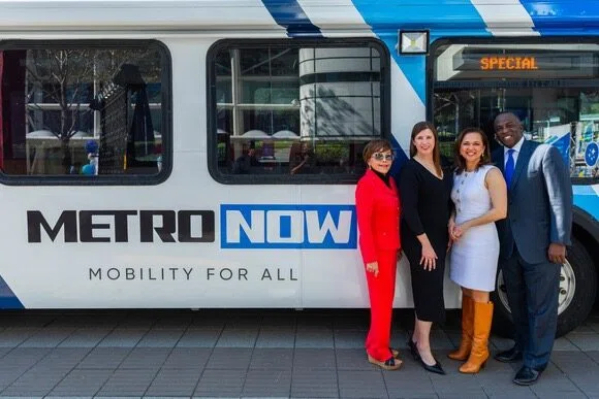
METRONow is Houston METRO's rider-focused initiative emphasizing safety, cleanliness, reliability, and accessibility to grow ridership sustainably.
METRONext focused on BRT expansions; METRONow prioritizes immediate service fixes over new builds for quicker wins.
To shrink headways, cut breakdowns, and serve paratransit users better, fueling capacity for growth.
They connect homes to lines, expanding reach without fixed-route costs.
Blend new demos with certified used buses – save 50% upfront, match TCO via KeyChain expertise.
Fleet audits, used vehicle sourcing, export logistics for buses/trucks worldwide.
1. https://bus-news.com/metro-unveils-new-metronow-plan-for-houston/
2. https://www.transittalent.com/articles/index.cfm?story=Houston_Metro_Unveils_MetroNew_Plan_2-24-2025
3. https://www.houstonlanding.org/transit-agency-announces-metronow-initiatives-to-boost-ridership-improve-experience/
4. https://www.ridemetro.org/newsletters/metro-connections/2024/december/Transforming-Transit--City-of-Houston-and-METRO-Partnershi
5. https://www.planetizen.com/news/2025/02/134397-houston-metro-plan-centers-safety-accessibility


