
Views: 222 Author: Sara Publish Time: 2026-02-06 Origin: Site


Content Menu
● First Generation (2012-2016): Building the Foundation
● Second Generation (2017-2021): Refinement and Tech Boom
● Reliability Ratings and Long-Term Ownership Costs
● Fuel Efficiency Comparisons and Real-World MPG Data
● Practical Buying Guide for Used Mazda CX-5
● FAQ
>> 1. What are the best years for a used Mazda CX-5?
>> 2. How does the 2016 facelift improve the first-gen CX-5?
>> 3. Is the Mazda CX-5 turbo engine reliable for used buyers?
>> 4. Mazda CX-5 vs. competitors: Key advantages?
>> 5. Any common issues in 2012-2021 CX-5?
The Mazda CX-5 from 2012 to 2021 transformed from a solid compact SUV into a benchmark for driving dynamics and premium feel. This comprehensive guide details Mazda CX-5 model year differences and improvements, helping buyers spot upgrades in engines, safety, tech, and reliability for smart used purchases. Whether you're eyeing a first-generation base model or a second-generation turbocharged powerhouse, understanding these evolutions ensures you pick the right one for your needs.

Launched in 2012, the initial Mazda CX-5 set a new standard for compact SUVs with its Skyactiv technology, emphasizing efficiency, lightweight construction, and engaging handling. This first-generation model quickly gained praise for its agile chassis, which felt more like a sporty hatchback than a typical family hauler. Core strengths included early versions of G-Vectoring Control precursors that sharpened cornering, plus impressive fuel economy reaching up to 28 mpg combined in optimal conditions.
Early models offered a 2.0L petrol engine producing 155 horsepower or a 2.2L diesel with 150-175 horsepower outputs, paired with responsive 6-speed manual or automatic transmissions. These powertrains prioritized balance over brute force, making the CX-5 fun on twisty roads while sipping fuel. The 2013 updates built on this by adding keyless entry, Bluetooth connectivity, and optional navigation systems on higher trims, significantly boosting everyday usability for commuters and families alike.
By 2014, Mazda addressed common feedback on acceleration with a new 2.5L petrol engine delivering 184 horsepower and around 13 km/L in front-wheel-drive setups. This upgrade didn't compromise efficiency, maintaining competitive figures while offering smoother highway merges. Interior refinements included better noise insulation and a more compliant suspension tune, elevating comfort levels above rivals like the Honda CR-V or Toyota RAV4, which often felt truckier in comparison.
The pivotal 2016 facelift represented a major leap forward for the first generation. Exterior changes featured sleek LED headlights and fog lights, a bolder grille, and reshaped bumpers for a more aggressive stance. Wheels grew to 19 inches on top trims, enhancing visual appeal and grip. Inside, the cabin grew quieter thanks to advanced soundproofing materials, and the infotainment system upgraded to a 7-inch touchscreen with Mazda Connect interface, including a rearview camera on most variants. These enhancements made the 2016 model a standout used buy, bridging the gap to the upcoming full redesign.
To visualize progress, here's a breakdown of key changes:
| Model Year | Engine Options | Key Exterior Changes | Interior/Tech Upgrades | Fuel Economy (Combined MPG) |
|---|---|---|---|---|
| 2012-2013 | 2.0L (155 hp), 2.2L Diesel | Basic alloys, halogen lights | 4-speaker audio, split seats | 25-28 |
| 2014 | +2.5L (184 hp) | Minor bumper tweaks | Better storage, keyless entry | 26-29 |
| 2015 | Same lineup | New colors | Optional HUD precursor | 26-29 |
| 2016 | Same + tuning | LED lights, 19" rims | Touchscreen, Bluetooth streaming | 27-30 |
This table highlights how incremental updates compounded into a refined product by 2016.
The 2017 redesign introduced the second-generation Mazda CX-5, elevating it to premium territory with a stiffer chassis, sophisticated multi-link suspension, and materials that rivaled entry-level luxury SUVs like the BMW X3. Handling reached new heights, with reduced body roll and precise steering that made it a driver's delight. Noise, vibration, and harshness (NVH) levels dropped dramatically, creating a serene cabin ideal for long hauls.
Powertrains carried over but received meticulous tuning: the 2.0L and 2.5L petrol engines gained efficiency boosts, while diesels became noticeably quieter. Standard equipment expanded to include full LED headlights, versatile 40/20/40-split rear seats, and adaptive cruise control on mid-to-high trims. This generation's focus on "less is more" philosophy meant fewer gimmicks but superior execution in core areas.
Safety took center stage in 2018, with blind-spot monitoring, rear cross-traffic alert, and low-speed automatic emergency braking becoming standard across the lineup. These features propelled the CX-5 to IIHS Top Safety Pick+ status, filling first-gen gaps and outpacing competitors in crash avoidance. Families appreciated the peace of mind, especially in urban traffic.
The 2019 model year brought excitement with the debut of a 2.5L turbocharged petrol engine pumping out 250 horsepower in top trims, achieving 0-60 mph in just 6.2 seconds while still managing 22 mpg combined. This option transformed the CX-5 into a performance contender without the thirst of German rivals. Interior tech kept pace with Apple CarPlay/Android Auto integration and available Bose audio.
2020 further fortified safety with standard lane-keep assist, pedestrian detection, and forward-collision warning on every model. The 2021 facelift polished the package: sleeker bumpers, larger dual tailpipes, and suspension tweaks for even less road harshness. New amenities like wireless charging, redesigned seats with better support, and a Mi-Drive mode selector (Off-Road, Sport, Towing) rounded out a mature offering.
Key second-gen milestones:
| Model Year | Safety Additions | Powertrain Highlights | Interior Refinements | MPG Gains |
|---|---|---|---|---|
| 2017 | Basic adaptive cruise | Refined 2.5L diesel | Premium dash, heads-up display | +2 mpg |
| 2018 | Blind-spot std, cross-traffic | Same + tuning | Bose audio optional | Stable |
| 2019 | +Turbo engine debut | 250 hp option | Wireless controls | 22 combined |
| 2020 | Lane assist std | Efficient petrols | Larger storage cubbies | +1 mpg |
| 2021 | Full ADAS suite | Turbo refined | Wireless charging, new seats | 24-25 |
Mazda CX-5 reliability stands out in the used market, with J.D. Power scores averaging 82/100 for 2017-2021 models—outperforming segment rivals by 5 points. Transmission issues are rare, and engines routinely exceed 200,000 miles with basic care. First-gen units (2012-2016) score slightly lower at 78/100 due to early infotainment quirks, but most were resolved via free software updates.
Common concerns include 2012-2014 screen freezes (fixed post-2015) and occasional brake pad wear around 60,000 miles. Annual maintenance averages $450, far below the $650 for a Toyota RAV4 or $700 for Honda CR-V equivalents. Resale value remains strong at 65% retention after five years, making it a smart financial choice.
Expert advice: Target 2018+ models for the optimal mix of proven turbo durability, comprehensive safety, and affordability under $25,000 in 2026 used markets. Always verify service records, especially for high-mileage diesels prone to injector issues without regular upkeep. Pro tips include checking for completed recalls like the 2017 fuel pump module and prioritizing all-wheel-drive variants for versatility in varied climates.
Ownership cost snapshot:
| Year Range | Avg. Repair Cost/Year | Reliability Score | Used Price (2026 est.) |
|---|---|---|---|
| 2012-2016 | $500 | 78/100 | $10k-$18k |
| 2017-2021 | $400 | 84/100 | $20k-$30k |
Budget-conscious buyers love how these costs translate to lower total ownership expenses over a decade.
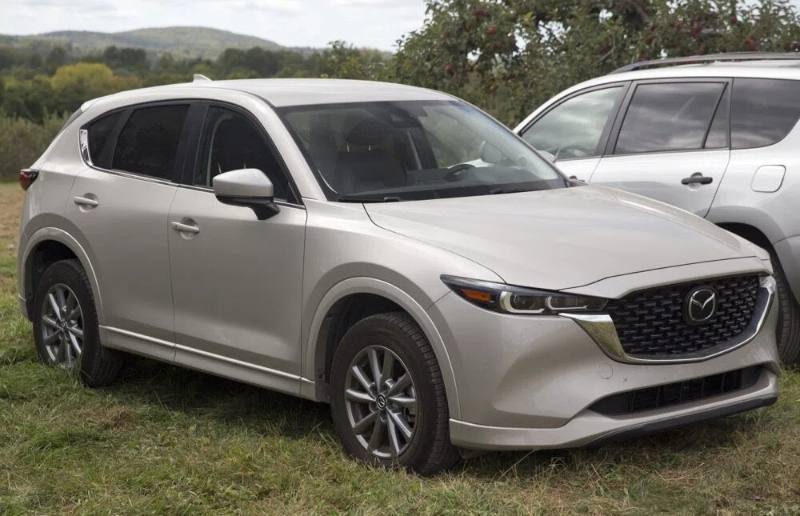
Fuel economy improvements defined the CX-5's evolution, with first-gen peaks at 30 mpg highway (2016 2.5L) and second-gen turbos holding 24 mpg combined despite added power. Real-world data from user logs shows 2019+ turbos averaging 23.5 mpg in mixed city/highway driving, edging out the Honda CR-V's 22 mpg and Toyota RAV4's 27 mpg baselines.
Diesels, more common outside the US, shine at 35+ mpg highway, but petrol variants dominate used inventories. Post-2021 mild-hybrid updates (primarily in Europe/Asia) hint at future potential, pushing toward 40 mpg without full electrification. For verification, owners recommend OBD-II scanner apps to confirm real MPG against EPA claims.
Competitive edge:
| Competitor | Combined MPG (2021 equiv.) | CX-5 Advantage |
|---|---|---|
| Honda CR-V | 28 | +1-2 mpg |
| Toyota RAV4 | 27 | +2 mpg |
| Subaru Forester | 26 | +3 mpg |
These gains stem from Skyactiv's high-compression ratios and aerodynamic tweaks, rewarding efficient drivers.
Navigating the used Mazda CX-5 market requires strategy to avoid pitfalls. Prioritize 2018-2021 for their safety suites, turbo availability, and refined ride—ideal for families or enthusiasts. Inspect for chassis rust in salted-road regions, turbo coolant leaks on 2019+ models, and battery degradation affecting start-stop systems.
Follow this step-by-step checklist:
1. VIN History Check: Use services like Carfax to rule out flood damage, salvage titles, or odometer fraud.
2. Test Drive Essentials: Listen for smooth transmission shifts, minimal turbo lag on boost, and no unusual vibrations at highway speeds.
3. Service Records Review: Skyactiv engines demand oil changes every 5,000 miles; verify timing belt status on diesels.
4. Tech and Diagnostics: Test infotainment updates (dealer flash ~$100) and scan for error codes with an OBD tool.
5. Negotiation Leverage: Reference Kelley Blue Book values; negotiate 10% below market for needed maintenance.
Budget example: $22,000 secures a loaded 2020 Signature trim with AWD and premium audio. Add an extended warranty for turbos, covering potential $2,000 repairs. In global markets, low-mileage imports offer even better value.
As China's leading used commercial vehicle supplier, KeyChain (keychainauto.com) specializes in reliable Mazda CX-5 units alongside high-performance buses and heavy trucks for global clients. Contact us today at +8613572980919 or abbie@keychainventure.com to explore certified imports—elevate your fleet or personal ride with proven Japanese engineering!
Contact us to get more information!
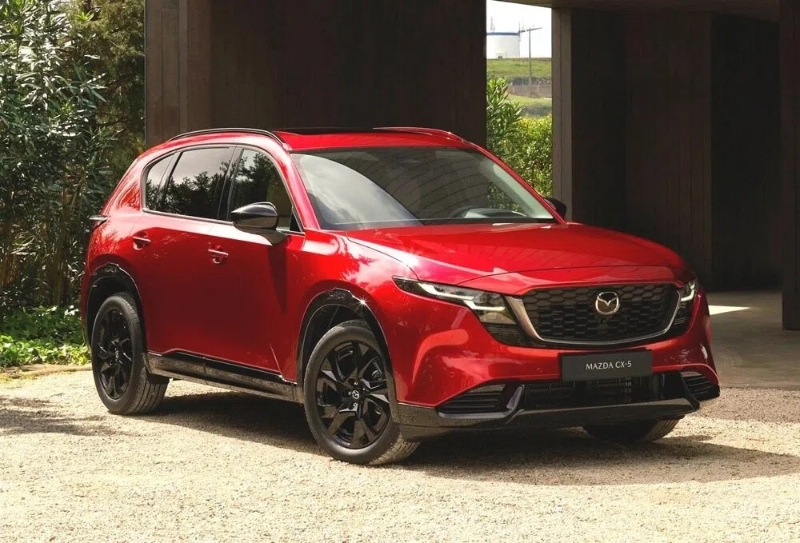
2018-2021 models strike the perfect balance, offering full safety tech, optional turbo power, and top reliability scores at accessible prices.
The 2016 update adds LED lighting, a modern touchscreen infotainment system, and superior noise reduction, modernizing the original design without a full overhaul.
Absolutely—2019+ 2.5L turbos excel in longevity tests, often surpassing 200,000 miles with routine maintenance like premium fuel and timely oil changes.
The CX-5 wins with sportier handling, upscale interiors, and superior fuel efficiency; it trades minor cargo space for a more engaging drive.
Watch for early infotainment glitches (patched via updates) and brake wear; later models (2017+) minimize these with robust engineering.
1. https://blog.beforward.jp/car-review/mazda-cx-5-2012-2021-model-year-differences-and-improvements.html
2. https://www.popauto.cn/guide/select/1471.html
3. https://en.wikipedia.org/wiki/Mazda_CX-5
4. https://topic.autohome.com.cn/new/marketing/2019/3/cx-5/
5. https://www.facebook.com/beforward/posts/mazda-cx-5-2012-2021-model-year-differences-and-improvements-check-out-the-featu/526052
6. https://m.quixoticroad.com/cars/mazda/cx-5
7. https://www.carmax.com/research/mazda/cx-5
8. https://bk.taobao.com/k/mazida_1687/ba16d5550630da180ef87a70139afebc.html
9. https://carbuzz.com/cars/mazda/cx-5/generations/
10. https://www.ca.com.tw/detail.html?code=FBEQC6H4146


