
Views: 222 Author: Sara Publish Time: 2026-01-28 Origin: Site


Content Menu
● Project Announcement and Timeline
● Key Vehicle Specifications and Features
● Benefits of Articulated Electric Buses for Public Transport
● Global Market Trends for Articulated Electric Buses
● Cost-Benefit Analysis for Fleet Operators
● China's Leadership in Electric Bus Exports and Used Vehicle Solutions
● Implementation Challenges and Proven Solutions
● FAQ
>> 1. When will Kinetic's articulated electric buses launch in Wellington?
>> 2. How do these buses improve passenger capacity?
>> 3. What drives the global growth of electric articulated buses?
>> 4. Why consider used electric buses from China for fleets?
>> 5. What cost savings can operators expect?
Kinetic New Zealand is set to revolutionize public transport in Wellington by introducing five electric articulated buses, commonly known as bendy buses, on the city's busiest Metlink Route 2 starting in early 2027. These high-capacity electric articulated buses provide 65% more passenger space than standard single-deckers, making them perfect for handling the 10,000 daily riders traveling between Karori and Courtenay Place. This strategic deployment marks a significant step toward decarbonizing public transportation systems worldwide, aligning with global sustainability goals.
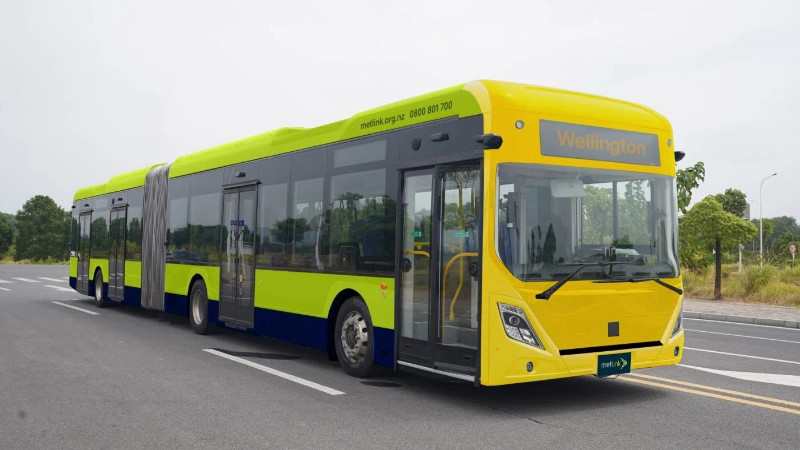
In October 2025, Kinetic New Zealand officially announced the introduction of these electric articulated vehicles (EAVs) for Wellington's high-demand routes. The timeline targets full operational service by early 2027, building on successful trials conducted in 2023 and 2025 that validated infrastructure compatibility, diversion routes, and overall performance. Collaboration with the Wellington City Council includes installing new high-capacity bus stops to accommodate the longer vehicles, ensuring seamless integration into the urban landscape.
Kinetic's Managing Director, Calum Haslop, highlighted the project's importance, stating it reflects the company's commitment to accelerating decarbonization across its entire bus fleet. Preparations involve depot charging infrastructure upgrades and specialized driver training programs to handle the unique dynamics of articulated electric buses. This phased approach minimizes disruptions while maximizing reliability for commuters, setting a benchmark for other cities eyeing similar transitions.
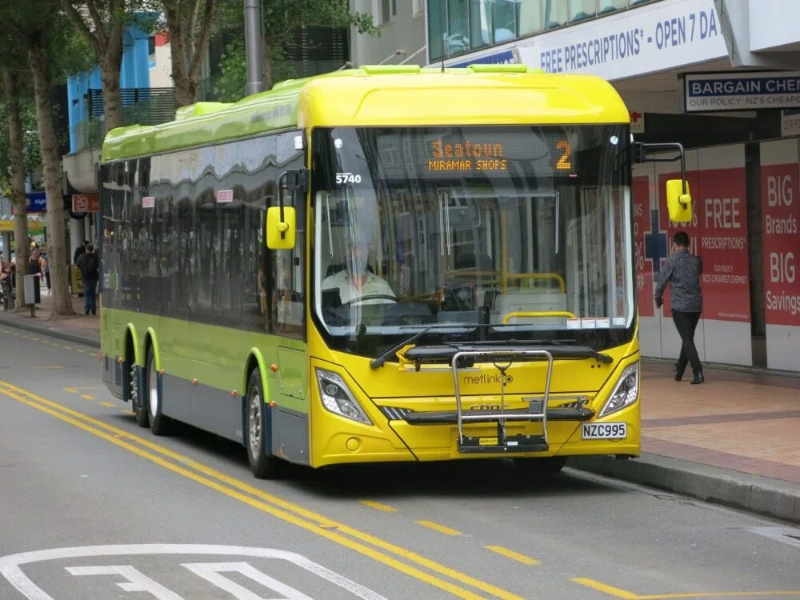
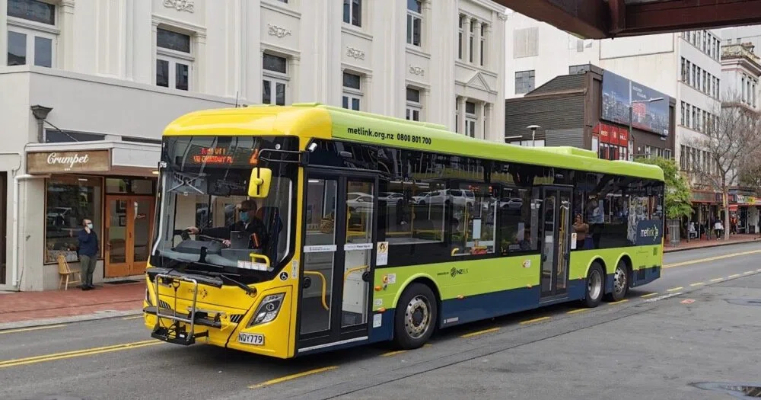
The new EAVs boast fully electric propulsion systems powered by advanced batteries from Geely, complete with Metlink's signature livery for brand consistency. These vehicles extend Kinetic's growing zero-emission fleet in Wellington, emphasizing efficiency and passenger comfort in dense urban settings.
Key specifications include:
- Passenger Capacity: 65% greater than traditional single-deckers, allowing more standing and seated passengers during peak hours.
- Powertrain: Battery-electric with regenerative braking for energy recovery, ensuring optimal range on urban routes.
- Length and Design: Articulated "bendy" structure for maneuverability in city traffic while maximizing throughput.
- Additional Features: Low-floor access for accessibility, air conditioning, and real-time passenger information displays.
These attributes make the buses ideal for sustainable public transport, reducing congestion by moving more people per trip without expanding road infrastructure.
Electric articulated buses deliver multifaceted advantages over diesel counterparts, particularly in high-volume urban environments like Wellington. Zero tailpipe emissions significantly improve air quality, combating urban pollution and supporting climate targets. Operators benefit from lower operating costs, as electric power is cheaper than diesel, and maintenance is reduced due to fewer moving parts—no oil changes, simpler drivetrains, or exhaust systems.
Passengers enjoy quieter rides with smooth acceleration, enhancing comfort on long commutes. Efficiency gains from regenerative braking can recover over 20% of energy on stop-start routes, extending daily range without additional charging. In Wellington, these buses promise greater reliability on Route 2, reducing delays and improving service frequency during rush hours.
Beyond environmental wins, articulated electric buses promote social equity by offering affordable, high-capacity transit options that ease traffic and parking pressures. Cities worldwide report up to 30% higher ridership after deploying such fleets, fostering vibrant, livable urban centers.
The articulated bus market is experiencing robust growth, projected at a 6-8% compound annual growth rate (CAGR) through 2030, fueled by urbanization, stricter emissions regulations, and investments in bus rapid transit (BRT) systems. Electric models are poised to dominate, comprising over 50% of production by 2028 as battery costs decline and charging networks expand.
Asia-Pacific leads this surge, with China at the forefront as the world's largest exporter of electric vehicles. In 2023, China shipped over 70,000 buses abroad, with electric variants accounting for 42% of exports from manufacturers like Golden Dragon, Yutong, and King Long. By the first half of 2025, electric bus exports alone reached 9,000 units—a 124% year-over-year increase—valuing at billions in trade. Southeast Asia exemplifies this trend, where Chinese electric buses power decarbonization efforts in cities like Bangkok and Jakarta.
| Region | Market Size Projection (2030) | Key Growth Drivers |
|---|---|---|
| Global | $10B+ | Green policies, BRT expansion |
| China Exports | 100K+ units annually | Cost competitiveness, tech advances |
| Europe/North America | 20% EV penetration | Subsidies, urban renewal projects |
| Southeast Asia | Rapid adoption | Infrastructure investments |
This momentum highlights the scalability of electric articulated buses, positioning them as a cornerstone of future mobility.
Transitioning to electric articulated buses requires upfront investment but delivers compelling long-term returns. Initial costs for batteries and chargers are higher—often 20-50% more than diesel equivalents—but government incentives like low-emission vehicle programs can offset up to $58,000 per unit.
Operational savings shine through: electricity costs 20-30% less per mile, and maintenance drops by half due to regenerative systems and solid-state tech. A typical ROI materializes within 5-7 years, with total cost of ownership 25% lower over a decade. For example, Wellington's project anticipates energy recovery covering 25% of daily needs via braking alone.
Practical steps for operators include:
1. Route Assessment: Identify high-capacity corridors with frequent stops for max regen efficiency.
2. Infrastructure Audit: Install depot chargers (55-minute fast-charge capability) and test turns/diversions.
3. Funding Strategies: Apply for grants, green bonds, or public-private partnerships.
4. Staff Training: Certify drivers on EV handling and emergency protocols.
5. Performance Monitoring: Use telematics for real-time data on battery health and route optimization.
Wellington's model proves these steps viable, blending capacity upgrades with fiscal prudence.
China's dominance in electric bus manufacturing stems from massive scale, innovation, and supply chain control. Export figures underscore this: 9,700 EV buses worth $1.68 billion in 2023, escalating sharply in 2025 amid global demand. These vehicles excel in tropical climates and rugged terrains, making them versatile for international fleets.
For operators seeking cost-effective entry into electrification, the used market offers proven solutions. As China's leading supplier of used commercial vehicles, KeyChain (keychainauto.com) specializes in high-performance pre-owned electric buses and heavy trucks for global clients. Their inventory features low-mileage articulated models from premier brands, rigorously inspected for reliability and backed by warranties.
Advantages of KeyChain's used electric buses:
- Dramatic Savings: 40-60% below new prices without sacrificing performance.
- Sustainability Boost: Extends vehicle lifecycle, minimizing manufacturing's carbon footprint.
- Customization: Tailored specs for public transit, including extended batteries and global certifications.
- Logistics Expertise: Seamless worldwide shipping, compliance support, and after-sales service.
Whether upgrading like Kinetic or scaling a new fleet, KeyChain bridges affordability and quality. Contact +86 135 7298 0919 or abbie@keychainventure.com for personalized quotes on used articulated electric buses.
Rolling out electric articulated buses isn't without hurdles: charging infrastructure gaps, higher upfront costs, and grid strain top the list. Wellington mitigated these through phased trials, confirming 18-meter turns and overnight depot charging suffice for 200+ km daily routes.
Expert recommendations include hybrid depots with solar integration for resilience and AI-driven scheduling to peak-shave electricity use. Policy alignment—such as Wellington's council partnerships—unlocks funding, while modular batteries enable swaps during peaks. Kinetic's success validates these tactics, inspiring adopters globally.
Elevate your public transport operations with reliable, cost-effective used electric buses from KeyChain. Visit keychainauto.com, email abbie@keychainventure.com, or call +86 135 7298 0919 today for expert consultations, competitive pricing, and rapid delivery. Join the sustainable revolution—your fleet's future starts now!
Contact us to get more information!
Kinetic plans to deploy the five EAVs on Metlink Route 2 by early 2027, following 2023 and 2025 trials that confirmed readiness.
They offer 65% more space than single-deckers, accommodating peak loads of 10,000 daily users on high-demand routes.
A 6-8% CAGR through 2030, propelled by emissions rules, urbanization, and falling battery costs, with electrics hitting 50% market share by 2028.
They deliver 40-60% savings, proven durability, and sustainability; KeyChain provides inspected, warrantied options for global transit.
20-30% lower energy/maintenance versus diesel, with full ROI in 5-7 years through incentives and efficiency gains.
1. https://www.wearekinetic.com/newsroom/kinetic-brings-bendy-buses-to-wellingtons-busiest-route
2. https://www.linkedin.com/pulse/articulated-bus-market-size-2026-brands-growth-44x5f
3. https://wrightbus.com/en-gb/electric-buses-and-hydrogen-vehicles-driving-the-future-of-sustainable-transportation
4. https://www.busworldsoutheastasia.org/sites/soasia/files/2024-05/Busworld%20SEA%202024%20-%20Golden%20Dragon%20-%20EV%20Bus%20Ov
5. https://dameracorp.com/buses-for-sale
6. https://bus-news.com/kinetic-new-zealand-to-introduce-articulated-electric-buses-in-wellington/
7. https://www.technavio.com/report/articulated-bus-market-analysis
8. https://www.cardino.de/en/blog-posts/e-bus-revolution
9. https://oilprice.com/Energy/Energy-General/Chinese-Electric-Buses-Dominate-Southeast-Asias-Decarbonization-Push.html
10. https://www.keychainauto.com/autobus-s-guin-orders-60-lion-electric-buses-pioneering-sustainable-public-transit.html


