
Views: 222 Author: Sara Publish Time: 2026-01-26 Origin: Site


Content Menu
● Jackson's Hybrid Bus Acquisition: A Game-Changer for JTran
● Environmental Impact: Quantifying the Green Gains
● Cost-Benefit Breakdown: Financial Justification
● Hybrid Bus Market Trends: 2025-2028 Outlook
● Successful Global Case Studies
● Practical Procurement Guide for Transit Fleets
● Overcoming Challenges and Future Projections
● Call to Action: Electrify Your Fleet Today
● FAQ
>> 1. What advantages do hybrid electric buses offer over traditional diesel models?
>> 2. What is the typical cost range for used hybrid electric buses?
>> 3. How can cities participate in Jackson's JTran Transit Study?
>> 4. What funding options exist for hybrid bus acquisitions?
>> 5. How does KeyChain guarantee the quality of its hybrid buses?
Jackson's strategic acquisition of four hybrid electric buses represents a landmark advancement in sustainable public transportation. This move, paired with the launch of the JTran Transit Study, highlights the city's dedication to eco-efficient urban mobility solutions that resonate globally. As China's premier supplier of high-performance used commercial vehicles, KeyChain (keychainauto.com) equips worldwide fleets with reliable hybrid electric buses and heavy-duty trucks, facilitating seamless transitions to greener operations.
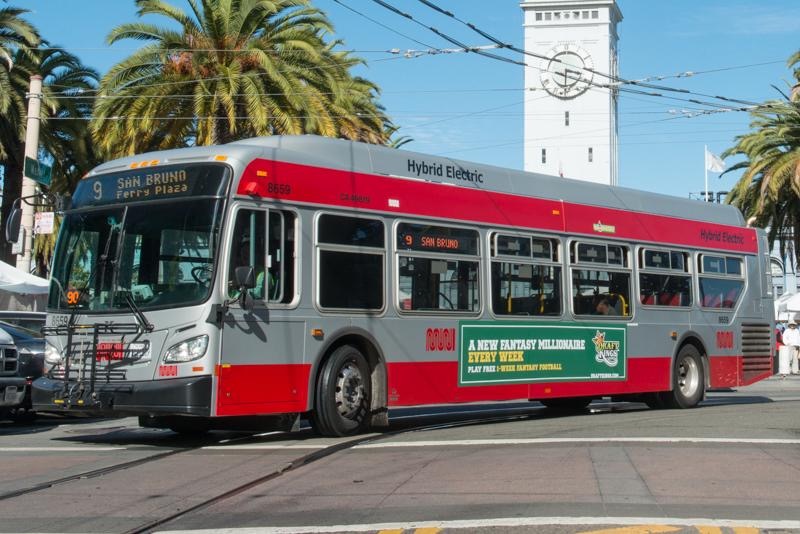
Jackson, Mississippi, has bolstered its JTran public transit system by incorporating four hybrid electric buses sourced from Mississippi Valley Truck & Tractor, a trusted local dealer. These advanced vehicles combine diesel engines with electric propulsion, delivering superior fuel efficiency and drastically reduced emissions compared to conventional diesel models. The purchase aligns perfectly with federal initiatives under the Bipartisan Infrastructure Law, which provides substantial grants to promote cleaner transit options in American cities.
The buses feature cutting-edge hybrid technology that automatically switches between power sources based on demand, optimizing performance during stop-and-go urban routes. With a robust 300+ horsepower output, each bus offers a 250-mile range per charge cycle and accommodates up to 40 passengers, including full ADA compliance for accessibility. Regenerative braking systems recapture energy during deceleration, further enhancing efficiency, while low-noise operations minimize urban disturbances. This fleet expansion not only modernizes Jackson's infrastructure but also positions the city as a forward-thinking leader in mid-sized U.S. markets pursuing hybrid electric buses for public transit.
The simultaneous launch of the JTran Transit Study adds strategic depth to this initiative. This comprehensive evaluation examines current route efficiencies, ridership patterns, and potential expansions. Preliminary projections indicate a 15-20% surge in daily passengers by 2027, attributed to the hybrid buses' reliability and passenger appeal. The study incorporates community feedback mechanisms, ensuring that upgrades reflect real-world needs, such as extended evening services and connections to key employment hubs.
Hybrid electric buses deliver tangible environmental benefits that extend far beyond Jackson's borders. According to EPA benchmarks, these vehicles slash CO2 emissions by 20-40% per mile traveled compared to pure diesel alternatives. For Jackson's four-bus addition, this translates to an estimated annual reduction of 80-100 tons of greenhouse gases, contributing significantly to Mississippi's climate goals.
Fuel savings are equally compelling. Hybrids achieve 6-8 MPG equivalents versus 4-5 MPG for diesel, potentially trimming Jackson's yearly fuel expenses by $50,000 across the fleet. Maintenance costs drop by 30-40% due to fewer moving parts and self-charging batteries, with full payback on investment achievable in just 3-4 years when factoring in federal incentives. Noise pollution decreases from 85 decibels in diesel buses to around 70 decibels, fostering quieter neighborhoods and improved public health.
| Benefit Category | Diesel Buses | Hybrid Electric Buses | Annual Savings/Impact |
|---|---|---|---|
| Fuel Consumption | 4-5 MPG | 6-8 MPG equivalent | 25-35% reduction |
| Emissions (CO2 tons/year per bus) | 50-60 | 30-40 | 35% lower |
| Maintenance Costs | $0.15/mile | $0.10/mile | $15,000 per unit |
| Noise Levels | 85 dB | 70 dB | Healthier urban environment |
Real-world parallels from Chattanooga, Tennessee, where a similar hybrid rollout boosted ridership by 18% within a year, reinforce these outcomes. Jackson's JTran study will monitor these metrics rigorously through 2026, providing data that other cities can benchmark against.
Upfront costs for hybrid electric buses range from $500,000-$600,000 per unit new, but used models from certified suppliers like KeyChain slash this to $150,000-$300,000—often 50% less. Jackson's acquisition leveraged a mix of local procurement and grants, keeping total outlay under $2 million for the quartet. Operational savings quickly offset this: expect $20,000-$25,000 per bus annually in fuel alone, plus rebates from the Inflation Reduction Act covering up to 30% of purchase price.
Long-term, hybrids extend vehicle lifespan to 12-15 years with proper maintenance, versus 10 years for diesel. Insurance premiums dip 10-15% due to lower accident risks from advanced safety features like collision avoidance systems. For budget-conscious operators, this equation proves irresistible, especially amid rising diesel prices hovering at $4.50/gallon in early 2026.
The global hybrid electric bus market is exploding, forecasted to reach $25 billion by 2028 with a 12% compound annual growth rate. In 2025 alone, U.S. municipalities ordered over 2,500 units—a 22% jump from 2024—spurred by President Trump's post-reelection infrastructure investments. Key drivers include solid-state battery innovations promising 15-year lifespans and doubled energy density, alongside $5 billion in federal rebates targeting public fleets.
China dominates production, supplying 60% of worldwide hybrids at 40% lower costs than Western manufacturers. This edge stems from economies of scale and rapid R&D; Shenzhen's full-hybrid fleet, for instance, has logged millions of miles with 99% uptime. Export volumes hit record highs in 2025, with suppliers like KeyChain dispatching 300+ units to North America and Europe. Emerging trends point to V2G (vehicle-to-grid) integration, allowing buses to feed power back to city grids during off-peak hours, potentially generating revenue streams for operators.
Policy tailwinds amplify this momentum. The U.S. Federal Transit Administration (FTA) expanded Low-No grants in 2026, offering up to $1 million per bus for hybrids. Europe's Green Deal mandates 50% zero-emission fleets by 2030, while Asia-Pacific growth surges on urbanization. For transit planners, staying ahead means prioritizing hybrids now to lock in subsidies before budgets tighten.
Jackson's initiative mirrors triumphs elsewhere, offering replicable blueprints:
- London, UK: Deployed 2,000+ hybrids since 2016, halving NOx emissions on key routes. Ridership climbed 12%, with 95% of buses now zero-emission ready.
- Shenzhen, China: Transitioned 16,000 buses to hybrid/electric by 2020, slashing energy use 70% and saving $1 billion yearly. This rapid pivot inspires megacity operators globally.
- Los Angeles, USA: 2025 trials of 500 hybrids yielded 28% emission cuts and 10% farebox recovery gains, informing scalable U.S. strategies.
These examples reveal a proven 3-step adoption framework:
1. Route Assessment: Map hilly or congested paths where regenerative braking shines, maximizing ROI.
2. Funding Securement: Tap FTA grants or IRA credits—Jackson secured 40% coverage this way.
3. Supplier Partnerships: Opt for vetted used inventory to cut capex; KeyChain ensures OEM-grade quality.
Jackson's JTran study weaves in these lessons, with Phase 1 results slated for Q2 2026 public release.
Sourcing hybrid electric buses demands a structured approach to avoid pitfalls:
1. Define Specifications: Match capacity (30-60 seats), range (200+ miles), and budget—used hybrids start at $150K.
2. Spec Research: Demand EPA-verified hybrids with 500V+ systems and 10-year battery warranties.
3. Supplier Vetting: Select exporters like KeyChain (keychainauto.com) with ISO certifications and global logistics.
4. Testing Protocol: Run 1,000-mile trials, verifying DOT compliance and performance under load.
5. Financing Optimization: Stack IRA tax credits (30% off) with low-interest green loans.
Common risks—battery degradation or counterfeit parts—are nullified by KeyChain's rigorous inspections, including 100,000+ km durability tests. Their inventory spans high-performance buses and trucks, tailored for international export.
Initial hurdles like charging infrastructure and higher capex persist, but grants bridge 40-60% of gaps. Jackson addresses this via dedicated depots and solar canopies. By 2030, BloombergNEF predicts 40% of U.S. buses will be hybrid or electric, with JTrans routes expanding 25% by 2028.
Technological leaps, such as AI route optimization, will amplify gains. KeyChain's used hybrid electric buses empower fleets to leapfrog these trends affordably, ensuring competitiveness in a net-zero era.
Emulate Jackson's success with KeyChain's proven solutions. Contact us now at +8613572980919 or abbie@keychainventure.com. Explore keychainauto.com for ready-to-deploy hybrid electric buses—your gateway to sustainable, high-performance transit. Act today for tomorrow's efficiency!
Contact us to get more information!
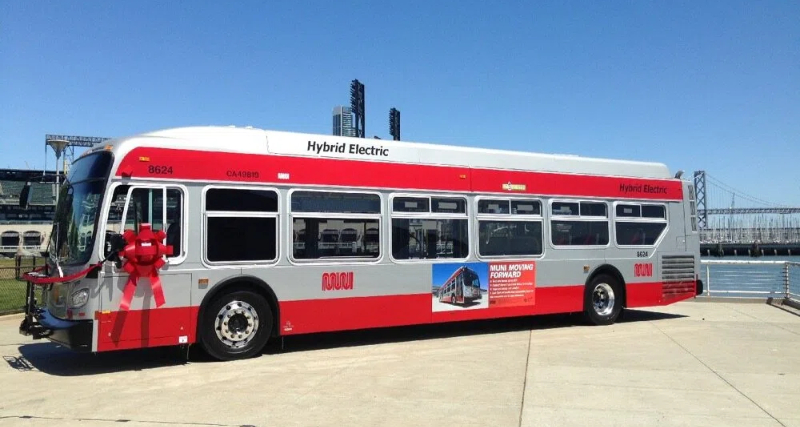
Hybrids reduce emissions by 30-40%, cut fuel costs 25%, and lower noise levels, making them perfect for dense urban environments. Jackson's fleet demonstrates these gains through higher ridership and savings.
Prices fall between $150,000-$300,000—half the cost of new units. KeyChain provides warrantied stock with full inspections for immediate deployment.
Public input is welcomed via jtransit.com, influencing 2026 route expansions and hybrid integrations.
FTA Low-No grants and IRA credits cover up to $100K per unit. KeyChain assists with applications for seamless funding.
Every unit undergoes comprehensive OEM inspections, parts replacement, and export certifications, ensuring 100,000+ km of reliable service.
1. https://bus-news.com/jackson-gains-four-hybrid-electric-buses-launches-jtran-transit-study/
2. https://www.keychainauto.com
3. https://www.epa.gov/smartway/hybrid-electric-buses
4. https://www.transit.dot.gov/funding/grants/low-or-no-emission-grants
5. https://about.bnef.com/electric-vehicle-outlook/


