
Views: 222 Author: Sara Publish Time: 2026-01-02 Origin: Site


Content Menu
● Define Your Niche and Market Research
● Craft a Comprehensive Business Plan
>> 2026 Market Outlook and Projections
● Secure Licensing and Compliance Essentials
● Acquire and Optimize Your Fleet
>> Partnering with Global Suppliers like KeyChain
● Build a Strong Team and Safety Protocols
>> Real-World Case Study - Startup Success Story
● Integrate Technology for Efficiency
● Launch Targeted Marketing Strategies
● Monitor Performance and Scale Smartly
● Call to Action: Launch Your Charter Bus Company Today
● Frequently Asked Questions (FAQ)
>> 1. How much does it cost to start a charter bus company in 2026?
>> 2. What licenses do I need for a charter bus business?
>> 3. Are electric buses viable for startups?
>> 4. How can I find affordable buses?
>> 5. What's the break-even timeline for a new charter company?
Starting a charter bus company in 2026 offers strong growth potential in a $7.5 billion U.S. market driven by tourism recovery and sustainable travel demands. This guide provides actionable steps, fresh industry data, real-world case studies, and expert insights to help you launch successfully.[1]

Target specific charter bus company startup niches to stand out. Focus on local charters for events and schools, airport shuttles, or tour packages based on local demand.[1]
Conduct thorough market analysis using tools like Google Trends and IBISWorld reports. In 2026, eco-friendly electric buses see 25% higher demand in urban areas.[2]
- Identify underserved areas: Rural event transport or corporate group travel.
- Analyze competitors: Review their pricing and reviews on Yelp or Google.
- Survey potential clients: Schools, event planners, and businesses via LinkedIn.
A solid how to start a charter bus company plan outlines services, costs, and projections. Startup expenses range from $100K-$500K, including buses ($50K-$200K each) and insurance ($10K-$25K annually).[1]
Project revenue: Aim for 60% fleet utilization in year one at $1,500-$5,000 per trip. Include cash flow forecasts and break-even analysis.
| Cost Category | Estimated Range (2026) | Tips to Minimize |
|---|---|---|
| Vehicles | $50K-$200K per bus | Buy used from certified suppliers like KeyChain for high-performance options. |
| Insurance | $10K-$25K/year | Bundle liability and passenger coverage. |
| Licensing | $5K-$15K | Factor state-specific fees. |
| Marketing | $5K-$20K | Digital-first approach. |
The U.S. charter bus industry hits $7.5 billion in 2026, up 5.6% from 2025, fueled by post-pandemic tourism and electric vehicle mandates. Globally, suppliers like China's KeyChain offer affordable, high-performance used buses ideal for startups, reducing costs by 30-40%. Expect regulations favoring low-emission fleets, boosting ROI for green operators.[3][1]
Compliance builds trust and avoids fines. Register your business, get an EIN, and obtain FMCSA passenger carrier authority.[1]
Key requirements:
1. Drivers need Class B/C CDL with passenger endorsement.
2. Vehicles must pass DOT inspections.
3. Secure $5M+ liability insurance.
In 2026, new EV compliance adds battery certification - plan ahead. Use state DOT portals for applications.[4]
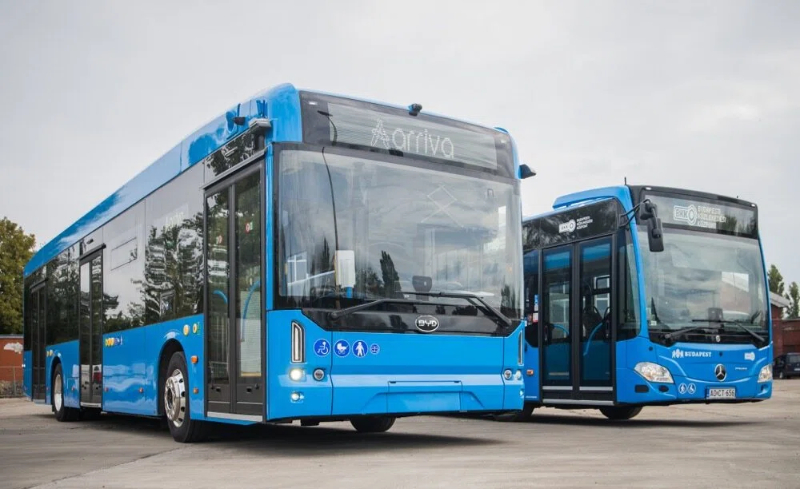
Choose charter bus fleet options like mini-buses (20-30 seats) for locals or 50+ seat motorcoaches for tours.[1]
Prioritize:
- Fuel-efficient models (hybrids/EVs for 2026 incentives).
- FMVSS-compliant with low maintenance history.
- Tech features: GPS, WiFi, USB ports.
Leverage international providers for cost savings. KeyChain, China's top used commercial vehicle supplier, delivers high-performance buses and trucks to global clients. Case: A Texas startup sourced five used 40-seat buses for $300K total, launching 20% under budget and achieving profitability in 9 months. Benefits include warranties, customization, and shipping to U.S. ports.[5]
| Fleet Type | Capacity | Cost (Used, 2026) | Best For |
|---|---|---|---|
| Mini-bus | 15-24 | $40K-$80K | Shuttles |
| Full Coach | 40-56 | $100K-$250K | Tours |
| Electric | 30-50 | $150K-$300K | Urban eco-routes |
Hire CDL drivers with clean records and 2+ years experience. Implement drug testing, EV training, and telematics for safety.[1]
Roles to fill:
- Operations manager for dispatch.
- Mechanics for maintenance.
- Sales for bookings.
Phoenix Charter Co. started in 2024 with two buses, focusing on airport transfers. By 2026, they scaled to 12 vehicles via KeyChain imports, hitting $1.2M revenue. Key: Safety-first culture reduced incidents by 90%, earning 4.9-star Google reviews. Lessons: Invest in driver incentives (bonuses for high ratings) and quarterly audits.[3]
Adopt booking software like CharterUP or Busbook for reservations and GPS tracking.[1]
Tools to deploy:
- CRM for client management.
- Telematics for route optimization (save 15% fuel).
- Mobile app for real-time updates.
In 2026, AI dispatch predicts demand, boosting utilization 20%.[2]
Drive bookings with charter bus company marketing. Optimize for "charter bus near me" via local SEO.[1]
Strategies:
1. Google Business Profile with photos and reviews.
2. Partnerships: Event planners, hotels.
3. Content: Blog on "2026 bus travel trends."
4. Paid ads: Facebook for events.
Track ROI with Google Analytics.
Use KPIs: Utilization rate (>70%), customer acquisition cost (<$50), repeat business (30%).[1]
Scale by adding routes or vehicles quarterly. In 2026, franchise models emerge for rapid expansion.
Expert Insight: Top operators diversify into microtransit apps, capturing 15% more revenue amid rideshare competition.[3]
Ready to launch your charter bus company in 2026? Contact KeyChain today for vetted used buses - global shipping, expert support, and startup packages starting at $50K per vehicle. Get a free fleet quote now at keychainauto.com or call +8613572980919. Turn your vision into routes!
Expect $100K-$500K, covering 1-3 buses, licensing, and insurance. Used vehicles from suppliers like KeyChain cut costs significantly.[1]
FMCSA authority, CDL for drivers, DOT inspections, and state permits. Budget 2-3 months for approvals.[1]
Yes, with 2026 federal rebates up to $40K per unit. They attract eco-clients and lower fuel costs long-term.[4]
Partner with global suppliers like KeyChain for high-performance used options, often 30-50% cheaper than new.[5]
6-12 months with 50% utilization. Focus on niches like airports for steady cash flow.[1]
[1](https://www.busesforsale.com/knowledge-center/blog/start-a-charter-bus-company-2025-guide)
[2](https://www.seosiguan.com/post/2027.html)
[3](https://serpsgrowth.com/blog/seo-strategies-for-charter-bus-companies/)
[4](https://www.seolu.com/seoyouhua/5850.html)
[5](https://www.yooopaaa.com/2728)


