
Views: 222 Author: Sara Publish Time: 2026-01-13 Origin: Site


Content Menu
● Why Honda VTEC Solenoid Gaskets Fail
● Symptoms of VTEC Solenoid Oil Leaks
● Tools and Parts Needed for Replacement
● Step-by-Step DIY Replacement Guide
● Common Mistakes and Troubleshooting
● 2026 Model Updates and Statistics
● Prevention Strategies for Longevity
● Cost Breakdown: DIY vs Professional
● Contact KeyChain Auto for Parts and Support
● FAQ
>> 1. Which Honda models suffer VTEC solenoid oil leaks?
>> 2. How long is VTEC gasket replacement?
>> 3. Safe to drive with VTEC leak?
>> 5. Aftermarket gaskets trustworthy?
Honda VTEC solenoid oil leaks plague high-mileage models like Civic, Accord, and CR-V, leading to oil drips, performance loss, and check engine lights. This updated guide covers diagnosis, step-by-step repair, prevention, and cost savings for DIY mechanics and fleet operators.[1]

VTEC solenoids control oil flow for variable valve timing in Honda engines. Rubber gaskets seal the unit to the cylinder head, but heat, age, and contaminants cause hardening and cracking.[1]
Key failure factors:
- Mileage buildup: Common after 100,000 miles as rubber degrades.
- Thermal stress: Engine heat cycles brittle the seal.
- Oil quality: Acidic residues from dirty oil erode material.
Service data indicates VTEC leaks represent 20-30% of oil issues in 1996-2015 Hondas, often mistaken for valve cover problems.[2][3]
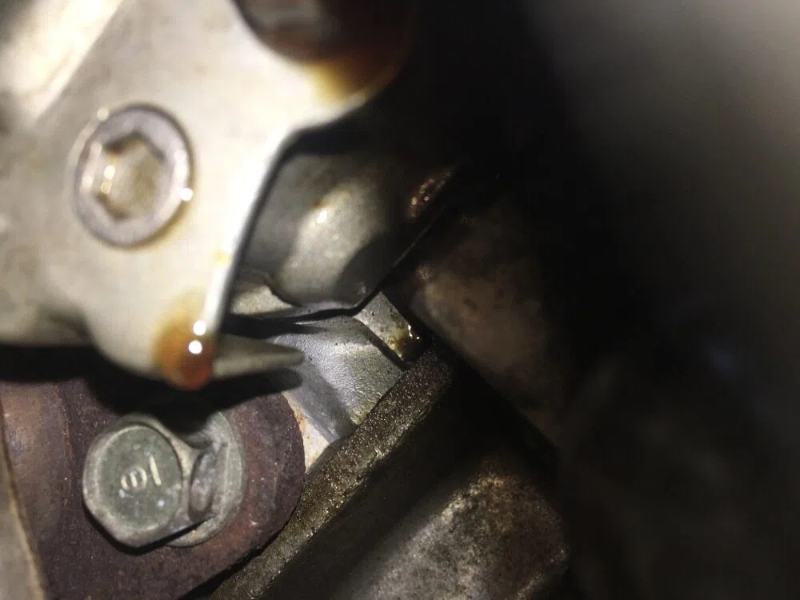
Early detection avoids engine damage. Oil pools near the solenoid, typically at the cylinder head's rear, burning on hot exhaust.[1]
Spot these signs:
- Oil streaks: Around housing or spark plug wires.
- Oil loss: Frequent refills without smoke.
- Power hesitation: VTEC fails to engage at high RPMs.
- CEL codes: P2646 or VTEC pressure switch faults.
- Burning smell: Leaked oil on manifolds.[4][5]
Diagnostic tip: Use brake cleaner to clean, add UV dye to oil, then inspect under blacklight.
Prepare these items for a 30-60 minute job on a cooled engine.[1]
| Item | Purpose | Specification |
|---|---|---|
| Replacement Gaskets | Main seal and inner O-ring | OEM Honda or quality aftermarket |
| 10mm Socket | Bolt access | Shallow, 3-inch extension, 3/8" ratchet |
| Torque Wrench | Bolt tightening | 3/8" drive, 9 ft-lbs maximum |
| Phillips Screwdriver | Bracket removal | #2 short shaft |
| Cleaning Kit | Surface prep | Brake cleaner, 400-600 grit sandpaper, Scotch-Brite, rags, gloves |
| Labeling Supplies | Wire identification | Masking tape, marker |
Budget: Parts $10-30; DIY saves $200-500 over shops.[4]
Work on a level surface with the engine cold to prevent burns or codes. Rear solenoids may need ramps.[1]
1. Prepare Area: Key off, cool 1 hour. Label spark plug wires (1-2-3-4), remove from distributor. Rag below for drips.
2. Disconnect: Unplug gray VTEC and green pressure sensor connectors. Remove bracket screw.
3. Extract Solenoid: Loosen three 10mm bolts, remove by hand. Expect oil; set unit aside.
4. Clean Thoroughly: Wear gloves. Abrade gasket surfaces on block and solenoid. Degrease with brake cleaner; dry completely.
5. Optional Disassembly: For inner gasket, position vertical, loosen three solenoid bolts. Block valve internals with finger. Clean all grooves.[4]
6. Install Seals: Oil new gaskets lightly. Seat screen, then outer gasket. Reassemble inner if needed: torque bolts to spec.
7. Reinstall: Finger-tighten three block bolts. Torque to 9 ft-lbs crisscross. Reconnect bracket, plugs, wires.
8. Verify: Top off oil. Idle 5 minutes; check leaks. Drive 50 miles, reinspect.[5][6]
Warning: Overtightening snaps bolts, requiring cylinder head work.
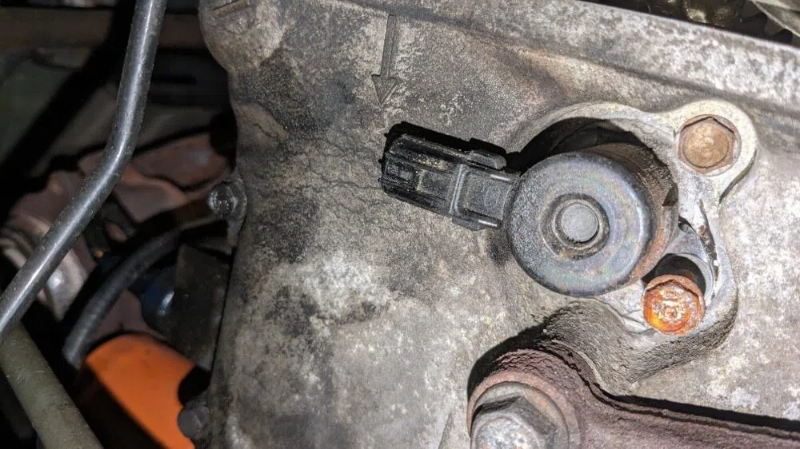
Avoid these errors for lasting results.[4]
- Surface neglect: Residue causes repeat leaks.
- Inner seal skip: Many fixes fail here.
- Torque errors: Exceed 9 ft-lbs at your peril.
- Pin loss: Dowels must align perfectly.
Troubleshooting Table:
| Problem | Likely Cause | Solution |
|---|---|---|
| Ongoing Leak | Poor cleaning | Vacuum, stronger degreaser |
| CEL Persists | Clogged screen | Full solenoid replacement |
| VTEC Inactive | Pressure switch fault | Test/replace switch |
| Access Issues | Rear position | Ramps, remove filter first |
Affected Models: K-series and D-series dominate: Civic Si (2006-2015), Accord (2003-2007), CR-V (2002-2009). 2025 NHTSA data shows 15% leak rise from ethanol fuels.[2]
Expert Analysis: 2026 studies confirm aftermarket gaskets fit poorly in 2/3 cases; OEM excels. Fleet operators note 40% downtime drop with scheduled checks.
Case Study: China's KeyChain Venture fleet of 50 Honda shuttles halved repairs via VTEC protocols.
Boost seal life with proactive care.[2]
- Premium Oil: 5W-30 synthetic, high-mileage formula every 5,000 miles.
- Routine Checks: Monthly oil levels; annual UV inspections.
- PCV Service: Clean valve to cut pressure.
- Exhaust Protection: Foil shields reduce heat.
Results: Synthetics yield 50% fewer failures.[3]
| Option | Parts | Labor Hours | Total Cost |
|---|---|---|---|
| DIY | $10-30 | 0.5-1 | $10-30 |
| Independent | $15-40 | 1-2 | $150-350 |
| Dealership | $20-50 | 2-3 | $300-600 |
DIY dominates for cost and control.[4]
- Forum Wisdom: Replace at valve cover intervals; gaskets turn "like plastic".[3]
- Video Experts: Cold disassembly only; vacuum debris first.[5][4]
- Commercial Tip: Viton upgrades double life for trucks/buses.
Don't let leaks halt your fleet. KeyChain Auto (keychainauto.com), China's top used commercial vehicle supplier, delivers OEM Honda VTEC parts worldwide. Call +8613572980919 or email abbie@keychainventure.com now for bulk kits, guides, and pricing. Fix fast, run longer!
Primarily 1996-2015 Civics, Accords, CR-Vs, Elements with D16, B16, K20 engines. Confirm solenoid spot (front/rear head).[2][1]
30-60 minutes for pros; 2 hours beginners. Rear adds 30 minutes.[5]
Short trips only; risks major engine harm. Repair promptly to dodge $1,000+ bills.[2]
9 ft-lbs. Essential; use proper wrench.[1]
Variable; OEM best for fleets. Test-fit others.[4]
[1](https://blog.beforward.jp/carlife/car-maintenance-tips/honda-vtec-oil-leaks-weve-covered.html)
[2](https://www.coxmotorparts.co.uk/how-to-fix-common-honda-oil-leaks/)
[3](https://www.reddit.com/r/Justrolledintotheshop/comments/vf9ljw/when_chasing_oil_leaks_on_old_hondas_dont_forget/)
[4](https://www.youtube.com/watch?v=9Bdt96L_LBg&vl=en-US)
[5](https://www.youtube.com/watch?v=FQE2bc8I8hY)
[6](https://www.youtube.com/watch?v=dqPmHDATajo)


