
Views: 253 Author: Keychain Venture Publish Time: 2026-06-25 Origin: Site


Content Menu
● What "ULEZ‑Exempt Used Car" Really Means in 2026
● Why ULEZ‑Exempt Used Cars Matter More Than Ever
● Key Buying Criteria from an Expert's Perspective
>> 1. Compliance and longevity
>> 3. Running costs and residual value
● Best Types of ULEZ‑Exempt Used Cars in 2026
>> 1. Full electric cars (BEVs)
>> 2. Hybrid and plug‑in hybrid cars
>> 3. Modern petrol Euro 4+ and diesel Euro 6 cars
● Representative ULEZ‑Friendly Used Car Types and Their Strengths
● Lessons from Commercial NEV Fleets (And Why They Matter to You)
>> What large fleets prioritise
>> How this translates to private ULEZ buyers
● Practical Step‑by‑Step Checklist for Buying a ULEZ‑Exempt Used Car
● How Commercial NEV Expertise Strengthens This Advice
● Call to Action: Plan Your ULEZ‑Proof Mobility Strategy
● FAQs about ULEZ‑Exempt Used Cars
>> 1. How do I check if a specific used car is ULEZ‑exempt?
>> 2. Are all electric cars automatically ULEZ‑exempt?
>> 3. Is a Euro 6 diesel always safe to buy for ULEZ use?
>> 4. Are hybrids a better choice than EVs for long‑distance driving?
>> 5. Will ULEZ rules become stricter in the future?
As an industry practitioner working daily with new energy vehicles (NEVs), commercial fleets and global exports, I look at ULEZ‑exempt used cars not just as a driver, but as someone who sees how regulations, technology and total cost of ownership play out in real fleets around the world. This guide blends that expert view with what real buyers care about: low running costs, reliability, future‑proof compliance and practical everyday usability in and around London's Ultra‑Low Emission Zone (ULEZ).
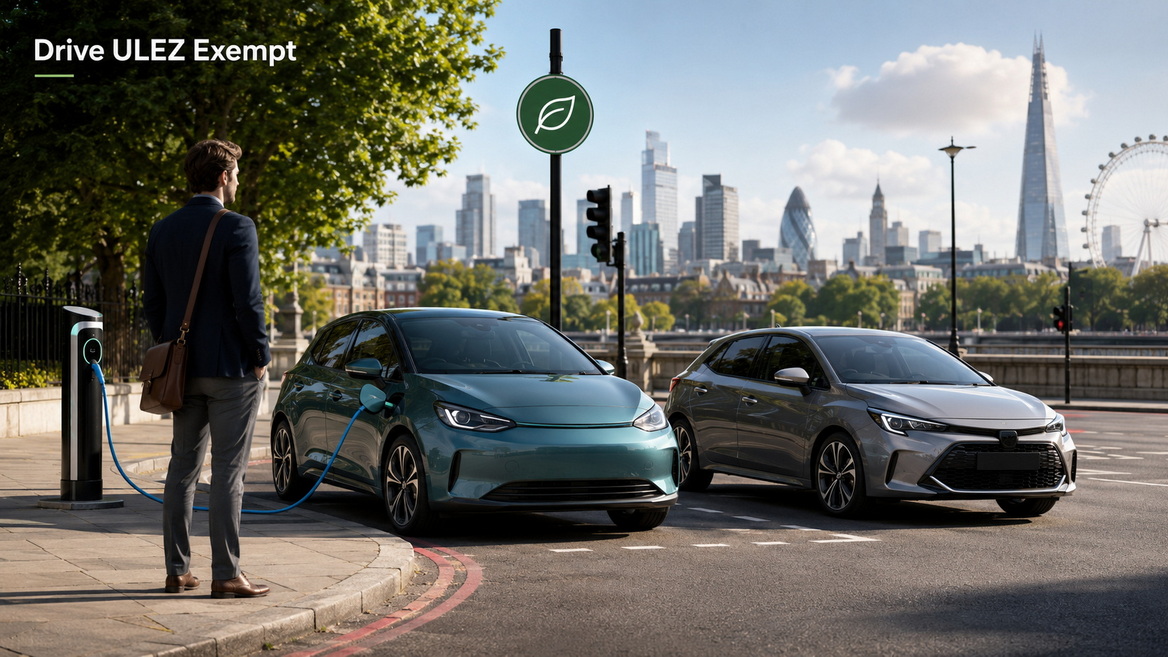
To choose the best ULEZ‑exempt used car, you first need to understand how Transport for London (TfL) judges emissions compliance, because this is what decides whether you pay the daily charge. In simple terms, a car must meet specific Euro emissions standards or be fully zero‑emission at the tailpipe to avoid the fee.
- Euro 4 petrol: Most petrol cars registered from 2006 onwards qualify for ULEZ exemption, with some compliant models dating back to around 2001. - Euro 6 diesel: Most diesels from September 2015 onwards are compliant; older diesels usually are not. - Electric and many hybrids: Battery‑electric vehicles (BEVs) and most modern hybrids are fully ULEZ‑exempt because they have ultra‑low or zero tailpipe emissions.
From my fleet and export‑side experience, electrified vehicles (full EVs and strong hybrids) tend to age better in cities because stop‑start traffic actually plays to their strengths: regenerative braking, quiet operation and extremely low local emissions. That is why, when advising fleet clients or private buyers, I now treat petrol and diesel as a fallback rather than the default choice for ULEZ use.
ULEZ is not just a local London rule; it is part of a global trend towards clean‑air zones and low‑emission regulations that many other cities are copying. As a Chinese NEV exporter dealing with buses and heavy trucks, I see the same pattern in markets from Europe to Latin America: tighter standards, more penalties for high emitters, and incentives for clean vehicles.
For individual drivers and small businesses in or near London, ULEZ‑exempt used cars deliver several tangible benefits:
- No daily ULEZ charge when driving inside the zone, which quickly adds up to thousands of pounds per year for regular commuters. - Better air quality in dense urban areas thanks to lower NOx and particulate emissions, a priority in all major clean‑air policies. - Higher future‑proofing as other UK cities consider or expand similar clean‑air or low‑emission schemes.
From the commercial side, we see large operators shifting whole fleets to electric buses and trucks to avoid similar penalties in low‑emission corridors. For a private buyer, choosing a ULEZ‑exempt used car is a smaller‑scale version of the same strategic decision: lower risk, more flexibility and better long‑term cost control.
When I work with fleet managers specifying electric buses or heavy trucks, they rarely start with model names; they start with operating requirements and total cost of ownership. You can apply the same professional mindset to choosing a used ULEZ‑exempt car.
- Check the vehicle's Euro emissions standard and confirm ULEZ compliance via the official checker before you buy. - Prefer cars that not only meet today's rules but are aligned with future low‑emission trends, which increasingly favour hybrids and full EVs.
- Daily city commute: Hybrids and compact EVs work best due to low running costs and easy manoeuvrability.
- Mixed city and motorway: Efficient hybrids or modern Euro 6 petrol cars can balance range, cost and compliance. - Occasional long trips: Consider plug‑in hybrids or efficient petrol models; pure EVs are viable if you are comfortable with planning charging stops.
From an exporter's angle, vehicles that are fuel‑efficient, reliable and emissions‑compliant tend to maintain stronger resale values in global markets. In London, you see this reflected domestically: ULEZ‑friendly used hybrids and EVs hold their value better than similar non‑compliant cars.
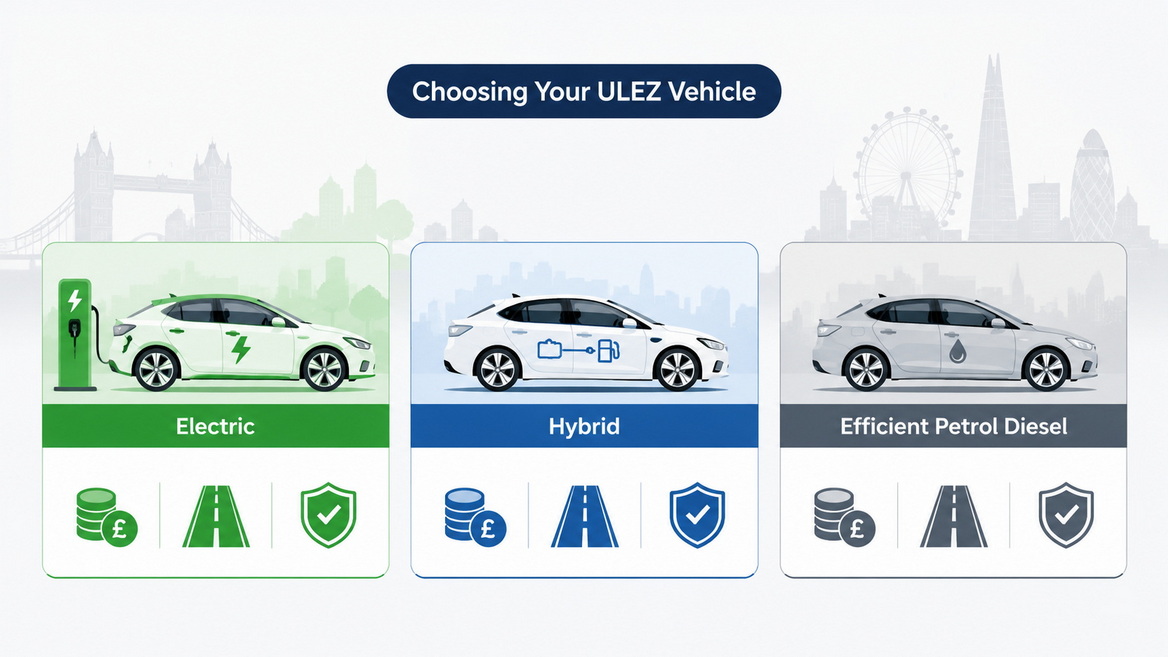
Rather than chase one "perfect" model, think in categories, then shortlist specific cars within each group.
Full electric cars are automatically ULEZ‑exempt and align best with global decarbonisation trends we see in commercial fleets and public transport. Popular used EVs like the BMW i3, Renault Zoe, and compact models from Chinese brands in Europe show strong urban performance and very low daily running costs.
Ideal if you:
- Drive mostly in the city
- Have access to home or workplace charging
- Value quiet, smooth driving and minimal maintenance
Hybrids blend a conventional engine with an electric motor, capturing energy during braking and cutting fuel use in stop‑start conditions—exactly the pattern seen in London traffic. Used Toyota and other popular hybrid models are particularly attractive because their technology has proven robust in taxi, fleet and private use.
Ideal if you:
- Want ULEZ exemption but are not ready to go full electric
- Do regular motorway miles along with city driving
- Value fuel economy and long‑term reliability
There are still excellent ULEZ‑compliant petrol and diesel cars on the used market, especially if you need more space, towing capacity or lower upfront purchase prices. Compact petrol hatchbacks and estate cars often deliver a strong balance of cost, practicality and compliance, especially under £10,000.
Ideal if you:
- Need a budget‑friendly used car with ULEZ exemption
- Prefer conventional refuelling and long range
- Want a familiar driving experience with lower purchase costs
The table below groups typical ULEZ‑exempt used car types with their main practical benefits for London drivers.
| Vehicle type | Typical strengths for ULEZ users | Key considerations |
|---|---|---|
| Compact EV hatchback | Zero ULEZ charge, very low running costs, ideal for short urban trips.evanshalshaw+2 | Check battery health and range; ensure access to regular charging.carwow+1 |
| Hybrid family hatch / estate | Excellent fuel economy in traffic, proven reliability, strong ULEZ compliance.carplus+2 | Service history and hybrid system checks are important.mgstech |
| Plug‑in hybrid (PHEV) | Electric commuting with petrol backup for long journeys.carplus+1 | Real efficiency depends on how often you actually charge. |
| Euro 4+ petrol compact car | Affordable purchase price, simple to run, widely available used.evanshalshaw+1 | Confirm exact variant is ULEZ‑compliant before buying.evanshalshaw |
| Euro 6 diesel estate / SUV | Strong torque and range for frequent long trips, still ULEZ‑exempt.evanshalshaw+1 | Short urban trips can cause DPF issues; consider your driving pattern.carplus |
At KeyChain, most of our day‑to‑day work focuses on new energy buses and heavy trucks, which often run in or between low‑emission urban zones globally. The logic that big operators use to specify vehicles is directly useful when choosing a ULEZ‑exempt used car.
- Energy efficiency in real duty cycles: Electric drivetrains shine in stop‑start routes, where regenerative braking dramatically cuts energy use—exactly like urban driving in London. - Total cost over the vehicle's life: Purchase price is only one element; fuel or electricity, maintenance, downtime and compliance penalties matter just as much. - Regulatory stability: Fleet operators choose technologies that will remain compliant for many years to come, to avoid expensive mid‑life replacements.
- If most of your driving is urban, a used hybrid or EV will usually beat a conventional petrol or diesel on both cost and comfort over time. - If you plan to keep the car for many years, investing in electrification now makes you more resilient to future tightening of city regulations.
In export markets, we now see strong demand for used compliant vehicles from Europe and China because cities want clean fleets fast. London's ULEZ rules are part of this same international shift.
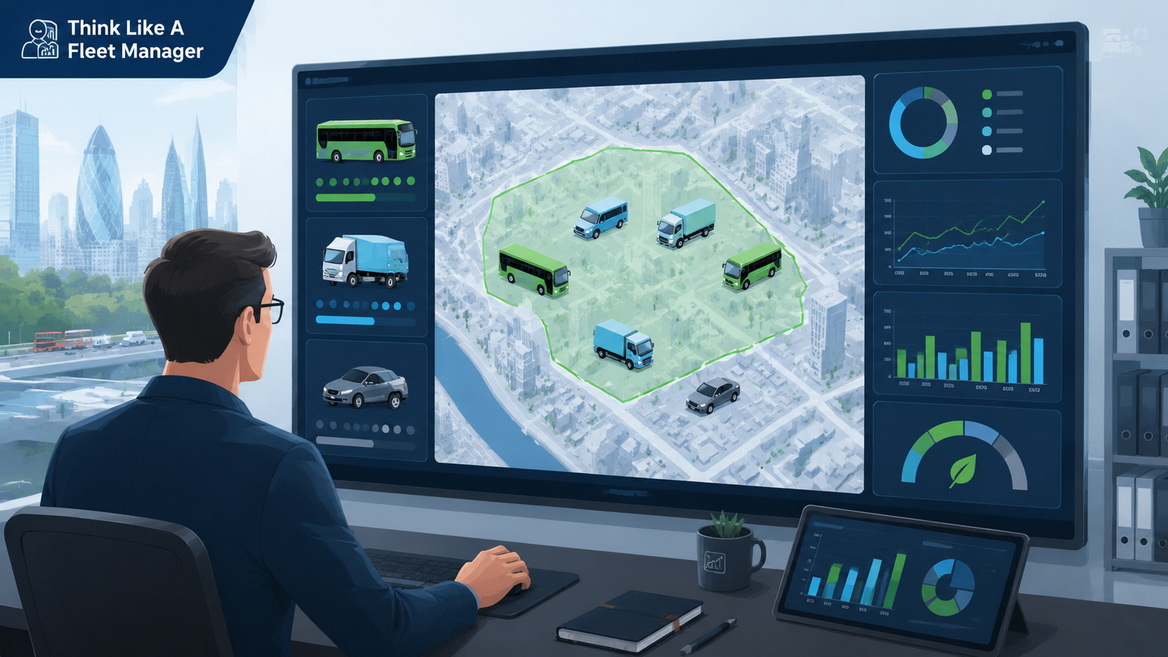
From a professional sourcing and inspection standpoint, here is a simple, actionable checklist you can follow.
1. Confirm ULEZ status first
- Use the official checking tool with the exact registration number to confirm that the car is ULEZ‑exempt.
2. Decide your powertrain strategy
- Mostly city driving with access to charging: prioritise a used EV or hybrid.
- Mixed or high‑mileage pattern: look at efficient hybrids or Euro 6 petrol; choose diesel only if you do frequent long runs.
3. Check service history and high‑value components
- For EVs and hybrids, focus on battery health reports and any warranty information. - For diesels, check DPF‑related maintenance, especially if the car has mainly done short trips.
4. Assess running costs beyond fuel
- Insurance, road tax, anticipated maintenance and tyres all matter in long‑term affordability. - In many cases, the no‑ULEZ‑charge factor can outweigh a slightly higher purchase price over two to three years of regular commuting.
5. Think like a fleet manager
- Ask yourself whether this car will still feel like a smart choice if clean‑air rules spread to more cities or become stricter over time.
Working with electric buses and heavy trucks at KeyChain gives us a wide‑angle view of how cities and operators adapt to low‑emission rules. When we recommend a ULEZ‑exempt used car type, we are leaning on real‑world data from fleets that have already transitioned to NEVs.
For example:
- We see how electric drivetrains reduce operating costs and emissions over high‑mileage urban routes, which is directly relevant to intensive city car users. - We watch how policy changes in one region (for example, Chinese NEV export growth and green product demand) foreshadow similar moves in Europe and the UK.
That is why the message is simple: choosing a ULEZ‑exempt used car today is not just about avoiding a fee; it is about aligning with a long‑term global shift towards clean, efficient and future‑proof mobility.
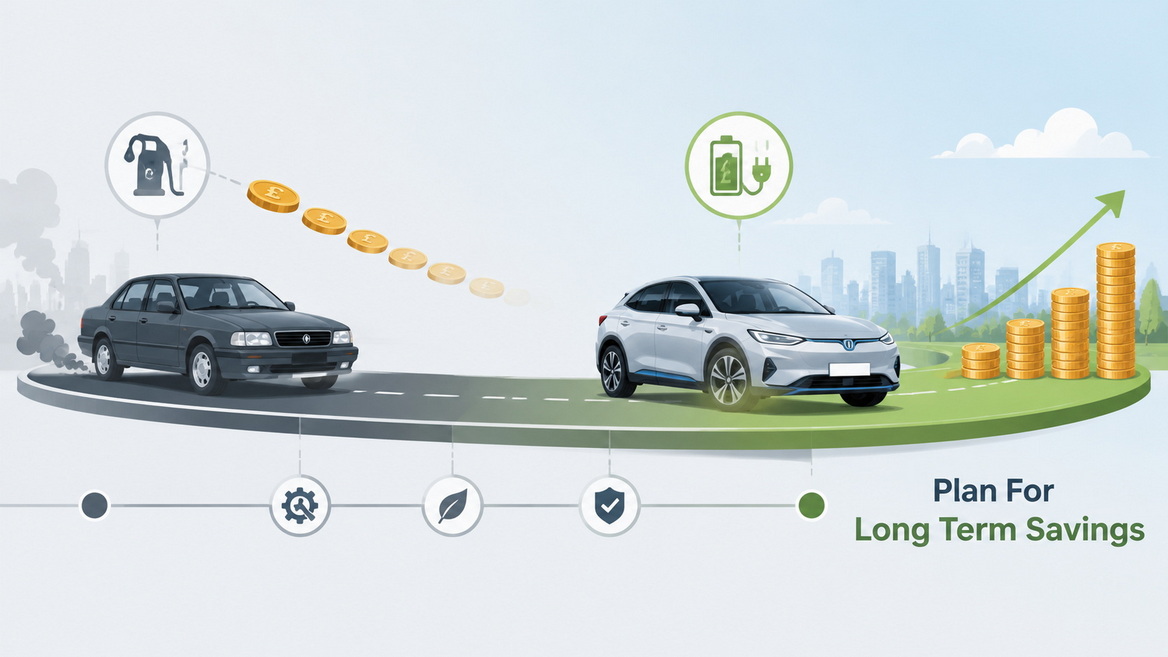
If you drive in or around London regularly, now is the time to audit your current vehicle and plan your next move. Check your car's ULEZ status, clarify your typical driving patterns, and decide whether a hybrid, compact EV or efficient Euro 4+/Euro 6 model best fits your needs and budget.
As a company deeply involved in NEV exports and commercial vehicle sourcing, we recommend adopting the same data‑driven, future‑oriented mindset that successful fleets use. If you are considering a transition to electric or low‑emission vehicles for personal or business use, start researching models now, compare total ownership costs, and map out how charging or fuelling will work in your daily routine.
You can use the official checking tool by entering the vehicle registration, which will confirm whether that specific car is compliant and exempt from the charge.
Yes, fully electric cars are considered zero‑emission at the tailpipe and are therefore exempt from the ULEZ charge under current rules.
Most Euro 6 diesels are compliant, but you should still use the official checker and ensure the car's usage pattern (regular longer runs) supports DPF health.
For drivers who frequently do long motorway trips and have limited charging access, hybrids often provide a more convenient balance of efficiency and range, while still remaining ULEZ‑exempt.
While exact timelines can change, the overall global and UK trend is towards tightening urban air‑quality regulations, which favours hybrids and full EVs over older petrol and diesel cars.
1. Evans Halshaw. "Top 10 Best Used ULEZ Exempt Cars in 2025 For All Budgets." https://www.evanshalshaw.com/blog/best-ulez-exempt-used-cars/
2. Carwow. "10 Best ULEZ-Exempt Cars for Under £10,000 in 2026." https://www.carwow.co.uk/editorial/best-cars/by-price/ulez-exempt-used-cars-under-10000-pounds
3. Carplus. "Best ULEZ-Exempt Cars in 2026." https://carplus.co.uk/magazine/best-ulez-exempt-cars/
4. Swansway Garages. "The Best ULEZ-Friendly Cars to Check Out in 2026." https://www.swanswaygarages.com/blog/the-best-ulez-friendly-cars-to-check-out/
5. KeyChain Venture Co., Ltd. "China New Energy Vehicles Exporter & Supplier – KeyChain." https://www.keychainauto.com/new-energy-vehicles.html
6. Xinhua News. "China's Pursuit of New Energy Facilitates Green Development Worldwide." https://english.news.cn/20240109/ceec0a58a30e49b396d01307fadcb795/c.html
7. BAE Systems. "Heavy Duty Commercial Vehicles – Series-EV Technology." https://www.baesystems.com/en-us/product/electric-truck
8. PhoenixEV. "Home – PhoenixEV Electric Transit Buses." https://phoenixev.ai
9. MGS Tech. "Hybrid Bus and Heavy Truck Systems." https://mgstech.net/technical-articles/hybrid-bus-and-heavy-truck-systems/
10. Alibaba. "Top China Car Export Suppliers." https://www.alibaba.com/supplier/china-car-export.html


