
Views: 222 Author: Keychain Venture Publish Time: 2026-06-23 Origin: Site


Content Menu
● Why Timing Still Matters in the NEV Commercial Vehicle Market
● Global NEV Market Trends You Should Watch Before Buying
● Seasonal and Cyclical Buying Opportunities for NEV Fleets
>> HQuarter‑Ends and Budget Cycles
>> HPolicy Announcement Windows
● Expert Criteria for Deciding the Best Time to Buy NEV Buses and Trucks
● How KeyChain Helps Global Buyers Choose the Right Moment
● Practical Steps: When Should Different Buyers Act?
>> HLogistics and Heavy Truck Fleets
● User Feedback and Real‑World Considerations
● Clear Call to Action for Fleet Buyers
● FAQs: Best Time to Buy New Energy Buses and Heavy Trucks
>> Q1. Is there a "cheapest month" to buy an NEV bus or truck?
>> Q2. Should I wait for the next battery technology update before buying?
>> Q3. How far in advance should I plan infrastructure before ordering vehicles?
>> Q4. Are refurbished or nearly‑new NEV buses a good option if I need vehicles quickly?
>> Q5. How can KeyChain help me decide the best time to buy?
When you move from traditional diesel fleets to new energy buses and heavy trucks, the timing of your purchase changes completely compared with consumer car buying. From my experience working with fleet managers and logistics directors, the "best time" is a strategic window where incentives, technology, and supplier capacity line up to reduce total cost of ownership over 5–10 years—not just the sticker price today.
For KeyChain as a China-based NEV bus and truck exporter, that means helping overseas partners buy when Chinese NEV output, global demand, and regulatory pressures create an ideal entry point for electrification.
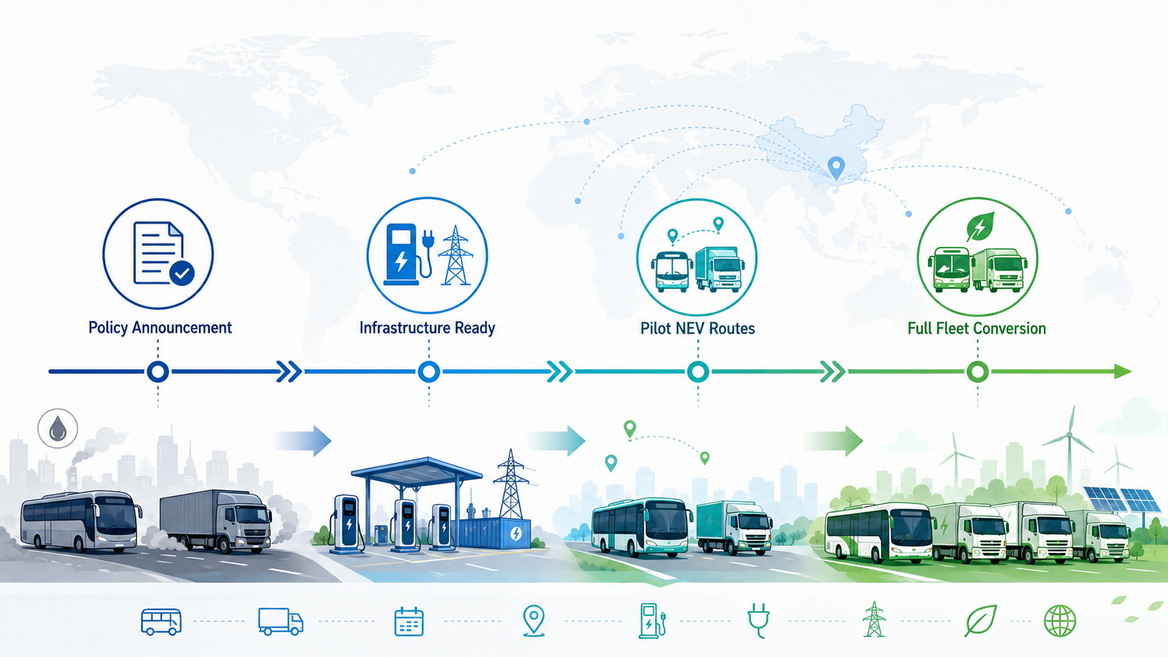
In the UK consumer market, buyers often look at months like December, plate-change periods in March and September, and quarter‑ends to find better car deals. In the NEV commercial segment, timing is more about fleet cycles, policy deadlines, and technology maturity.
Key time factors for bus and truck buyers include:
- Regulatory deadlines for low‑emission zones or diesel phase‑out dates.
- Subsidy windows and tax incentives that can change from year to year. - Model release cycles for new battery packs, range upgrades, and charging compatibility.
From an industry expert perspective, the "best time" is usually when you can lock in incentives and current technology, while avoiding rushed compliance buying just before a regulation hits.
Recent data shows that new energy vehicles are moving from early adoption to mainstream, especially in China and major export markets.
- In 2025, NEVs made up around 30% of global vehicle sales, with China leading in both production and penetration. - China's passenger NEV sales accounted for roughly 70% of the global market, consolidating its leadership.
- Forecasts suggest China's passenger NEV retail sales could reach nearly 15 million units in 2026, with market share approaching 62%. - Overseas market share of Chinese‑branded NEVs jumped from 7.1% in 2023 to 23% in 2026, showing rapidly growing acceptance of Chinese technology and brands.
For a fleet buyer, these trends mean:
- Growing confidence in Chinese NEV buses and trucks, which helps with internal stakeholder buy‑in. - More mature supply chains, making large‑scale orders easier to deliver on time. - Increasing competition among suppliers, which can be an opportunity to negotiate better packages if you time your procurement well.
Just as UK car dealers push hard to meet quarterly targets (March, June, September, December), many commercial vehicle OEMs and exporters work within similar cycles. From an expert buyer's viewpoint, quarter‑ends are often the best moments to:
- Negotiate value‑added extras like extended warranties, training, or spare parts packages. - Align NEV purchases with annual budget approvals, ensuring financing and grants are fully utilised.
If your fiscal year ends in December, closing NEV bus or truck orders in Q4 can help both you and the supplier optimise pricing and payment terms.
Another good time to buy is shortly after government announcements on:
- New NEV incentive schemes. - Changes in import duties or local content rules.
- Expanded low‑emission or zero‑emission zones.
At this stage, policies are clear, but demand spikes have not yet pushed lead times and prices up.
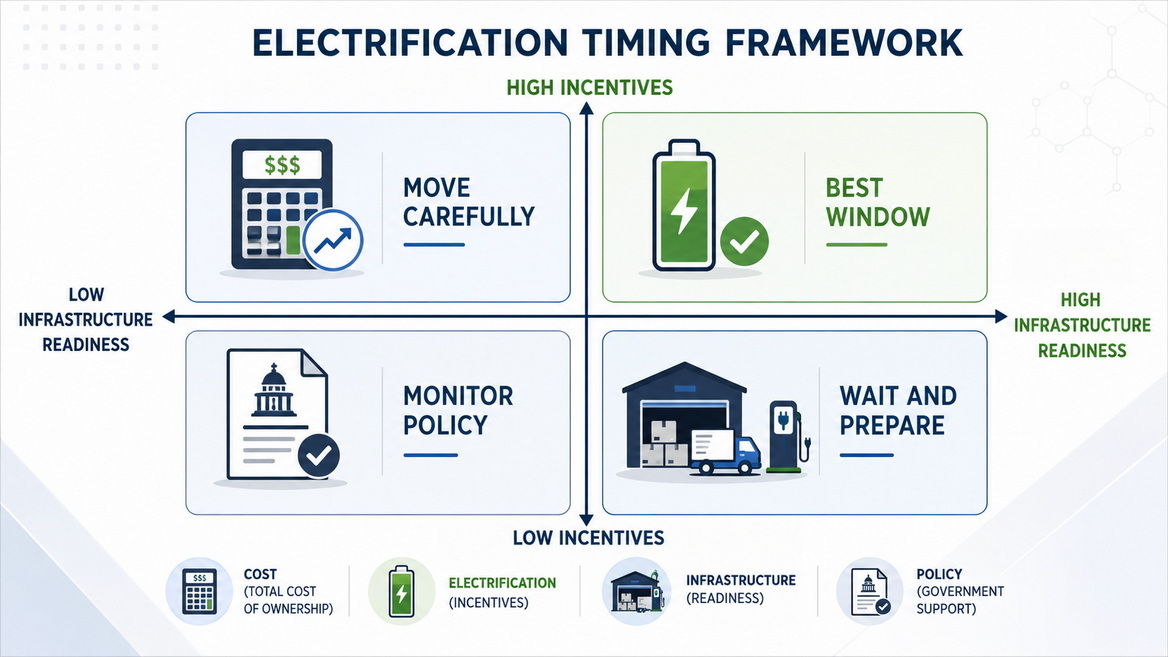
From a fleet and operations perspective, you can evaluate timing using these four expert criteria:
1. Total Cost of Ownership (TCO) over 7–10 years
- Assess battery warranty length, energy consumption per km, maintenance savings vs diesel, and residual value. - The best time to buy is when TCO models show clear savings compared with extending diesel vehicles.
2. Charging and Infrastructure Readiness
- Ensure your depots, routes, and grid connections can support new energy buses or trucks before you sign a large order.
- Often, procurement aligns with completion of a new depot or charging hub project.
3. Operational risk tolerance
- Early adopters buy ahead of the curve to capture incentives and brand benefits.
- Risk‑averse fleets wait for proven models and stable supply, typically 1–2 years after major technology shifts.
4. Supplier capacity and after‑sales network
- Confirm your supplier's ability to deliver spare parts, software updates, and technical training in your region. - The ideal timing is when you can sign a contract that includes strong uptime commitments, not just vehicle delivery dates.
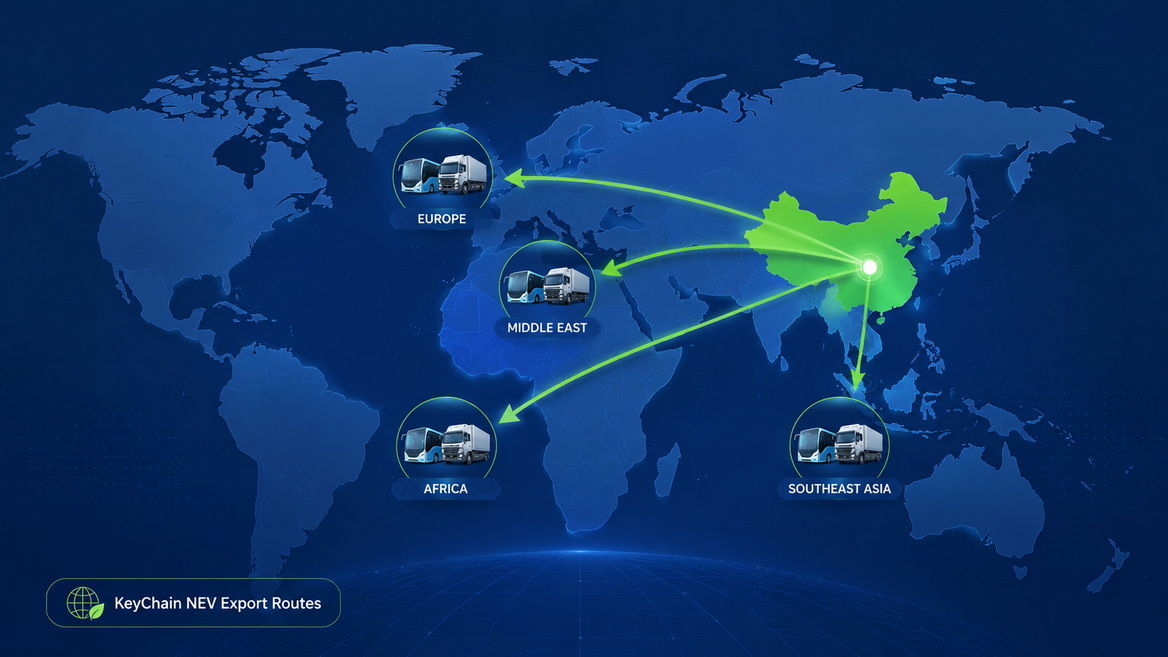
KeyChain positions itself as a China‑based specialist in buses, heavy trucks, and new energy vehicles, exporting high‑performance solutions to international customers. From my work with B2B buyers, three aspects of timing stand out when working with a supplier like KeyChain:
- Synchronising with manufacturing slots in major Chinese factories to avoid peak congestion. - Leveraging refurbished and nearly‑new stock for faster deployment when you need vehicles on the road quickly. - Using data‑driven advisory to decide whether to buy now, phase in over several years, or pilot first before scaling.
An ideal buying window often includes:
- Clear internal decision to electrify a part of the fleet.
- Confirmed funding or financing arrangements. - A ready plan for charging and driver training.
For municipal and private bus operators:
- 12–24 months before new emission rules come into force is the best time to place strategic NEV orders.
- This allows for pilot routes, driver training, and infrastructure rollout without last‑minute pressure.
You might, for example, commit to an initial batch of new energy buses now, then plan a second wave aligned with your next budget cycle.
For logistics companies and long‑haul fleets:
- Start with regional or urban delivery routes where NEV benefits are strongest. - Buy when energy prices and low‑emission zone charges make diesel significantly more expensive than electricity or alternative fuels.
Buying during this inflection point helps your internal ROI models and makes it easier to justify investment to finance teams.
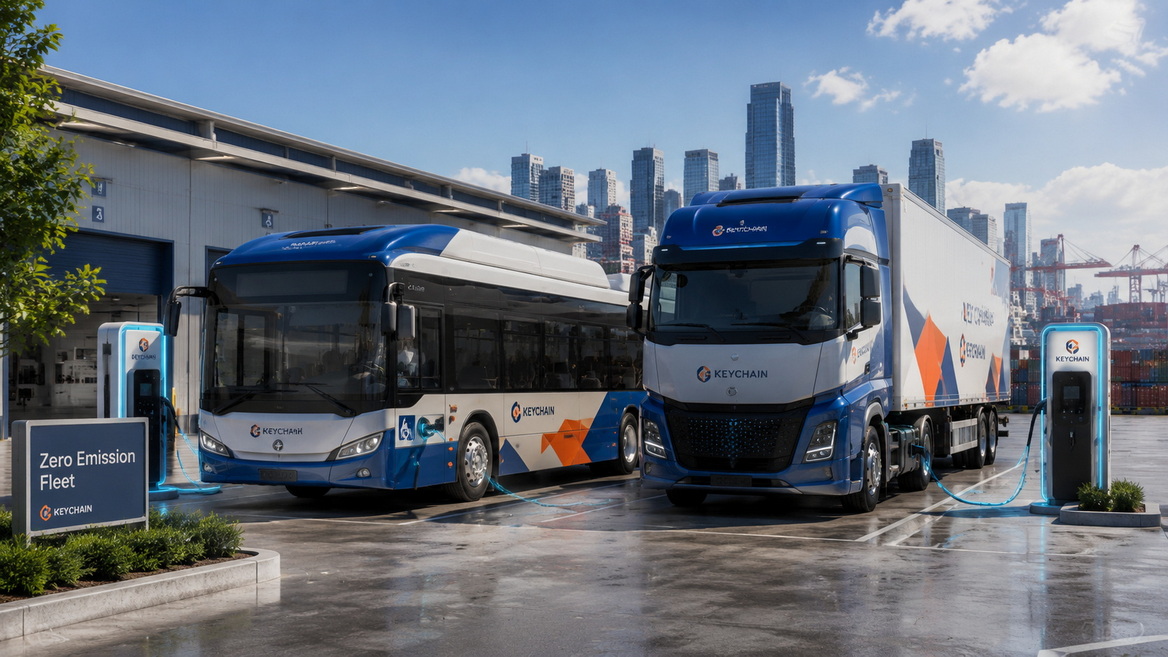
Many fleet buyers share similar experiences when shifting to NEVs:
- They underestimated planning lead time for grid upgrades and chargers.
- They found that buying a small pilot batch first helped de‑risk technology choices. - They appreciated suppliers who offered flexible configurations and retrofit options for existing bodies or chassis.
By integrating this kind of feedback, we can see that the best time to buy is rarely "end of December" as in consumer markets, but rather "after your infrastructure and pilot are ready, before regulatory and cost pressure peak."
- "Talk to KeyChain's NEV specialists to map your best buying window based on local policies, budgets, and routes." - Offer a free TCO and timing assessment, where KeyChain reviews fleet size, regulations, and infrastructure readiness to propose an optimal purchase timeline.
A: Unlike UK consumer car markets, where December and pre‑plate‑change periods often bring discounts, NEV commercial pricing depends more on production slots and incentive schemes. The best month is usually when you can combine policy support, supplier capacity, and your own budget cycle rather than chasing seasonal discounts.
A: If you are running pilots or small fleets, it can make sense to align purchases with significant battery or charging improvements. However, waiting too long can mean missing current incentives and delaying operational savings, so the decision should be based on TCO modelling rather than speculation.
A: Most fleet operators should start infrastructure planning 9–18 months before major NEV orders, depending on grid approvals and construction timelines. Buying vehicles after your core depot and charging designs are finalised reduces commissioning delays and improves rollout reliability.
A: Refurbished or nearly‑new buses from reputable exporters can be a strong bridge solution when you need fast deployment or want to test NEV routes before scaling. They typically offer shorter lead times and lower upfront cost, though you should evaluate warranty terms and battery health carefully.
A: KeyChain can combine market data, Chinese production forecasts, and your local regulatory and operational context to propose an ideal buying schedule. This often includes a phased plan—pilot vehicles now, larger batches aligned with updated policies or budget cycles—to reduce risk while maximising long‑term savings.
1. Evans Halshaw. "When is the Best Time to Buy a Car in the UK?" – https://www.evanshalshaw.com/blog/best-time-to-buy-a-car/2. CarEdge. "The Best Times to Buy a Car: Hour, Day, and Month Explained." – https://caredge.com/guides/best-times-to-buy-a-car3. NYMCU. "Best Times to Buy a Car and Save Big." – https://www.nymcu.org/member-resources/financial-education/best-times-to-buy-car4. Tiger Brokers / ITiger. "Global EV Sales Reach 6.65 Million Units in Jan–Apr 2026, China's Share at 61%." – https://www.itiger.com/news/11982165245. CMBI. "Auto – 2026 Outlook: Second Half of the NEV Match." – https://www.cmbi.com.hk/upload/202512/20251208629168.pdf6. CSPI Ratings. "2026 Credit Outlook: China's New Energy Vehicle Sector." – https://www.cspi-ratings.com/publications/publicationsDetail/Research-Publication-2026-Credit-Outlook-Chinas-New-Energy-Vehicle-Sector
7. KeyChain Auto (KCV). "High-Quality Used Bus Exporter & Commercial Vehicle Supplier." – https://www.keychainauto.com


