
Views: 0 Author: Keychain Venture Publish Time: 2026-06-20 Origin: Site


Content Menu
● Why Truck Leasing Matters More Than Ever
● Stories That Move Us: What Penske Teaches Fleet Owners
● How a Global Heavy Truck Supplier Fits into the Leasing Ecosystem
● Expert View: How to Decide Between Buying and Leasing Heavy Trucks
>> 1. Assess your capital strategy
>> 2. Evaluate operational complexity
>> 3. Consider technology and sustainability risk
● Full‑Service Leasing and the Power of Uptime
● New Energy Trucks and Buses: A Practical Transition Path
● Customer Expectations: What Fleets Really Care About
● Practical Checklist: Building a Resilient Heavy Truck Fleet
● Strong Call to Action for Fleet Decision‑Makers
● Frequently Asked Questions (FAQ)
>> 1. What are the main advantages of leasing heavy trucks instead of buying them?
>> 2. How does a global supplier like KeyChain work with leasing companies and fleets?
>> 3. Is it risky to introduce new energy trucks and buses into my fleet?
>> 4. How do new lease accounting standards affect truck leasing decisions?
>> 5. What should I look for in a full‑service leasing provider?
When you see a heavy truck on the highway, you are not just looking at a machine—you are looking at the moving backbone of the global economy. As someone who has worked with fleets and logistics operators on both sides of the world, I have seen how the right truck leasing strategy, the right heavy truck supplier, and the right after‑sales support can literally decide whether a business grows—or grinds to a halt.
In this article, I will unpack the real stories behind modern truck leasing, draw on Penske's "Stories that Move Us" campaigns, and connect them with the practical experience of KeyChain, a China‑based exporter of heavy trucks, buses, dump trucks, and new energy commercial vehicles serving customers worldwide. The goal is to help fleet owners, logistics managers, and procurement teams understand how to build a more resilient, sustainable fleet strategy in today's fast‑changing market.

Across North America and around the world, millions of trucks run billions of miles every year to keep shelves stocked, factories supplied, hospitals ready, and e‑commerce orders moving. It is easy to forget that every one of those vehicles represents a highly strategic investment decision: buy, lease, or outsource—and what mix of assets, service, and support you are really paying for.
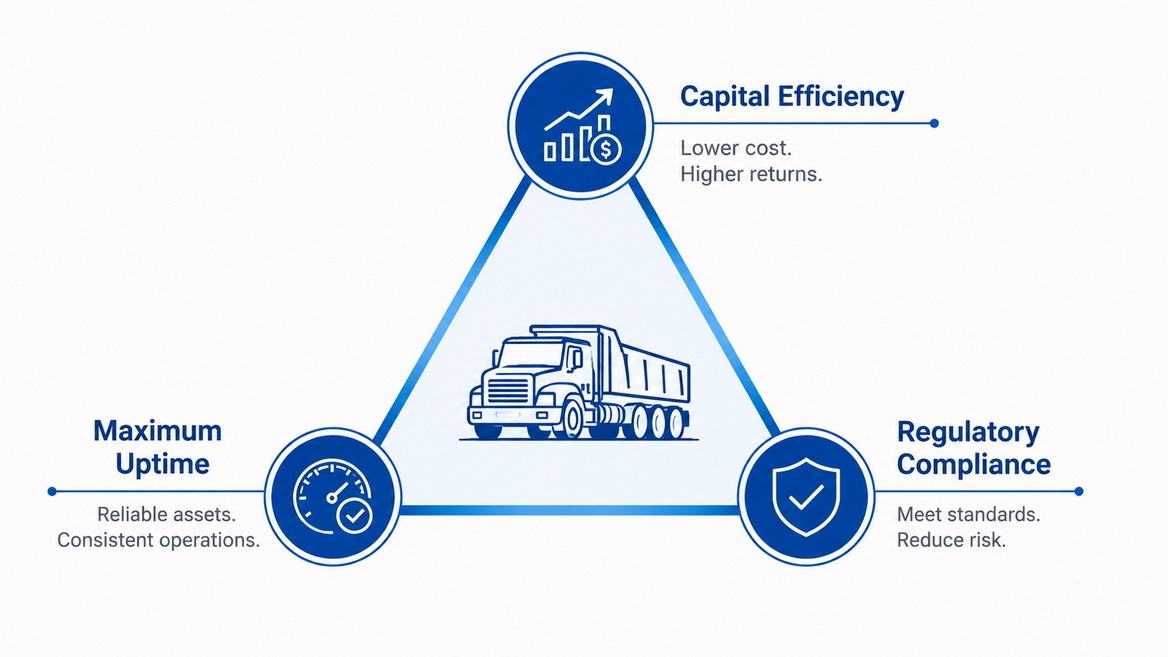
From an industry‑expert perspective, truck leasing has become critical for three reasons:
- Capital efficiency: Full‑service leasing allows companies to deploy capital into core operations instead of tying it up in depreciating assets.
- Operational uptime: Bundled maintenance, roadside assistance, and replacement units reduce unplanned downtime and keep service levels high.
- Regulatory and technology change: New emissions rules, safety requirements, and alternative powertrains (EV, hybrid, LNG) make it risky to own the wrong equipment for too long.
Penske Truck Leasing illustrates this shift well: it supports tens of thousands of businesses across North America with full‑service rental and leasing, maintenance, and logistics support behind the scenes. In parallel, global suppliers like KeyChain now help fleets worldwide source repair‑ready heavy trucks, buses, and new energy vehicles that fit those leasing and operating models.
Penske's "Stories that Move Us" content focuses on real customers whose fleets quietly keep industries, hospitals, farms, and households running every day. The common thread in these stories is not just the trucks themselves, but the confidence and continuity that their leasing arrangements provide.
From those customer stories, several lessons stand out:
- Leasing reduces complexity for non‑transport companies: Manufacturers, retailers, and healthcare providers can focus on their core business while an expert partner manages the fleet asset lifecycle.
- Service quality is as important as vehicle spec: Customers highlight timely maintenance, fast problem resolution, and proactive support as key reasons they stay with a leasing provider.
- Leasing supports growth and seasonality: Flexible contracts and rental options make it easier to handle seasonal peaks, new contracts, or geographic expansion.
For a global supplier like KeyChain, these same principles show up in international customer feedback: fleets value equipment reliability, transparent refurbishment standards, and round‑the‑clock support even more than initial purchase price.
While companies like Penske provide leasing and maintenance services within markets such as North America, global exporters like KeyChain supply the vehicles that power fleets and leasing portfolios worldwide. Based in China, KeyChain focuses on high‑performance buses, dump trucks, heavy trucks, and new energy commercial vehicles, serving operators across Asia, Africa, the Middle East, and other international markets.
From an industry‑practitioner view, that role includes:
- Vehicle sourcing and configuration: Matching customers with the right models (e. g., heavy dump trucks, city buses, intercity coaches, EV buses) based on route, load profile, and local regulations.
- Quality control and refurbishment: Inspecting and preparing used vehicles so that leasing companies and end users receive equipment that is "repair‑ready" and compliant with local standards.
- Lifecycle cost optimization: Advising fleets on fuel efficiency, maintenance strategies, and when to introduce new energy vehicles to balance cost and sustainability.
In practice, this means KeyChain often works with regional distributors, leasing firms, and fleet operators who want a consistent, scalable source of vehicles without sacrificing reliability or total cost of ownership.
From both Penske's customer stories and KeyChain's international projects, a clear decision framework emerges.
If your company is better off investing in production lines, inventory, or technology rather than trucks, leasing is usually more attractive. Modern accounting standards require operating leases to be brought onto the balance sheet as right‑of‑use assets and lease liabilities, but these do not carry the same treatment as debt. This means you still get many of the capital advantages of leasing while maintaining healthy financial metrics.
Fleets that operate across multiple regions, with varying load types and duty cycles, benefit from the bundled maintenance, inspections, and compliance support of a full‑service lease. When a provider offers 24/7 roadside assistance, replacement units, and centralized maintenance planning, your internal team can focus on routing, customer service, and growth.
New fuels, advanced safety systems, and zero‑emission mandates can make vehicle ownership risky if you commit to a technology that becomes obsolete too quickly. Leasing allows you to refresh vehicles more frequently and adopt new energy trucks and buses in a phased, data‑driven way.

One of the most underrated elements in Penske's model is the full‑service facility—a combination of workshop, parts warehouse, and service hub designed to keep vehicles on the road. For example, Penske has invested in LEED‑certified, state‑of‑the‑art locations that integrate maintenance, diagnostics, and environmental standards into a single site.
From an uptime perspective, the benefits include:
- Faster turnaround on repairs and inspections thanks to in‑house technicians and parts availability.
- Predictable maintenance windows that minimize service interruptions and missed deliveries.
- Better data on vehicle performance, helping fleets optimize routes, loads, and replacement cycles.
KeyChain's experience mirrors this: fleets that combine quality vehicles with structured maintenance and 24/7 roadside assistance see significantly fewer breakdowns and lower lifetime costs, especially for heavy dump trucks and intercity buses under tough conditions.
Sustainability is no longer optional for modern fleets. Governments and large shippers increasingly expect lower emissions, cleaner operations, and transparent reporting on environmental impact. Leasing and global sourcing together can accelerate this transition.
From the field, three practical steps stand out:
1. Start with targeted routes
Focus initial EV or hybrid deployments on predictable, shorter routes with stable daily mileage—such as city distribution, shuttle services, or fixed intercity corridors.
2. Use leasing to manage technology risk
Partner with leasing providers who understand battery performance, charging infrastructure, and residual value, so you are not locked into outdated technology.
3. Work with suppliers experienced in new energy vehicles
Suppliers like KeyChain that already export new energy buses and trucks can advise on model selection, charging strategies, and after‑sales support for these platforms.
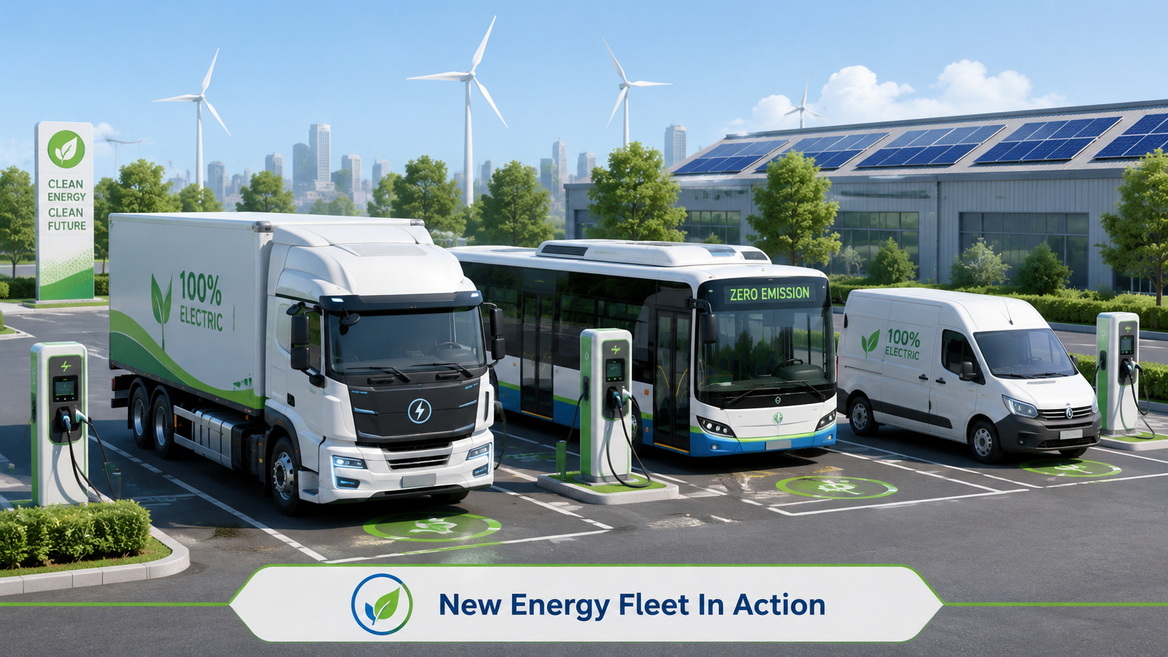
For many fleets, the most effective strategy is a mixed fleet: diesel or LNG for heavy long‑haul, and new energy vehicles for regional or urban routes where charging and duty cycles are easier to manage.
Reading between the lines of Penske's customer content and talking to KeyChain's international buyers, it becomes clear that the most successful fleet programs focus on a consistent set of priorities.
Fleets repeatedly emphasize:
- Reliability first: A slightly cheaper truck that breaks down often is always more expensive than a reliable vehicle with strong support.
- Transparent costs: Customers want to understand what is included in the lease or purchase price—maintenance, roadside assistance, licensing, and insurance.
- Responsive support teams: When something goes wrong, they expect one phone call to trigger action: towing, replacement units, or on‑site repairs.
- Scalability: Growing fleets look for partners who can support multiple locations, new routes, and different vehicle classes over time.
These expectations are reshaping how both leasing providers and global vehicle suppliers design their offerings and service models.
To translate these insights into action, here is a concise, expert‑level checklist for fleet owners and logistics managers.
Before you sign a lease or purchase contract, confirm:
1. Vehicle fit
- Are gross vehicle weight, axle configuration, and body type aligned with your heaviest loads and worst‑case routes?
2. Maintenance and uptime terms
- Who handles scheduled and unscheduled repairs? What are response‑time commitments and coverage hours (e. g., 24/7 roadside assistance)?
3. Replacement and peak‑season flexibility
- Can you add or return vehicles easily to match demand swings?
4. Data and reporting
- Will you receive telematics, fuel efficiency data, and maintenance history that can feed into your continuous improvement process?
5. Sustainability road map
- Does your provider or supplier have a clear plan and product range for low‑emission or new energy vehicles as regulations tighten?
When these five areas are well‑defined, fleets are far more likely to achieve lower total cost of ownership and higher service levels.
If you manage a fleet or are planning to expand into new routes or markets, now is the time to reassess how you source and operate your vehicles. Leasing providers like Penske show what is possible when uptime, service, and sustainability come together in a robust full‑service model. Global suppliers like KeyChain complement that by delivering reliable heavy trucks, buses, and new energy commercial vehicles that align with those same performance expectations.
If you are looking to upgrade your fleet, explore new energy options, or secure a dependable source of repair‑ready heavy trucks and buses, contact KeyChain's export team to discuss a tailored sourcing and support plan for your market.
Leasing reduces upfront capital expenditure, bundles maintenance and support into predictable payments, and helps fleets refresh equipment more frequently as technology and regulations evolve.
KeyChain sources, inspects, and prepares high‑performance heavy trucks, buses, dump trucks, and new energy vehicles, then supports fleets and leasing firms with configuration advice, quality control, and after‑sales support.
There is technology and infrastructure risk, but leasing and experienced suppliers can reduce it by targeting suitable routes, structuring flexible contracts, and choosing proven vehicle platforms and charging solutions.
Modern standards require operating leases to be recorded as right‑of‑use assets and lease liabilities, but these liabilities are not treated as debt for GAAP purposes, so companies can still protect key financial ratios.
Focus on uptime commitments, 24/7 roadside assistance, modern maintenance facilities, transparent pricing, robust reporting, and a clear strategy for low‑emission and new energy vehicles.
1. Penske Truck Leasing – "Penske Truck Leasing: Stories that Move Us."
https://www.gopenske.com/blog/lease/penske-truck-leasing-stories-that-move-us/
2. Penske Corporation – "Our Companies."
https://www.penske.com/our-companies/
3. Penske Truck Leasing Newsroom – "Penske Truck Leasing Opens First Full-Service Rental and Leasing LEED-Certified Facility."
4. Penske Truck Leasing – Lease Accounting and Financial News.
https://www.pensketruckleasing.com/tag/financial-news
5. Penske – "Stories that Move Us" video spot.
https://www.youtube.com/watch?v=yCml6wk7UDg
6. KeyChain (KCV) – China Zhongtong Exporter & Supplier.
https://www.keychainauto.com/zhongtong.html
7. KeyChain – "24/7 Roadside Assistance for Dump Trucks and Heavy Buses: How KeyChain Keeps Your Fleet Moving."


