
Views: 245 Author: Keychain Venture Publish Time: 2026-07-09 Origin: Site


Content Menu
● Best New Energy Buses and Heavy‑Duty Trucks for Global Buyers
● Why New Energy Commercial Vehicles Matter Now
● Core Buying Criteria for New Energy Buses and Trucks
● Electric City Buses: Ideal for Urban Public Transport
● New Energy Coaches and Intercity Buses: Balancing Range and Comfort
● Battery‑Electric Heavy‑Duty Trucks: From City Logistics to Regional Haul
● Hybrid and Range‑Extended Options: A Transitional Path
● How Chinese NEV Suppliers Support Global Fleets
● Practical Fleet Planning Steps for New Energy Buses and Trucks
● Example NEV Selection Table for Fleet Operators
● Enhancing Driver and Passenger Experience with NEVs
● Why Work with KeyChain for New Energy Buses and Trucks
● Frequently Asked Questions (FAQ)
>> Q1. Are new energy buses and trucks suitable for all fleet types?
>> Q2. How do I compare TCO between diesel and electric heavy‑duty vehicles?
>> Q3. What charging infrastructure do I need for an electric bus fleet?
>> Q4. How can I ensure NEV reliability in export markets?
>> Q5. Does KeyChain offer OEM/ODM customization for buses and trucks?
When I first started helping fleet operators transition from diesel to new energy vehicles (NEVs), I quickly realised that most online "buying guides" focused only on small passenger cars and skipped the heavy‑duty segment altogether. For anyone running bus routes, logistics fleets, or municipal operations, that gap makes it much harder to make informed decisions about electric and hybrid buses, coaches and trucks that actually fit day‑to‑day business needs.
As a China‑based supplier and exporter working with KeyChain, I've spent years specifying and exporting electric buses, battery‑electric trucks and hybrid heavy‑duty vehicles for customers across Europe, the Middle East, Africa and Latin America. In this guide, I'll share practical insights from real fleet projects and user feedback, so you can choose the right NEVs with confidence and avoid costly trial‑and‑error purchases.
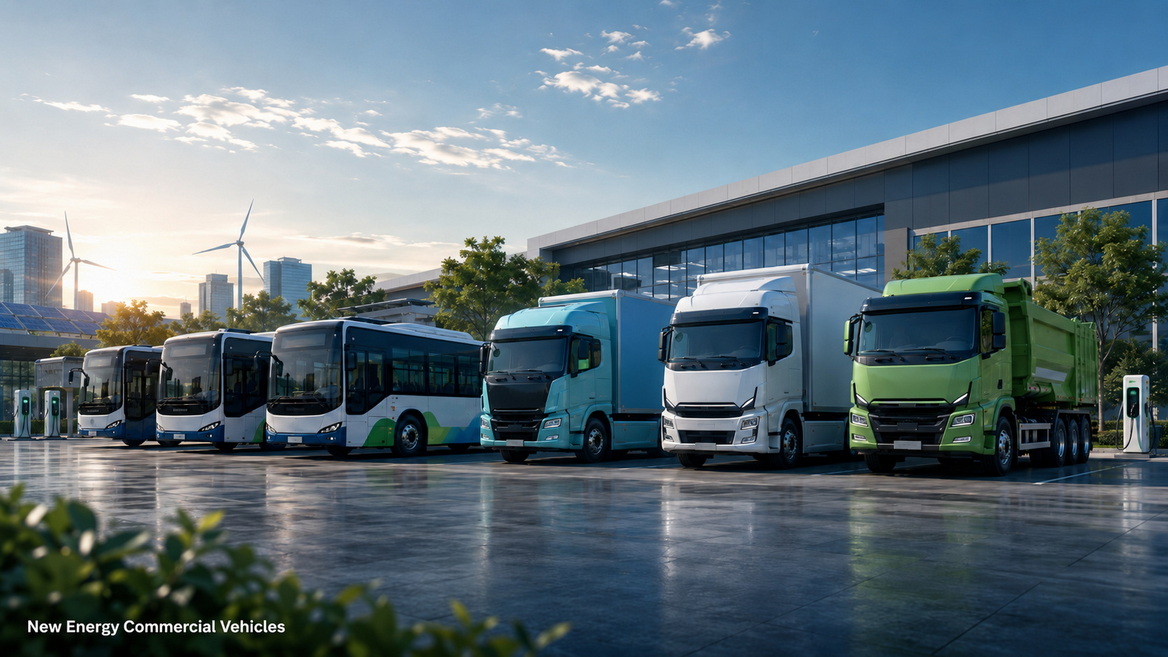
Global fleets are under intense pressure to cut emissions, lower operating costs and comply with tightening regulations on urban air quality and CO₂ output. At the same time, diesel prices and maintenance costs are volatile, making traditional heavy‑duty platforms increasingly hard to budget over a vehicle's full lifecycle.
From an industry perspective, new energy buses and trucks close that gap by combining lower energy costs per kilometre with cleaner operation in dense urban areas. For export buyers working with Chinese OEMs and trading companies like KeyChain, the commercial attraction is clear: competitive upfront pricing, mature supply chains and access to OEM/ODM customization for different routes, climates and payload profiles.
Before looking at specific vehicle types, it's essential to define clear buying criteria that align with your business model, not just headline specs. Based on projects I've supported with international clients, these are the factors that consistently shape successful NEV decisions.
Key technical and commercial criteria
- Duty cycle and route profile (city stop‑and‑go vs intercity; flat vs hilly).
- Range and battery capacity required per shift, including seasonal variations. - Payload and passenger capacity, including luggage or cargo volume.
- Charging infrastructure (depot AC, DC fast charging, opportunity charging).
- Total cost of ownership (TCO): energy, maintenance, financing, residual value.
- Regulatory compliance (emissions standards, safety, accessibility).
- OEM support and after‑sales service, especially for export markets.
When we work with new customers at KeyChain, we typically start with duty cycles, daily mileage and charging windows; only then do we look at battery sizes, motor power and body configurations. This approach prevents overspecification (too much battery, too high capex) or underspecification (range anxiety, operational disruptions) later on.
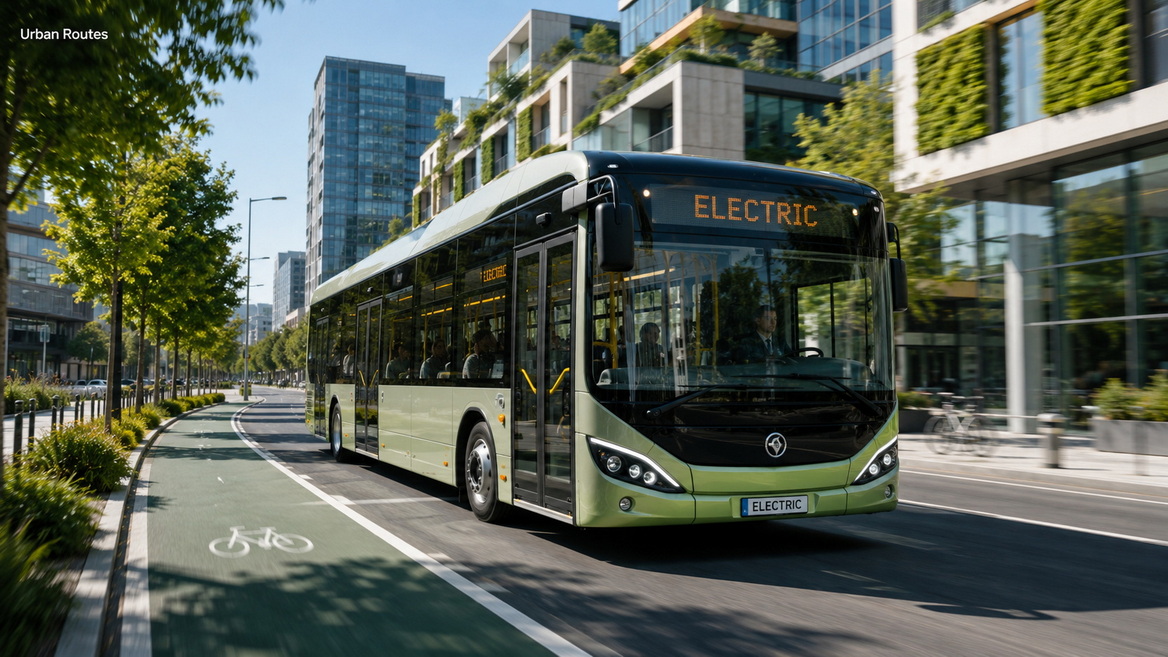
For dense city routes with frequent stops, battery‑electric city buses are often the most cost‑effective and politically attractive option. They deliver zero tailpipe emissions, low noise and smooth acceleration, which directly improves passenger comfort and urban air quality.
Typical urban electric bus features include:
- Low‑floor design for easy boarding and wheelchair access.
- Fast‑charging capability (for example, 10–80% in under one hour, depending on charger).
- Regenerative braking to recover energy in stop‑and‑go traffic.
- Integrated telematics to monitor battery health, driver behaviour and energy use.
From a fleet manager's perspective, the most common pain point is not the vehicle itself but charging strategy and depot upgrades. That's why, in our export projects, we always pair electric bus recommendations with practical charging layouts, load‑management plans and phased roll‑out schedules that match local power constraints.
If your operation involves longer intercity routes or tourism services, purely battery‑electric coaches may require more careful planning around range and charging windows. In many cases, we see operators adopt a mixed approach, combining long‑range battery coaches with plug‑in hybrid or range‑extended configurations.
To evaluate new energy coaches effectively, focus on:
- Real‑world highway range, not just lab figures.
- Battery thermal management, which protects performance in extreme temperatures.
- Seat layout and luggage capacity, especially for tourism and airport services.
- On‑board amenities (Wi‑Fi, infotainment, USB charging) that support premium pricing.
KeyChain's coach customers typically aim for a balance: enough electric range to cover the bulk of daily routes, but with redundancy through fast charging at major hubs or hybrid backup options for rare peak‑distance days. That pragmatic mix helps control capex while still meeting sustainability targets and brand expectations.
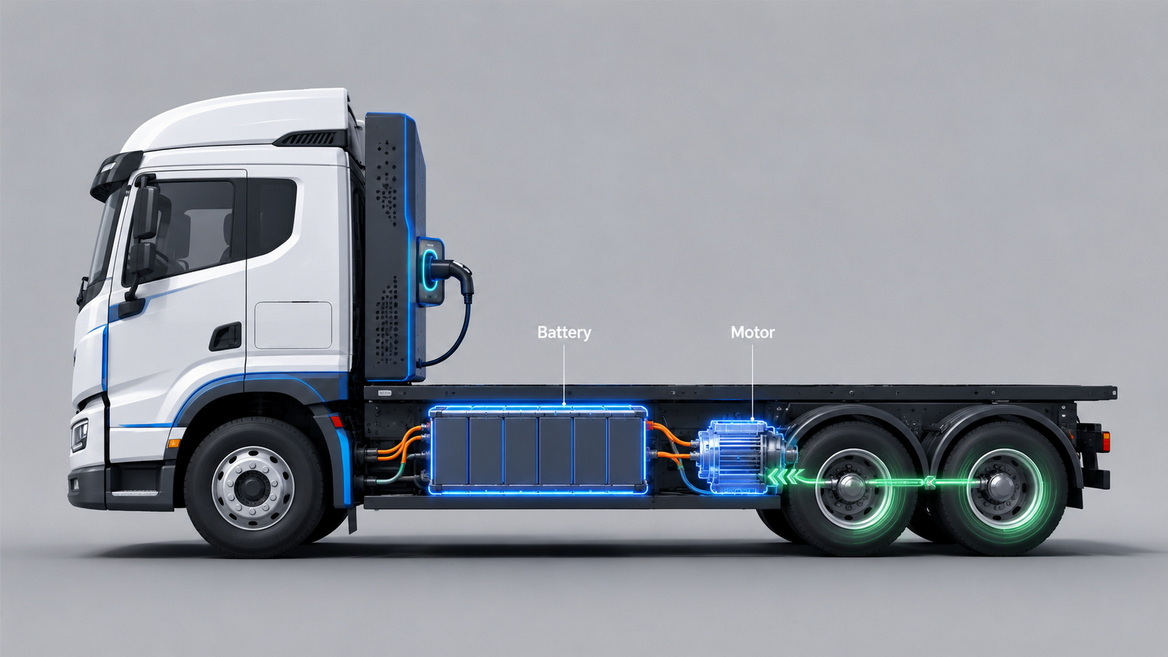
In the truck segment, the fastest adoption is happening in urban and regional logistics, where predictable routes and return‑to‑base operations make electrification practical. Electric heavy‑duty trucks excel in low‑emission zones, night‑time deliveries and short‑haul port or warehouse shuttles.
Key advantages reported by fleet users include:
- Lower energy cost per kilometre compared with diesel in many markets.
- Reduced brake wear thanks to regenerative braking.
- Easier driver onboarding, due to smoother power delivery and automatic transmissions.
- Strong torque at low speeds, ideal for stop‑start urban logistics.
From an expert standpoint, the main risk is misalignment between battery spec and payload/route. For example, over‑sizing batteries to chase maximum theoretical range can raise vehicle weight and reduce payload, undermining the economics of each trip. That's why we encourage customers to model typical load profiles and daily kilometres and then choose battery sizes that hit optimal TCO, not speculative "maximum range" numbers.
Not every fleet is ready for full electrification, especially where charging infrastructure is immature or routes are too long and variable. In these cases, hybrid and range‑extended NEVs can provide a pragmatic bridge strategy.
Typical configurations include:
- Parallel hybrids combining combustion engines with electric drives for efficiency gains.
- Plug‑in hybrids with modest electric‑only range for urban segments of mixed routes.
- Range‑extended electric platforms where a small combustion engine acts as generator.
For export buyers, hybrid new energy buses and trucks can be particularly attractive, because they reduce dependency on local grid upgrades while still lowering fuel consumption and emissions. Many of our customers use them to pilot new low‑emission services and build a business case, then transition to full battery‑electric platforms once infrastructure and driver familiarity are in place.
China now dominates the global new energy vehicle supply chain, with mature clusters in provinces such as Shandong, Chongqing and Sichuan offering large‑scale bus and truck production, electric powertrain manufacturing and battery integration. For international buyers, this translates into a wide range of platforms, configurations and price points, all supported by export‑oriented logistics and OEM services.
KeyChain operates within this ecosystem, working directly with factories and Tier‑1 suppliers to provide:
- OEM and ODM services for custom bus and truck body layouts, branding and interiors.
- Export‑grade quality control, including pre‑shipment inspections and documentation.
- Flexible order quantities, from pilot units to full fleet batches.
- Support with homologation, emission and safety compliance for destination markets.
From my personal experience, one of the biggest advantages of partnering with a specialised export team rather than buying ad‑hoc from general trading platforms is alignment between vehicle spec and real fleet requirements. We spend considerable time translating route data, climate conditions and regulatory constraints into concrete configuration choices, so that customers receive vehicles that are ready to work, not just attractive on paper.
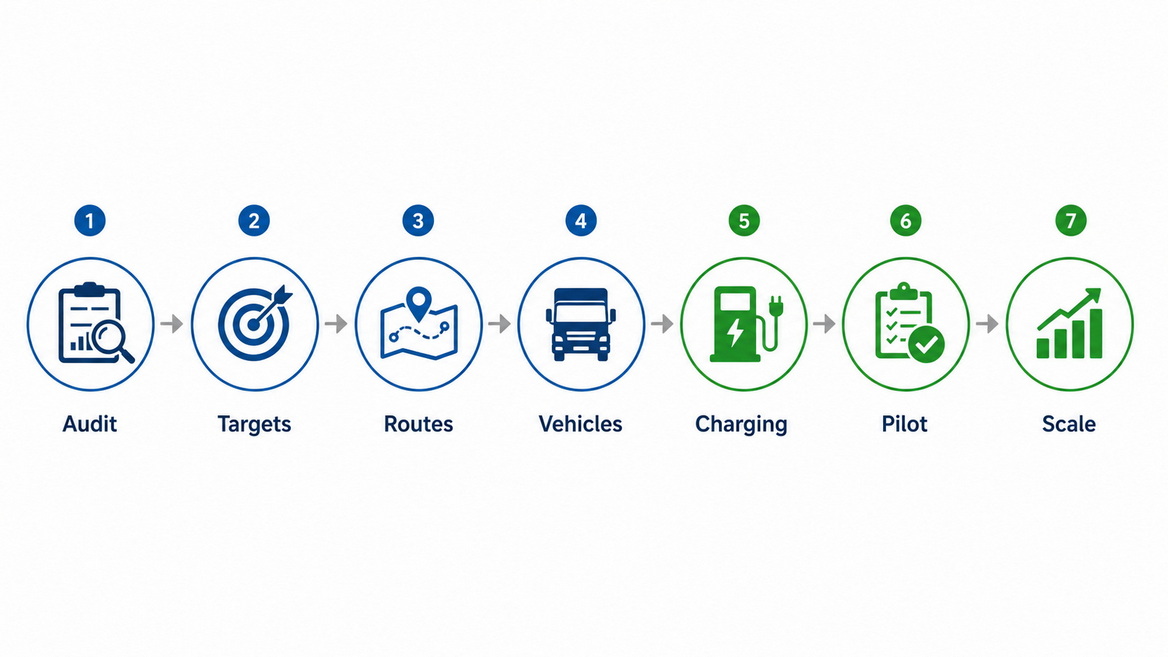
To help operators move from concept to implementation, we normally follow a structured planning process that combines data analysis with on‑site insights. Below is a simplified, seven‑step framework you can adapt to your own fleet.
Step‑by‑step planning framework
Audit current routes and vehicles: Collect data on mileage, dwell times, load factors and energy consumption.
Define performance targets: Emissions reduction, TCO improvement, service levels and brand objectives.
Segment routes by electrification suitability: Start with high‑volume, predictable, return‑to‑base lines.
Select vehicle types and battery specs: Match city buses, coaches or trucks to each route segment.
Design charging infrastructure: Plan depot and opportunity charging, grid interactions and redundancy.
Pilot and measure: Run initial units, gather feedback from drivers, maintenance teams and passengers.
Scale and refine: Use pilot learnings to shape larger orders, training and maintenance strategies.
From the expert's seat, the difference between a successful and a stressful NEV rollout almost always comes down to preparation and transparent communication with OEMs and suppliers. When fleets share accurate operational data, suppliers like KeyChain can tailor solutions and avoid under‑ or over‑specifying vehicles.
To make the decision process more concrete, the table below illustrates how different new energy commercial vehicle types typically align with operational needs.
| Vehicle type | Best use case | Strengths | Key watch‑points |
|---|---|---|---|
| Electric city bus | Urban public transport, fixed routes | Zero tailpipe emissions, quiet operation, high passenger comfort.accio | Requires robust depot/fast charging, careful route and schedule planning.accio |
| New energy coach | Intercity and tourism routes | Lower emissions than diesel, premium passenger experience, brand value.accio | Range and charging at remote hubs, battery performance in extreme climates.accio |
| Battery‑electric heavy‑duty truck | City logistics, regional haul, port shuttles | Strong torque, low energy cost per km, ideal for low‑emission zones.accio | Payload vs battery weight trade‑offs, charging access for multi‑stop routes.accio |
| Hybrid / range‑extended NEV | Transitional fleets, mixed urban/intercity work | Reduced fuel use and CO₂, flexible operation, lower infrastructure needs.accio | More complex powertrain, still dependent on combustion engine for some routes.accio |
This simplified matrix is the same type of tool we use with customers during early consultations, helping them map business priorities to vehicle options in a clear, visual way. It quickly highlights which routes should electrify first and where hybrid or range‑extended solutions are more realistic in the short term.
One underrated benefit of new energy buses and trucks is the qualitative improvement in driver and passenger experience, which can directly impact recruitment, retention and customer satisfaction. Electric drivetrains reduce vibration and cabin noise, while intelligent infotainment and connectivity systems support smoother operations.
Modern new energy buses and coaches typically offer:
- Driver‑centric cabins with adjustable steering wheels and seats, improving ergonomics.
- Integrated infotainment with smartphone connectivity for navigation and fleet apps.
- Multiple onboard charging points, Wi‑Fi and real‑time route information for passengers.
In heavy‑duty trucks, fleets often report lower driver fatigue due to smoother torque delivery and reduced gearbox complexity. These comfort gains can translate into safer, more consistent driving and better feedback from both drivers and clients.
As a specialist Chinese supplier and exporter of high‑quality buses, heavy‑duty trucks and new energy vehicles, KeyChain's role is to bridge the gap between global fleet requirements and the capabilities of China's NEV manufacturing hubs. We combine access to multiple OEMs with hands‑on project support, so customers receive vehicles that are ready for real‑world duty cycles, not just spec‑sheet configurations.
KeyChain can support your NEV projects by:
- Advising on vehicle selection, battery sizing and duty‑cycle matching.
- Coordinating OEM/ODM customization for branding, interior layouts and technical options.
- Managing export logistics, documentation and compliance workflows end‑to‑end.
- Providing ongoing support and feedback loops to optimise performance over the lifecycle.
If you are planning a transition to new energy buses, coaches or heavy‑duty trucks, or you need to expand an existing NEV fleet, you can contact KeyChain to discuss route data, performance targets and budget constraints, and we'll recommend tailored solutions based on our experience across multiple regions and industry sectors.
Not every route is ready for full electrification, but most urban and fixed‑schedule services can benefit from new energy buses and trucks when duty cycles and charging windows are properly mapped and planned.
You should model fuel or energy costs, maintenance, financing, residual value and potential incentives over the vehicle's expected life, then compare total cost per kilometre rather than only looking at purchase price.
Most fleets start with depot AC or DC fast charging sized to overnight or shift‑change windows, then add opportunity charging on high‑intensity routes; the optimal mix depends on grid capacity, route length and vehicle battery size.
Work with established suppliers who provide export‑focused quality control, robust spare‑parts supply and clear support commitments, and choose platforms that already operate in similar climates and regulatory environments.
Yes. We collaborate with Chinese manufacturers to deliver OEM and ODM solutions, including custom interiors, branding, body styles and technical configurations tailored to your routes, passenger profiles and local regulations.
1. Evans Halshaw – "Top 5: Best Used Medium‑Sized Cars"
https://www.evanshalshaw.com/blog/best-used-medium-sized-cars/
2. iSeeCars – "Best Used Midsize Cars for 2026"
https://www.iseecars.com/best-used-cars/midsize-cars
3. Consumer Reports – "Best Used SUVs, Sedans, Small Cars and Minivans of 2026"
https://www.consumerreports.org/cars/best-used-cars-by-price-a1306944688/
4. Made‑in‑China – "New Energy Vehicles Suppliers"
https://www.made-in-china.com/manufacturers/new-energy-vehicles.html
5. Accio – "Top New Energy Vehicles Supplier 2025: EVs, Hybrids & More"


